

Not all cat food is created equal—some ingredients can seriously harm your cat’s health over time. From artificial additives to low-quality fillers, knowing what to avoid helps you make smarter choices for your pet’s long-term well-being.
Key Takeaways
- Artificial preservatives like BHA, BHT, and ethoxyquin are linked to cancer and liver damage in cats and should be avoided.
- Fillers such as corn, soy, and wheat offer little nutritional value and can trigger allergies or digestive issues.
- By-products and meat meals of unknown origin may contain low-quality or unsafe animal parts not fit for human consumption.
- Excessive carbohydrates and sugars contribute to obesity, diabetes, and dental problems in obligate carnivores like cats.
- Artificial colors and flavors serve no nutritional purpose and may cause hyperactivity or allergic reactions.
- Unspecified protein sources (e.g., “meat meal” vs. “chicken meal”) make it hard to know what your cat is actually eating.
- Always read labels carefully and choose brands with transparent sourcing and whole-food ingredients.
📑 Table of Contents
- Why Reading Cat Food Labels Matters More Than Ever in 2026
- Artificial Preservatives: Hidden Toxins in Your Cat’s Bowl
- Low-Quality Fillers: Empty Calories That Harm Your Cat
- Meat By-Products and Unspecified Meals: What’s Really in There?
- Sugars, Carbohydrates, and Starches: The Silent Saboteurs
- Artificial Colors and Flavors: Unnecessary and Risky
- Unspecified Protein Sources: The Labeling Loophole
- Making the Switch: Tips for Choosing Safer Cat Food in 2026
- Conclusion: Your Cat’s Health Starts with What’s in the Bowl
Why Reading Cat Food Labels Matters More Than Ever in 2026
In 2026, pet parents are more informed—and more concerned—about what goes into their cat’s food than ever before. With rising rates of feline obesity, kidney disease, and food allergies, the spotlight is on ingredient quality. Cats are obligate carnivores, meaning their bodies are designed to thrive on a diet rich in animal protein and low in carbohydrates. Yet many commercial cat foods still contain ingredients that contradict this biological need.
The pet food industry has made strides in transparency, but misleading marketing and vague labeling practices still exist. Terms like “natural,” “premium,” or “gourmet” aren’t regulated by the FDA or AAFCO in the same way human food labels are. That means a bag of “natural” cat food could still contain synthetic preservatives or low-grade fillers. As a responsible cat owner, understanding what’s hiding in your cat’s kibble or wet food is one of the most important things you can do for their health.
This guide will walk you through the most harmful and questionable ingredients commonly found in cat food in 2026. We’ll break down why they’re bad, what health risks they pose, and how to spot them on labels. Whether you’re feeding dry kibble, canned food, or trying out fresh or freeze-dried options, knowing what to avoid helps you choose the best diet for your furry companion.
Artificial Preservatives: Hidden Toxins in Your Cat’s Bowl
Visual guide about What Are Bad Ingredients in Cat Food
Image source: mysweetpuppy.net
One of the biggest red flags in commercial cat food is the use of artificial preservatives. These chemicals are added to extend shelf life, but many have been linked to serious health problems in cats over time. The most notorious offenders include BHA (butylated hydroxyanisole), BHT (butylated hydroxytoluene), and ethoxyquin.
BHA and BHT are synthetic antioxidants used to prevent fats and oils from going rancid. While they’re approved for use in pet food, numerous studies have shown they can be carcinogenic in high doses. The National Toxicology Program classifies BHA as “reasonably anticipated to be a human carcinogen,” and similar concerns apply to pets. Cats are especially vulnerable because their livers process toxins differently than humans or dogs.
Ethoxyquin is even more controversial. Originally developed as a pesticide, it’s now used in some fishmeal to prevent oxidation. However, it’s not required to be listed on pet food labels if it’s used in the raw ingredients (like fish) before processing. This means your cat could be consuming it without you even knowing. Research has linked ethoxyquin to liver damage, reproductive issues, and immune system suppression in animals.
Safer Alternatives to Artificial Preservatives
The good news? There are natural preservatives that are much safer for your cat. Look for foods that use mixed tocopherols (a form of vitamin E), rosemary extract, or ascorbic acid (vitamin C). These not only preserve freshness but also offer antioxidant benefits. Brands like Wellness, Instinct, and The Honest Kitchen have shifted toward clean-label formulations using these natural options.
When shopping, flip the bag over and scan the ingredient list. If you see BHA, BHT, or ethoxyquin, consider it a warning sign. Even if the front of the package boasts “no artificial preservatives,” always verify with the full ingredient list. In 2026, more brands are adopting transparent sourcing and clean labels, so safer options are increasingly available.
Low-Quality Fillers: Empty Calories That Harm Your Cat
Fillers are ingredients added to cat food to bulk it up, reduce costs, or improve texture—but they often provide little to no nutritional value. Common fillers include corn, corn gluten meal, soy, wheat, and rice. While small amounts of certain grains can be digestible for some cats, large quantities are problematic.
Cats don’t need carbohydrates in their diet. Their bodies are built to derive energy from protein and fat, not starches. When cat food is loaded with fillers, it displaces the high-quality animal protein your cat needs. Over time, this can lead to muscle loss, poor coat condition, and reduced energy levels.
Corn and soy are especially concerning. They’re common allergens in cats and can cause skin irritation, ear infections, and gastrointestinal upset. Corn gluten meal, often listed as a “protein source,” is actually a by-product of corn processing and contains only about 60% protein—much lower than meat-based proteins. It’s also harder for cats to digest.
How to Spot Fillers on the Label
Ingredients are listed by weight, so if corn, soy, or wheat appears in the first five ingredients, the food is likely filler-heavy. A high-quality cat food should list a named animal protein (like “chicken” or “salmon”) as the first ingredient. Be wary of foods that use multiple forms of the same filler—for example, “corn,” “corn gluten meal,” and “corn bran”—to boost the protein percentage without adding real meat.
In 2026, some brands are using alternative starches like peas or lentils, which are less allergenic than corn or soy. While these can be acceptable in moderation, they should never replace animal protein as the primary ingredient. Always prioritize foods where meat is the star, not the side dish.
Meat By-Products and Unspecified Meals: What’s Really in There?
The term “by-products” often raises eyebrows—and for good reason. In pet food, by-products are parts of animals not typically consumed by humans, such as lungs, spleens, kidneys, brains, and blood. While some by-products (like liver) are nutritious, others are less so. The problem isn’t the concept of by-products itself, but the lack of transparency.
When a label says “poultry by-products” or “meat by-products” without specifying the source, it could include anything from diseased animals to euthanized pets. The AAFCO defines by-products as “non-rendered, clean parts other than meat,” but doesn’t require disclosure of the animal source. This vagueness makes it hard to know what your cat is eating.
Meat Meals: Better, But Not Always Best
Meat meals—like “chicken meal” or “turkey meal”—are more concentrated sources of protein because the water has been removed. They’re generally better than by-products, but only if the source is clearly named. “Chicken meal” is good; “meat meal” is not. The latter could be made from any mammal, including downer animals or roadkill.
In 2026, regulatory scrutiny has increased, and some brands now specify the source of their meals (e.g., “dehydrated chicken meal”). Still, always look for named proteins. If the label says “animal digest” or “digest of [unspecified meat],” it’s a red flag. These are flavoring agents made from cooked-down animal tissue and offer little nutritional value.
Organ Meats: Nutritious, But Not a Substitute
It’s worth noting that not all by-products are bad. Organ meats like liver, heart, and kidney are rich in vitamins and minerals and are actually beneficial in moderation. The issue is when they’re used as the primary protein source or when the source is unknown. A food that lists “chicken liver” as the second ingredient is likely high-quality. One that says “meat by-products” as the first ingredient? Not so much.
Sugars, Carbohydrates, and Starches: The Silent Saboteurs
Cats have no nutritional requirement for carbohydrates. Their bodies aren’t designed to process large amounts of sugar or starch. Yet many dry cat foods are packed with them to improve texture, reduce cost, and extend shelf life. Common culprits include corn syrup, sugar, molasses, and potato starch.
Excessive carbohydrates in a cat’s diet can lead to obesity, insulin resistance, and type 2 diabetes. These conditions are on the rise in domestic cats, and diet plays a major role. A 2025 study by the Cornell University College of Veterinary Medicine found that cats fed high-carb diets were 3.5 times more likely to develop diabetes than those on low-carb, high-protein diets.
Hidden Sugars in Wet and Dry Food
Even wet food isn’t immune. Some brands add sugar or syrup to enhance palatability or thicken gravy. Check the ingredient list for terms like “sucrose,” “fructose,” “dextrose,” or “caramel color” (which is made from heated sugar). These offer no benefit and can contribute to dental decay and weight gain.
Dry kibble is especially problematic because it’s often baked at high temperatures with starchy binders like rice flour or tapioca. These ingredients cause blood sugar spikes, which over time can damage the pancreas and lead to chronic disease. In 2026, more cat owners are switching to low-carb or carb-free diets, including raw, freeze-dried, or fresh food options.
How to Choose a Low-Carb Cat Food
Look for foods with less than 10% carbohydrates on a dry matter basis. To calculate this, subtract the moisture content from wet food and compare protein, fat, and carb percentages. A good rule of thumb: if grains or starches appear in the first five ingredients, the food is likely too high in carbs.
Brands like Ziwi Peak, Stella & Chewy’s, and Tiki Cat offer high-protein, low-carb options that mimic a cat’s natural diet. These foods support healthy weight, stable energy, and better digestion. While they may cost more, the long-term health benefits far outweigh the price difference.
Artificial Colors and Flavors: Unnecessary and Risky
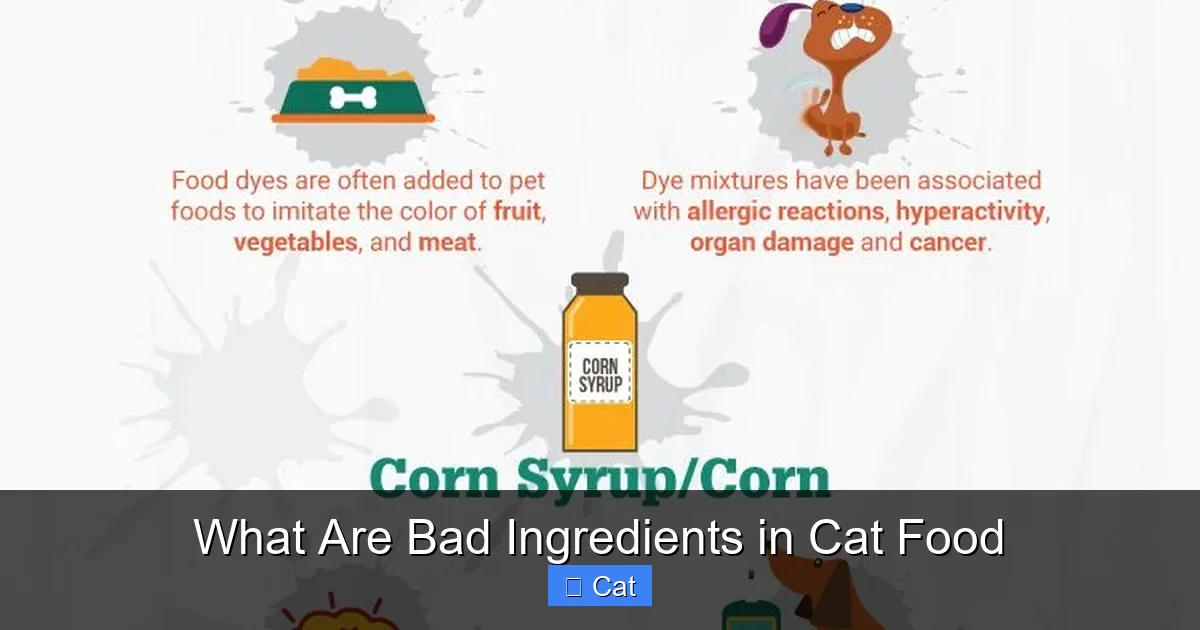
Artificial colors like Red 40, Yellow 5, and Blue 2 are added to make cat food look more appealing—to humans, not cats. Cats see in limited color spectrums and are attracted to food by smell and texture, not appearance. These dyes serve no nutritional purpose and have been linked to behavioral issues and allergic reactions in pets.
Some studies suggest that artificial colors may contribute to hyperactivity in cats, similar to the effects seen in children. While research is ongoing, it’s best to avoid them altogether. Look for foods that use natural colorings like paprika or beet juice, or better yet, no added colors at all.
Artificial flavors are another concern. Ingredients like “artificial chicken flavor” or “meat flavor” are often derived from chemical compounds and can mask the taste of low-quality ingredients. They may also contain MSG (monosodium glutamate), which has been associated with neurological symptoms in sensitive animals.
Natural Alternatives That Work
Many high-quality brands use real meat, broth, or natural flavor enhancers like yeast extract or fish oil to make food tasty. These ingredients appeal to a cat’s strong sense of smell and encourage healthy eating. In 2026, consumer demand for clean labels has pushed more companies to eliminate artificial additives entirely.
When in doubt, choose foods with short, recognizable ingredient lists. If you can’t pronounce it or don’t know what it is, your cat probably shouldn’t be eating it. Transparency is key—brands that proudly list every ingredient are usually the safest bet.
Unspecified Protein Sources: The Labeling Loophole
One of the sneakiest tricks in pet food labeling is using vague terms like “meat,” “animal protein,” or “poultry” without specifying the source. This makes it impossible to know what your cat is actually consuming. Is it chicken? Beef? Something else entirely?
The AAFCO allows these terms, but they offer no guarantee of quality or safety. “Meat” could come from any mammal, including sick or euthanized animals. “Poultry” might include feathers, beaks, or feet unless specified as “poultry meat” or “chicken.”
Why Specificity Matters
Named proteins like “deboned chicken,” “salmon meal,” or “turkey liver” give you confidence in the ingredient’s origin and nutritional value. They also help if your cat has food sensitivities—knowing the exact protein source makes it easier to identify and avoid allergens.
In 2026, some brands are going further by listing the farm or region where the meat was sourced. This level of transparency builds trust and ensures higher standards. Look for certifications like “human-grade,” “sustainably sourced,” or “free-range” as additional indicators of quality.
How to Decode the Label
Always read the full ingredient list, not just the front of the package. If the first ingredient is “meat” or “animal by-products,” put it back. Choose foods where the first ingredient is a named, high-quality protein. And remember: just because a food says “grain-free” doesn’t mean it’s healthy—it could still be loaded with potatoes, peas, or other fillers.
Making the Switch: Tips for Choosing Safer Cat Food in 2026
Transitioning your cat to a healthier diet doesn’t have to be overwhelming. Start by reading labels carefully and comparing a few top brands. Look for foods with:
– Named animal proteins as the first ingredient
– No artificial preservatives, colors, or flavors
– Minimal fillers and carbohydrates
– Transparent sourcing and clear labeling
Introduce new food gradually over 7–10 days to avoid digestive upset. Mix increasing amounts of the new food with the old, monitoring your cat’s appetite, energy, and stool quality.
Consider rotating between high-quality brands or protein sources to provide variety and reduce the risk of developing food sensitivities. And don’t forget hydration—wet food or adding water to dry kibble helps support kidney and urinary health, especially in older cats.
When to Consult Your Veterinarian
If your cat has existing health issues like kidney disease, diabetes, or food allergies, talk to your vet before making dietary changes. They can recommend prescription diets or help you choose the best commercial option. In 2026, many vets are also trained in nutritional therapy and can guide you toward science-backed choices.
Conclusion: Your Cat’s Health Starts with What’s in the Bowl
What you feed your cat has a direct impact on their lifespan, energy, and overall well-being. In 2026, we have more knowledge and better options than ever before—but only if we know how to use them. By avoiding harmful ingredients like artificial preservatives, fillers, by-products, and excessive carbs, you’re giving your cat the best chance at a long, healthy life.
Remember, the best cat food isn’t always the most expensive—it’s the one with the cleanest, most transparent ingredients. Take the time to read labels, ask questions, and choose wisely. Your feline friend depends on you.
Frequently Asked Questions
Are all by-products bad in cat food?
Not necessarily. Nutritious organ meats like liver and heart are considered by-products and can be healthy in moderation. The problem arises when the source is unspecified or includes low-quality parts. Always look for named by-products like “chicken liver” rather than vague terms like “meat by-products.”
Can cats eat grains like rice or oats?
Small amounts of easily digestible grains may be tolerated by some cats, but they’re not necessary in a feline diet. Cats are obligate carnivores and thrive on animal protein. High-grain diets can lead to obesity and diabetes, so it’s best to choose grain-free or low-carb options.
Is “grain-free” always better for cats?
Not always. While grain-free foods avoid common allergens like wheat and corn, they may replace grains with other starches like potatoes or peas, which can still be high in carbohydrates. Focus on the overall ingredient quality and protein content, not just the absence of grains.
How can I tell if my cat has a food allergy?
Common signs include itchy skin, ear infections, vomiting, diarrhea, or excessive grooming. If you suspect an allergy, work with your vet to identify the trigger. Switching to a novel protein (like duck or rabbit) or a limited-ingredient diet can help pinpoint the issue.
Are natural preservatives really safer than artificial ones?
Yes. Natural preservatives like mixed tocopherols (vitamin E) and rosemary extract are effective at preventing spoilage without the health risks associated with BHA, BHT, or ethoxyquin. They’re widely used in high-quality pet foods and are considered safe for long-term consumption.
Should I feed my cat raw or homemade food to avoid bad ingredients?
Raw or homemade diets can be healthy if properly balanced, but they require careful planning to avoid nutritional deficiencies. Consult a veterinary nutritionist to ensure the diet meets all your cat’s needs. If you’re not ready for homemade, choose high-quality commercial foods with clean labels.