
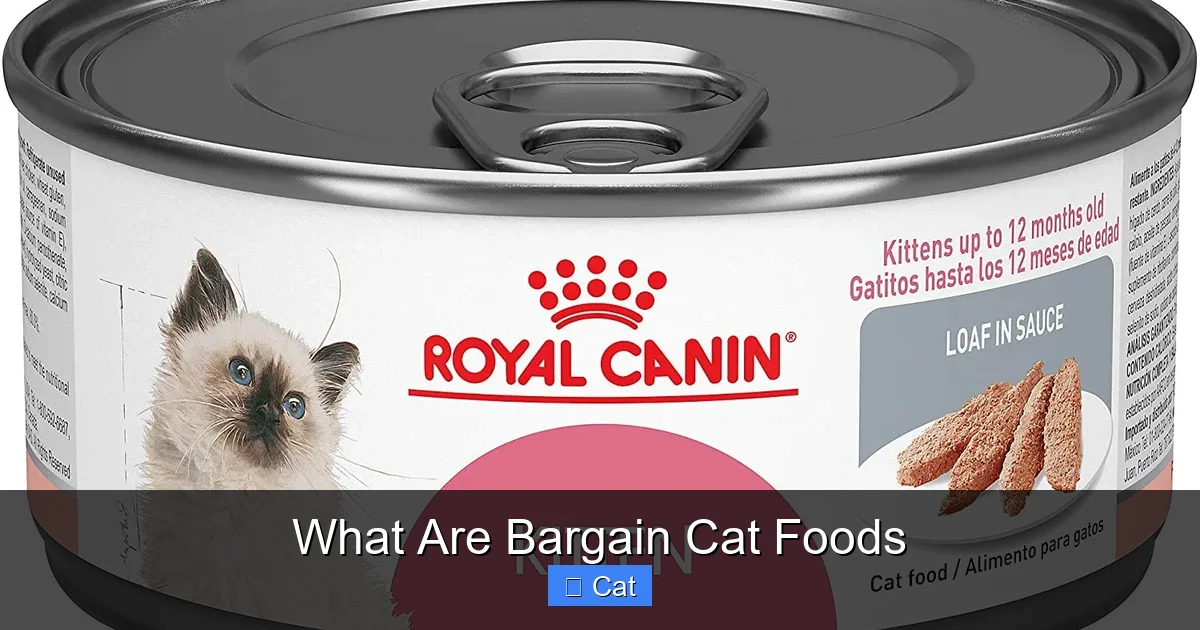
Bargain cat foods are budget-friendly options that still meet essential nutritional standards for feline health. In 2026, these foods have evolved with better ingredients and transparency, making it easier than ever to feed your cat well on a tight budget. With smart shopping and label reading, you can find quality meals that don’t compromise on protein, vitamins, or safety.
If you’ve ever stood in the pet food aisle, staring at the price tags and wondering how to feed your cat without maxing out your credit card, you’re not alone. In 2026, the cost of living is still climbing, and pet owners are looking for smarter ways to care for their furry companions. That’s where bargain cat foods come in—not as a compromise, but as a practical, informed choice. These are cat foods that deliver solid nutrition at a lower price point, often without sacrificing quality. Think of them as the “value menu” of feline nutrition: reliable, accessible, and increasingly sophisticated.
But here’s the truth: “bargain” doesn’t have to mean “cheap” in the bad sense. In fact, many budget-friendly cat foods today are formulated with real meat, essential fatty acids, and added vitamins—just like their pricier counterparts. The difference often lies in packaging, marketing, and brand recognition. While premium brands spend millions on celebrity endorsements and glossy ads, bargain brands focus on delivering nutrition efficiently. And with more pet owners becoming label-savvy, the gap between high-end and budget cat food is narrowing fast.
Key Takeaways
- Bargain cat foods are affordable but not necessarily low-quality: Many budget brands now use real meat, avoid fillers, and meet AAFCO standards.
- Price doesn’t always reflect nutrition: Some expensive brands use marketing over substance, while cheaper options offer balanced formulas.
- Look for key ingredients like animal protein first: Chicken, turkey, or fish should be the first listed ingredient, not corn or soy.
- Store brands and private labels are often underrated: Retailers like Costco, Walmart, and Petco offer high-value cat food lines with solid nutrition.
- Wet vs. dry matters for value: Wet food can be more hydrating and palatable, but dry food offers convenience and dental benefits—choose based on your cat’s needs.
- Subscription and bulk buying save money: Auto-ship programs and warehouse clubs reduce per-can or per-pound costs significantly.
- Always check for recalls and sourcing transparency: Even budget brands should disclose ingredient origins and manufacturing practices.
📑 Table of Contents
- What Defines a Bargain Cat Food in 2026?
- Ingredients to Look for in Bargain Cat Foods
- Top Bargain Cat Food Brands in 2026
- Wet vs. Dry: Which Bargain Option Is Best?
- How to Save Even More on Bargain Cat Food
- Are Bargain Cat Foods Safe? Addressing Common Concerns
- Final Thoughts: Feeding Your Cat Well Without Overspending
What Defines a Bargain Cat Food in 2026?
So, what exactly makes a cat food a “bargain” in today’s market? It’s not just about the price tag. A true bargain cat food offers a strong balance of affordability, nutritional value, and ingredient quality. In 2026, consumers are more educated than ever, and pet food companies have responded by improving their formulations—even at lower price points.
One key factor is the shift toward transparency. Many budget brands now clearly list their ingredient sources, manufacturing locations, and nutritional guarantees. You’ll find labels like “Made in the USA,” “No artificial preservatives,” and “Grain-free options” appearing even on economy lines. This is a big change from just a few years ago, when bargain foods were often associated with mystery meats and fillers.
Another defining trait is the use of named animal proteins. Instead of vague terms like “meat by-products” or “poultry meal,” many bargain brands now list “chicken meal” or “turkey liver” as primary ingredients. This gives pet owners more confidence that their cat is getting real, digestible protein—not just bulk from plant-based sources.
Price vs. Value: Understanding the Real Cost
It’s easy to assume that a higher price means better quality, but that’s not always true. In 2026, several premium brands have been caught overcharging for formulas that are nearly identical to budget options. For example, a $50 bag of “gourmet” dry food might contain the same protein percentage and similar ingredients as a $20 bag from a store brand—just with a fancier label.
The real value in bargain cat food comes from knowing what to look for. A good rule of thumb: if the first ingredient is a named meat (like “salmon” or “chicken”), and the food meets AAFCO (Association of American Feed Control Officials) standards for complete and balanced nutrition, it’s likely a solid choice—even if it costs less.
How Bargain Brands Are Improving
The pet food industry has seen a major shift in recent years, driven by consumer demand for better ingredients at fair prices. Bargain brands have responded by reformulating their products, cutting out unnecessary additives, and sourcing higher-quality proteins. Some have even partnered with veterinary nutritionists to ensure their recipes support long-term health.
For instance, brands like Kirkland Signature (Costco), Pure Balance (Walmart), and WholeHearted (Petco) now offer grain-free, high-protein formulas that rival premium names. These lines often include taurine, omega-3 fatty acids, and probiotics—nutrients essential for heart, eye, and digestive health.
Ingredients to Look for in Bargain Cat Foods

Visual guide about What Are Bargain Cat Foods
Image source: catlifedaily.com
When shopping for bargain cat foods, it’s crucial to read the label carefully. Not all low-cost options are created equal, and some may still use fillers or artificial ingredients. But with a little know-how, you can spot the winners.
High-Quality Animal Protein
Cats are obligate carnivores, which means they need animal-based protein to thrive. The best bargain cat foods list a named meat as the first ingredient—such as “chicken,” “turkey,” or “salmon.” Avoid foods that start with corn, wheat, or soy, as these are plant-based fillers that offer little nutritional value to cats.
Look for terms like “chicken meal” or “turkey meal”—these are concentrated forms of meat that provide high protein content. While “by-products” can be controversial, some are actually nutritious (like liver or heart). The key is transparency: if the brand specifies “chicken liver” instead of “poultry by-products,” that’s a good sign.
Healthy Fats and Oils
Fats are essential for a shiny coat, healthy skin, and energy. Bargain cat foods should include sources like chicken fat, fish oil, or flaxseed. These provide omega-3 and omega-6 fatty acids, which support immune function and reduce inflammation.
Avoid foods with generic “animal fat” or “vegetable oil” listed without specifics. These can be low-quality or even rancid. Instead, opt for brands that name their fat sources clearly.
Added Vitamins and Minerals
Even budget cat foods should be fortified with essential nutrients. Look for taurine (critical for heart and vision), vitamin E, vitamin B12, and calcium. These are often added during processing to ensure the food meets AAFCO standards.
Some bargain brands go a step further by including probiotics for digestive health or antioxidants like blueberries and cranberries. While not always necessary, these extras can boost your cat’s overall wellness.
Minimal Fillers and Artificial Additives
Fillers like corn gluten meal, brewers rice, or cellulose add bulk but little nutrition. While small amounts are acceptable, they shouldn’t dominate the ingredient list. Similarly, avoid artificial colors, flavors, and preservatives like BHA, BHT, or ethoxyquin. These have been linked to health issues in pets over time.
Instead, look for natural preservatives like mixed tocopherols (a form of vitamin E) or rosemary extract. These keep the food fresh without harmful chemicals.
Top Bargain Cat Food Brands in 2026
The market for affordable cat food has never been better. In 2026, several brands stand out for their combination of price, quality, and transparency. Here are some of the top performers:
Kirkland Signature (Costco)
Kirkland’s Nature’s Domain line offers grain-free, high-protein formulas made with real chicken or salmon. Priced at around $1.50 per pound, it’s one of the best values on the market. The food is manufactured in the USA, meets AAFCO standards, and includes probiotics and omega fatty acids.
Many veterinarians recommend Kirkland for pet owners on a budget. One user shared, “My two cats have been on Kirkland for three years. Their coats are shiny, they’re active, and their vet says they’re in perfect health.”
Pure Balance (Walmart)
Available exclusively at Walmart, Pure Balance offers both wet and dry options with real meat as the first ingredient. Their grain-free salmon and potato formula is a favorite among cat owners. At under $1 per can for wet food and $1.20 per pound for dry, it’s hard to beat.
The brand also avoids artificial colors and preservatives, and their packaging clearly lists sourcing and nutritional info. One reviewer noted, “I was skeptical at first, but my picky eater loves it, and I love the price.”
WholeHearted (Petco)
Petco’s in-house brand has stepped up its game in 2026. WholeHearted offers limited-ingredient diets, grain-free options, and even raw-inspired freeze-dried formulas—all at budget-friendly prices. Their chicken and turkey recipe is particularly popular, with real meat and no fillers.
The brand also emphasizes sustainability, using recyclable packaging and sourcing ingredients responsibly. “It’s great to see a store brand that cares about both pets and the planet,” said one customer.
9Lives (Walmart and major retailers)
A long-standing budget favorite, 9Lives has improved its formulas in recent years. While not grain-free, their classic chicken and salmon varieties use real meat and include taurine and essential vitamins. At around $0.70 per can, it’s one of the most affordable options.
Best for: cats with no dietary sensitivities and owners who need ultra-low-cost feeding. Just be sure to supplement with wet food occasionally for hydration.
Friskies (Purina)
Another veteran brand, Friskies offers a wide range of wet and dry foods at low prices. Their “Saver Pack” cans are especially cost-effective, often under $0.60 each. While some formulas include by-products, many now feature real chicken or fish as the primary ingredient.
Friskies also offers flavor variety, which can help prevent picky eating. “My cat gets bored easily, but Friskies keeps him interested,” said one owner.
Wet vs. Dry: Which Bargain Option Is Best?
One of the biggest decisions cat owners face is whether to feed wet, dry, or a mix of both. When it comes to bargain cat foods, the choice can impact both cost and health.
The Case for Wet Food
Wet food is generally more expensive per ounce than dry, but it offers significant benefits. It’s higher in moisture, which helps prevent urinary tract issues and supports kidney health—especially important for older cats. Wet food is also more palatable, making it ideal for picky eaters or cats with dental problems.
In the bargain category, wet food can still be affordable. Brands like Pure Balance and WholeHearted offer multi-can packs for under $1 per can. Buying in bulk or using subscription services can reduce costs even further.
The Advantages of Dry Food
Dry food wins on convenience and cost. It’s easy to store, doesn’t spoil quickly, and can be left out for free-feeding. It’s also better for dental health, as the crunchy texture helps reduce plaque buildup.
Bargain dry foods like Kirkland and 9Lives offer great value, often under $1.50 per pound. Just be sure to provide plenty of fresh water, as dry food has low moisture content.
Mixing It Up: The Best of Both Worlds
Many experts recommend a combination of wet and dry food. For example, feed wet food in the morning for hydration and dry food at night for convenience. This approach balances nutrition, cost, and practicality.
A sample budget plan:
– Morning: 1 can of Pure Balance wet food ($0.90)
– Evening: 1/2 cup of Kirkland dry food ($0.30)
Total daily cost: ~$1.20 per cat
Over a month, that’s about $36—significantly less than premium brands, which can cost $60 or more.
How to Save Even More on Bargain Cat Food
Even with low prices, there are smart ways to stretch your pet food budget further in 2026.
Buy in Bulk
Warehouse clubs like Costco, Sam’s Club, and BJ’s offer the best prices on large bags and multi-can packs. A 30-pound bag of Kirkland dry food costs around $45—just $1.50 per pound. Compare that to $2.50+ per pound at regular pet stores.
Use Subscription Services
Auto-ship programs from Chewy, Amazon, and Petco offer discounts of 10–15% on recurring orders. Plus, you’ll never run out. Set it and forget it—your cat’s food arrives on schedule, and you save money.
Watch for Sales and Coupons
Retailers often run promotions on pet food, especially during holidays or back-to-school seasons. Sign up for store loyalty programs to get alerts and exclusive deals. Apps like Flipp or Honey can help you find digital coupons.
Consider Store Brands
As mentioned, store brands like Kirkland, Pure Balance, and WholeHearted offer excellent value. They’re often manufactured by the same companies that produce premium brands—just without the branding markup.
Rotate Proteins to Prevent Allergies
Feeding the same food every day can lead to sensitivities. Rotate between chicken, turkey, salmon, and duck formulas to keep your cat’s diet diverse and reduce allergy risks. Many bargain brands offer variety packs, making this easy and affordable.
Are Bargain Cat Foods Safe? Addressing Common Concerns
Some pet owners worry that low-cost cat food might be unsafe or nutritionally inadequate. In 2026, these concerns are largely outdated—thanks to stricter regulations and better manufacturing practices.
Recalls and Quality Control
All pet food sold in the U.S. must meet FDA and AAFCO standards. While recalls can happen at any price point, bargain brands are no more likely to be recalled than premium ones. In fact, many store brands undergo rigorous testing and quality checks.
To stay safe, always check the FDA’s recall database and sign up for alerts. Choose brands that are transparent about their sourcing and manufacturing.
Long-Term Health Impact
Studies show that cats fed balanced diets—regardless of price—live longer, healthier lives. The key is consistency and nutrition, not brand name. As long as the food meets AAFCO standards and includes high-quality protein, your cat can thrive on a budget diet.
Veterinarians increasingly recommend affordable options. Dr. Lisa Tran, a feline specialist in Austin, says, “I see more pets than ever on store-brand foods, and their bloodwork is just as good as those on premium diets. It’s about reading labels, not price tags.”
Final Thoughts: Feeding Your Cat Well Without Overspending
In 2026, feeding your cat a healthy, balanced diet doesn’t have to drain your wallet. Bargain cat foods have come a long way, offering real nutrition at prices that fit any budget. With a little research and smart shopping, you can provide your feline friend with meals that support their health, energy, and happiness.
The secret is knowing what to look for: real meat as the first ingredient, minimal fillers, added nutrients, and transparency from the manufacturer. Brands like Kirkland, Pure Balance, and WholeHearted prove that affordability and quality can go hand in hand.
So the next time you’re in the pet food aisle, don’t let the price tag fool you. A bargain cat food isn’t a compromise—it’s a smart choice for you and your cat.
Frequently Asked Questions
Are bargain cat foods safe for kittens?
Yes, many bargain cat foods offer kitten-specific formulas that meet AAFCO growth standards. Look for labels that say “complete and balanced for kittens” and include high protein and DHA for brain development.
Can I feed my senior cat bargain food?
Absolutely. Several budget brands offer senior formulas with joint support, lower phosphorus, and added fiber. Just ensure the food is appropriate for your cat’s age and health needs.
Do bargain cat foods cause allergies?
Not necessarily. Allergies are more related to specific ingredients (like chicken or grains) than price. If your cat has sensitivities, choose limited-ingredient bargain foods and rotate proteins.
Is it okay to mix bargain and premium cat food?
Yes, mixing foods can provide variety and balance. Just transition gradually to avoid digestive upset, and ensure both foods meet nutritional standards.
How can I tell if a bargain cat food is high quality?
Check the ingredient list: real meat should be first, and fillers should be minimal. Also, verify that the food meets AAFCO standards and is made by a reputable manufacturer.
Where can I buy the best bargain cat foods?
Top retailers include Costco, Walmart, Petco, and online stores like Chewy and Amazon. Look for store brands and bulk deals to maximize savings.