
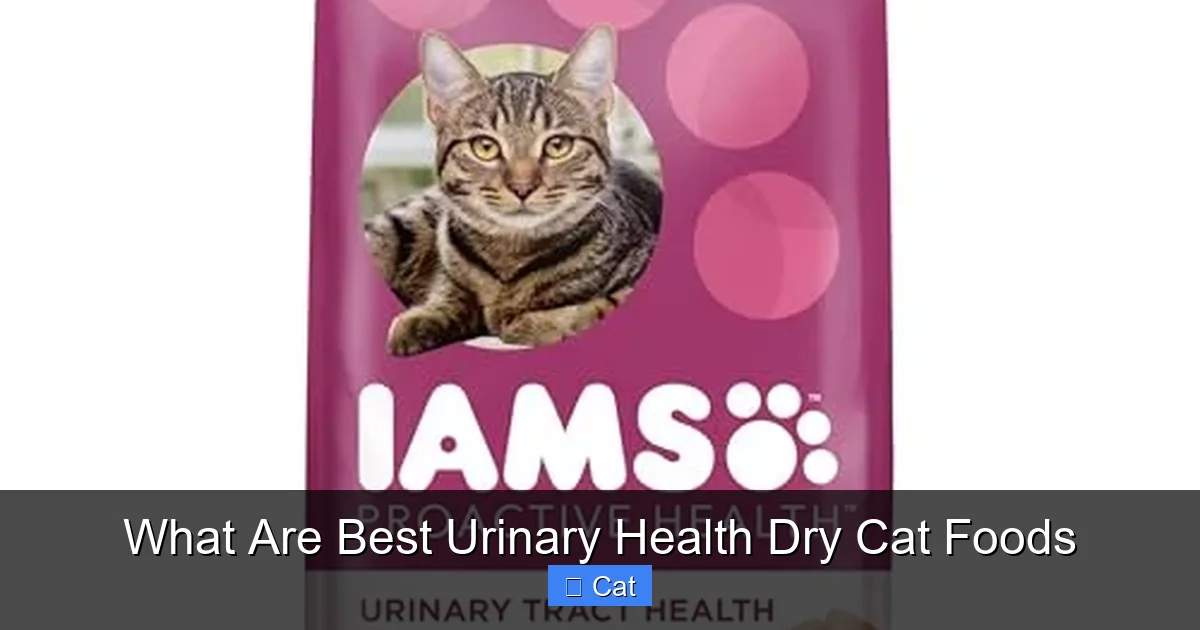
Choosing the right dry cat food for urinary health is essential for preventing common feline urinary issues like crystals, infections, and blockages. In 2026, top brands have advanced their formulas with science-backed ingredients that promote hydration, balanced pH, and optimal mineral levels—keeping your cat healthy from the inside out.
Key Takeaways
- Hydration is key: Even dry food can support urinary health when formulated to encourage water intake and mimic natural moisture levels.
- Controlled mineral content: The best urinary health dry foods limit magnesium, phosphorus, and calcium to reduce crystal formation.
- Balanced pH levels: These foods help maintain a slightly acidic urine pH (6.2–6.4), which discourages struvite and calcium oxalate crystals.
- Added moisture-boosting ingredients: Look for formulations with broth powders, prebiotics, and fiber to support kidney and bladder function.
- Veterinary-approved formulas: Many top brands now offer prescription-grade or vet-recommended dry options available over the counter.
- High-protein, low-carb focus: Mimicking a cat’s natural diet reduces metabolic stress and supports overall urinary tract health.
- Regular monitoring matters: Even with the best food, annual vet checkups and urine tests help catch issues early.
📑 Table of Contents
- Why Urinary Health Matters for Cats in 2026
- How Dry Cat Food Can Support Urinary Health
- Top Ingredients to Look for in Urinary Health Dry Cat Foods
- Best Urinary Health Dry Cat Foods of 2026
- How to Transition Your Cat to a New Urinary Health Food
- Common Mistakes to Avoid
- The Future of Urinary Health Cat Food
- Conclusion
Why Urinary Health Matters for Cats in 2026
Cats are naturally prone to urinary tract issues, and in 2026, veterinarians are seeing a rise in diet-related urinary problems—even among younger cats. Unlike dogs, cats have a unique physiology that makes them especially vulnerable to conditions like feline lower urinary tract disease (FLUTD), urinary crystals, and bladder stones. These issues aren’t just uncomfortable—they can become life-threatening if a blockage occurs, particularly in male cats.
The good news? Nutrition plays a powerful role in prevention. While wet food has long been recommended for urinary health due to its high moisture content, advances in dry food technology now make it possible to support bladder and kidney function—even with kibble. In 2026, the best urinary health dry cat foods combine science, palatability, and convenience to help cat parents protect their pets without sacrificing ease of feeding.
How Dry Cat Food Can Support Urinary Health

Visual guide about What Are Best Urinary Health Dry Cat Foods
Image source: thesprucepets.com
You might be wondering: how can dry food, which typically contains only 6–10% moisture, possibly help with urinary health? The answer lies in modern formulation techniques and a deeper understanding of feline nutrition. Today’s top urinary health dry cat foods are engineered to do more than just fill your cat’s belly—they actively support internal balance.
Moisture-Mimicking Ingredients
While dry food can’t match the water content of wet food, many 2026 formulations include ingredients that help increase your cat’s overall hydration. For example, some brands add dehydrated bone broth or chicken stock powder to kibble, which not only enhances flavor but also encourages drinking. Others incorporate moisture-retaining fibers like psyllium husk or beet pulp, which help slow digestion and improve water absorption in the gut.
pH-Balancing Formulas
One of the most critical factors in urinary health is urine pH. When urine becomes too alkaline (above 6.6), struvite crystals can form. When it’s too acidic (below 6.0), calcium oxalate crystals may develop. The best urinary health dry cat foods are carefully balanced to maintain a slightly acidic pH—typically between 6.2 and 6.4—which helps prevent both types of crystals. This is achieved through controlled mineral levels and the inclusion of acidifying agents like DL-methionine.
Reduced Mineral Load
Excess magnesium, phosphorus, and calcium in a cat’s diet can contribute to crystal and stone formation. In 2026, leading pet food manufacturers have refined their recipes to minimize these minerals without compromising nutrition. For instance, some brands use highly digestible protein sources like chicken meal or hydrolyzed fish protein, which reduce the mineral waste passed into the urine. Others add potassium citrate, which not only helps regulate pH but also inhibits calcium oxalate crystal growth.
Top Ingredients to Look for in Urinary Health Dry Cat Foods
Not all dry cat foods are created equal—especially when it comes to urinary support. In 2026, the most effective formulas include a combination of targeted ingredients that work together to promote bladder health. Here’s what to look for on the label:
High-Quality Animal Protein
Cats are obligate carnivores, meaning they thrive on animal-based proteins. Look for foods where real meat, poultry, or fish is listed as the first ingredient. High-protein diets help maintain lean muscle mass and reduce the workload on the kidneys. In 2026, brands like Purina Pro Plan Veterinary Diets, Hill’s Science Diet, and Royal Canin have introduced dry formulas with over 40% crude protein from named sources like chicken, turkey, or salmon.
Controlled Magnesium and Phosphorus
Magnesium is a key component of struvite crystals, while excess phosphorus can strain the kidneys over time. The best urinary health dry foods keep magnesium levels below 0.1% and phosphorus under 1.0% on a dry matter basis. For senior cats or those with early kidney concerns, even lower phosphorus levels (around 0.6–0.8%) are ideal.
Added Omega-3 Fatty Acids
Omega-3s, particularly EPA and DHA from fish oil, have anti-inflammatory properties that can soothe the urinary tract lining and reduce irritation. In 2026, many urinary health formulas now include at least 0.5% omega-3 fatty acids. Some premium brands go further, adding flaxseed or algae oil for a plant-based boost.
Prebiotics and Probiotics
A healthy gut microbiome supports overall immunity and can indirectly benefit urinary health. Prebiotics like FOS (fructooligosaccharides) and MOS (mannanoligosaccharides) feed beneficial gut bacteria, while probiotics like Enterococcus faecium help maintain a balanced digestive system. These ingredients are now standard in many vet-recommended dry foods.
Antioxidants and Immune Support
Vitamins E and C, along with compounds like lutein and taurine, help strengthen your cat’s immune system and protect cells from oxidative stress. This is especially important for cats recovering from urinary infections or those prone to recurrent issues.
Best Urinary Health Dry Cat Foods of 2026
With so many options on the market, it can be overwhelming to choose the right food. Based on veterinary recommendations, customer reviews, and clinical studies from 2025–2026, here are some of the top-performing urinary health dry cat foods available today.
Hill’s Prescription Diet c/d Multicare Urinary Care
This vet-trusted formula has been a leader in urinary health for years, and the 2026 version includes enhanced moisture-support technology. It features controlled magnesium, low phosphorus, and added potassium citrate to maintain optimal urine pH. The kibble is also designed to encourage water intake, with a porous texture that absorbs broth easily. Many cat owners report fewer urinary episodes after switching to c/d Multicare.
Royal Canin Urinary SO
Royal Canin’s Urinary SO is specifically designed to dissolve struvite stones and prevent recurrence. It includes a precise blend of proteins and minerals, along with a unique kibble shape that promotes chewing and saliva production—both of which can help flush the urinary tract. In 2026, the brand introduced a new “Hydra+” coating that releases flavor when wet, encouraging cats to drink more.
Purina Pro Plan Veterinary Diets UR Urinary Ox/St
This dual-action formula targets both struvite and calcium oxalate crystals. It’s rich in high-quality protein, low in magnesium, and includes added omega-3s for inflammation control. The 2026 update includes a prebiotic blend to support gut health, which veterinarians say can reduce the risk of secondary infections.
Blue Buffalo Natural Veterinary Diet W+U Weight Management + Urinary Care
Ideal for overweight cats with urinary concerns, this formula combines weight management with urinary support. It uses L-carnitine to help burn fat and includes controlled minerals and pH-balancing ingredients. The kibble is also high in fiber to promote satiety and healthy digestion.
Wellness CORE Grain-Free Urinary Health Formula
For pet parents who prefer non-prescription options, Wellness CORE offers a vet-approved dry food that supports urinary health without a prescription. It’s made with real turkey, contains no grains or fillers, and includes cranberry extract—a natural compound that may help prevent bacteria from adhering to the bladder wall.
How to Transition Your Cat to a New Urinary Health Food
Switching your cat to a new diet—especially one designed for urinary health—should be done gradually to avoid digestive upset. Here’s a step-by-step guide based on 2026 veterinary best practices:
Start Slowly (Days 1–3)
Mix 25% of the new food with 75% of the old food. Monitor your cat’s appetite, stool quality, and water intake. Some cats may be hesitant at first, especially if the new kibble has a different texture or smell.
Increase Gradually (Days 4–7)
Move to a 50/50 mix. This is a good time to observe your cat’s reaction. If they’re eating well and showing no signs of digestive issues, you can proceed. If they seem disinterested, try warming the food slightly or adding a small amount of low-sodium chicken broth to enhance aroma.
Complete the Transition (Days 8–10)
Shift to 75% new food and 25% old. By day 10, your cat should be eating 100% of the new urinary health formula. Continue to monitor for any changes in litter box habits, energy levels, or coat condition.
Encourage Hydration
Even with the best dry food, hydration is crucial. Place multiple water bowls around the house, use a cat water fountain, or offer wet food as a topper a few times a week. Some cats prefer running water, so a dripping faucet or pet fountain can make a big difference.
Common Mistakes to Avoid
Even with the right food, certain habits can undermine your cat’s urinary health. Here are some common pitfalls to watch out for in 2026:
Ignoring Water Intake
Dry food alone won’t solve hydration issues. Cats naturally have a low thirst drive, so it’s up to you to encourage drinking. Avoid placing water bowls near litter boxes or food, as cats prefer clean, separate areas.
Overfeeding Treats
High-calorie treats can disrupt the nutritional balance of urinary health foods. Limit treats to no more than 10% of your cat’s daily caloric intake, and choose ones that support urinary health—like freeze-dried meat treats with added cranberry.
Skipping Vet Checkups
No food can replace regular veterinary care. Annual urine tests and physical exams help catch early signs of urinary disease, even if your cat seems healthy. In 2026, many vets offer at-home urine collection kits to make testing easier.
Assuming All “Urinary Health” Labels Are Equal
Not every product labeled “urinary health” is backed by science. Look for foods that specify pH control, mineral levels, and clinical testing. Prescription diets are often more rigorously formulated, but some over-the-counter options are also vet-recommended.
The Future of Urinary Health Cat Food
As we move further into 2026, the pet food industry continues to innovate. Researchers are exploring new ways to support feline urinary health, including:
– **Smart kibble technology:** Kibble that changes color or releases nutrients when it detects abnormal urine pH.
– **Probiotic-enhanced formulas:** Targeted strains that colonize the urinary tract and prevent bacterial adhesion.
– **Personalized nutrition:** DNA-based diets tailored to a cat’s genetic predisposition to urinary issues.
While these advancements are still emerging, the core principles remain the same: high-quality protein, controlled minerals, balanced pH, and hydration support. By choosing the right dry food and maintaining a healthy lifestyle, you can significantly reduce your cat’s risk of urinary problems.
Conclusion
Urinary health is one of the most important aspects of your cat’s overall well-being, and in 2026, dry cat food has evolved to play a vital role in prevention. The best urinary health dry cat foods combine science-backed ingredients, palatable flavors, and practical benefits to support bladder and kidney function—even without high moisture content.
By focusing on controlled minerals, pH balance, high-quality protein, and hydration support, these foods help reduce the risk of crystals, infections, and blockages. Brands like Hill’s, Royal Canin, Purina, and Wellness are leading the way with innovative formulas that cater to both prescription and over-the-counter needs.
Remember, no single food is a magic cure. Pair your chosen diet with plenty of fresh water, regular vet visits, and a stress-free environment for the best results. With the right care, your cat can enjoy a long, healthy life—free from urinary troubles.
Frequently Asked Questions
Can dry cat food really help with urinary health?
Yes, modern dry cat foods formulated for urinary health can significantly reduce the risk of crystals and infections by controlling mineral levels, balancing pH, and encouraging hydration—even without high moisture content.
How often should I feed my cat urinary health dry food?
Feed according to your cat’s weight, age, and activity level, as directed on the packaging. Most cats do well with two measured meals per day, but free-feeding is acceptable if portion control is maintained.
Is it safe to feed urinary health food to healthy cats?
Yes, many urinary health formulas are safe for long-term use in healthy cats, especially those with a history of urinary issues or breed predispositions (like Persians or Siamese).
Should I switch to wet food instead?
Wet food is excellent for hydration, but it’s not always practical. The best approach is a combination: use urinary health dry food as the base and supplement with wet food or broth a few times a week.
How long does it take to see improvements?
Most cats show improved urine pH and reduced crystal formation within 4–6 weeks of consistent feeding. However, ongoing management is key to long-term success.
Can kittens eat urinary health dry food?
No, urinary health formulas are designed for adult cats. Kittens have different nutritional needs, so choose a growth-specific diet until they’re at least 12 months old.