
Carbohydrates in cat food are often misunderstood. While cats are obligate carnivores and don’t require carbs, many commercial diets include them for energy, texture, and cost. In 2026, informed pet parents are choosing smarter carb sources and lower-carb options to support optimal feline health.
Key Takeaways
- Cats are obligate carnivores: Their bodies are designed to thrive on animal-based proteins and fats, not carbohydrates.
- Carbs aren’t essential but can be used: While not a dietary requirement, cats can digest and use some carbohydrates for energy when properly processed.
- Common carb sources in cat food: Ingredients like rice, corn, potatoes, peas, and tapioca are frequently used as fillers, binders, or energy sources.
- High-carb diets may pose risks: Excessive carbohydrates can contribute to obesity, diabetes, and digestive issues in cats, especially sedentary ones.
- Look for quality over quantity: Choose cat foods with minimal, highly digestible carbs from whole food sources rather than refined starches or by-products.
- 2026 trends favor low-carb, high-protein diets: Premium and veterinary-recommended brands are shifting toward grain-free, ancestral-style formulas that mimic a cat’s natural diet.
- Always consult your vet: Individual cats have unique needs—especially those with health conditions—so professional guidance is key when evaluating carb content.
📑 Table of Contents
- Understanding Carbohydrates in Cat Food: A 2026 Guide for Pet Parents
- What Are Carbohydrates, and Why Are They in Cat Food?
- Do Cats Need Carbohydrates?
- Common Carbohydrate Sources in Cat Food (and What to Look For)
- The 2026 Shift: Low-Carb, High-Protein Diets Are Leading the Way
- How to Choose the Right Cat Food in 2026
- Conclusion: Carbs Aren’t the Enemy—But Moderation Matters
Understanding Carbohydrates in Cat Food: A 2026 Guide for Pet Parents
If you’ve ever flipped over a bag of cat food and scanned the ingredient list, you’ve probably noticed words like “brown rice,” “peas,” “potato,” or “tapioca.” These are all sources of carbohydrates—and they’re everywhere in commercial cat food. But here’s the big question: do cats actually need carbs? And if not, why are they in so many products?
In 2026, pet nutrition science has advanced significantly, and we now have a clearer picture of how carbohydrates function in a cat’s diet. While cats are biologically wired to thrive on meat, the inclusion of carbohydrates in their food isn’t just a marketing gimmick—it’s a complex balance of nutrition, processing, economics, and pet parent expectations. This guide will walk you through everything you need to know about carbohydrates in cat food, from their biological role to how to make smarter choices for your furry friend.
Let’s start with the basics: what exactly are carbohydrates, and why do they show up in your cat’s dinner bowl?
What Are Carbohydrates, and Why Are They in Cat Food?
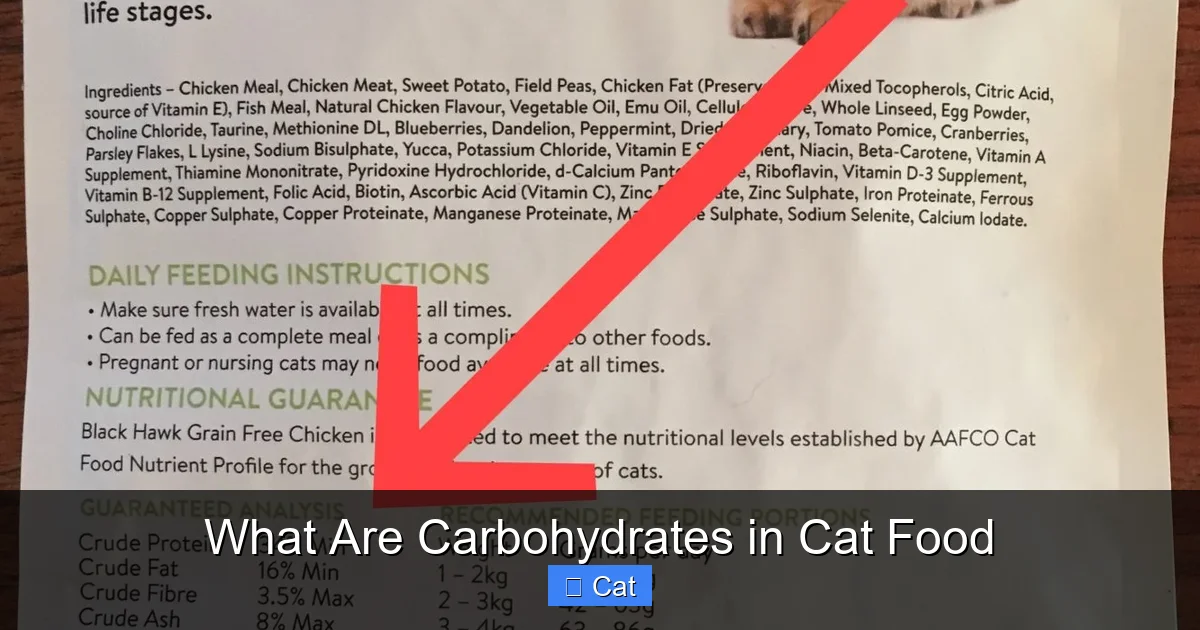
Visual guide about What Are Carbohydrates in Cat Food
Image source: walkervillevet.com.au
Carbohydrates are organic compounds made up of sugars, starches, and fibers. In human food, they’re often celebrated as a primary energy source—think bread, pasta, and fruit. But for cats, the story is different.
Cats are obligate carnivores. That means their bodies are evolutionarily designed to get nearly all their energy and nutrients from animal tissue. Unlike dogs or humans, cats lack certain enzymes needed to efficiently process large amounts of plant-based materials. Their digestive systems are short and acidic, optimized for breaking down protein and fat—not fermenting fiber or digesting complex starches.
So why do manufacturers add carbs to cat food?
There are several practical reasons:
First, carbohydrates are cheap. Meat is expensive, and pet food companies often use carbs to bulk up formulas while keeping costs down. This is especially true in lower-tier or mass-market brands.
Second, carbs help with food processing. Dry kibble, for example, requires starches to hold its shape during extrusion. Without some form of carbohydrate, the kibble would crumble. Ingredients like corn, rice, or potato starch act as natural binders.
Third, carbs provide a quick source of glucose. While cats don’t need dietary carbs, their bodies can convert protein into glucose through a process called gluconeogenesis. However, in some cases—especially for active cats or those with high energy needs—carbs can offer a faster energy boost.
Finally, some pet parents believe that “grain-free” or “high-carb” diets are healthier, and manufacturers respond to consumer demand. But as we’ll explore, not all carbs are created equal—and more isn’t always better.
Types of Carbohydrates in Cat Food
Not all carbohydrates are the same. In cat food, you’ll typically encounter three main types:
1. Simple Carbohydrates (Sugars): These include ingredients like beet pulp, molasses, or even added sugars. They’re quickly absorbed and can spike blood glucose levels. While small amounts may be used for palatability or fermentation, excessive sugars are a red flag.
2. Complex Carbohydrates (Starches): These are long chains of sugar molecules that break down more slowly. Common sources include corn, wheat, rice, barley, oats, potatoes, sweet potatoes, peas, and lentils. These are the most common carb sources in dry cat food because they help with kibble formation and provide moderate energy.
3. Dietary Fiber: Found in ingredients like cellulose, pumpkin, psyllium, or beet pulp, fiber is a type of carbohydrate that cats can’t fully digest. However, it plays a crucial role in gut health by promoting regular bowel movements and feeding beneficial gut bacteria. Soluble fiber (like that in pumpkin) can also help manage diarrhea, while insoluble fiber adds bulk to stool.
Understanding these categories helps you evaluate whether a carb source is beneficial or just filler.
Do Cats Need Carbohydrates?
The short answer? No—cats do not require carbohydrates in their diet to survive.
Unlike humans, who need carbs for brain function and energy, cats have evolved to rely almost entirely on protein and fat for fuel. Their livers are constantly running gluconeogenesis, a metabolic process that converts amino acids from protein into glucose. This means they can meet their glucose needs without ever eating a single carb.
In fact, studies from veterinary nutritionists in the early 2020s confirmed that cats can maintain healthy blood sugar levels on carb-free diets, as long as they’re getting adequate high-quality protein.
So why the confusion?
Part of the issue is marketing. Many pet food labels highlight “grain-free” or “low-carb” as selling points, implying that carbs are inherently bad. But the truth is more nuanced. While cats don’t need carbs, they can tolerate and even benefit from small amounts—especially if those carbs come from digestible, whole-food sources.
For example, a small portion of cooked sweet potato or pumpkin can provide fiber and trace nutrients without spiking insulin levels. But a diet loaded with corn gluten meal or rice flour? That’s a different story.
The Risks of High-Carb Diets for Cats
Feeding your cat a diet high in carbohydrates—especially refined or poorly digestible ones—can lead to several health problems:
Obesity: Carbs are calorie-dense and can contribute to weight gain, especially in indoor or less active cats. Excess glucose is stored as fat, and over time, this can lead to obesity—a major risk factor for other diseases.
Diabetes Mellitus: Cats are prone to type 2 diabetes, and high-carb diets are a known contributing factor. Repeated spikes in blood sugar can wear down the pancreas and lead to insulin resistance. In fact, veterinary clinics in 2026 report that over 60% of diabetic cats are overweight and fed high-carb dry food.
Dental Issues: While dry kibble was once thought to help clean teeth, recent research shows that sticky starches can actually adhere to teeth and promote plaque buildup. High-carb diets may indirectly contribute to periodontal disease.
Gut Imbalance: A sudden shift to a high-carb diet can disrupt the gut microbiome. Cats have a unique gut flora adapted to a meat-based diet. Too many fermentable carbs can lead to gas, bloating, or diarrhea.
Reduced Protein Intake: When carbs make up a large portion of a cat’s diet, they may be displacing high-quality animal protein. This can lead to muscle loss, poor coat condition, and weakened immunity over time.
That said, not all carbs are harmful. The key is balance, quality, and individual needs.
Common Carbohydrate Sources in Cat Food (and What to Look For)
When reading a cat food label, it’s important to know which carb sources are beneficial and which are just fillers. Here’s a breakdown of common ingredients you’ll see in 2026 cat food formulas:
Grains
Corn: One of the most controversial ingredients. Corn provides energy and helps bind kibble, but it’s low in essential nutrients and can be hard for some cats to digest. Corn gluten meal, a by-product, is even less digestible and often used as a cheap protein substitute—despite being a carb source.
Rice (White or Brown): Easily digestible and gentle on the stomach. White rice is often used in sensitive or recovery diets. Brown rice contains more fiber and nutrients but may be harder to digest for some cats.
Oats and Barley: These whole grains offer fiber, B vitamins, and slow-releasing energy. They’re generally well-tolerated and can be a good option in moderation.
Wheat: Less common due to allergy concerns, but still found in some formulas. Wheat gluten is sometimes used as a protein booster, but it’s not a high-quality source and can trigger sensitivities.
Legumes and Pulses
Peas and Lentils: Popular in grain-free diets, these provide protein, fiber, and starch. They’re generally safe in moderate amounts but can be hard to digest in large quantities. Some studies have raised concerns about legumes and heart health (specifically dilated cardiomyopathy, or DCM), though the link in cats is less clear than in dogs.
Chickpeas and Pea Protein: Used as thickeners or protein enhancers. While they add texture and nutrients, they’re still carbohydrate-rich and should not dominate the ingredient list.
Tubers and Root Vegetables
Potatoes and Sweet Potatoes: Excellent sources of complex carbs, fiber, and vitamins like A and C. Sweet potatoes, in particular, are nutrient-dense and have a lower glycemic index than white potatoes, meaning they cause a slower rise in blood sugar.
Tapioca: A starch extracted from cassava root. It’s grain-free, gluten-free, and highly digestible. Often used as a binder in premium kibble. While it provides energy, it’s low in nutrients, so it’s best used in small amounts.
Other Carb Sources
Pumpkin: Low in calories and high in soluble fiber. Great for digestive health and often included in formulas for cats with constipation or diarrhea.
Beet Pulp: A by-product of sugar beet processing. It’s a source of fermentable fiber that supports gut health. Contrary to myths, it’s not sugar—it’s mostly fiber and is safe in moderation.
Flaxseed and Chia: While primarily known for omega-3 fatty acids, these seeds also contain fiber and some carbohydrates. They’re nutritious additions in small amounts.
What to Look for on the Label
When evaluating carb content, don’t just look for the word “carbohydrate.” Instead, scan the ingredient list:
– Animal protein should come first: Look for named meats like “chicken,” “salmon,” or “turkey” as the first ingredient.
– Limit grain and starch fillers: If you see multiple carb sources listed early (e.g., corn, rice, potato, pea), the food may be too high in carbs.
– Check the guaranteed analysis: While not required to list carb content, you can estimate it by subtracting protein, fat, moisture, and ash from 100%. A rough guide: under 10% is low-carb, 10–20% is moderate, and over 20% is high.
– Prefer whole foods over by-products: “Sweet potato” is better than “potato starch.” “Brown rice” is better than “rice flour.”
The 2026 Shift: Low-Carb, High-Protein Diets Are Leading the Way
In 2026, the pet food industry is undergoing a significant transformation. Pet parents are more informed than ever, and demand for biologically appropriate nutrition is driving innovation.
Leading the charge are low-carb, high-protein diets that mimic a cat’s natural prey-based diet. These formulas typically contain:
– 40–50% animal protein
– 15–25% fat
– Less than 10% carbohydrates (often from fiber-rich vegetables)
Brands like Stella & Chewy’s, Ziwi Peak, and Smalls have gained popularity for their raw, freeze-dried, and fresh-cooked options that minimize carbs and maximize meat content.
Even traditional kibble manufacturers are reformulating. Companies like Royal Canin and Hill’s now offer “metabolic” or “weight management” diets with reduced starch and increased protein to support lean muscle mass.
Raw and Fresh Food Trends
Raw feeding continues to grow, with more pet parents choosing homemade or commercially prepared raw diets. These diets are naturally low in carbs—often under 5%—and high in moisture, which supports kidney health.
Fresh food delivery services like Nom Nom and JustFoodForCats have also expanded, offering vet-formulated, gently cooked meals with minimal processing and no unnecessary fillers.
While these options are more expensive, many pet parents find the investment worthwhile for improved energy, coat quality, and digestion.
The Role of Veterinary Nutrition
Veterinary nutritionists in 2026 emphasize individualized feeding plans. For example:
– Diabetic cats: Benefit from very low-carb diets (under 5%) to stabilize blood sugar.
– Obese cats: Do well on high-protein, moderate-fat, low-carb formulas that promote satiety and fat loss.
– Kittens and active cats: May tolerate slightly higher carbs for energy, but still need protein as the foundation.
Your vet can help determine the ideal macronutrient balance for your cat’s age, weight, activity level, and health status.
How to Choose the Right Cat Food in 2026
With so many options on the market, how do you pick the best food for your cat?
Here’s a practical checklist:
1. Prioritize animal protein: The first ingredient should be a named meat (e.g., “deboned chicken”), not a meal or by-product.
2. Minimize carb fillers: Avoid foods where grains or starches dominate the top five ingredients.
3. Look for digestible carb sources: If carbs are included, choose whole foods like pumpkin, sweet potato, or oats over refined flours or by-products.
4. Consider your cat’s lifestyle: Indoor, sedentary cats need fewer carbs than active outdoor cats.
5. Read beyond the front label: “Grain-free” doesn’t mean “low-carb.” Many grain-free foods use potatoes or peas as starch substitutes.
6. Transition slowly: If switching to a lower-carb diet, do it gradually over 7–10 days to avoid digestive upset.
7. Monitor your cat’s response: Watch for changes in weight, energy, coat quality, and litter box habits. These are the best indicators of whether a diet is working.
Sample Meal Plan: Low-Carb Options for 2026
Here’s what a balanced, low-carb day might look like for an average adult cat:
– Morning: 1/2 can of high-protein wet food (e.g., Tiki Cat Luau or Weruva Cats in the Kitchen)
– Evening: 1/4 cup of freeze-dried raw kibble (e.g., Primal Freeze-Dried Nuggets) rehydrated with water
– Occasional treat: Small piece of cooked chicken or a freeze-dried meat snack (avoid carb-heavy treats like dental chews with starch)
This approach provides high moisture, high protein, and minimal carbohydrates—closer to what your cat would eat in the wild.
Conclusion: Carbs Aren’t the Enemy—But Moderation Matters
Carbohydrates in cat food are a hot topic in 2026, and for good reason. While cats don’t need carbs to thrive, they can coexist in a balanced diet—especially when those carbs come from high-quality, digestible sources.
The key takeaway? Focus on the whole picture. A food with a small amount of sweet potato or oats is very different from one loaded with corn and rice flour. Prioritize animal protein, minimize fillers, and choose foods that support your cat’s unique needs.
As pet nutrition continues to evolve, one thing remains clear: cats are carnivores first. Their bodies are built for meat, and their diets should reflect that. By understanding the role of carbohydrates—and making informed choices—you can help your feline friend live a longer, healthier, and more vibrant life.
Frequently Asked Questions
Do cats need carbohydrates in their diet?
No, cats do not require carbohydrates to survive. As obligate carnivores, they get all the energy and nutrients they need from animal-based proteins and fats. Their bodies can produce glucose from protein, so dietary carbs are not essential.
Are grain-free cat foods always low in carbohydrates?
Not necessarily. Grain-free foods often replace grains with other starchy ingredients like potatoes, peas, or tapioca, which are still carbohydrates. Always check the ingredient list and estimated carb content to assess the true carb level.
Can high-carb diets cause diabetes in cats?
Yes, high-carb diets—especially those with refined starches—can contribute to obesity and insulin resistance, increasing the risk of type 2 diabetes. Low-carb, high-protein diets are often recommended for diabetic cats.
What are the best carbohydrate sources in cat food?
The best carb sources are digestible and nutrient-rich, such as pumpkin, sweet potato, oats, and peas. These provide fiber and energy without spiking blood sugar. Avoid refined flours and by-products.
Is wet food lower in carbs than dry food?
Generally, yes. Wet food contains more moisture and less starch, making it naturally lower in carbohydrates. Dry kibble requires starches for structure, so it tends to be higher in carbs unless specially formulated.
Should I switch my cat to a raw or fresh food diet?
Raw or fresh diets can be excellent low-carb options, but they require careful planning to ensure nutritional balance. Consult your veterinarian before making the switch, especially if your cat has health conditions.