
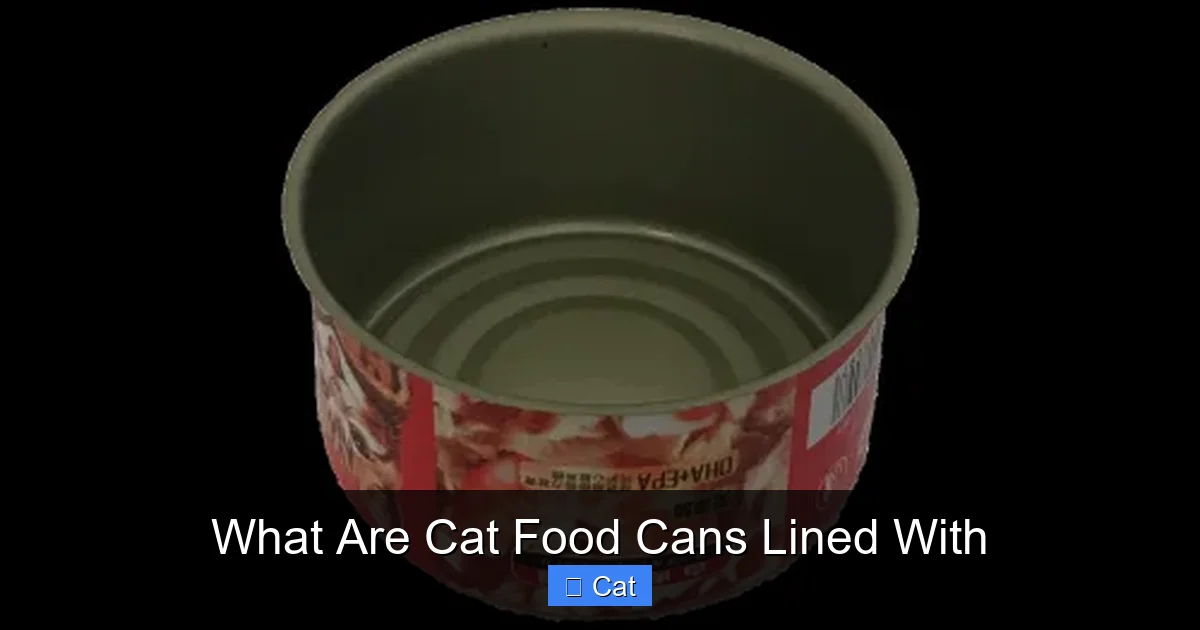
Most cat food cans are lined with food-grade epoxy resins or BPA-free alternatives to prevent metal corrosion and contamination. While modern linings are rigorously tested for safety, concerns about chemical leaching and environmental impact remain—especially as pet owners demand cleaner, greener packaging in 2026.
Key Takeaways
- Cat food cans are lined with protective coatings to stop acidic ingredients from reacting with the metal and compromising food safety.
- BPA and its alternatives are common in can linings, though many brands now use BPA-free epoxy resins like BPS or acrylic coatings.
- Regulatory agencies monitor lining safety, but long-term health effects of certain chemicals are still under scientific review.
- Eco-conscious consumers are driving change toward recyclable, plant-based, or unlined packaging options in 2026.
- Choosing reputable brands matters—look for transparent labeling and third-party safety certifications.
- Proper can recycling helps reduce environmental harm, even when linings complicate the process.
- Fresh and frozen cat food alternatives are growing in popularity as plastic-free, lining-free options.
📑 Table of Contents
Why Are Cat Food Cans Lined in the First Place?
If you’ve ever opened a can of wet cat food and noticed a thin, almost invisible layer inside, you’re not imagining things. That’s the lining—and it plays a crucial role in keeping your cat’s meal safe, fresh, and tasty. But why is it there at all?
The simple answer? Without a lining, the acidic ingredients in wet cat food—like fish, meat, and gravy—would react with the metal of the can. This reaction can cause the can to corrode, leading to leaks, spoilage, and even contamination. Worse, metal particles could end up in your cat’s food, posing serious health risks. The lining acts as a barrier, protecting both the food and the can.
In 2026, pet food manufacturers continue to rely on this protective layer, but the materials used have evolved significantly. Gone are the days when every can was lined with the same chemical compounds. Today’s linings are the result of decades of research, consumer pressure, and stricter safety standards. The goal is the same—preserve food quality—but the methods are becoming cleaner, safer, and more sustainable.
The Science Behind Food Preservation in Metal Cans
Metal cans are excellent for long-term food storage because they’re airtight, durable, and protect against light and oxygen—two major enemies of food freshness. However, the very thing that makes them great (their metal composition) also makes them vulnerable to chemical reactions.
Wet cat food typically has a pH between 4.5 and 6.5, which is mildly to moderately acidic. When acidic foods come into prolonged contact with steel or aluminum, a reaction called corrosion occurs. This can weaken the can, create off-flavors, and even allow harmful metals like iron or aluminum to leach into the food.
To prevent this, manufacturers apply a thin polymer coating—usually just a few micrometers thick—to the interior of the can. This lining creates a non-reactive barrier, ensuring the food stays pure and the can remains intact throughout its shelf life, which can be up to two years or more.
How the Lining Process Works
The lining is applied during the can manufacturing process, long before the food is added. First, the empty cans are cleaned and pre-treated to ensure adhesion. Then, a liquid coating—often an epoxy resin—is sprayed or rolled onto the interior surface. The cans are then baked at high temperatures to cure the coating, forming a hard, durable film.
This process happens at high speed in automated facilities, with quality control checks at every stage. Some manufacturers use multiple layers for extra protection, especially for highly acidic formulas like fish-based diets.
Once the cans are lined and sealed, they’re filled with cat food, vacuum-sealed, and sterilized using heat (retort processing). This ensures the food is shelf-stable and safe from bacteria like *Clostridium botulinum*.
Common Materials Used in Cat Food Can Linings
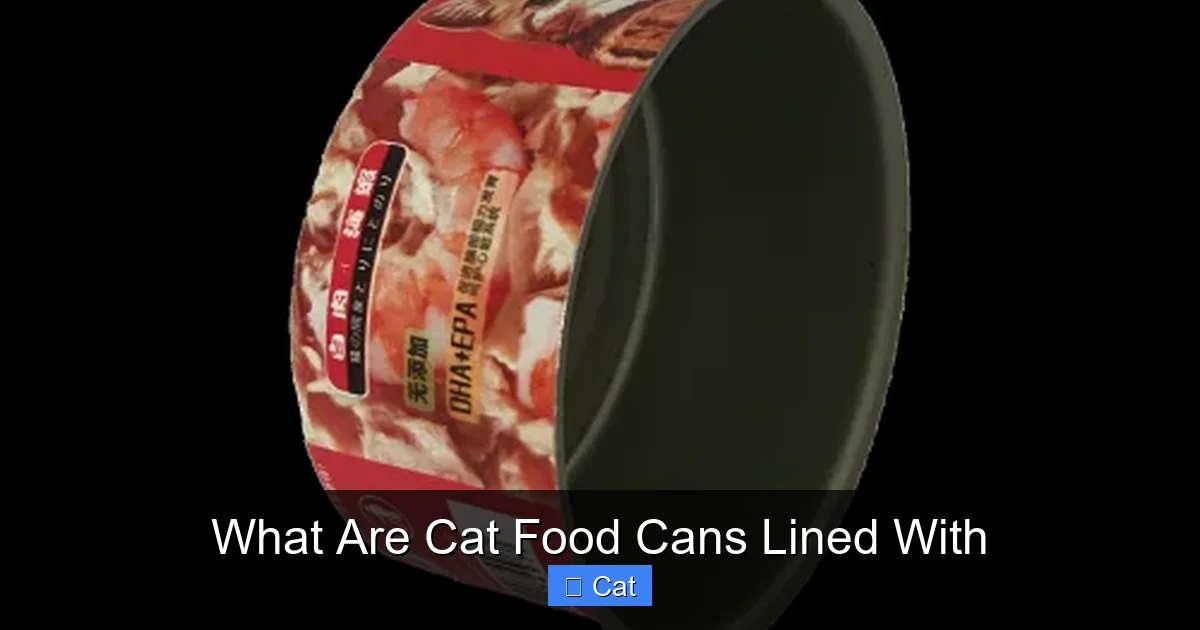
Visual guide about What Are Cat Food Cans Lined With
Image source: ueeshop.ly200-cdn.com
Not all can linings are created equal. Over the years, the materials used have shifted in response to health concerns, environmental awareness, and technological advances. In 2026, you’ll find a mix of traditional and innovative linings on the market.
BPA and BPA-Based Epoxy Resins
For decades, the most common lining material was bisphenol A (BPA), a chemical used to make certain plastics and resins. BPA-based epoxy resins were ideal because they were durable, heat-resistant, and effective at preventing corrosion.
However, BPA became controversial due to its potential endocrine-disrupting effects. Studies in the 2000s and 2010s suggested that even low levels of BPA exposure could interfere with hormone function in animals and humans. While regulatory agencies like the FDA maintained that BPA was safe at current exposure levels, public concern led many pet food companies to seek alternatives.
By 2026, most major cat food brands have phased out BPA in favor of “BPA-free” linings—but that doesn’t mean the new materials are risk-free.
BPA-Free Alternatives: BPS, BPF, and Acrylic Coatings
When BPA fell out of favor, manufacturers turned to chemically similar compounds like bisphenol S (BPS) and bisphenol F (BPF). These are often marketed as “BPA-free,” but research shows they may have similar hormonal effects.
A 2025 study published in *Environmental Health Perspectives* found that BPS and BPF can leach into food under high heat or acidic conditions—just like BPA. While the levels are generally low, the long-term impact on pets is still unclear.
As a result, some forward-thinking brands are moving beyond bisphenols altogether. Acrylic-based linings, for example, are gaining traction. These are made from polymers that don’t contain bisphenols and are considered more stable and less likely to leach chemicals.
Emerging Eco-Friendly Linings
In 2026, sustainability is a top priority for many pet owners. This has spurred innovation in biodegradable and plant-based can linings.
One promising development is the use of polylactic acid (PLA), a bioplastic derived from corn starch or sugarcane. PLA linings are compostable under industrial conditions and don’t rely on petroleum-based chemicals. While still rare in mainstream cat food, a few boutique brands are testing PLA-lined cans with positive results.
Another innovation is the use of water-based epoxy resins. These reduce the need for volatile organic compounds (VOCs) during manufacturing and are less toxic overall. Companies like Open Farm and The Honest Kitchen have started using water-based linings in select product lines.
Unlined Cans: A Growing Trend?
Believe it or not, some companies are experimenting with unlined cans—especially for premium, short-shelf-life products. These cans are made from highly purified aluminum or stainless steel that resists corrosion naturally. The food is processed quickly and sold fresh or frozen, reducing the need for long-term preservation.
While unlined cans eliminate chemical concerns entirely, they’re not yet practical for mass-market wet food due to cost and scalability. However, as demand for clean-label pet food grows, we may see more unlined options in the coming years.
Health and Safety Concerns: Should You Worry?
As a cat parent, it’s natural to wonder: could the lining in your cat’s food can be harming them? The short answer is: probably not—but it’s worth staying informed.
Regulatory Oversight and Safety Standards
In the U.S., the Food and Drug Administration (FDA) regulates food contact materials, including can linings. Any substance used must be approved as a food additive or listed as “Generally Recognized as Safe” (GRAS). The FDA regularly reviews scientific data and updates its guidelines accordingly.
The European Food Safety Authority (EFSA) takes a more precautionary approach. In 2023, EFSA lowered the tolerable daily intake (TDI) for BPA by a factor of 100,000, citing new evidence of immune system effects. This has pushed European manufacturers to adopt stricter standards, which often influence global practices.
In 2026, most cat food cans sold in regulated markets use linings that meet or exceed these safety thresholds. However, enforcement can vary in less-regulated regions, so buying from reputable brands is key.
Leaching: When Do Chemicals Enter the Food?
The main concern with can linings is leaching—the process by which chemicals migrate from the coating into the food. This can happen under certain conditions:
– High acidity (common in fish-based cat foods)
– High heat (during sterilization or storage in hot environments)
– Long shelf life (older cans may degrade over time)
– Physical damage (dents or scratches that compromise the lining)
Studies have detected trace amounts of BPA, BPS, and other compounds in canned pet food. However, the levels are typically well below safety limits. For example, a 2024 study by the University of California found BPA levels in cat food averaged 2.3 parts per billion (ppb)—far below the FDA’s limit of 200 ppb.
That said, cats are smaller and more sensitive than humans, and they may consume canned food daily for years. Cumulative exposure is a valid concern, especially for kittens, seniors, or cats with compromised immune systems.
Real-World Impact on Cat Health
There’s no definitive evidence linking can linings to specific diseases in cats—but that doesn’t mean the risk is zero. Some veterinarians report anecdotal cases of cats with chronic digestive issues or skin conditions improving after switching to fresh or homemade diets.
While these improvements could be due to many factors (ingredients, preservatives, etc.), the lining may play a role. If you’re concerned, consider rotating between wet, dry, and fresh food to reduce reliance on any single packaging type.
Environmental Impact of Cat Food Can Linings
It’s not just about your cat’s health—what happens to the can after use matters too. In 2026, sustainability is a major concern for pet owners, and can linings complicate recycling efforts.
Recycling Challenges with Lined Cans
Most cat food cans are made of steel or aluminum, both of which are highly recyclable. However, the polymer lining can interfere with the recycling process.
In steel recycling, the cans are melted in a furnace. The lining burns off, but it can release harmful fumes if not properly filtered. In aluminum recycling, the lining can contaminate the melt, reducing the quality of the recycled material.
As a result, some recycling facilities reject lined cans or downgrade them to lower-value products. This undermines the environmental benefits of using metal packaging.
The Rise of Recyclable and Compostable Options
To address this, manufacturers are exploring mono-material cans—those made entirely of metal with no lining. These are fully recyclable but currently limited to short-shelf-life products.
Others are investing in linings that break down more easily. For example, some water-based epoxies can be removed during the recycling process using chemical baths. While not yet widespread, these technologies are improving.
Compostable linings like PLA are another solution, but they require industrial composting facilities—not home compost bins. If your city doesn’t offer this service, PLA-lined cans may end up in landfills anyway.
What You Can Do as a Consumer
You don’t have to wait for perfect solutions. Here’s how to reduce your environmental footprint today:
– Rinse cans before recycling to remove food residue and reduce contamination.
– Choose brands that use minimal or eco-friendly linings.
– Support companies with take-back programs or recycling initiatives.
– Consider bulk buying to reduce packaging waste overall.
Every small action adds up—especially when millions of cat owners make the same choice.
How to Choose Safer Cat Food Packaging in 2026
With so many options on the market, how do you pick the safest, most sustainable cat food? Here’s a practical guide for 2026.
Read Labels and Research Brands
Start by checking the packaging. Reputable brands will disclose lining information if they use BPA-free or eco-friendly materials. Look for certifications like:
– **BPA-Free**: Indicates no bisphenol A, but check for BPS/BPF.
– **Non-GMO Project Verified**: Often correlates with cleaner packaging.
– **Recyclable Packaging**: May indicate unlined or easily recyclable cans.
– **Third-Party Tested**: Brands like Open Farm publish lab results for chemical leaching.
Avoid brands that are vague about their packaging. Transparency is a sign of confidence.
Consider Alternative Formats
If you’re worried about can linings, explore other options:
– **Fresh cat food**: Sold in plastic trays or pouches, often refrigerated. No metal, no lining—but check plastic types (avoid PVC and polystyrene).
– **Frozen raw diets**: Packaged in vacuum-sealed bags. Minimal processing, but requires freezer space.
– **Dry kibble in paper bags**: Often lined with plastic, but newer models use compostable films.
– **Tetra Pak cartons**: Used by some premium brands. Made of paper, plastic, and aluminum—recyclable in some areas.
Each format has pros and cons, so choose based on your cat’s needs, your budget, and your values.
Talk to Your Veterinarian
Your vet can help you weigh the risks and benefits based on your cat’s health. For example, cats with kidney disease may benefit from the hydration in wet food—even if it comes in a lined can. Others may do better on a fresh diet.
Don’t make drastic changes without professional advice. Sudden diet shifts can cause digestive upset.
The Future of Cat Food Packaging
As we look ahead, the cat food industry is poised for transformation. Consumer demand for safer, greener packaging is driving innovation at an unprecedented pace.
Innovations on the Horizon
By 2027, we may see:
– **Smart linings** that change color if compromised, alerting owners to potential contamination.
– **Nanocoatings** made from silica or clay that are ultra-thin, non-toxic, and fully recyclable.
– **Edible linings** derived from seaweed or proteins—still in early research but promising.
– **Blockchain tracking** so consumers can scan a can and see exactly what it’s lined with.
These technologies are still emerging, but they reflect a broader shift toward transparency and sustainability.
The Role of Pet Owners in Driving Change
You have more power than you think. By choosing brands that prioritize safety and sustainability, you send a clear message to manufacturers. Social media, reviews, and direct feedback can amplify your voice.
In 2026, pet food companies are listening. Many have sustainability officers and consumer advisory boards. Your concerns matter.
A Balanced Approach
Ultimately, the goal isn’t to eliminate all risk—it’s to make informed choices. Lined cans aren’t perfect, but they’re still one of the safest ways to store wet food. With proper handling, recycling, and brand selection, you can minimize risks while keeping your cat happy and healthy.
Conclusion
So, what are cat food cans lined with? In 2026, the answer is evolving. Most are still lined with food-grade epoxy resins—some containing BPA alternatives like BPS or BPF, others using safer acrylics or water-based coatings. A growing number of brands are experimenting with eco-friendly, compostable, or even unlined options.
While regulatory agencies assure us that current linings are safe at typical exposure levels, ongoing research and consumer demand are pushing the industry toward cleaner, greener solutions. As a pet owner, you can make a difference by choosing transparent brands, recycling properly, and staying informed.
Your cat deserves the best—not just in nutrition, but in packaging too. By understanding what’s inside the can—and what’s lining it—you’re taking a big step toward a healthier, more sustainable future for your furry friend.
Frequently Asked Questions
Are BPA-free cat food cans completely safe?
BPA-free doesn’t always mean risk-free. Many “BPA-free” linings use BPS or BPF, which may have similar health effects. However, current evidence suggests leaching levels are low and within safety limits for most cats.
Can the lining in cat food cans cause cancer?
There’s no conclusive evidence linking can linings to cancer in cats. While some chemicals like BPA are under scrutiny, regulatory agencies maintain that exposure from food packaging is too low to pose a significant risk.
How can I tell if a cat food can is lined with BPA?
Look for labeling such as “BPA-Free” on the package. If it’s not listed, contact the manufacturer. Most reputable brands disclose lining information upon request or on their websites.
Are aluminum cat food cans worse than steel?
Both steel and aluminum cans are lined similarly. Aluminum is lighter and more corrosion-resistant, but both are safe when properly lined. The metal type matters less than the quality of the coating.
Can I recycle cat food cans with linings?
Yes, but rinse them first. Most curbside programs accept steel and aluminum cans, even with linings. The lining burns off during recycling, though it can reduce efficiency. Check with your local facility for guidelines.
Is fresh cat food a better alternative to canned?
Fresh food avoids can linings entirely and often uses cleaner ingredients, but it’s more expensive and perishable. It’s a great option if you can manage storage and cost—but canned food remains a safe, convenient choice for many.