
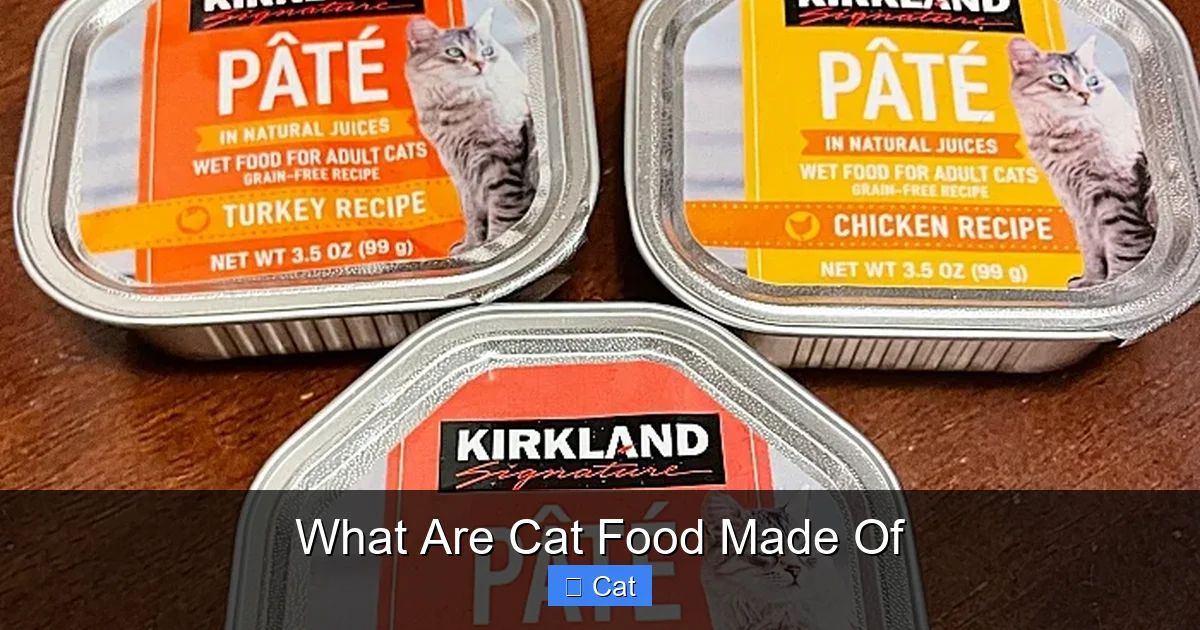
Cat food in 2026 blends high-quality animal proteins, functional superfoods, and eco-conscious ingredients to support your cat’s health and the planet. Whether you’re choosing dry kibble, wet pouches, or fresh meals, understanding the ingredients helps you make smarter, safer choices for your furry companion.
If you’ve ever stared at a bag of cat food, squinted at the ingredient list, and thought, “Wait… what *is* this stuff?”—you’re not alone. In 2026, the world of cat nutrition has evolved far beyond the mysterious brown pellets of the past. Today’s cat food is a carefully crafted blend of science, sustainability, and species-specific needs. Whether you’re feeding a playful kitten, a senior tabby, or a finicky Persian, understanding what goes into your cat’s bowl is more important than ever.
Cats are obligate carnivores, which means their bodies are built to thrive on animal-based proteins. Unlike dogs or humans, they can’t synthesize certain nutrients—like taurine, arachidonic acid, and vitamin A—from plant sources. That’s why high-quality cat food starts with real meat. But it’s not just about protein. Modern formulations also include functional ingredients like probiotics, omega fatty acids, and superfoods to support digestion, coat health, and immune function. And with growing awareness of environmental impact, many brands are rethinking sourcing, packaging, and production methods to be kinder to the planet.
So, what exactly are cat foods made of in 2026? Let’s break it down—ingredient by ingredient, category by category—so you can feel confident every time you open that can or scoop that kibble.
Key Takeaways
- Animal protein is essential: Cats are obligate carnivores, so real meat, poultry, or fish should be the first ingredient in any quality cat food.
- By-products aren’t always bad: Named by-products like “chicken liver” can be nutrient-rich, but vague terms like “meat by-products” may signal lower quality.
- Grains and carbs have a role: While cats don’t need grains, small amounts of digestible carbs like sweet potatoes or oats can support energy and digestion.
- Superfoods are trending: Ingredients like pumpkin, blueberries, and chia seeds are added for antioxidants, fiber, and omega-3s.
- Sustainability matters: In 2026, many brands use insect protein, lab-grown meat, and recyclable packaging to reduce environmental impact.
- Artificial additives are declining: Clean-label foods with no artificial colors, flavors, or preservatives are now widely available and recommended.
- Hydration is key: Wet food helps maintain urinary health, so consider mixing it with dry kibble for balanced nutrition and moisture intake.
📑 Table of Contents
- 1. The Protein Foundation: Meat, Poultry, and Fish
- 2. Carbohydrates and Fillers: Necessary or Not?
- 3. Fats and Oils: The Energy Boosters
- 4. Vitamins, Minerals, and Supplements
- 5. Functional Ingredients and Superfoods
- 6. Sustainability and Ethical Sourcing in 2026
- 7. Wet vs. Dry: What’s in the Can vs. the Bag?
- Conclusion
1. The Protein Foundation: Meat, Poultry, and Fish
At the heart of every great cat food is animal protein. In 2026, top-tier brands prioritize named, high-quality sources like “deboned chicken,” “wild-caught salmon,” or “turkey meal.” These ingredients provide the essential amino acids cats need to build muscle, maintain energy, and support vital organ function.
Why Real Meat Matters
Cats require a diet rich in animal protein because their metabolism is designed to process meat efficiently. Unlike omnivores, they have a limited ability to digest plant matter. That’s why the first ingredient on the label should always be a specific animal protein—not a vague term like “meat” or “animal digest.”
For example, a premium wet food might list “chicken broth, chicken, chicken liver, and salmon” as its top ingredients. This tells you the food is primarily made from real animal tissue, not fillers or by-products. In contrast, a budget brand might lead with “corn gluten meal” or “meat by-products,” which are less digestible and nutritionally incomplete.
Understanding Meat Meals and By-Products
You’ve probably seen terms like “chicken meal” or “beef by-products” on labels and wondered what they mean. Let’s clear the confusion.
Meat meal is rendered animal tissue that’s been cooked to remove moisture and fat. It’s highly concentrated in protein and often used in dry kibble to boost nutritional value. “Chicken meal” is generally a good sign—it’s made from clean, slaughtered chicken parts (excluding feathers, beaks, and intestines). However, “meat meal” without a named source can include anything from cows to horses, so it’s less trustworthy.
By-products are the non-muscle parts of animals, such as liver, kidneys, lungs, and blood. While some people dismiss them as “leftovers,” named by-products like “chicken liver” are actually nutrient-dense and highly digestible. In fact, organ meats are rich in vitamins A, D, E, and B-complex—essential for your cat’s health. The key is specificity: “turkey heart” is far better than “poultry by-products.”
The Rise of Alternative Proteins
In 2026, sustainability is shaping the future of pet food. Traditional livestock farming has a significant environmental footprint, so innovative brands are turning to alternative protein sources.
Insect protein—particularly from black soldier fly larvae—is gaining traction. It’s rich in protein, low in environmental impact, and highly sustainable. Brands like Yora and Jiminy’s now offer kibble made with cricket or mealworm meal, appealing to eco-conscious pet parents.
Lab-grown meat is another breakthrough. Companies like Because Animals and Meatable are developing cultured chicken and rabbit meat using animal cells, eliminating the need for slaughter. While still niche and pricey, these products offer a cruelty-free, low-emission alternative that’s expected to grow in availability by 2027.
2. Carbohydrates and Fillers: Necessary or Not?

Visual guide about What Are Cat Food Made Of
Image source: m.media-amazon.com
Cats don’t *need* carbohydrates in their diet, but that doesn’t mean all carbs are bad. In 2026, the best cat foods use small amounts of digestible carbohydrates to provide energy, aid digestion, and improve texture—especially in dry kibble.
Common Carbohydrate Sources
You’ll often see ingredients like sweet potatoes, peas, lentils, oats, and brown rice in modern cat food. These are chosen for their low glycemic index and high fiber content, which help regulate blood sugar and support gut health.
For example, a grain-free kibble might use chickpeas and tapioca as binders instead of corn or wheat. While cats can’t digest large amounts of starch, small quantities are manageable—especially when cooked properly. Some brands even use resistant starches that act as prebiotics, feeding beneficial gut bacteria.
The Grain Debate
Grain-free diets were all the rage a few years ago, but in 2026, the consensus is more nuanced. The FDA investigated a potential link between grain-free diets and dilated cardiomyopathy (DCM) in dogs, but cats are less affected. Still, experts recommend caution.
Grains like rice, barley, and oats are not inherently harmful. In fact, they’re easily digestible and provide energy. The issue arises when grains are used as cheap fillers in low-quality foods. Look for whole grains rather than processed flours or by-products.
That said, some cats have grain sensitivities or allergies. If your cat shows signs like itchy skin, ear infections, or digestive upset, a grain-free or limited-ingredient diet may help. Always consult your vet before making major dietary changes.
Fiber and Digestive Health
Fiber is crucial for healthy digestion, especially in indoor cats prone to hairballs and constipation. Ingredients like pumpkin, psyllium husk, and beet pulp add soluble and insoluble fiber to promote regular bowel movements.
Pumpkin, in particular, is a favorite in 2026 formulations. It’s low in calories, high in moisture, and packed with beta-carotene. Many wet foods now include a spoonful of pureed pumpkin to support urinary and digestive health.
3. Fats and Oils: The Energy Boosters
Fats are a concentrated source of energy for cats and play a vital role in absorbing fat-soluble vitamins (A, D, E, K). They also keep your cat’s coat shiny and skin healthy.
Animal Fats vs. Plant Oils
The best cat foods use animal-based fats like chicken fat, salmon oil, or duck fat. These provide essential fatty acids, including arachidonic acid, which cats can’t produce on their own.
Plant oils like flaxseed oil, sunflower oil, and coconut oil are also common. While they offer omega-3 and omega-6 fatty acids, cats aren’t as efficient at converting plant-based ALA (alpha-linolenic acid) into the active forms (EPA and DHA) found in fish oil. That’s why marine-sourced omega-3s are preferred.
The Omega Balance
A healthy ratio of omega-6 to omega-3 fatty acids is important—ideally around 5:1 to 10:1. Too much omega-6 (common in poultry fat and corn oil) can promote inflammation, while adequate omega-3s support brain function, joint health, and immune response.
Look for foods that list “fish oil” or “krill oil” as ingredients. These are rich in EPA and DHA and are more bioavailable for cats. Some brands even add algae oil, a vegan source of DHA, for sustainability.
Coconut Oil and Medium-Chain Triglycerides (MCTs)
Coconut oil has gained popularity for its MCT content, which may support cognitive function and energy metabolism. While not essential, small amounts can be beneficial—especially for senior cats or those with neurological concerns. However, it should never replace primary fat sources.
4. Vitamins, Minerals, and Supplements
Even the best whole-food ingredients may not provide every nutrient in the right balance. That’s why commercial cat foods are fortified with vitamins and minerals.
Essential Nutrients for Cats
Cats have unique nutritional needs. Here are a few key ones:
– **Taurine**: An amino acid critical for heart health, vision, and reproduction. Deficiency can lead to blindness and heart disease.
– **Arachidonic Acid**: An omega-6 fatty acid found only in animal tissues. Essential for skin, coat, and inflammatory response.
– **Vitamin A**: Cats can’t convert beta-carotene from plants into active vitamin A, so they need preformed retinol from liver or supplements.
– **Vitamin D**: Unlike humans, cats can’t synthesize vitamin D from sunlight. It must come from their diet.
– **Calcium and Phosphorus**: Important for bone health, but the ratio must be balanced (ideally 1:1 to 2:1).
How Supplements Are Added
Most cat foods use synthetic vitamins and minerals to ensure consistency and shelf stability. For example, taurine is often added as “taurine (synthetic)” or “L-taurine.” While “natural” sources are preferred by some, synthetic forms are chemically identical and safe.
Some brands now use whole-food concentrates—like dehydrated liver or kelp—to provide natural sources of vitamins and minerals. These are often found in fresh or freeze-dried foods.
Probiotics and Prebiotics
Gut health is a major focus in 2026. Many cat foods now include probiotics (live beneficial bacteria) and prebiotics (fiber that feeds them) to support digestion and immunity.
Common probiotic strains include *Enterococcus faecium* and *Bifidobacterium animalis*. These can help reduce diarrhea, improve stool quality, and enhance nutrient absorption—especially after antibiotics or dietary changes.
Prebiotics like FOS (fructooligosaccharides) and MOS (mannan oligosaccharides) are often derived from chicory root or yeast. They’re not digested by the cat but serve as food for good bacteria in the gut.
5. Functional Ingredients and Superfoods
Beyond basic nutrition, many cat foods in 2026 include functional ingredients designed to target specific health concerns.
Antioxidant-Rich Superfoods
Ingredients like blueberries, cranberries, spinach, and kale are added for their antioxidant properties. These compounds help combat oxidative stress, which is linked to aging, cancer, and chronic disease.
Cranberries, in particular, are popular for urinary health. They contain proanthocyanidins that may prevent bacteria from adhering to the bladder wall, reducing the risk of UTIs.
Joint Support Ingredients
For older cats or breeds prone to arthritis, foods may include glucosamine, chondroitin, and green-lipped mussel. These support cartilage health and reduce inflammation.
Green-lipped mussel, native to New Zealand, is rich in omega-3s and glycosaminoglycans. It’s become a staple in senior and joint-support formulas.
Hairball and Digestive Aids
Ingredients like psyllium husk, cellulose, and beet pulp help move hair through the digestive tract, reducing hairball formation. Some foods also include enzymes like amylase and lipase to improve digestion.
Immune Boosters
Beta-glucans (from yeast or mushrooms), colostrum, and vitamin E are often added to enhance immune function. These are especially beneficial for kittens, seniors, or cats with chronic conditions.
6. Sustainability and Ethical Sourcing in 2026
Pet parents in 2026 care not just about their cat’s health, but also about the planet. As a result, sustainability is a major factor in cat food production.
Eco-Friendly Packaging
Many brands now use recyclable, compostable, or reusable packaging. For example, some wet food pouches are made from plant-based materials, and kibble bags are shifting to paper or biodegradable films.
Responsible Sourcing
Look for certifications like MSC (Marine Stewardship Council) for fish, or AAFCO statements confirming ethical sourcing. Some companies publish transparency reports detailing where their ingredients come from.
Reducing Food Waste
Innovative brands are using “upcycled” ingredients—like spent grain from breweries or imperfect vegetables—to reduce waste. These ingredients are safe, nutritious, and environmentally friendly.
7. Wet vs. Dry: What’s in the Can vs. the Bag?
The form of cat food affects its ingredient profile and nutritional impact.
Wet Food Ingredients
Wet food typically contains 70–85% water, making it ideal for hydration. It often features whole chunks of meat, gravy, or broth. Because it’s less processed, it may retain more natural nutrients.
Common ingredients include:
– Meat or fish as the first ingredient
– Broth or stock (chicken, beef, fish)
– Gelling agents like carrageenan or guar gum (controversial but generally safe in small amounts)
– Natural flavors (often derived from meat or yeast)
Dry Food Ingredients
Dry kibble is more calorie-dense and convenient, but it requires more processing. To bind the ingredients, manufacturers often use starches like corn, wheat, or potatoes.
Look for:
– High animal protein content
– Minimal fillers
– Added taurine and other essential nutrients
– Natural preservatives like mixed tocopherols (vitamin E)
Which Is Better?
Both have pros and cons. Wet food supports urinary health and hydration, while dry food is cost-effective and helps with dental health (though not as much as once believed). Many vets recommend a combination of both.
Conclusion
In 2026, cat food is more advanced, transparent, and tailored than ever. From real meat and functional superfoods to sustainable sourcing and ethical production, today’s formulations reflect a deep understanding of feline biology and environmental responsibility.
When choosing cat food, focus on high-quality animal protein, minimal fillers, and added nutrients that support your cat’s specific needs. Read labels carefully, avoid vague terms, and consider your cat’s age, activity level, and health status.
Remember, the best diet is one your cat enjoys and thrives on. Whether it’s a gourmet wet meal, a crunchy kibble, or a fresh paté, what matters most is that it’s made with care—for your cat and the planet.
Frequently Asked Questions
What should be the first ingredient in cat food?
The first ingredient should be a named animal protein like “chicken,” “salmon,” or “turkey.” This ensures your cat gets the high-quality protein they need as obligate carnivores.
Are by-products in cat food bad?
Not necessarily. Named by-products like “chicken liver” are nutritious and safe. Avoid vague terms like “meat by-products,” which may include low-quality or unspecified sources.
Can cats eat grains?
Yes, in moderation. Cats don’t require grains, but small amounts of digestible grains like oats or rice can provide energy and fiber. Avoid foods where grains are the main ingredient.
Is grain-free cat food better?
Not always. Grain-free diets are fine for most cats, but they’re not inherently healthier. Focus on overall ingredient quality rather than grain content alone.
What are the benefits of wet cat food?
Wet food provides essential hydration, supports urinary health, and is often more palatable. It’s especially beneficial for cats who don’t drink enough water.
Are artificial preservatives in cat food dangerous?
Some, like BHA and BHT, have raised health concerns. In 2026, many brands use natural preservatives like vitamin E (mixed tocopherols) or rosemary extract, which are safer and equally effective.