
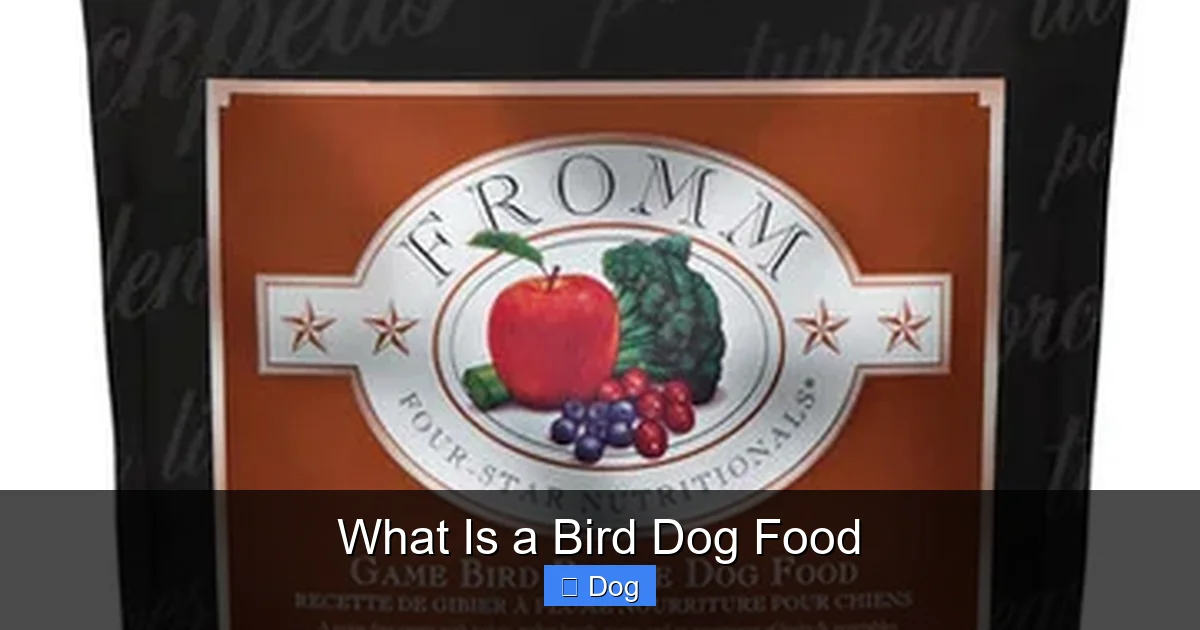
Bird dog food is a specialized diet designed for sporting and hunting dogs that work in the field. It’s packed with high-quality protein, healthy fats, and essential nutrients to support endurance, muscle recovery, and overall health during demanding outdoor activities.
Key Takeaways
- Bird dog food is tailored for active breeds: It supports high energy needs, muscle function, and stamina for dogs used in hunting, pointing, or retrieving game birds.
- High protein and fat content: These diets typically contain 25–30% protein and 15–20% fat to fuel intense physical activity and aid in recovery.
- Designed for working dogs, not just pet dogs: While any dog can eat it, bird dog food is formulated for dogs with elevated caloric and nutritional demands.
- Supports joint and coat health: Ingredients like glucosamine, omega-3 fatty acids, and antioxidants help maintain mobility and a healthy skin and coat.
- Not all bird dog foods are equal: Look for whole meat as the first ingredient, avoid fillers like corn and soy, and choose formulas based on your dog’s size and activity level.
- Can benefit non-hunting active dogs: Agility, search-and-rescue, or highly energetic pets may also thrive on this nutrient-dense food.
- Transition gradually: Always introduce bird dog food slowly to avoid digestive upset, especially if switching from a standard kibble.
📑 Table of Contents
What Is a Bird Dog Food?
If you’ve ever watched a pointer lock onto a quail hidden in tall grass or a retriever leap into icy water to fetch a downed duck, you’ve seen the incredible athleticism of a bird dog in action. These dogs aren’t just pets—they’re working athletes. And like any athlete, they need the right fuel to perform at their best. That’s where bird dog food comes in.
Bird dog food is a specialized type of dog food formulated specifically for sporting breeds and hunting dogs that spend long hours in the field. Whether they’re flushing pheasants, tracking grouse, or retrieving ducks, these dogs burn massive amounts of energy. Standard dog food simply doesn’t cut it when it comes to meeting their nutritional needs. Bird dog food is designed to deliver concentrated nutrition—high in protein and healthy fats—to support endurance, muscle development, and rapid recovery.
But it’s not just for dogs with a job. Many pet owners with highly active dogs—think Border Collies, Australian Shepherds, or even energetic Labradors—find that bird dog food helps their pups stay lean, strong, and full of vitality. It’s a performance diet, plain and simple, built for dogs that live life at full throttle.
Who Needs Bird Dog Food?

Visual guide about What Is a Bird Dog Food
Image source: yogajala.com
Not every dog needs bird dog food, but many can benefit from it—especially those with high energy demands. Let’s break down who this food is really made for.
Hunting and Sporting Dogs
This is the most obvious group. Breeds like English Pointers, German Shorthaired Pointers, Labrador Retrievers, and Setters are bred for endurance and precision in the field. A hunting dog might work for 6–8 hours straight in rough terrain, often in extreme weather. During that time, they’re running, swimming, and using their senses at peak capacity. Bird dog food provides the sustained energy they need without causing a sugar crash or digestive discomfort.
For example, a Labrador used for duck hunting in the winter needs extra calories to stay warm and maintain stamina in cold water. Bird dog food with higher fat content helps insulate the body and provides long-lasting fuel. Similarly, a Pointer covering miles of open field needs lean muscle support and joint protection—both of which are addressed in quality bird dog formulas.
Agility and Performance Dogs
Even if your dog isn’t chasing birds, they might still be a candidate for bird dog food. Agility competitors, flyball stars, and search-and-rescue dogs all push their bodies to the limit. These dogs benefit from the same high-octane nutrition that hunting dogs rely on. The protein helps repair microtears in muscles after intense training, while the fats support brain function and sustained energy.
Take a Border Collie competing in national agility trials. This dog might run 10–15 courses in a single weekend, each requiring explosive speed and sharp focus. Feeding a standard maintenance diet could leave them sluggish or prone to fatigue. Switching to a bird dog formula can enhance performance and reduce recovery time.
High-Energy Pet Dogs
Not all active dogs have a formal job, but that doesn’t mean they don’t need extra support. Some dogs are just naturally wired to move. If your dog can’t sit still, loves long hikes, or seems to have endless energy, they might thrive on bird dog food. It’s especially helpful for young, growing dogs or those in their prime (ages 2–6) who are still building muscle and burning calories at a high rate.
For instance, a young Australian Shepherd that spends weekends hiking, swimming, and playing fetch for hours may outpace a typical adult dog food’s calorie and nutrient delivery. Bird dog food can help maintain ideal body condition and prevent weight loss due to overexertion.
Key Ingredients in Bird Dog Food
So what makes bird dog food different from regular kibble? It all comes down to the ingredients. These formulas are built with performance in mind, so every component serves a purpose.
High-Quality Animal Protein
Protein is the foundation of any performance diet. Bird dog food typically contains 25% to 30% protein—significantly higher than the 18–22% found in standard adult dog food. The best formulas list a named meat source (like chicken, duck, or salmon) as the first ingredient. This ensures your dog is getting complete amino acids necessary for muscle repair, immune function, and enzyme production.
For example, a formula with deboned chicken as the primary ingredient provides lean, digestible protein. Some brands also include meat meals (like chicken meal or lamb meal), which are concentrated sources of protein with most of the water removed. While some pet owners are wary of “meal,” it’s actually a highly nutritious ingredient when sourced from reputable suppliers.
Healthy Fats for Energy and Coat Health
Fat is the most energy-dense nutrient, providing more than twice the calories of protein or carbohydrates. Bird dog food often contains 15% to 20% fat, compared to 10–15% in regular dog food. This extra fat fuels long days in the field and helps maintain a shiny, healthy coat.
Look for sources like chicken fat, salmon oil, or flaxseed. These provide essential fatty acids, particularly omega-3 and omega-6, which reduce inflammation, support brain health, and promote skin and coat condition. For a dog working in cold or wet environments, a rich fat content also helps with thermoregulation.
Complex Carbohydrates for Sustained Energy
While protein and fat are the stars, carbohydrates still play a role—especially for dogs that need steady energy over many hours. Bird dog food often includes complex carbs like sweet potatoes, oats, or brown rice. These digest slowly, preventing blood sugar spikes and crashes.
Avoid formulas that rely heavily on corn, wheat, or soy. These are often used as cheap fillers and can cause allergies or digestive issues in some dogs. Instead, opt for grain-inclusive or grain-free options with digestible starches that support gut health.
Joint and Mobility Support
Active dogs put a lot of stress on their joints. Bird dog food often includes supplements like glucosamine, chondroitin, and MSM to support cartilage health and reduce the risk of arthritis. These ingredients are especially important for larger breeds or dogs that jump, run, or work on uneven terrain.
Antioxidants like vitamin E, vitamin C, and selenium are also common. They help combat oxidative stress caused by intense physical activity and support the immune system.
Digestive Health Boosters
Even the best nutrition won’t help if your dog can’t absorb it. Many bird dog foods include probiotics, prebiotics, and fiber sources like beet pulp or pumpkin to support a healthy gut. This is crucial for dogs that may eat on the go or experience stress during hunting trips.
For example, a dog that’s nervous before a hunt might have an upset stomach. A formula with added probiotics can help maintain digestive balance and ensure nutrients are properly absorbed.
Benefits of Feeding Bird Dog Food
Switching to bird dog food can have a noticeable impact on your dog’s health, behavior, and performance. Here’s what you can expect.
Increased Stamina and Endurance
One of the most immediate benefits is improved energy levels. Dogs fed bird dog food often show greater stamina during long outings. They’re less likely to tire quickly or need frequent breaks. This is especially important for hunting dogs that may cover 10–15 miles in a single day.
A field trial dog, for instance, might maintain focus and speed throughout a 6-hour competition, thanks to the steady energy release from high-quality fats and proteins. Pet owners report that their dogs seem “more alert” and “ready to go” even after a full day of activity.
Lean Muscle Mass and Strength
The high protein content supports muscle development and repair. Active dogs are constantly breaking down and rebuilding muscle fibers. Without adequate protein, they can lose muscle mass, become weaker, or take longer to recover.
Feeding bird dog food helps maintain a lean, athletic physique. You’ll notice firmer muscles, better definition, and improved agility. This is especially beneficial for older dogs that may be losing muscle due to age or reduced activity.
Healthy Skin and Shiny Coat
The omega fatty acids in bird dog food promote a soft, glossy coat and reduce dryness or flakiness. Dogs that spend time in water or rough terrain often have rougher skin, but a diet rich in healthy fats can make a big difference.
Owners often comment that their dog’s coat looks healthier within a few weeks of switching. Less shedding and fewer skin irritations are common side benefits.
Improved Recovery Time
After a long day in the field, your dog needs to bounce back quickly. Bird dog food supports faster recovery by reducing inflammation and supplying the nutrients needed for tissue repair.
This means less stiffness, fewer sore muscles, and a quicker return to normal activity. For dogs that hunt multiple days in a row, this can be a game-changer.
Better Body Condition
Many active dogs struggle to maintain a healthy weight because they burn so many calories. Bird dog food is calorie-dense, so you can feed smaller portions while still meeting energy needs. This helps prevent weight loss and keeps your dog in optimal condition.
Conversely, if your dog is overweight but still active, some bird dog formulas offer lower-fat options that support weight management without sacrificing nutrition.
How to Choose the Right Bird Dog Food
Not all bird dog foods are created equal. With so many options on the market, it’s important to know what to look for.
Check the Ingredient List
Start with the first three ingredients. They should be high-quality animal proteins—like chicken, turkey, duck, or fish. Avoid foods that list corn, wheat, or soy as primary ingredients. These are often fillers with low nutritional value.
Also, watch out for artificial colors, flavors, or preservatives like BHA, BHT, or ethoxyquin. Natural preservatives like mixed tocopherols (vitamin E) are safer and healthier.
Consider Your Dog’s Size and Activity Level
Larger breeds may need formulas with added joint support, while smaller, high-energy dogs might benefit from higher fat content. Puppies or young dogs in training may need more calories and protein for growth.
Some brands offer breed-specific or life-stage formulas. For example, a large-breed bird dog food might include controlled calcium levels to support healthy bone development.
Look for AAFCO Compliance
Make sure the food meets AAFCO (Association of American Feed Control Officials) standards for complete and balanced nutrition. This ensures your dog is getting all the essential vitamins and minerals they need.
Read Reviews and Ask Experts
Talk to other hunters, trainers, or your veterinarian. They can recommend trusted brands based on real-world experience. Online reviews can also highlight pros and cons, such as palatability, digestibility, or price.
Try a Small Bag First
Before committing to a large bag, buy a smaller size to see how your dog reacts. Some dogs may have sensitivities to certain proteins or grains. A gradual transition over 7–10 days can help prevent digestive upset.
Top Brands of Bird Dog Food
Several reputable brands specialize in performance diets for active and working dogs. Here are a few top contenders:
Purina Pro Plan Sport
One of the most popular choices among hunters and trainers. It offers 30% protein and 20% fat, with real chicken as the first ingredient. It includes glucosamine for joints and is available in formulas for all life stages.
Hill’s Science Diet Active Longevity
Designed for active adult dogs, this formula supports mobility and energy with high-quality protein and omega-6 fatty acids. It’s vet-recommended and widely available.
Blue Buffalo Wilderness High Protein
A grain-free option with real meat as the first ingredient. It’s rich in protein and includes LifeSource Bits—a blend of antioxidants, vitamins, and minerals.
Eukanuba Premium Performance
Formulated for high-energy dogs, this food supports muscle recovery and endurance. It includes prebiotics and beet pulp for digestive health.
Merrick Backcountry Raw Infused
A premium option that combines kibble with freeze-dried raw pieces. It’s high in protein and mimics a natural diet, appealing to owners who want a more natural approach.
Transitioning to Bird Dog Food
Switching your dog’s food should be done gradually to avoid stomach upset. Here’s a simple 7–10 day plan:
- Days 1–2: Mix 25% new food with 75% old food.
- Days 3–4: Use 50% new and 50% old.
- Days 5–6: Increase to 75% new and 25% old.
- Day 7+: Feed 100% new food.
Watch for signs of digestive issues like diarrhea, vomiting, or gas. If problems persist, slow the transition or consult your vet. Some dogs may need even more time—especially seniors or those with sensitive stomachs.
Common Misconceptions About Bird Dog Food
Despite its benefits, there are some myths surrounding bird dog food that can confuse pet owners.
“It’s Only for Hunting Dogs”
While designed for working dogs, bird dog food can benefit any active pet. Agility dogs, runners, and even high-energy house pets can thrive on it.
“It Will Make My Dog Hyper”
No—bird dog food doesn’t contain stimulants. The energy comes from balanced nutrition, not caffeine or sugar. In fact, it often leads to calmer, more focused behavior because blood sugar remains stable.
“It’s Too Expensive”
While some formulas are pricier, the cost per meal can be lower than expected. Because the food is nutrient-dense, you may feed less than you would with a standard kibble. Over time, the investment in your dog’s health can reduce vet bills related to joint issues or poor condition.
“All High-Protein Food Is the Same”
Not true. The quality of protein matters. A food with chicken meal from a reputable source is far better than one with unnamed meat by-products. Always check the ingredient list.
Conclusion
Bird dog food isn’t just for the dogs that chase birds—it’s for any dog that lives life with passion, power, and purpose. Whether your pup is a seasoned hunter, a weekend warrior, or just a bundle of energy, this specialized diet can help them perform at their peak.
By providing high-quality protein, healthy fats, and targeted nutrients, bird dog food supports endurance, muscle health, joint function, and overall vitality. It’s a smart choice for active dogs who demand more from their meals.
When choosing a formula, focus on ingredient quality, your dog’s specific needs, and a gradual transition. With the right food, your dog won’t just survive the day—they’ll thrive in it.
So the next time you head out into the field, the park, or the trail, make sure your four-legged companion is fueled for the adventure. Because a well-fed dog is a happy, healthy, and unstoppable dog.
Frequently Asked Questions
Can I feed bird dog food to my non-hunting dog?
Yes! Any active dog can benefit from bird dog food, especially those with high energy levels, agility training, or intense exercise routines. It’s not limited to hunting breeds.
Is bird dog food safe for puppies?
Some bird dog foods are formulated for all life stages and can be safe for puppies, but always check the label. Puppies have different nutritional needs, so consult your vet before making the switch.
Will bird dog food make my dog gain weight?
Not necessarily. While it’s calorie-dense, it’s designed for active dogs who burn those calories. If your dog is less active, monitor portion sizes to avoid weight gain.
How is bird dog food different from regular high-protein dog food?
Bird dog food is specifically formulated for working dogs, with higher fat content, joint support, and energy-boosting ingredients. Not all high-protein foods meet these performance needs.
Can senior dogs eat bird dog food?
Yes, especially if they’re still active. Look for formulas with joint support and moderate fat levels. Some senior dogs benefit from the extra protein to maintain muscle mass.
How long does it take to see results from bird dog food?
Many owners notice improved energy, coat condition, and stamina within 2–4 weeks. Full benefits, like muscle development and joint health, may take a few months.