
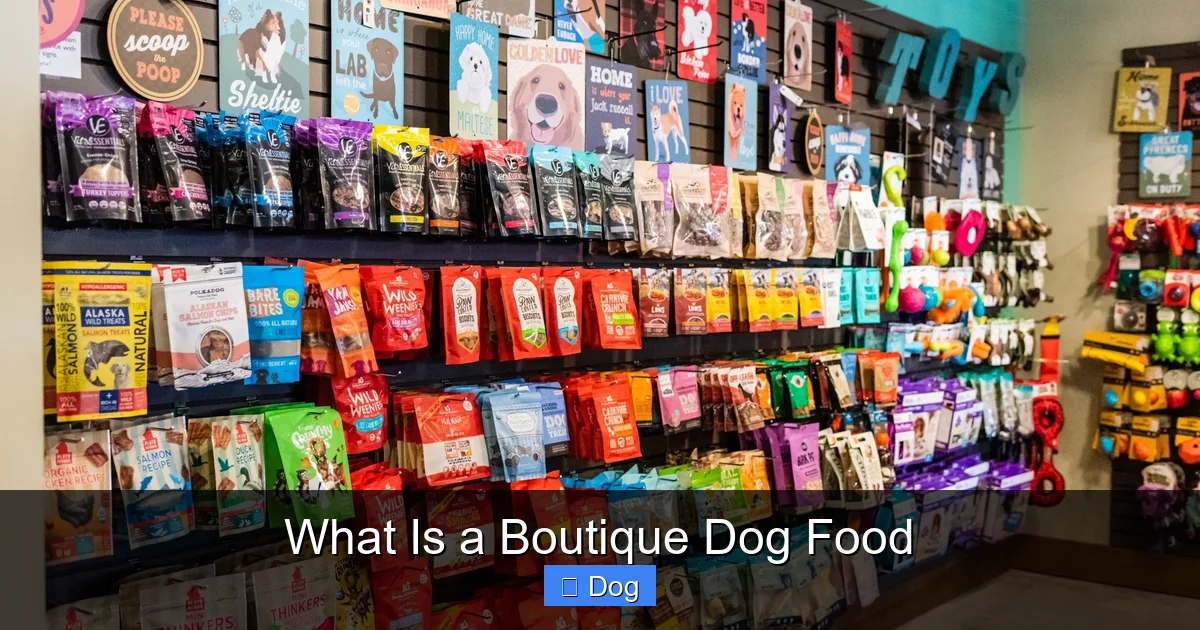
Boutique dog food refers to premium, small-batch pet nutrition crafted with high-quality, often human-grade ingredients and minimal processing. Unlike mass-produced kibble, these brands focus on transparency, sourcing, and tailored formulas—ideal for dogs with sensitivities or owners seeking a more natural diet.
Key Takeaways
- Small-Batch Production: Boutique dog foods are made in limited quantities to ensure freshness and quality control.
- High-Quality Ingredients: These brands often use human-grade meats, organic vegetables, and avoid fillers like corn, soy, and by-products.
- Transparent Sourcing: Reputable boutique brands disclose ingredient origins and manufacturing practices, building trust with pet owners.
- Specialized Formulas: Many offer grain-free, limited-ingredient, or breed-specific recipes to meet unique dietary needs.
- Higher Price Point: Due to premium ingredients and ethical practices, boutique dog food typically costs more than commercial brands.
- Growing Popularity: Increasing awareness of pet health and nutrition has driven demand for boutique options over the past decade.
- Not All Are Created Equal: It’s essential to research brands, read labels, and consult your vet before switching to a boutique diet.
📑 Table of Contents
What Is a Boutique Dog Food?
If you’ve wandered into a specialty pet store lately—or scrolled through Instagram—you’ve probably noticed a growing trend: boutique dog food. These aren’t the kibble bags you grab off the shelf at the big-box store. Instead, they come in sleek packaging, often with names like “Pawsome Pantry” or “Canine Cuisine Co.” They promise everything from “farm-fresh ingredients” to “chef-crafted meals” and “vet-approved nutrition.” But what exactly makes a dog food “boutique”?
At its core, boutique dog food refers to pet nutrition products made in small batches using high-quality, often human-grade ingredients. These brands typically avoid mass production, focusing instead on craftsmanship, transparency, and health-driven formulations. Think of it like the difference between a fast-food burger and a gourmet meal made from locally sourced, organic ingredients. Boutique dog food aims to provide that same level of care and quality—just for your four-legged friend.
Unlike mainstream brands that dominate supermarket aisles, boutique dog food companies often operate with a mission-driven approach. Many were founded by pet owners frustrated by the lack of healthy options or concerned about recalls and fillers in commercial kibble. As a result, they prioritize ingredient integrity, ethical sourcing, and nutritional science. Whether it’s air-dried raw food, gently cooked meals, or dehydrated formulas, boutique brands emphasize minimal processing to preserve nutrients and flavor.
How Boutique Dog Food Differs from Mainstream Brands

Visual guide about What Is a Boutique Dog Food
Image source: cdn.shopify.com
The differences between boutique and mainstream dog food go far beyond packaging. While both aim to nourish your dog, their philosophies, ingredients, and production methods often stand in stark contrast.
Ingredient Quality and Sourcing
One of the most significant distinctions lies in ingredient quality. Mainstream dog food often includes by-products, artificial preservatives, and fillers like corn, wheat, and soy. These ingredients are cheap, shelf-stable, and help bulk up kibble—but they offer little nutritional value and can trigger allergies or digestive issues in sensitive dogs.
Boutique dog food, on the other hand, typically uses named meat sources (like “free-range chicken” or “wild-caught salmon”) as the first ingredient. Many brands use human-grade proteins, meaning the meat meets the same standards as food sold in grocery stores. Some even partner with local farms or sustainable fisheries to ensure ethical sourcing.
For example, a boutique brand might list “organic sweet potatoes,” “grass-fed beef liver,” and “blueberries” on its label. In contrast, a mainstream brand might list “meat meal,” “corn gluten meal,” and “artificial flavors.” The difference is clear—boutique food prioritizes whole, recognizable ingredients.
Production Methods
Mass-produced dog food is typically made using high-heat extrusion, a process that cooks ingredients at extreme temperatures to form kibble. While efficient, this method can destroy heat-sensitive nutrients like vitamins, enzymes, and amino acids. It also requires artificial preservatives (like BHA or BHT) to extend shelf life.
Boutique brands often use gentler processing techniques. Some use freeze-drying or air-drying, which preserve nutrients and natural flavors without the need for synthetic additives. Others offer fresh, refrigerated meals that are gently cooked and delivered directly to your door. These methods retain more of the food’s original nutritional profile, which can support better digestion, shinier coats, and higher energy levels.
Transparency and Brand Values
Another hallmark of boutique dog food is transparency. Many small-batch brands openly share where their ingredients come from, how their food is made, and even the names of the farms they work with. This level of openness builds trust—especially important in an industry that has faced numerous recalls and scandals over the years.
Mainstream brands, while regulated, often keep sourcing and manufacturing details vague. Ingredients may be listed as “meat by-products” or “animal digest,” leaving pet owners guessing about what’s really in the bag. Boutique brands, by contrast, often include QR codes on packaging that link to detailed sourcing reports or videos of their kitchens.
Customization and Specialization
Boutique dog food also excels in customization. Many brands offer breed-specific formulas, life-stage diets (puppy, adult, senior), or recipes tailored to health conditions like allergies, joint issues, or weight management. Some even provide personalized meal plans based on your dog’s age, weight, activity level, and health history.
For instance, a boutique brand might offer a grain-free, limited-ingredient diet for dogs with food sensitivities, using novel proteins like duck or kangaroo. Another might create a high-protein, low-fat formula for active working dogs. This level of personalization is rare in mainstream pet food, where one-size-fits-all kibble dominates the market.
Common Types of Boutique Dog Food
Boutique dog food comes in a variety of formats, each with its own benefits and considerations. Understanding these options can help you choose the best fit for your dog’s needs and your lifestyle.
Air-Dried and Dehydrated Foods
Air-dried and dehydrated dog foods are made by slowly removing moisture from raw or gently cooked ingredients. This process preserves nutrients, enzymes, and natural flavors without the need for high heat or artificial preservatives. The result is a shelf-stable product that’s closer to raw food than traditional kibble.
These foods are lightweight, easy to store, and often rehydrated with water before serving. They’re a great middle ground between raw feeding and conventional kibble—offering the nutritional benefits of raw without the mess or safety concerns. Brands like The Honest Kitchen and Stella & Chewy’s are well-known for their dehydrated formulas.
Fresh and Refrigerated Meals
Fresh dog food is exactly what it sounds like: minimally processed, human-grade meals that require refrigeration. These are often delivered weekly or bi-weekly through subscription services. Think of it as meal prep for dogs—complete with balanced proteins, vegetables, and healthy fats.
Fresh food is highly digestible and packed with moisture, which can benefit dogs with kidney issues or low water intake. It’s also free from preservatives, making it ideal for pups with sensitive stomachs. Companies like Nom Nom and JustFoodForDogs offer vet-formulated fresh meals tailored to individual dogs.
Freeze-Dried Raw
Freeze-dried raw food is made by freezing raw ingredients and then removing moisture through a vacuum process. This locks in nutrients and flavor while eliminating pathogens, making it safer than traditional raw feeding. It’s shelf-stable, easy to serve, and often used as a topper or complete meal.
Freeze-dried raw is rich in natural enzymes, probiotics, and amino acids, supporting immune health, digestion, and coat condition. Brands like Primal and Steve’s Real Food specialize in freeze-dried options that mimic a dog’s ancestral diet.
Baked and Cold-Pressed Kibble
Some boutique brands offer kibble, but with a twist. Instead of high-heat extrusion, they use baking or cold-pressing methods that gently cook ingredients at lower temperatures. This helps retain more nutrients and reduces the formation of harmful compounds like acrylamide, which can form during high-heat processing.
Cold-pressed kibble is denser and less processed than traditional kibble, often resulting in smaller stool volume and better digestion. Brands like Ziwi and Acana use these methods to create premium kibble with high meat content and no fillers.
Benefits of Feeding Boutique Dog Food
Switching to boutique dog food can offer a range of benefits—especially for dogs with specific health needs or owners who want more control over their pet’s diet.
Improved Digestion and Gut Health
Many pet owners report that their dogs have firmer stools, less gas, and fewer digestive upsets after switching to boutique food. This is often due to the absence of fillers, artificial additives, and low-quality grains. High-quality proteins and easily digestible carbohydrates (like sweet potatoes or pumpkin) support a healthy gut microbiome.
For example, a dog with chronic diarrhea might thrive on a limited-ingredient boutique diet that eliminates common allergens like chicken or wheat. The cleaner ingredients reduce inflammation and allow the digestive system to heal.
Shinier Coat and Healthier Skin
The omega-3 and omega-6 fatty acids found in high-quality fish oils, flaxseed, and animal fats can dramatically improve your dog’s skin and coat. Boutique brands often include these nutrients in balanced ratios, leading to reduced itching, flakiness, and shedding.
A dog with dry, itchy skin might see improvement within weeks of switching to a boutique food rich in salmon oil or coconut oil. The natural fats nourish the skin from the inside out, reducing the need for topical treatments.
Increased Energy and Vitality
Dogs fed boutique diets often show higher energy levels, better focus, and improved stamina. This is likely due to the higher bioavailability of nutrients—meaning the body can absorb and use them more efficiently.
Active dogs, senior pups, or those recovering from illness may benefit especially from the nutrient-dense profiles of boutique food. Instead of filling up on empty calories, they’re getting real fuel for their bodies.
Support for Food Allergies and Sensitivities
Food allergies and intolerances are common in dogs, with symptoms ranging from chronic ear infections to gastrointestinal issues. Boutique brands often offer hypoallergenic or limited-ingredient diets that eliminate common triggers.
For instance, a dog allergic to beef might do well on a boutique formula featuring novel proteins like venison or rabbit. These diets are carefully crafted to avoid cross-contamination and provide complete nutrition without the allergens.
Peace of Mind for Pet Parents
Perhaps one of the biggest benefits is peace of mind. Knowing exactly what’s in your dog’s food—and where it came from—can reduce anxiety about recalls, contamination, or hidden ingredients. Many boutique brands are transparent about their supply chains and testing procedures, giving owners confidence in their choices.
Potential Drawbacks and Considerations
While boutique dog food offers many advantages, it’s not without its challenges. It’s important to weigh the pros and cons before making the switch.
Higher Cost
Boutique dog food is typically more expensive than mainstream brands. A 10-pound bag of premium kibble might cost $60–$80, compared to $20–$30 for a similar-sized bag of commercial food. Fresh and raw options can be even pricier, especially with delivery fees.
For some families, this cost is justified by the health benefits and ingredient quality. For others, it may be a barrier. However, many owners find that the improved health of their dog reduces veterinary bills over time, offsetting the higher food cost.
Availability and Convenience
Boutique brands are often sold online or in specialty pet stores, not in mainstream supermarkets. This can make restocking less convenient, especially if you’re used to grabbing dog food during your weekly grocery run.
Subscription services can help with consistency, but they require planning and commitment. If you travel frequently or have a busy schedule, managing deliveries or finding local stockists might be a challenge.
Transition Period
Switching to any new dog food—especially one with different ingredients or textures—requires a gradual transition. Sudden changes can cause digestive upset, including diarrhea or vomiting.
Most vets recommend a 7–10 day transition period, mixing increasing amounts of the new food with the old. This allows your dog’s system to adjust. Boutique foods, particularly raw or fresh options, may require extra care during this phase.
Not All Boutique Brands Are Equal
Just because a brand calls itself “boutique” doesn’t automatically mean it’s high-quality. Some companies use marketing buzzwords like “natural” or “premium” without backing them up with real transparency or nutritional science.
Always read labels, research the brand, and look for third-party certifications (like AAFCO compliance or USDA organic). If a brand won’t disclose its ingredient sources or manufacturing locations, that’s a red flag.
How to Choose the Right Boutique Dog Food
With so many options on the market, selecting the right boutique dog food can feel overwhelming. Here are some practical tips to help you make an informed decision.
Assess Your Dog’s Needs
Start by considering your dog’s age, breed, size, activity level, and health status. A senior dog with joint issues might benefit from a formula with glucosamine and omega-3s, while a puppy needs higher protein and fat for growth.
If your dog has known allergies or sensitivities, look for limited-ingredient diets with novel proteins and no common allergens. Consult your veterinarian if you’re unsure about dietary needs.
Read the Ingredient List
The first ingredient should be a high-quality protein source, like “deboned chicken” or “wild-caught salmon.” Avoid vague terms like “meat meal” or “animal by-products.”
Look for whole foods—vegetables, fruits, and healthy fats—listed early in the ingredients. Avoid artificial colors, flavors, and preservatives. If you can’t pronounce an ingredient, it’s probably not necessary.
Check for AAFCO Statements
The Association of American Feed Control Officials (AAFCO) sets nutritional standards for pet food. Look for a statement on the packaging indicating that the food is “complete and balanced” for your dog’s life stage (e.g., growth, maintenance, or all life stages).
This ensures the food meets minimum nutritional requirements, even if it’s made with premium ingredients.
Research the Brand
Visit the brand’s website and look for information about sourcing, manufacturing, and testing. Do they use human-grade ingredients? Are their facilities inspected? Do they conduct feeding trials?
Read customer reviews and check for recalls. A reputable boutique brand will be open about its practices and responsive to customer concerns.
Start with a Small Bag or Sample
Before committing to a large purchase, try a small bag or sample pack. This allows you to see how your dog reacts to the food—both in terms of taste and digestion.
Many boutique brands offer trial sizes or money-back guarantees, making it easier to test without a big financial risk.
Conclusion
Boutique dog food represents a shift toward more thoughtful, intentional pet nutrition. By focusing on quality ingredients, transparent sourcing, and specialized formulations, these brands offer a compelling alternative to mass-produced kibble. Whether you’re feeding a senior dog with joint issues, a puppy with a sensitive stomach, or simply want the best for your furry family member, boutique options provide a way to nourish your dog with confidence.
Of course, boutique food isn’t the right choice for every pet or budget. It requires research, planning, and sometimes a higher investment. But for many pet parents, the benefits—healthier coats, better digestion, increased energy, and peace of mind—are well worth it.
As the pet food industry continues to evolve, boutique brands are leading the way in innovation and transparency. By understanding what makes these foods unique, you can make informed decisions that support your dog’s long-term health and happiness. After all, your dog deserves more than just a meal—they deserve a feast.
Frequently Asked Questions
What makes boutique dog food different from regular dog food?
Boutique dog food is made in small batches with high-quality, often human-grade ingredients and minimal processing. Unlike regular dog food, it avoids fillers, artificial additives, and by-products, focusing instead on transparency, nutrition, and ethical sourcing.
Is boutique dog food worth the higher price?
For many pet owners, yes—especially if their dog has allergies, digestive issues, or specific nutritional needs. The improved ingredient quality and health benefits can justify the cost, and may even reduce long-term vet expenses.
Can I feed boutique dog food to a puppy or senior dog?
Yes, many boutique brands offer life-stage-specific formulas for puppies, adults, and seniors. Look for products labeled as “complete and balanced” for the appropriate life stage and consult your vet if unsure.
How do I transition my dog to boutique food?
Gradually mix the new food with the old over 7–10 days, increasing the proportion of boutique food each day. This helps prevent digestive upset and allows your dog to adjust to the new diet.
Are all boutique dog foods grain-free?
No, not all boutique dog foods are grain-free. While many offer grain-free options, some include healthy grains like oats or quinoa. Choose based on your dog’s dietary needs and preferences.
Where can I buy boutique dog food?
Boutique dog food is typically available online, through subscription services, or at specialty pet stores. Some brands also sell at farmers markets or through local pet boutiques.