

Six-month-old cats are still growing rapidly and have unique nutritional needs that adult cat food often fails to meet. While it might seem convenient to switch your kitten to adult food early, doing so can lead to deficiencies and long-term health issues. Always choose high-quality kitten-specific food until at least 12 months of age for optimal development.
Key Takeaways
- Kittens need more calories and nutrients: At 6 months, cats require up to 2–3 times more energy per pound than adult cats, which adult food doesn’t provide.
- Protein and fat are critical: Growing kittens need higher levels of animal-based protein and healthy fats for muscle, brain, and coat development.
- Key vitamins and minerals matter: Calcium, phosphorus, DHA, and taurine are essential for bone growth, vision, and heart health—often lacking in adult formulas.
- Adult food can cause deficiencies: Feeding adult food too early may result in stunted growth, weak bones, or vision problems due to insufficient nutrients.
- Gradual transitions are safer: If switching foods, do it slowly over 7–10 days to avoid digestive upset.
- Consult your vet before changing diet: Every kitten is different—your veterinarian can recommend the best food based on breed, size, and health.
- Look for AAFCO kitten certification: Ensure the food meets AAFCO standards for growth to guarantee balanced nutrition.
📑 Table of Contents
- Can 6 Month Old Cats Eat Adult Cat Food? The Truth Every Cat Owner Should Know
- Why Kitten Food Is Essential for 6-Month-Old Cats
- The Risks of Feeding Adult Cat Food to 6-Month-Old Kittens
- When Is It Safe to Switch from Kitten to Adult Cat Food?
- How to Choose the Right Kitten Food
- Final Thoughts: Prioritize Your Kitten’s Health
Can 6 Month Old Cats Eat Adult Cat Food? The Truth Every Cat Owner Should Know
So, your kitten is six months old—adorable, playful, and growing like a weed. You might be wondering: can 6 month old cats eat adult cat food? After all, they’re getting bigger, their baby teeth are gone, and they seem almost like mini-adults. It’s tempting to make the switch to adult food, especially if you’re trying to simplify feeding or save a few bucks. But here’s the thing: just because your kitten looks mature doesn’t mean their body is ready for adult nutrition.
At six months, your cat is still in a critical stage of development. Their bones are lengthening, their brains are expanding, and their immune system is still maturing. This means they have very specific dietary needs that adult cat food simply wasn’t designed to meet. While adult food might keep them alive, it won’t help them thrive. In fact, feeding adult food too early can lead to serious health problems down the road—like weak bones, poor coat quality, or even heart issues.
Think of it like feeding a toddler a grown-up meal. Sure, they might eat it, but they won’t get the nutrients they need to grow strong and healthy. The same principle applies to kittens. So before you reach for that bag of adult kibble, let’s dive into what your 6-month-old really needs—and why kitten food is still the best choice.
Why Kitten Food Is Essential for 6-Month-Old Cats
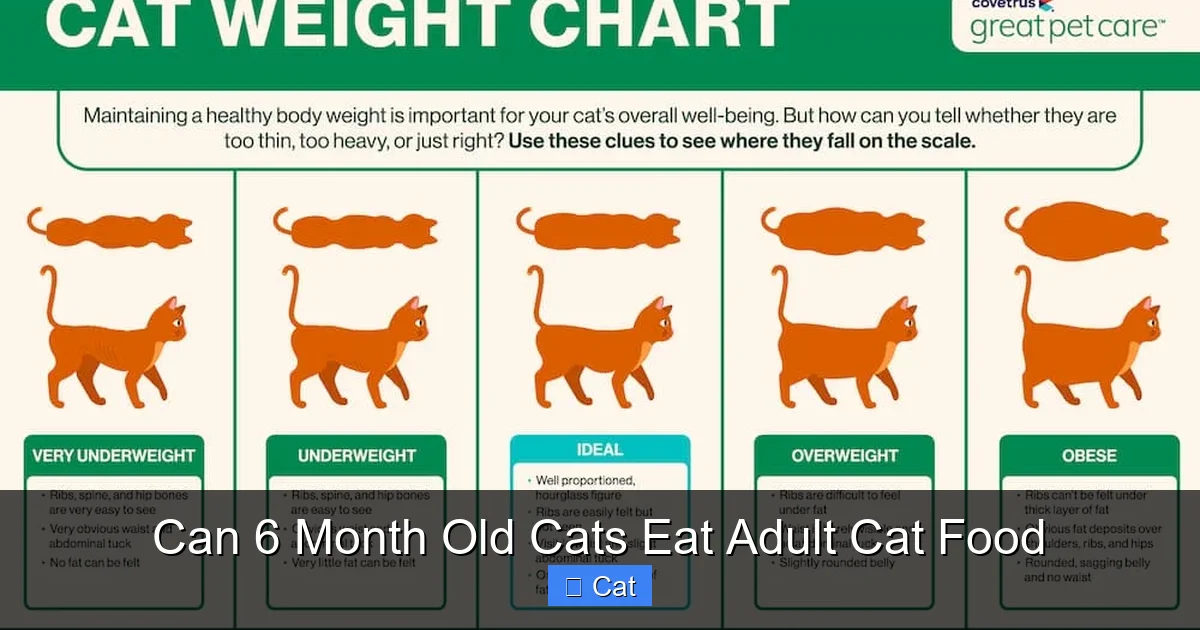
Visual guide about Can 6 Month Old Cats Eat Adult Cat Food
Image source: cdn-prd.content.metamorphosis.com
Higher Caloric Needs for Rapid Growth
One of the biggest reasons kittens need specialized food is their sky-high energy demands. At six months, your cat is growing at an astonishing rate—sometimes gaining several ounces per week. To support this growth, they need significantly more calories per pound of body weight than adult cats. In fact, kittens require up to 2–3 times more energy than their adult counterparts.
Kitten food is specifically formulated to meet these needs. It’s denser in calories, meaning your kitten gets more energy in every bite. Adult cat food, on the other hand, is designed for maintenance—not growth. If you feed a 6-month-old adult food, they’ll likely eat more to try to meet their energy needs, which can lead to overeating, obesity, or digestive issues. Worse, even if they eat more, they still might not get enough of the right nutrients.
For example, a 6-month-old kitten weighing 5 pounds might need around 250–300 calories per day. An adult cat of the same weight only needs about 150–200 calories. If you feed adult food, your kitten simply won’t get enough fuel to support their active lifestyle and rapid development.
Superior Protein and Fat Content
Protein is the building block of life—especially for growing kittens. At six months, your cat’s muscles, organs, and tissues are still developing, and they need a steady supply of high-quality animal protein to support this process. Kitten food typically contains 30–40% protein, compared to 26–30% in most adult formulas.
But it’s not just about quantity—it’s about quality. Kittens need animal-based proteins like chicken, turkey, or fish, which provide all the essential amino acids their bodies can’t produce on their own. Taurine, for instance, is critical for heart function and vision. Without enough taurine, kittens can develop heart disease or go blind—even if they’re eating “enough” food.
Fat is another key player. Healthy fats provide concentrated energy and support brain development. Kitten food is richer in fats (usually 15–20%) than adult food (10–15%), and it includes essential fatty acids like DHA (docosahexaenoic acid), which is vital for cognitive and visual development. DHA is especially important during the first year of life, when the brain is growing rapidly.
Critical Vitamins and Minerals for Development
Beyond calories, protein, and fat, kittens need a precise balance of vitamins and minerals to grow properly. Two of the most important are calcium and phosphorus. These minerals are essential for strong bones and teeth, and kittens need them in higher amounts than adult cats.
However, the ratio matters just as much as the amount. Too much calcium without enough phosphorus (or vice versa) can lead to skeletal problems like rickets or joint deformities. Kitten food is carefully balanced to provide the right calcium-to-phosphorus ratio (usually around 1.2:1), while adult food may not meet these specific needs.
Other vital nutrients include:
– Vitamin A: Supports vision, immune function, and skin health.
– Vitamin D: Helps the body absorb calcium.
– Vitamin E: Acts as an antioxidant, protecting cells from damage.
– Folate and B vitamins: Aid in energy metabolism and red blood cell production.
Adult cat food may contain these nutrients, but often in lower concentrations. Over time, this can lead to deficiencies that affect your kitten’s growth and overall health.
The Risks of Feeding Adult Cat Food to 6-Month-Old Kittens
Stunted Growth and Developmental Delays
One of the most serious risks of feeding adult food to a 6-month-old kitten is stunted growth. Because adult food lacks the extra calories, protein, and key nutrients that kittens need, your cat may not reach their full size or developmental potential. This isn’t just about being small—it can affect organ function, bone density, and even lifespan.
For example, a kitten deprived of adequate protein may develop weak muscles or a compromised immune system. Without enough DHA, their brain development could be impaired, leading to learning difficulties or behavioral issues. And if calcium levels are off, they might suffer from brittle bones or joint problems that persist into adulthood.
These issues aren’t always immediate. Some signs of malnutrition may not appear until months or even years later, making it hard to connect them to early diet choices. But by then, the damage may already be done.
Increased Risk of Obesity and Digestive Issues
Paradoxically, feeding adult food to a growing kitten can also lead to obesity. Since adult food is less calorie-dense, your kitten may eat larger portions to try to meet their energy needs. Over time, this can result in overeating and weight gain—especially if they’re less active or spayed/neutered early (which lowers metabolism).
Obesity in kittens can set the stage for a lifetime of health problems, including diabetes, arthritis, and heart disease. It also puts extra strain on developing joints, which is especially risky for large-breed kittens like Maine Coons or Ragdolls.
Digestive issues are another concern. Adult food often contains different fiber levels and ingredient compositions than kitten food. Switching too quickly—or feeding the wrong type—can cause diarrhea, vomiting, or constipation. Kittens have sensitive digestive systems, and sudden changes can disrupt the balance of good bacteria in their gut.
Long-Term Health Consequences
The effects of poor nutrition during kittenhood can last a lifetime. For instance, taurine deficiency—common in diets low in animal protein—can lead to dilated cardiomyopathy (a serious heart condition) or irreversible vision loss. Similarly, inadequate DHA intake during the first year may impact cognitive function and behavior well into adulthood.
Even subtle deficiencies can add up. A kitten that doesn’t get enough vitamin E might have a dull coat or dry skin. One lacking in B vitamins could seem lethargic or lose their appetite. These signs might seem minor at first, but they’re red flags that your kitten isn’t getting the nutrition they need.
The bottom line? Feeding adult food to a 6-month-old kitten is like building a house on a weak foundation. It might stand for a while, but eventually, problems will arise.
When Is It Safe to Switch from Kitten to Adult Cat Food?
Age and Development Milestones
Most veterinarians recommend feeding kitten food until your cat is at least 12 months old. This is because the first year is the most critical period of growth, and even at 11 months, many cats are still developing. Some larger breeds, like Maine Coons or Norwegian Forest Cats, may not reach full maturity until 18 months or even 2 years old—so they may need kitten food longer.
The best way to know when to switch is to monitor your cat’s growth and consult your vet. If your kitten has reached their expected adult size, is no longer gaining weight rapidly, and has a stable energy level, it might be time to consider transitioning. But don’t rush it—better to wait a little longer than switch too soon.
How to Transition Safely
When you’re ready to switch, do it gradually. Sudden changes in diet can upset your cat’s stomach, leading to vomiting, diarrhea, or refusal to eat. Here’s a safe transition plan:
– Days 1–2: Mix 25% adult food with 75% kitten food.
– Days 3–4: Use 50% adult and 50% kitten food.
– Days 5–6: Increase to 75% adult and 25% kitten food.
– Day 7 and beyond: Feed 100% adult food.
Watch your cat closely during this time. If they show signs of digestive upset—like loose stools or lethargy—slow down the transition or go back to the previous ratio for a few more days.
Also, choose a high-quality adult food that meets AAFCO standards for adult maintenance. Look for real meat as the first ingredient, and avoid fillers like corn, soy, or artificial preservatives.
Breed-Specific Considerations
Not all kittens grow at the same rate. Smaller breeds like Siamese or Abyssinians may mature faster and be ready for adult food closer to 10–11 months. Larger breeds, as mentioned, may need kitten food well into their second year.
If you have a mixed-breed kitten, your vet can help estimate their adult size based on growth patterns. For purebred cats, breed-specific guidelines are often available from breeders or veterinary resources.
How to Choose the Right Kitten Food
Look for AAFCO Certification
Not all pet food is created equal. To ensure your kitten gets complete and balanced nutrition, choose a food that meets the standards set by the Association of American Feed Control Officials (AAFCO). Look for a statement on the label like:
> “Formulated to meet the nutritional levels established by the AAFCO Cat Food Nutrient Profiles for Growth.”
This means the food has been tested and proven to support healthy development in kittens.
Prioritize High-Quality Ingredients
The ingredient list tells you a lot about a food’s quality. Here’s what to look for:
– Real animal protein first: Chicken, turkey, salmon, or lamb should be the first ingredient.
– Named meat meals: “Chicken meal” is better than “meat meal” (which could be anything).
– Healthy fats: Look for sources like chicken fat, fish oil, or flaxseed.
– No fillers or by-products: Avoid corn, wheat, soy, and artificial colors or preservatives.
Wet food can be a great option too—especially for kittens who don’t drink enough water. It’s higher in moisture and often more palatable, which can encourage eating.
Consider Your Kitten’s Preferences and Needs
Some kittens prefer wet food, others dry—or a mix of both. Some have sensitive stomachs and do better with limited-ingredient diets. If your kitten has allergies or digestive issues, talk to your vet about hypoallergenic or prescription options.
Also, consider feeding frequency. Most kittens do well with 3–4 small meals per day until they’re about 6 months old, then 2–3 meals as they approach adulthood.
Final Thoughts: Prioritize Your Kitten’s Health
So, can 6 month old cats eat adult cat food? Technically, yes—they might survive on it. But should they? Absolutely not. At six months, your kitten is still growing, learning, and developing at an incredible pace. They need the extra calories, protein, fats, and nutrients that only high-quality kitten food can provide.
Feeding adult food too early is a shortcut that can lead to long-term health problems. It’s not worth the risk—especially when affordable, nutritious kitten food is widely available. Remember, you’re not just feeding your cat; you’re building the foundation for a healthy, happy life.
Take the time to choose the right food, follow a safe transition plan, and consult your vet with any concerns. Your kitten deserves the best start possible—and that starts with what’s in their bowl.
Frequently Asked Questions
Can I mix kitten and adult food for my 6-month-old cat?
Yes, you can mix them temporarily during a transition, but it’s not recommended as a long-term solution. Kitten food should remain the primary source of nutrition until at least 12 months of age to ensure proper growth and development.
What happens if my 6-month-old kitten eats only adult food?
Over time, your kitten may develop nutritional deficiencies, stunted growth, or health issues like weak bones or heart problems. Adult food lacks the extra calories, protein, and key nutrients kittens need to thrive.
How do I know if my kitten is ready for adult food?
Most kittens are ready around 12 months old, but larger breeds may need kitten food longer. Look for signs like slowed growth, stable weight, and consult your vet for personalized advice.
Is wet or dry kitten food better for 6-month-olds?
Both can be part of a healthy diet. Wet food provides hydration and is often more palatable, while dry food supports dental health. Many owners use a combination for balance.
Can I feed my 6-month-old kitten human food instead of adult cat food?
No, human food is not a suitable replacement for either kitten or adult cat food. It lacks essential nutrients and can cause digestive upset or toxicity. Stick to high-quality commercial kitten food.
How often should I feed my 6-month-old kitten?
Most 6-month-old kittens do well with 3 meals per day. As they approach 12 months, you can reduce to 2 meals. Always follow the feeding guidelines on the food package and adjust based on your kitten’s weight and activity level.