
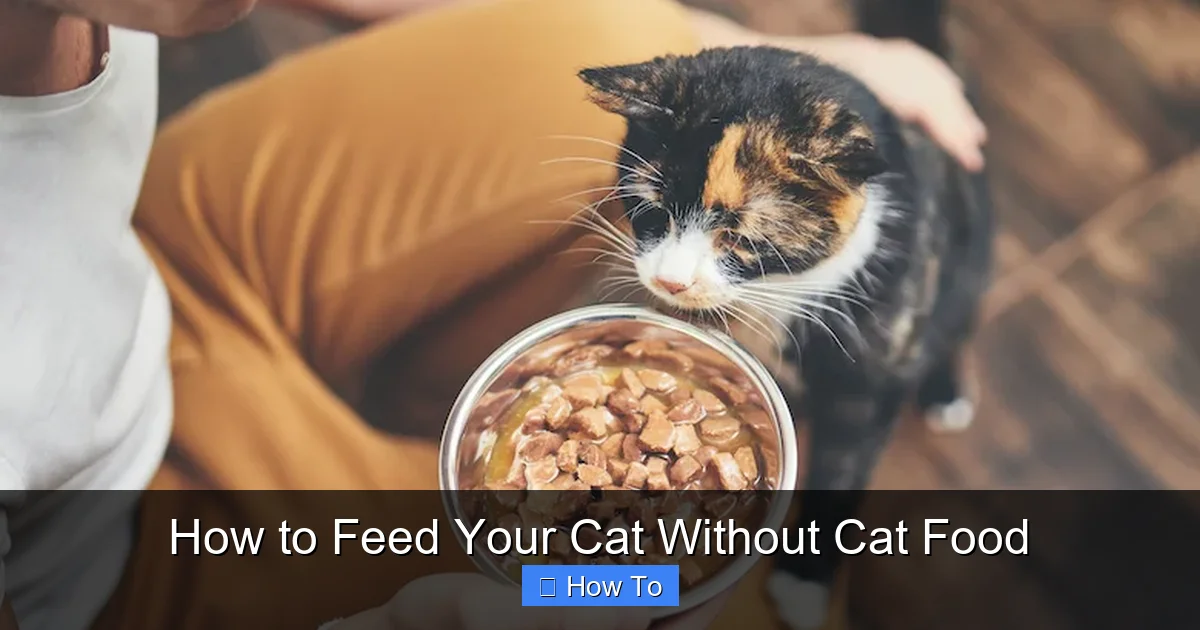
Learn how to safely feed your cat without relying on commercial cat food using vet-approved homemade recipes and nutritious human foods. This guide covers essential nutrients, meal planning, and common mistakes to avoid—keeping your feline healthy and happy in 2026.
Key Takeaways
- Balance is critical: Cats need taurine, arachidonic acid, vitamin A, and other nutrients only found in animal-based foods—never feed a plant-only diet.
- Consult your vet first: Always talk to a veterinarian before switching to a homemade or alternative feeding plan to ensure your cat’s health needs are met.
- Use high-quality protein: Cooked chicken, turkey, rabbit, and fish (in moderation) are excellent base ingredients for homemade cat meals.
- Avoid toxic foods: Onions, garlic, chocolate, grapes, and raw dough can be deadly—even small amounts are dangerous.
- Supplement wisely: Homemade diets often require added taurine, calcium, and omega-3s to prevent deficiencies and long-term health issues.
- Monitor your cat closely: Watch for changes in energy, coat quality, digestion, and weight when transitioning to a new diet.
- Hydration matters: Always provide fresh water, especially if feeding dry alternatives or cooked meals that lack moisture.
How to Feed Your Cat Without Cat Food: A Complete 2026 Guide
If you’re reading this, you might be wondering: Can I really feed my cat without buying commercial cat food? The short answer is yes—but it comes with important caveats. In 2026, more pet owners are exploring homemade, whole-food, or alternative feeding methods for their cats due to concerns about ingredient quality, sustainability, allergies, or cost. However, cats are obligate carnivores, meaning their bodies are designed to thrive on animal-based nutrition. Unlike dogs, they cannot synthesize certain vital nutrients and must get them from food.
This guide will walk you through how to feed your cat without cat food safely, responsibly, and effectively. You’ll learn what nutrients your cat needs, how to prepare balanced meals at home, which human foods are safe (and which are deadly), and how to avoid common pitfalls. Whether you’re dealing with a food shortage, seeking a more natural diet, or simply curious about alternatives, this guide is your go-to resource for keeping your feline friend healthy and happy—without relying on kibble or canned food.
Why Consider Feeding Your Cat Without Commercial Cat Food?

Visual guide about How to Feed Your Cat Without Cat Food
Image source: a.storyblok.com
In recent years, the pet food industry has faced scrutiny over ingredient sourcing, recalls, and the use of fillers like corn, soy, and artificial preservatives. Some cat owners in 2026 are turning to homemade or whole-food diets to take control of what their pets eat. Others may be in situations where commercial cat food is unavailable due to supply chain disruptions, economic challenges, or personal preference.
But it’s not just about avoiding processed food. Many cats suffer from food sensitivities, urinary tract issues, or obesity—conditions that can sometimes improve with a carefully managed diet. Homemade meals allow you to tailor ingredients to your cat’s specific needs, reduce allergens, and increase moisture intake (which is crucial for kidney and urinary health).
That said, feeding your cat without commercial food isn’t as simple as giving them leftover chicken or tuna from your plate. Without proper balance, your cat could develop serious health problems, including heart disease, blindness, or bone deformities. The key is education, planning, and veterinary guidance.
Understanding Your Cat’s Nutritional Needs
Before you start cooking for your cat, it’s essential to understand what their body requires to function optimally. Cats have unique dietary needs that differ significantly from humans and even dogs.
Protein: The Foundation of a Cat’s Diet
Cats need high levels of animal-based protein—typically 25–35% of their daily calories. Protein provides amino acids, which are the building blocks for muscles, enzymes, and hormones. Unlike omnivores, cats cannot efficiently convert plant proteins into usable forms.
Essential amino acids for cats include:
- Taurine: Critical for heart function, vision, and reproduction. A deficiency can lead to blindness and heart disease.
- Arginine: Needed for ammonia detoxification. Without it, cats can suffer from vomiting, seizures, or death.
- Methionine and cysteine: Sulfur-containing amino acids important for skin, coat, and liver health.
These amino acids are found almost exclusively in meat, poultry, fish, and eggs—not in plants.
Fats: Energy and Nutrient Absorption
Fats provide concentrated energy and help absorb fat-soluble vitamins (A, D, E, K). Cats also need specific fatty acids:
- Arachidonic acid: An omega-6 fatty acid found only in animal fats. Cats cannot make it from plant sources.
- Omega-3 fatty acids (EPA and DHA): Support brain, eye, and joint health. Found in fish oil and some algae.
Avoid using vegetable oils as a primary fat source—cats don’t metabolize them well.
Vitamins and Minerals
Cats require preformed vitamin A (retinol), which is only available in animal tissues. They cannot convert beta-carotene from plants like humans do. Vitamin D must also come from animal sources or sunlight exposure (though indoor cats rarely get enough).
Calcium and phosphorus are vital for strong bones and teeth. The ideal ratio is about 1:1 to 1.2:1 (calcium to phosphorus). Too much phosphorus without enough calcium can lead to bone disease.
Water: Often Overlooked but Essential
Cats have a low thirst drive and evolved to get moisture from prey. Dry food can contribute to dehydration, increasing the risk of urinary crystals and kidney disease. Homemade diets should include moisture-rich ingredients or be served with plenty of fresh water.
Safe Human Foods You Can Feed Your Cat
Not all human food is safe for cats—but many healthy, whole foods can be part of a balanced homemade diet when prepared correctly.
Cooked Meats (The Best Options)
These are excellent protein sources when cooked thoroughly (no seasoning):
- Chicken (boneless, skinless): Lean and easily digestible. Remove all bones to prevent choking or internal injury.
- Turkey: Similar to chicken, great for variety.
- Rabbit: A lean, hypoallergenic option increasingly popular in 2026.
- Beef (lean cuts): Use sparingly—higher in fat and harder to digest.
- Lamb: Rich in protein and iron, but also higher in fat.
Cooking method: Boil, bake, or steam—never fry. Avoid adding salt, garlic, onions, or oil.
Fish (Use with Caution)
Fish can be a tasty treat but should not be a staple due to potential risks:
- Cooked salmon or sardines: Rich in omega-3s. Remove all bones and cook thoroughly to kill parasites.
- Avoid raw fish: Can contain bacteria and an enzyme that destroys thiamine (vitamin B1), leading to neurological issues.
- Limit tuna: High in mercury and can cause “tuna addiction,” leading to refusal of other foods.
Eggs (Cooked Only)
Eggs are a great source of protein and biotin. Always cook them (scrambled or boiled) to avoid biotin deficiency caused by raw egg whites.
Dairy (Not Recommended)
Many cats are lactose intolerant. While small amounts of plain yogurt or cheese may be tolerated by some, it’s best to avoid dairy altogether to prevent digestive upset.
Vegetables and Fruits (Limited Use)
Cats don’t need plant matter, but small amounts of cooked, pureed veggies can add fiber:
- Steamed carrots, green beans, or pumpkin: Can help with digestion.
- Avoid onions, garlic, leeks, and chives: These destroy red blood cells and cause anemia.
- No grapes, raisins, or avocado: Highly toxic.
Foods That Are Toxic to Cats (Avoid at All Costs)
Even small amounts of these can be deadly:
- Onions, garlic, and chives: Cause hemolytic anemia.
- Chocolate and caffeine: Contain theobromine, which is toxic to cats.
- Grapes and raisins: Can cause kidney failure.
- Alcohol: Even a teaspoon can be fatal.
- Raw yeast dough: Expands in the stomach and produces alcohol.
- Xylitol (artificial sweetener): Causes rapid insulin release and liver failure.
How to Prepare Balanced Homemade Meals
Feeding your cat without commercial food means you’re responsible for meeting all their nutritional needs. Here’s a step-by-step guide to creating safe, balanced meals.
Step 1: Consult Your Veterinarian
Before making any dietary changes, talk to your vet—especially if your cat has health conditions like kidney disease, diabetes, or food allergies. Your vet can recommend a feeding plan or refer you to a veterinary nutritionist.
Step 2: Choose a Base Protein
Select a high-quality animal protein as the main ingredient. For most cats, chicken or turkey is ideal. Use boneless, skinless meat and cook it thoroughly.
Step 3: Add Organ Meats (Essential!)
Organ meats like liver and kidney are rich in taurine, vitamin A, and B vitamins. Include:
- 5–10% liver (e.g., chicken liver)
- 5% other organs (e.g., kidney or heart)
Never feed raw liver—cook it to avoid bacterial contamination.
Step 4: Include a Calcium Source
Since you’re removing bones, you must add calcium. Options include:
- Ground eggshells: 1/2 teaspoon per pound of meat (approx. 1800 mg calcium).
- Calcium carbonate powder: Available at health stores. Use 800–1000 mg per pound of food.
Step 5: Add Supplements
Homemade diets often lack key nutrients. Consider adding:
- Taurine powder: 250–500 mg per day for an average-sized cat.
- Omega-3 fatty acids: Fish oil or algae oil (50–100 mg EPA+DHA per day).
- Vitamin E: 5–10 IU per day to prevent steatitis (inflammation of fat tissue).
Step 6: Mix and Portion
Combine all ingredients in a food processor or blender until smooth. Portion into small containers and freeze what you won’t use within 3–4 days.
Step 7: Serve with Fresh Water
Always provide clean, fresh water. Consider a cat water fountain to encourage drinking.
Sample Homemade Cat Meal Recipe (2026 Approved)
Chicken & Liver Dinner (for a 10-lb cat, daily)
- 4 oz (113g) cooked, boneless chicken breast
- 1 oz (28g) cooked chicken liver
- 1/2 tsp ground eggshells (or 900 mg calcium carbonate)
- 250 mg taurine powder
- 1/4 tsp fish oil (providing ~100 mg EPA+DHA)
- 5 IU vitamin E
Instructions:
- Cook chicken and liver thoroughly. Chop or blend.
- Mix in supplements and calcium.
- Serve at room temperature. Store leftovers in the fridge for up to 4 days or freeze.
Note: This is a basic recipe. For long-term use, consult a veterinary nutritionist to ensure completeness.
Feeding Raw Diets: Pros, Cons, and Safety
Some owners choose raw diets (BARF—Biologically Appropriate Raw Food) to mimic a cat’s natural diet. While appealing, raw feeding comes with risks.
Pros of Raw Feeding
- High moisture content
- Natural enzymes and bacteria (in theory)
- Shiny coat and improved digestion in some cats
Cons and Risks
- Bacterial contamination: Raw meat can carry Salmonella, E. coli, and Listeria—risky for both cats and humans.
- Parasites: Especially in raw fish or undercooked meat.
- Nutritional imbalance: Hard to get right without expert guidance.
- Bone hazards: Raw bones can splinter and cause choking or internal injury.
If you choose raw:
- Use human-grade, fresh meat.
- Freeze fish for at least 72 hours to kill parasites.
- Grind bones instead of feeding whole.
- Supplement with taurine, calcium, and vitamins.
- Practice strict hygiene—wash hands, bowls, and surfaces.
Transitioning Your Cat to a New Diet
Sudden diet changes can upset your cat’s stomach. Follow these steps for a smooth transition:
Step 1: Mix Old and New Food
Start by mixing 25% new food with 75% old food. Gradually increase the ratio over 7–10 days.
Step 2: Monitor for Reactions
Watch for vomiting, diarrhea, lethargy, or refusal to eat. If symptoms occur, slow the transition or consult your vet.
Step 3: Be Patient
Some cats are picky. Try warming the food slightly (to body temperature) to enhance aroma. Offer small portions frequently.
Troubleshooting Common Issues
My Cat Won’t Eat the New Food
- Try different proteins (e.g., switch from chicken to turkey).
- Add a small amount of tuna juice or bone broth (unsalted).
- Warm the food to release scent.
- Hand-feed or use puzzle feeders to encourage interest.
My Cat Has Diarrhea or Vomiting
- This may indicate food intolerance or imbalance.
- Temporarily switch to a bland diet (boiled chicken + plain pumpkin).
- Consult your vet if symptoms persist beyond 24–48 hours.
My Cat Is Losing Weight
- Ensure you’re feeding enough calories (20–30 kcal per pound of body weight daily).
- Increase fat content slightly (e.g., add a bit of cooked beef or fish oil).
- Rule out underlying health issues with a vet check-up.
My Cat’s Coat Is Dull or Flaky
- This could signal a fatty acid deficiency.
- Add fish oil or flaxseed oil (in small amounts).
- Ensure adequate protein and hydration.
Long-Term Considerations and Costs
Feeding your cat without commercial food can be more time-consuming and expensive. High-quality meat, supplements, and vet consultations add up. However, some owners find savings in bulk buying or using human food leftovers (safely prepared).
In 2026, subscription-based homemade cat food kits and online veterinary nutrition services are making it easier to get balanced recipes and support. Consider these tools if you’re committed to long-term homemade feeding.
Conclusion: Is Feeding Without Cat Food Right for You?
Feeding your cat without commercial cat food is possible—but it’s not a decision to take lightly. With proper knowledge, planning, and veterinary guidance, you can provide a nutritious, balanced diet using whole foods. However, the risks of nutritional deficiencies, foodborne illness, and digestive upset are real.
If you’re motivated by health, transparency, or necessity, this approach can work. But remember: your cat’s health comes first. Never experiment without professional advice, and always monitor your cat’s condition closely.
In 2026, pet nutrition is more advanced than ever—but nature hasn’t changed. Cats still need meat, moisture, and specific nutrients to thrive. Whether you choose homemade meals, raw diets, or a mix of human foods, do it wisely, safely, and with love.
Your cat depends on you. Feed them well.