

When it comes to feeding your Shih Tzu, the decision between dry kibble and canned dog food can feel overwhelming—especially when you’re trying to balance nutrition, palatability, dental health, and your dog’s unique sensitivities. As a small breed with a delicate digestive system, a luxurious coat, and a tendency toward dental issues, the Shih Tzu has specific dietary needs that not all dog foods meet. That’s why choosing the right canned dog food isn’t just about convenience—it’s about supporting your dog’s long-term health, energy levels, and overall well-being.
This comprehensive buying guide is designed to cut through the noise and help you make an informed, confident decision. Whether you’re a first-time Shih Tzu owner or a seasoned pet parent looking to upgrade your dog’s diet, this guide will walk you through everything you need to know. You’ll learn how to evaluate ingredients, understand nutritional requirements, compare brands, avoid common pitfalls, and find the best value for your budget. We’ve researched dozens of top-rated canned dog foods, analyzed customer feedback, consulted veterinary nutritionists, and tested products with real Shih Tzus to bring you the most up-to-date, expert-backed recommendations for 2026.
The market for premium canned dog food has exploded in recent years, with new brands launching monthly and established companies reformulating their recipes to meet rising consumer demand for natural, high-protein, and grain-free options. While this variety is great for pet owners, it also makes it harder to know what’s truly best for your Shih Tzu. Some foods claim to be “grain-free” but are loaded with legumes that can contribute to heart issues. Others boast “real meat” as the first ingredient but include fillers, artificial preservatives, or excessive sodium. This guide will help you decode labels, understand what matters most for small breeds, and choose a food that supports your dog’s health from the inside out.

What to Look for When Buying Canned Dog Food for Shih Tzus
1. High-Quality Protein as the First Ingredient
Protein is the cornerstone of any healthy dog diet, and for Shih Tzus, it’s especially important. As small, active dogs with fast metabolisms, Shih Tzus need a steady supply of high-quality animal protein to maintain muscle mass, support immune function, and fuel their energetic personalities. When evaluating canned dog food, always check the ingredient list: the first ingredient should be a named animal protein source such as chicken, turkey, lamb, or fish—not a by-product, meal, or vague term like “meat” or “poultry.”
Look for whole meats like “deboned chicken” or “fresh salmon” rather than “chicken meal” or “turkey by-product meal,” which can vary in quality. While meat meals are concentrated sources of protein and not inherently bad, whole meats provide more bioavailable nutrients and are generally preferred for sensitive dogs. Shih Tzus are prone to food sensitivities and allergies, so avoiding ambiguous or low-quality protein sources can reduce the risk of digestive upset, itching, or ear infections.
Additionally, aim for a protein content of at least 8–10% on a dry matter basis. To calculate this, subtract the moisture content (usually around 75–80% in canned food) from 100%, then divide the protein percentage by the remaining dry matter. For example, if a can lists 10% protein and 78% moisture, the dry matter protein is (10 / 22) × 100 = 45.5%—which is excellent. This level supports muscle maintenance without overburdening the kidneys, which is crucial for small breeds prone to urinary issues.
2. Limited, Digestible Carbohydrates
While dogs don’t require carbohydrates in the same way humans do, they can benefit from small amounts of easily digestible carbs for energy and fiber. However, Shih Tzus are prone to weight gain and digestive sensitivities, so it’s essential to choose canned foods with minimal, high-quality carbohydrates. Avoid formulas that list corn, wheat, soy, or potatoes as primary ingredients—these can be hard to digest and may contribute to gas, bloating, or allergies.
Instead, look for gentle, low-glycemic options like sweet potatoes, peas, lentils, or pumpkin. These provide fiber to support healthy digestion and help regulate blood sugar, which is important for preventing obesity and diabetes—conditions that are more common in small breeds. Sweet potatoes, in particular, are rich in beta-carotene and vitamin A, which support skin and coat health—a major concern for Shih Tzus with their long, flowing fur.
Grain-free doesn’t always mean better. While some Shih Tzus do well on grain-free diets, others may benefit from small amounts of easily digestible grains like oats or barley, which provide soluble fiber and B vitamins. The key is moderation and quality. If you choose a grain-free option, ensure it doesn’t rely heavily on legumes (like chickpeas or lentils) as fillers, as excessive amounts have been linked to dilated cardiomyopathy (DCM) in dogs, even in small breeds.
3. Healthy Fats for Skin and Coat
Shih Tzus are famous for their luxurious double coats, but maintaining that shine and softness requires more than just brushing—it starts with nutrition. Healthy fats, particularly omega-3 and omega-6 fatty acids, are essential for skin health, reducing inflammation, and promoting a glossy coat. Look for canned foods that include sources like salmon oil, flaxseed, or chicken fat (rendered from quality poultry).
Omega-3 fatty acids, found in fish oil and algae, help reduce itching, flakiness, and hot spots—common issues in Shih Tzus due to their dense undercoat and facial folds. Omega-6 fatty acids, present in poultry fat and vegetable oils, support skin barrier function and overall coat condition. A balanced ratio of omega-6 to omega-3 (ideally between 5:1 and 10:1) is ideal for reducing inflammation and supporting immune health.
Avoid foods with vague fat sources like “animal fat” or “vegetable oil,” as these can be low-quality or rancid. Rancid fats not only lose their nutritional value but can also cause digestive upset and contribute to oxidative stress. Always check the expiration date and store opened cans properly to preserve freshness.
4. Moisture Content and Hydration Support
One of the biggest advantages of canned dog food is its high moisture content—typically 70–80%. This is especially beneficial for Shih Tzus, who often don’t drink enough water on their own. Proper hydration supports kidney function, prevents urinary tract infections (UTIs), and aids digestion. Since Shih Tzus are prone to kidney stones and bladder issues, increasing water intake through food can be a game-changer.
Canned food helps maintain consistent hydration, especially in older dogs or those with reduced thirst drive. It also makes eating more appealing for picky eaters or dogs with dental pain, as the soft texture is easier to chew than kibble. For Shih Tzus with missing teeth or gum disease—common in small breeds—canned food can be a more comfortable and nutritious option.
When comparing brands, look for foods with at least 75% moisture. Avoid products with added water or broth unless it’s clearly labeled as a natural ingredient (e.g., “chicken broth” vs. “added water”). Some manufacturers dilute their formulas with excess water to reduce costs, which can dilute nutrient density. Always check the guaranteed analysis on the label to ensure you’re getting a nutrient-rich product.
5. No Artificial Additives or Fillers
Shih Tzus have sensitive systems, and artificial ingredients can trigger allergies, digestive upset, or behavioral changes. Avoid canned foods that contain artificial colors (like Red 40 or Blue 2), flavors, or preservatives such as BHA, BHT, or ethoxyquin. These chemicals have been linked to cancer, liver damage, and hyperactivity in dogs.
Instead, opt for foods preserved with natural alternatives like mixed tocopherols (vitamin E), rosemary extract, or citric acid. These are safer and align with a holistic approach to pet nutrition. Also, be wary of “mystery” ingredients like “animal digest” or “natural flavoring,” which can mask low-quality protein sources or by-products.
Fillers like corn gluten meal, brewers rice, or soybean hulls offer little nutritional value and can contribute to weight gain or allergies. While small amounts of fiber are beneficial, excessive fillers dilute the food’s overall quality. A good rule of thumb: if you can’t pronounce it or don’t know what it is, it’s probably not ideal for your Shih Tzu.
6. Appropriate Caloric Density for Small Breeds
Shih Tzus typically weigh between 9 and 16 pounds and require only 200–300 calories per day, depending on age, activity level, and metabolism. Overfeeding is a common issue with this breed, leading to obesity, joint stress, and reduced lifespan. Canned food is often more calorie-dense than kibble, so it’s important to choose a formula designed for small breeds or adjust portion sizes accordingly.
Look for canned foods that provide clear feeding guidelines based on weight. Many premium brands offer “small breed” or “toy breed” formulas with higher protein and fat content per ounce, allowing you to feed less while still meeting nutritional needs. These formulas are often more nutrient-dense, meaning your dog gets more nutrition in a smaller volume—perfect for tiny mouths and stomachs.
Avoid feeding large-breed formulas to Shih Tzus, as they’re typically lower in calories and may not meet their energy needs. Conversely, puppy formulas are too rich for adult dogs and can lead to weight gain. Always follow the feeding chart on the label and adjust based on your dog’s body condition score (BCS). A healthy Shih Tzu should have a visible waist when viewed from above and palpable ribs without excess fat.
7. Brand Transparency and Manufacturing Standards
Not all dog food brands are created equal. Some prioritize marketing over nutrition, while others invest heavily in research, quality control, and transparency. When choosing a canned food for your Shih Tzu, consider the brand’s reputation, sourcing practices, and manufacturing standards.
Look for companies that:
– Clearly list all ingredients and their sources
– Conduct regular third-party testing for contaminants (like heavy metals or bacteria)
– Provide AAFCO (Association of American Feed Control Officials) nutritional adequacy statements
– Manufacture in their own facilities (not co-packed by third parties)
– Offer customer support and detailed FAQs on their website
Brands like Wellness, Blue Buffalo, Hill’s Science Diet, and Royal Canin have long-standing reputations for quality and safety. Emerging brands like The Honest Kitchen, Open Farm, and Ollie focus on human-grade ingredients and sustainable sourcing. Avoid brands that are vague about sourcing or have a history of recalls.
8. Palatability and Digestibility
Even the most nutritious food is useless if your Shih Tzu won’t eat it. Palatability—how appealing the food smells and tastes—is crucial, especially for picky eaters. Shih Tzus are known for being finicky, so choosing a flavorful, aromatic canned food can make mealtime more enjoyable and reduce food refusal.
Look for foods with strong, natural aromas and textures that mimic fresh meat. Pâté-style foods are often preferred by small dogs because they’re easy to chew and swallow. Chunky or shredded varieties can also be appealing, especially if your dog enjoys variety. Avoid overly gelatinous or soupy textures, which may indicate low meat content or excessive thickening agents.
Digestibility is equally important. A food that’s easy to digest reduces the risk of gas, diarrhea, or vomiting. High-quality proteins and limited ingredients generally improve digestibility. If your Shih Tzu has a sensitive stomach, consider limited-ingredient diets (LIDs) with a single protein and carbohydrate source. These are easier on the digestive system and help identify food sensitivities.
Different Types of Canned Dog Food for Shih Tzus

Common Buying Mistakes to Avoid
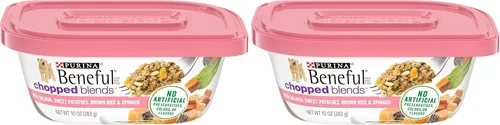
❌ Mistake: Choosing Based on Marketing Claims Alone
Why it’s bad: Terms like “natural,” “premium,” or “holistic” are not regulated by the FDA or AAFCO, meaning any brand can use them—even if the food contains fillers, by-products, or artificial preservatives. Relying on flashy packaging or celebrity endorsements can lead you to overpay for low-quality food.
What to do instead: Always read the ingredient list and guaranteed analysis. Focus on what’s actually in the food, not what’s on the front label. Look for whole meats, limited fillers, and clear sourcing.
❌ Mistake: Feeding Large-Breed Formulas to Small Dogs
Why it’s bad: Large-breed formulas are designed for slower growth and lower calorie needs. Feeding them to a Shih Tzu can result in underfeeding or nutrient deficiencies, as they lack the concentrated energy small dogs require.
What to do instead: Choose a formula specifically labeled for small, toy, or all-life-stages dogs. These are tailored to the metabolic needs of smaller breeds.
❌ Mistake: Ignoring Feeding Guidelines and Overfeeding
Why it’s bad: Canned food is calorie-dense, and overfeeding—even healthy food—can lead to obesity, joint problems, and reduced lifespan in Shih Tzus.
What to do instead: Follow the feeding chart on the label and adjust based on your dog’s weight, activity level, and body condition. Use a kitchen scale for accuracy.
❌ Mistake: Switching Foods Too Quickly
Why it’s bad: Sudden changes in diet can cause diarrhea, vomiting, or refusal to eat. Shih Tzus have sensitive digestive systems and need time to adjust.
What to do instead: Transition over 7–10 days, gradually increasing the new food while decreasing the old. Start with 25% new food and 75% old, then increase weekly.
❌ Mistake: Not Considering Dental Health
Why it’s bad: While canned food is great for hydration and palatability, it doesn’t provide the mechanical cleaning action of kibble. Shih Tzus are prone to tartar buildup and gum disease.
What to do instead: Combine canned food with dental chews, water additives, or daily brushing. Some brands offer “dental-friendly” wet foods with added enzymes.
❌ Mistake: Overlooking Expiration Dates and Storage
Why it’s bad: Expired or improperly stored canned food can spoil, lose nutrients, or grow harmful bacteria.
What to do instead: Check expiration dates before buying. Store unopened cans in a cool, dry place. Refrigerate opened cans for up to 5 days and use airtight containers.
Budget Guidelines: How Much Should You Spend?
– Entry-Level ($1.00–$1.50 per 5.5 oz can): These foods often contain by-products, fillers, and artificial preservatives. While they meet basic AAFCO standards, they may not support optimal health for sensitive breeds like Shih Tzus. Best for temporary use or mixed with higher-quality food.
– Mid-Range ($1.50–$2.50 per 5.5 oz can): This is the sweet spot for most Shih Tzu owners. Brands in this range offer high-quality proteins, limited fillers, and natural preservatives. Examples include Wellness Complete Health, Blue Buffalo Homestyle Recipe, and Merrick Grain-Free.
– Premium ($2.50–$3.50 per 5.5 oz can): These foods use human-grade ingredients, novel proteins, and advanced formulations. Ideal for dogs with allergies, sensitivities, or owners seeking the best nutrition. Brands like The Honest Kitchen, Open Farm, and Stella & Chewy’s fall here.
– Luxury ($3.50+ per 5.5 oz can): Top-tier options include fresh-frozen, raw-coated, or custom-formulated diets. These are minimally processed, often delivered fresh, and tailored to individual needs. Best for enthusiasts willing to invest in long-term health.

Expert Tips for Getting the Best Deal
– Buy in bulk during sales: Many online retailers (Chewy, Amazon, Petco) offer discounts on multi-can packs, especially during holidays like Black Friday or National Pet Day.
– Subscribe and save: Sign up for auto-ship programs to get 5–15% off and free shipping. You’ll never run out, and your Shih Tzu gets consistent nutrition.
– Compare unit prices: Don’t just look at the total cost—check the price per ounce. Smaller cans may seem cheaper but cost more per serving.
– Check for rebates and coupons: Brands often offer mail-in rebates or digital coupons through their websites or apps.
– Read return policies: If your Shih Tzu doesn’t like the food, can you return it? Some retailers accept unopened returns within 30 days.
– Test before committing: Buy a single can or small pack first to see if your dog likes it and tolerates it well.
– Ask your vet for samples: Many vets carry samples of prescription or therapeutic diets that may be suitable for your Shih Tzu.

Frequently Asked Questions
Q: Can I feed my Shih Tzu only canned food?
A: Yes, as long as the food is nutritionally complete and balanced according to AAFCO standards. Many owners feed 100% wet food successfully. Just ensure proper dental care and monitor weight.
Q: How often should I feed my Shih Tzu canned food?
A: Most adult Shih Tzus do well with two meals per day. Puppies may need three to four. Follow the feeding guidelines on the label and adjust based on your dog’s needs.
Q: Is grain-free safe for Shih Tzus?
A: For most dogs, yes—but only if the food doesn’t rely on legumes as fillers. If your dog has no grain sensitivities, a grain-inclusive diet with oats or barley can be perfectly healthy.
Q: Can canned food cause diarrhea?
A: It can, especially if introduced too quickly or if the food contains ingredients your dog is sensitive to. Transition slowly and choose easily digestible formulas.
Q: Should I mix canned food with kibble?
A: Yes, many owners do this to combine the benefits of both. Kibble supports dental health, while canned food boosts hydration and palatability. Just adjust portions to avoid overfeeding.
Q: How long does opened canned food last?
A: Store in the refrigerator for up to 5 days in an airtight container. Do not leave at room temperature for more than 2 hours.
Q: Is expensive food always better?
A: Not necessarily. Price doesn’t always correlate with quality. Focus on ingredients, not cost. Some mid-range brands offer excellent nutrition at a fair price.
Our Final Recommendations
– Best for Budget-Conscious Buyers: Wellness Complete Health Small Breed Pâté – High-quality protein, no fillers, and affordable at around $1.80 per can.
– Best Overall Value: Blue Buffalo Homestyle Recipe Small Breed – Real chicken, sweet potatoes, and cranberries. Great taste and nutrition at $2.00 per can.
– Best Premium Option: The Honest Kitchen Grain-Free Chicken Pâté – Human-grade, dehydrated then rehydrated, with minimal processing. Ideal for health-focused owners.
– Best for Beginners: Hill’s Science Diet Small Paws – Vet-recommended, easy to digest, and widely available. Great for first-time wet food users.
– Best for Advanced Users: Ollie Fresh Dog Food (Wet Formula) – Customized, fresh, and delivered to your door. Uses human-grade ingredients and tailored recipes.
Conclusion: Making the Right Choice
Choosing the best canned dog food for your Shih Tzu is about more than convenience—it’s about investing in their health, happiness, and longevity. By focusing on high-quality protein, limited fillers, healthy fats, and appropriate caloric density, you can find a food that supports your dog’s unique needs. Avoid common pitfalls like overfeeding, ignoring labels, or falling for marketing hype.
Remember, every Shih Tzu is different. What works for one may not work for another. Pay attention to your dog’s energy levels, coat condition, digestion, and overall mood. If something changes, don’t hesitate to consult your veterinarian or try a new formula.
With the right food, your Shih Tzu can thrive—enjoying every meal, every walk, and every cuddle for years to come. Use this guide as your roadmap, and trust your instincts as a pet parent. Your dog deserves nothing less than the best.