
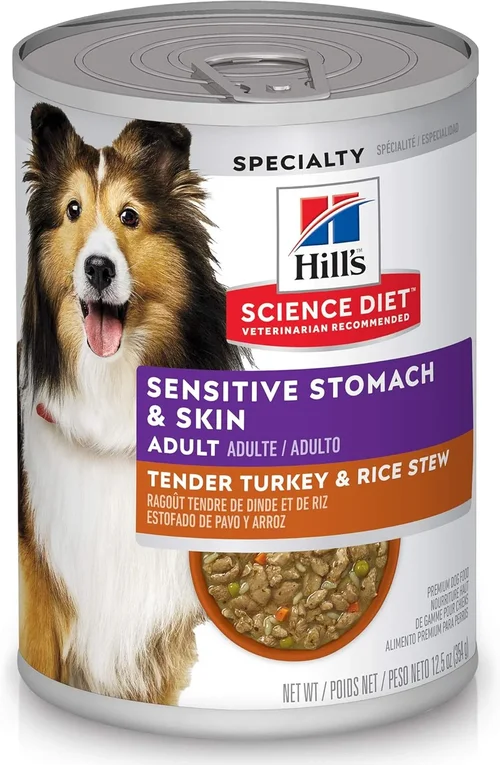
When your dog is sick, every meal matters. Whether they’re recovering from surgery, battling a digestive upset, dealing with kidney disease, or managing a chronic condition like pancreatitis or food sensitivities, the right nutrition can make a world of difference in their healing journey. Canned dog food often becomes a go-to option during these times—not just because it’s easier to eat and digest, but because it’s typically more palatable, hydrating, and nutrient-dense than dry kibble. But with hundreds of brands, formulas, and ingredient lists on the market, choosing the best canned dog food for a sick dog can feel overwhelming—even for experienced pet parents.
This comprehensive buying guide is designed to cut through the noise and give you the expert-level knowledge you need to make confident, informed decisions. You’ll learn how to evaluate ingredients, understand veterinary dietary needs, avoid common pitfalls, and select a product that supports your dog’s specific health challenges—all while staying within your budget. Whether you’re caring for a senior dog with liver issues, a pup with a sensitive stomach, or a canine cancer patient needing high-calorie support, this guide will walk you through every critical factor, from protein sources to moisture content, and help you find a solution that truly nourishes your companion during their most vulnerable moments.
The market for therapeutic and wellness-focused canned dog food has exploded in recent years, driven by growing awareness of pet health and the rise of veterinary nutrition science. Today, you’ll find everything from prescription diets formulated by board-certified veterinary nutritionists to over-the-counter options that mimic clinical formulas. Brands like Hill’s Science Diet, Royal Canin, Purina Pro Plan Veterinary Diets, and Wellness have expanded their lines to include specialized recipes for kidney support, gastrointestinal health, weight management, and immune system recovery. Meanwhile, boutique and natural brands like The Honest Kitchen, Stella & Chewy’s, and Open Farm are gaining traction with pet owners who prioritize transparency, human-grade ingredients, and minimal processing. With so many choices, the key isn’t just finding any canned food—it’s finding the right one for your dog’s unique medical and nutritional needs.
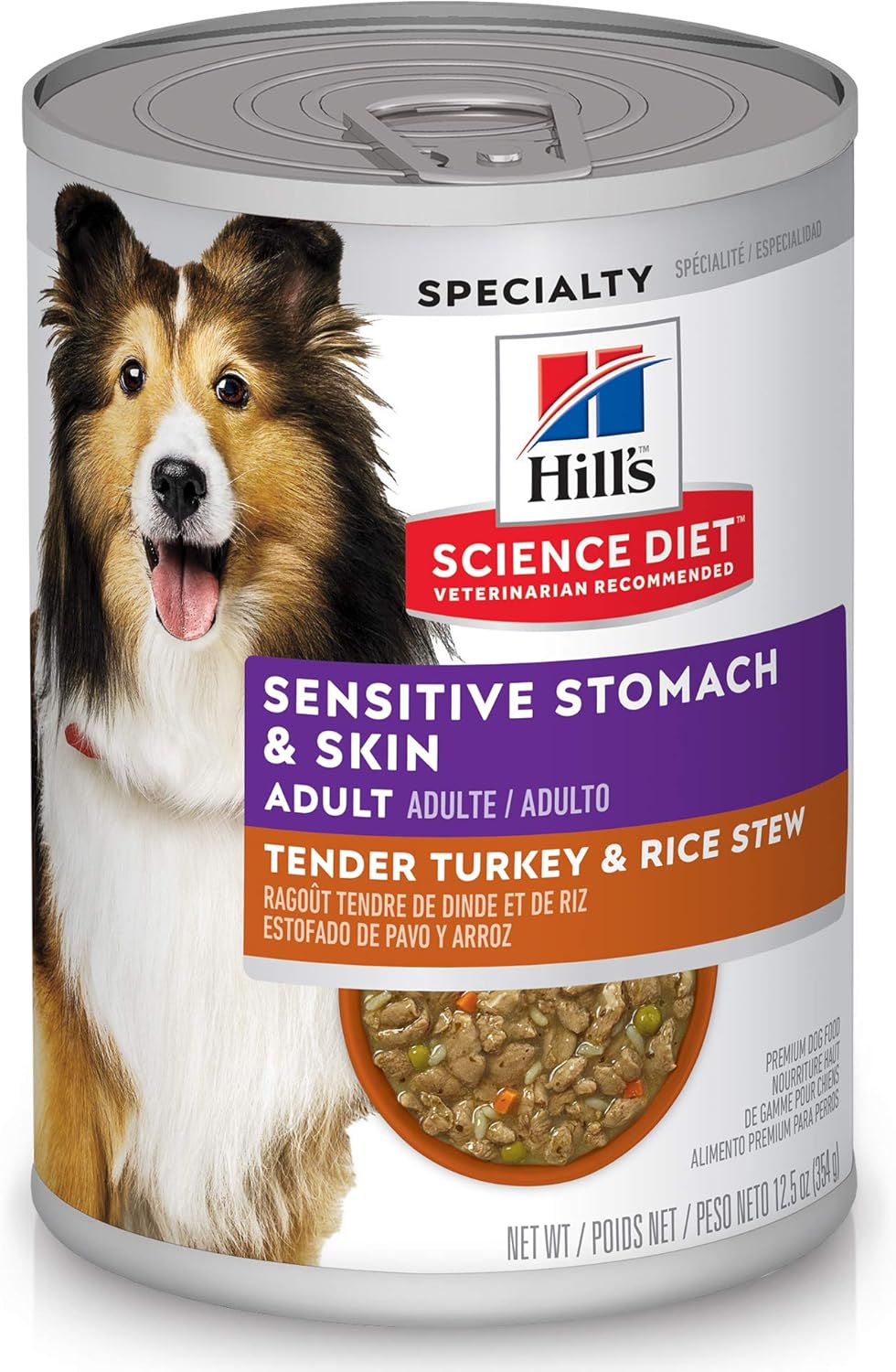
What to Look for When Buying Canned Dog Food for a Sick Dog
1. Veterinarian-Recommended Formulas
When your dog is unwell, the first and most important factor is whether the food is recommended or prescribed by a veterinarian. Many illnesses—such as kidney disease, liver dysfunction, pancreatitis, inflammatory bowel disease (IBD), and urinary tract issues—require specific dietary modifications that over-the-counter foods may not adequately address. Veterinarian-recommended formulas are developed with clinical research and tested for efficacy in managing these conditions. For example, Hill’s Prescription Diet k/d is specifically formulated to support kidney function by reducing phosphorus and sodium while increasing omega-3 fatty acids. Similarly, Royal Canin Gastrointestinal Low Fat is designed for dogs with pancreatitis or chronic diarrhea, offering highly digestible proteins and moderate fat levels.
Always consult your vet before switching to a new diet, especially if your dog is on medication or has multiple health concerns. Your veterinarian can help determine whether a prescription diet is necessary or if a high-quality over-the-counter option will suffice. In some cases, they may even provide samples or direct you to a trusted brand. Never assume that a “natural” or “grain-free” label means it’s suitable for medical conditions—many such foods can actually worsen certain illnesses. For instance, grain-free diets have been linked to dilated cardiomyopathy (DCM) in some dogs, and high-protein diets can be harmful to dogs with kidney disease.
2. High Digestibility and Low Residue
Digestibility refers to how well your dog’s body can break down and absorb nutrients from food. For sick dogs—especially those with gastrointestinal issues like vomiting, diarrhea, or IBD—highly digestible food is essential to prevent further irritation and ensure adequate nutrition. Look for formulas that use easily digestible protein sources such as chicken, turkey, or lamb, and avoid those with fillers like corn, soy, or wheat, which can be harder to process and may trigger sensitivities.
Low-residue diets are particularly important for dogs recovering from surgery or dealing with colitis or inflammatory bowel disease. These diets minimize the amount of undigested material that passes through the intestines, reducing stool volume and frequency. Ingredients like white rice, pumpkin, and sweet potato are often included for their gentle, binding effects. Brands like Purina Pro Plan Veterinary Diets EN Gastroenteric and Hill’s Prescription Diet i/d are excellent examples of low-residue, highly digestible canned foods. They’re formulated to soothe the gut lining, reduce inflammation, and promote healing.
To assess digestibility, check the guaranteed analysis on the label. A higher percentage of crude protein and fat doesn’t always mean better nutrition—what matters is the source and bioavailability. Hydrolyzed proteins, which are broken down into smaller molecules, are especially beneficial for dogs with severe food allergies or intolerances. These proteins are less likely to trigger an immune response, making them ideal for dogs with chronic skin or digestive issues.
3. Appropriate Protein Levels and Sources
Protein is a cornerstone of canine nutrition, but the right amount and type vary dramatically depending on your dog’s health status. For example, dogs with kidney disease often require reduced protein intake to lessen the workload on failing kidneys, while dogs recovering from surgery, cancer, or muscle-wasting conditions may need higher levels of high-quality protein to support tissue repair and immune function.
When evaluating protein, look beyond the percentage listed on the label. The source matters just as much. Animal-based proteins like chicken, beef, fish, and eggs are complete proteins, meaning they contain all essential amino acids. Plant-based proteins like peas or lentils are incomplete and less bioavailable, making them less ideal for sick dogs who need maximum nutrient absorption. Avoid foods that list “meat by-products” or “animal digest” as primary ingredients—these are vague terms that can include low-quality or indigestible parts.
For dogs with liver disease, moderate protein with high biological value (like egg or cottage cheese) is often recommended to prevent hepatic encephalopathy. For dogs with pancreatitis, low-fat protein sources such as lean turkey or chicken breast are preferred. Always match the protein profile to your dog’s diagnosis. If you’re unsure, your vet can provide specific guidelines based on bloodwork and clinical symptoms.
4. Moisture Content and Hydration Support
Canned dog food typically contains 70–80% moisture, making it an excellent tool for increasing hydration—especially crucial for dogs with kidney disease, urinary tract infections, or those recovering from dehydration due to vomiting or diarrhea. Unlike dry kibble, which contains only about 10% moisture, wet food helps maintain fluid balance and supports kidney function by reducing the concentration of waste products in the urine.
For dogs with chronic kidney disease (CKD), increased water intake is one of the most effective ways to slow disease progression. Feeding canned food exclusively or mixing it with water can significantly improve hydration. Some veterinarians even recommend adding extra water or low-sodium broth to meals to further boost fluid intake. Brands like Weruva, Tiki Dog, and American Journey offer high-moisture, grain-free options that are both palatable and hydrating.
However, not all wet foods are created equal. Some budget brands use water as a filler without adding nutritional value, while others may contain high levels of sodium, which can be problematic for dogs with heart or kidney conditions. Always check the sodium content—ideally, it should be under 100mg per 100 kcal for dogs with hypertension or renal issues. Look for foods that list water or broth as the second ingredient (after a named protein source) and avoid those with added salt or preservatives like BHA or BHT.
5. Limited and Transparent Ingredient Lists
When your dog is sick, simplicity is key. The fewer ingredients a food contains, the easier it is to identify and eliminate potential allergens or irritants. Limited-ingredient diets (LIDs) are especially beneficial for dogs with food sensitivities, allergies, or inflammatory conditions. These formulas typically feature a single protein source (like duck, venison, or salmon) and a single carbohydrate source (like potato or chickpea), minimizing the risk of adverse reactions.
Transparency is equally important. Reputable brands clearly list all ingredients, including the specific type of meat (e.g., “deboned chicken” vs. “chicken by-product meal”) and avoid vague terms like “meat meal” or “animal fat.” They also disclose sourcing practices, manufacturing locations, and whether the food is tested for contaminants like heavy metals or aflatoxins. Brands like Open Farm, The Honest Kitchen, and Nom Nom prioritize full transparency, often providing batch-specific ingredient tracing on their websites.
Avoid foods with artificial colors, flavors, or preservatives, as these can exacerbate inflammation or trigger allergic reactions. Natural preservatives like mixed tocopherols (vitamin E) or rosemary extract are safer alternatives. Also, be cautious of “flavor” additives—these can mask low-quality ingredients and may not be suitable for dogs with sensitive systems.
6. Caloric Density and Energy Needs
Sick dogs often have altered energy requirements. Those with cancer, hyperthyroidism, or chronic illness may experience weight loss and muscle wasting, requiring calorie-dense foods to maintain body condition. Conversely, dogs with diabetes, obesity, or heart disease may need lower-calorie options to prevent further complications.
Caloric density is measured in kilocalories per cup or can. High-calorie canned foods (400+ kcal per cup) are ideal for underweight or highly active dogs, while low-calorie options (250–300 kcal per cup) suit sedentary or overweight pets. For example, Royal Canin Veterinary Diet Canine Calorie Control is formulated for weight management, while Hill’s Prescription Diet a/d is a high-calorie recovery food often used for critically ill or convalescing dogs.
When selecting a food, consider your dog’s current weight, ideal weight, activity level, and metabolic rate. Your vet can help calculate daily caloric needs and recommend appropriate portion sizes. Overfeeding can lead to obesity, while underfeeding can delay recovery. Use a kitchen scale to measure portions accurately, as volume measurements (cups) can vary significantly between brands.
7. Palatability and Appetite Stimulation
One of the biggest challenges when feeding a sick dog is getting them to eat at all. Loss of appetite is common with illness, medication side effects, or dental pain. Canned food’s strong aroma, soft texture, and high moisture content make it inherently more appealing than dry kibble, especially for dogs with sore mouths or reduced sense of smell.
Look for foods with natural flavor enhancers like real meat broth, liver, or fish oil. Avoid artificial flavorings or excessive salt, which can be harmful in the long term. Some brands, like Hill’s Prescription Diet a/d and Purina Pro Plan Veterinary Diets NF Kidney Function, are specifically designed to be highly palatable to encourage eating in dogs with poor appetites.
If your dog refuses to eat, try warming the food slightly (to body temperature) to enhance aroma, mixing in a small amount of low-sodium broth, or hand-feeding small portions. In severe cases, your vet may recommend appetite stimulants like mirtazapine or capromorelin. Never force-feed, as this can lead to aspiration or food aversion.
8. Brand Reputation and Quality Control
Not all pet food brands are created equal. Some have a long history of scientific research, veterinary collaboration, and rigorous quality control, while others prioritize marketing over nutrition. When your dog is sick, you need to trust that the food you’re feeding is safe, consistent, and effective.
Look for brands that conduct feeding trials, publish peer-reviewed research, and are members of the Pet Food Institute (PFI) or Association of American Feed Control Officials (AAFCO). AAFCO statements on the label indicate that the food meets minimum nutritional standards, but they don’t guarantee quality or suitability for medical conditions. Brands like Hill’s, Royal Canin, and Purina have veterinary nutritionists on staff and invest heavily in clinical studies.
Check for recalls and customer reviews. A brand with a history of recalls or complaints about contamination, spoilage, or inconsistent formulas may not be the best choice for a vulnerable dog. Online forums like Reddit’s r/AskVet or pet owner communities can provide real-world insights into how a food performs in dogs with similar conditions.
Different Types of Canned Dog Food for Sick Dogs

Common Buying Mistakes to Avoid
❌ Mistake: Choosing Based on Marketing Claims Alone
Why it’s bad: Labels like “natural,” “holistic,” or “grain-free” sound appealing but don’t guarantee nutritional adequacy or medical suitability. Many such foods are not formulated for sick dogs and may contain ingredients that worsen conditions like kidney disease or pancreatitis.
What to do instead: Focus on ingredient quality, veterinary recommendations, and clinical evidence. Read the full label, including the guaranteed analysis and AAFCO statement, and consult your vet before making a switch.
❌ Mistake: Ignoring Sodium and Phosphorus Levels
Why it’s bad: High sodium can exacerbate heart and kidney disease, while excess phosphorus accelerates kidney damage. Many canned foods, especially budget brands, contain added salt or bone meal, which increases phosphorus.
What to do instead: Check the sodium and phosphorus content per 100 kcal. For kidney patients, aim for less than 100mg sodium and 0.3–0.6% phosphorus on a dry matter basis. Use online calculators to convert as-fed values.
❌ Mistake: Overlooking Texture and Consistency
Why it’s bad: Dogs with dental pain, mouth ulcers, or neurological issues may struggle with chunky or gravy-heavy foods. Inconsistent textures can also lead to selective eating or refusal.
What to do instead: Choose pâté-style foods for easier swallowing or blend chunks into a smooth consistency. Test different textures to find what your dog prefers.
❌ Mistake: Switching Foods Too Quickly
Why it’s bad: Sudden changes can cause gastrointestinal upset, especially in dogs with sensitive stomachs. Even therapeutic diets should be introduced gradually.
What to do instead: Transition over 7–10 days, mixing increasing amounts of the new food with the old. Monitor for vomiting, diarrhea, or lethargy.
❌ Mistake: Assuming All “Veterinary” Foods Require a Prescription
Why it’s bad: Some high-quality veterinary diets are available over-the-counter (e.g., Hill’s Science Diet, Royal Canin Veterinary Diet), while others require a prescription. Assuming all are prescription-only may limit your options.
What to do instead: Ask your vet which foods are available without a prescription and whether they’re appropriate for your dog’s condition.
❌ Mistake: Neglecting to Monitor Response
Why it’s bad: Even the best food may not work for every dog. Without tracking symptoms, weight, and energy levels, you won’t know if the diet is effective.
What to do instead: Keep a daily log of appetite, stool quality, vomiting, and behavior. Schedule follow-up vet visits to assess progress and adjust the diet if needed.
Budget Guidelines: How Much Should You Spend?
- Entry-Level ($1.00–$1.80 per can): These are typically mass-market brands like Pedigree, Iams, or store brands. While affordable, they often contain fillers, by-products, and artificial additives. Not recommended for sick dogs unless no other option is available.
- Mid-Range ($1.80–$3.00 per can): This is the sweet spot for most pet owners. Brands like Wellness, American Journey, and Blue Buffalo offer high-quality ingredients, good digestibility, and palatability. Many LID and grain-free options fall here.
- Premium ($3.00–$4.50 per can): Includes prescription diets (Hill’s, Royal Canin, Purina Pro Plan Veterinary) and premium natural brands (The Honest Kitchen, Open Farm). These are backed by research, use human-grade ingredients, and are ideal for medical conditions.
- Luxury ($4.50+ per can): Small-batch, fresh, or freeze-dried options like Nom Nom or Farmer’s Dog. While nutritionally excellent, they may not be necessary for all sick dogs and can be cost-prohibitive long-term.
Expert Tips for Getting the Best Deal
- Buy in bulk during sales: Subscribe to newsletters from Chewy, Petco, or Amazon for alerts on discounts. Many brands offer 20–30% off first orders or auto-ship programs.
- Ask your vet for samples: Most veterinary clinics carry sample sizes of prescription diets. Try before you commit to a full case.
- Check for rebates and loyalty programs: Hill’s and Royal Canin often offer mail-in rebates or points programs that reduce long-term costs.
- Compare cost per kcal: A cheaper can may actually be more expensive if it’s less calorie-dense. Calculate cost per 100 kcal to compare value.
- Consider mixing with homemade: For dogs with mild issues, blending canned food with vet-approved homemade meals (e.g., boiled chicken and rice) can stretch your budget.
- Read return policies: Ensure the retailer allows returns if your dog refuses the food—some prescription diets are non-refundable.

Frequently Asked Questions
Q: Can I feed my sick dog regular canned food?
A: It depends on the illness. For mild digestive upset, a high-quality, easily digestible canned food may suffice. For chronic conditions like kidney disease or pancreatitis, a specialized diet is usually necessary. Always consult your vet.
Q: How long should I feed a therapeutic diet?
A: Some diets are for short-term use (e.g., recovery foods), while others (like kidney support) are lifelong. Your vet will guide duration based on your dog’s progress and bloodwork.
Q: Is grain-free safe for sick dogs?
A: Not always. Grain-free diets may lack essential nutrients and have been linked to heart issues. Only choose grain-free if your dog has a confirmed grain allergy.
Q: Can I mix canned and dry food?
A: Yes, but ensure both are appropriate for your dog’s condition. Mixing can improve palatability and hydration, but avoid sudden changes.
Q: What if my dog won’t eat the new food?
A: Try warming it, adding broth, or hand-feeding. If refusal persists, consult your vet—they may recommend appetite stimulants or a different formula.
Q: Are homemade diets better than canned?
A: Homemade diets can be tailored but require careful balancing. Unless formulated by a veterinary nutritionist, they may lack essential nutrients. Canned therapeutic diets are often safer and more convenient.
Q: How do I know if the food is working?
A: Monitor weight, energy, stool quality, and symptoms. Regular vet check-ups with bloodwork are the best way to assess effectiveness.
Our Final Recommendations
- Best for Budget-Conscious Buyers: Wellness Simple Limited Ingredient Diet – Affordable, clean ingredients, great for mild sensitivities.
- Best Overall Value: Hill’s Prescription Diet i/d – Clinically proven, highly digestible, widely available.
- Best Premium Option: Royal Canin Veterinary Diet Gastrointestinal Low Fat – Excellent for pancreatitis and IBD, backed by extensive research.
- Best for Beginners: Purina Pro Plan Veterinary Diets EN Gastroenteric – Easy to find, palatable, and vet-recommended.
- Best for Advanced Users: The Honest Kitchen Human-Grade Dehydrated Food (rehydrated) – Full transparency, minimal processing, ideal for owners who want control over ingredients.
Conclusion: Making the Right Choice
Choosing the best canned dog food for a sick dog is one of the most important decisions you’ll make as a pet parent. It’s not just about filling their bowl—it’s about supporting their healing, managing their symptoms, and giving them the best possible quality of life. By focusing on veterinary guidance, ingredient quality, digestibility, and your dog’s specific needs, you can navigate the crowded market with confidence.
Remember, no single food is perfect for every dog. What works for one may not work for another. Stay observant, keep communication open with your vet, and be willing to adjust as your dog’s condition evolves. With the right nutrition, even the most challenging health issues can be managed effectively—and your loyal companion can continue to thrive, one nourishing meal at a time.