
When your dog is sick, every meal matters. A simple upset stomach, chronic kidney disease, pancreatitis, or even post-surgery recovery can dramatically change what your dog should—and shouldn’t—be eating. In these vulnerable moments, choosing the right canned dog food isn’t just about nutrition; it’s about comfort, healing, and giving your pet the best possible chance to recover. Yet, with hundreds of canned dog food options flooding the market, many pet owners feel overwhelmed, unsure of what ingredients to trust, what textures to avoid, or how to balance cost with quality.
This comprehensive buying guide is designed to cut through the noise. Whether your dog is dealing with a temporary illness or a long-term health condition, we’ll help you make informed, compassionate decisions about their diet. You’ll learn how to read labels like a pro, understand which ingredients support healing, and identify the brands that prioritize your dog’s well-being over marketing gimmicks. We’ll also cover real-world scenarios—like transitioning a picky eater or managing food allergies—so you can apply this knowledge directly to your dog’s unique needs.
The market for therapeutic and wellness-focused canned dog food has exploded in recent years, driven by increased awareness of pet health and the rise of veterinary nutrition science. From prescription diets formulated by board-certified veterinary nutritionists to high-quality over-the-counter options that mimic clinical formulas, there’s never been more choice. But more choice means more confusion. This guide will help you navigate that complexity, so you can focus on what really matters: helping your dog feel better, faster.
What to Look for When Buying Canned Dog Food for Sick Dogs
1. Easily Digestible Ingredients
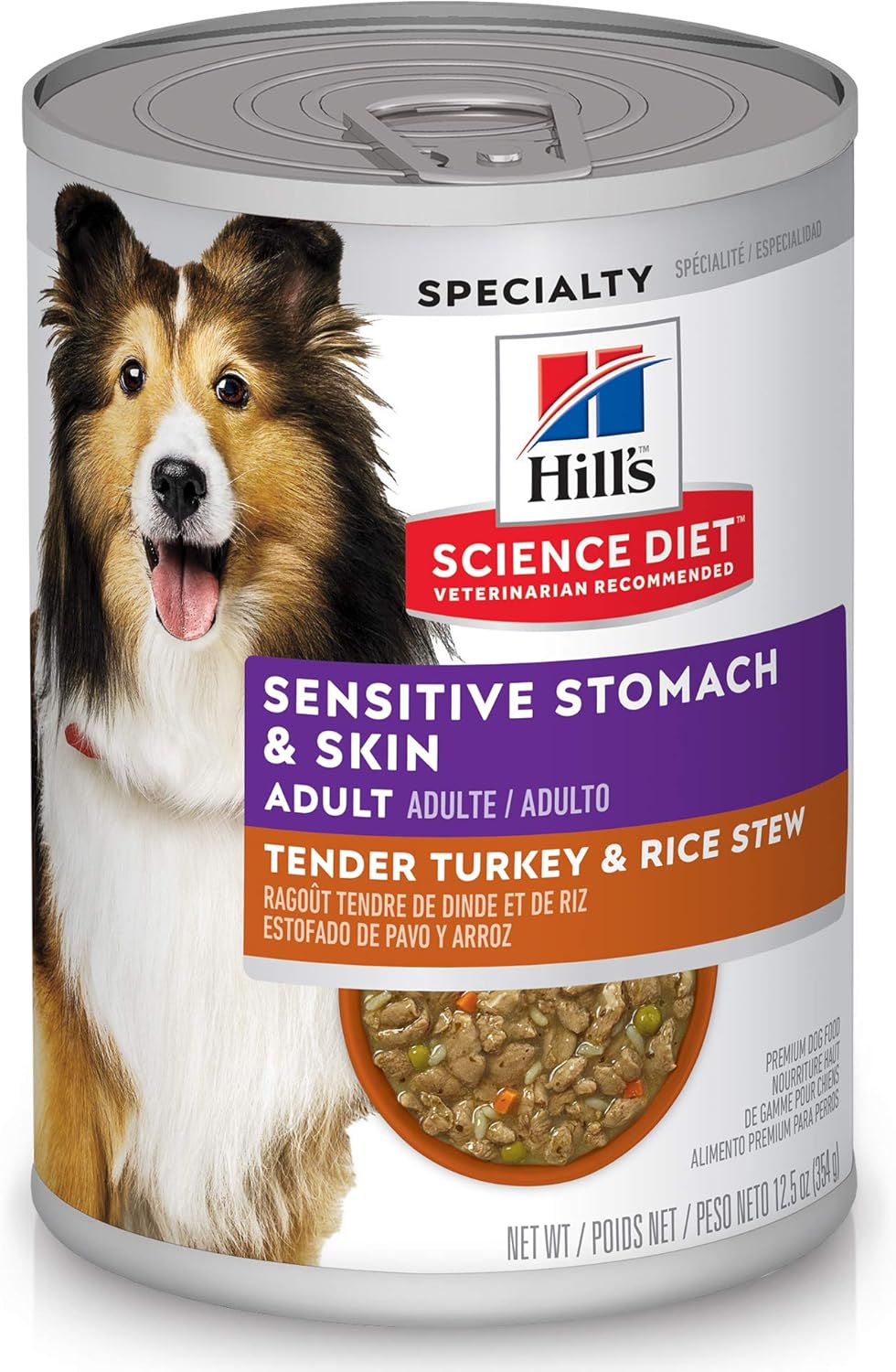
When a dog is unwell, their digestive system is often compromised. Foods high in fiber, fat, or hard-to-digest proteins can worsen symptoms like vomiting, diarrhea, or bloating. Look for canned foods that feature highly digestible proteins such as chicken, turkey, lamb, or fish—preferably named sources (e.g., “chicken” not “poultry by-product”). These proteins are broken down more efficiently, reducing strain on the stomach and intestines.
Carbohydrates should also be gentle on the gut. Easily digestible carbs include white rice, sweet potatoes, oatmeal, and pumpkin. These provide energy without triggering inflammation or digestive upset. Avoid foods with corn, soy, or wheat, which are common allergens and can irritate sensitive stomachs.
2. Limited Ingredient Formulas
Dogs with food sensitivities, allergies, or inflammatory bowel disease (IBD) benefit greatly from limited ingredient diets (LID). These formulas contain fewer components, making it easier to identify and eliminate problematic ingredients. A typical LID might include one protein source (like duck or venison), one carbohydrate (like green peas or chickpeas), and minimal additives.
Limited ingredient doesn’t mean less nutritious. In fact, many LID canned foods are fortified with essential vitamins, minerals, and omega fatty acids to support immune function and skin health. The key is simplicity: fewer ingredients mean fewer chances for an adverse reaction.
3. Moisture Content and Hydration Support
Canned dog food typically contains 70–80% moisture, making it an excellent choice for dogs who aren’t drinking enough water—especially those with kidney disease, urinary tract issues, or fever. Dehydration can worsen many illnesses, so increasing fluid intake through food is a smart strategy.
For dogs with chronic kidney disease (CKD), wet food is often recommended over dry kibble because it helps maintain hydration and reduces the workload on the kidneys. Look for formulas labeled “renal support” or “kidney care,” which are lower in phosphorus and sodium—two minerals that can be harmful in excess for dogs with compromised kidney function.
4. Protein Quality and Quantity
Protein is essential for tissue repair, immune function, and maintaining muscle mass during illness. However, not all proteins are created equal. High-quality animal-based proteins provide all the essential amino acids your dog needs. Look for named meats listed as the first ingredient (e.g., “deboned chicken” or “salmon”).
That said, protein needs vary by condition. Dogs with liver disease may require reduced protein intake to ease the liver’s metabolic burden, while those recovering from surgery or trauma need increased protein to rebuild tissue. Always consult your veterinarian to determine the optimal protein level for your dog’s specific condition.
5. Added Nutrients and Functional Ingredients
The best canned foods for sick dogs go beyond basic nutrition by including functional ingredients that support healing. Look for:
– Omega-3 fatty acids (from fish oil or flaxseed) to reduce inflammation and support skin and coat health.
– Probiotics to restore gut flora balance, especially after antibiotic use or digestive upset.
– Glucosamine and chondroitin for joint support in dogs with arthritis or mobility issues.
– Antioxidants like vitamin E, vitamin C, and beta-carotene to boost immune function.
– Prebiotics (such as chicory root or beet pulp) to feed beneficial gut bacteria.
These ingredients can make a significant difference in recovery time and overall well-being.
6. Palatability and Texture
A sick dog may have a reduced appetite due to nausea, pain, or medication side effects. If the food doesn’t smell or taste appealing, your dog simply won’t eat—and inadequate nutrition can delay healing. Canned food is naturally more aromatic and flavorful than dry kibble, but some brands go the extra mile with broth-based formulas, gravy-enhanced textures, or real meat chunks.
Texture also matters. Some dogs prefer pâté, while others do better with shredded or minced varieties. If your dog has dental pain or difficulty chewing, a smooth pâté is often the best choice. For dogs with mouth sores or recent dental work, avoid chunky or hard textures.
7. Veterinarian-Recommended or Prescription Options
For serious or chronic conditions like kidney disease, liver failure, or cancer, your vet may prescribe a therapeutic diet. These are scientifically formulated to manage specific health issues and are only available through veterinary clinics or authorized retailers.
Prescription canned foods (e.g., Hill’s Prescription Diet, Royal Canin Veterinary Diet, Purina Pro Plan Veterinary Diets) are backed by clinical research and often include precise nutrient profiles tailored to your dog’s needs. While they can be more expensive, they’re often essential for managing life-threatening conditions.
Even if your dog doesn’t require a prescription diet, choosing a brand with veterinary backing can offer peace of mind. Look for companies that employ board-certified veterinary nutritionists and conduct feeding trials.
8. Brand Transparency and Quality Control
Not all pet food companies are equal when it comes to sourcing, manufacturing, and testing. Reputable brands provide detailed information about ingredient origins, manufacturing locations, and quality assurance practices. They should also be willing to answer questions about their products.
Look for brands that:
– Conduct AAFCO (Association of American Feed Control Officials) feeding trials.
– Use human-grade ingredients where possible.
– Avoid artificial preservatives, colors, and flavors.
– Publish nutritional adequacy statements on packaging.
Avoid companies with vague labeling (e.g., “meat meal” instead of “chicken meal”) or those with a history of recalls due to contamination or mislabeling.
Different Types of Canned Dog Food for Sick Dogs

Common Buying Mistakes to Avoid
❌ Mistake: Choosing Based on Marketing Claims Alone
Why it’s bad: Phrases like “natural,” “holistic,” or “premium” are not regulated and can be used by any brand—even those with low-quality ingredients. A food labeled “grain-free” might still contain high levels of legumes, which can be problematic for dogs with certain heart conditions.
What to do instead: Always read the ingredient list and guaranteed analysis. Focus on what’s actually in the food, not what’s on the front of the label.
❌ Mistake: Ignoring Your Dog’s Specific Diagnosis
Why it’s bad: Feeding a kidney support diet to a dog with pancreatitis—or vice versa—can worsen the condition. Each illness has unique nutritional requirements.
What to do instead: Work with your veterinarian to identify the right dietary approach. Ask for a referral to a veterinary nutritionist if needed.
❌ Mistake: Switching Foods Too Quickly
Why it’s bad: Sudden diet changes can cause gastrointestinal upset, especially in sick dogs. Even high-quality foods can trigger vomiting or diarrhea if introduced abruptly.
What to do instead: Transition gradually over 7–10 days, mixing increasing amounts of the new food with the old. For very sensitive dogs, extend the transition to two weeks.
❌ Mistake: Overlooking Expiration Dates and Storage
Why it’s bad: Canned food can spoil if stored improperly or past its expiration date. Rancid fats or bacterial growth can make your dog sicker.
What to do instead: Check expiration dates before buying. Store unopened cans in a cool, dry place. Once opened, refrigerate and use within 3–5 days.
❌ Mistake: Assuming All “Veterinary” Brands Are Equal
Why it’s bad: While brands like Hill’s, Royal Canin, and Purina Pro Plan are well-established, not all their products are suitable for every condition. Some over-the-counter “wellness” lines may still contain ingredients that aren’t ideal for sick dogs.
What to do instead: Stick to their prescription or therapeutic lines for serious conditions. For mild issues, their wellness formulas may be appropriate—but always verify with your vet.
❌ Mistake: Neglecting Palatability
Why it’s bad: A perfectly formulated diet won’t help if your dog refuses to eat it. Loss of appetite is common in sick dogs, and forcing unappealing food can lead to food aversion.
What to do instead: Offer small, frequent meals. Warm the food slightly to enhance aroma. Try different textures or brands until you find one your dog accepts.
❌ Mistake: Not Monitoring Response
Why it’s bad: Even the best food can cause issues if your dog has an undiagnosed sensitivity or if their condition changes.
What to do instead: Keep a food diary. Note appetite, stool quality, energy levels, and any symptoms. Share this with your vet during follow-up visits.
Budget Guidelines: How Much Should You Spend?
Choosing the right canned dog food for a sick dog doesn’t have to break the bank—but it’s important to understand what you’re paying for. Here’s a breakdown of price tiers and what to expect at each level.
Entry-Level ($1.00–$1.80 per can): These are typically mass-market brands available at grocery stores or big-box retailers. While convenient, they often contain fillers, by-products, and artificial additives. Some may be suitable for short-term use during mild digestive upset, but they’re generally not recommended for chronic conditions or long-term feeding. Look for options with named meat sources and avoid those with corn, soy, or artificial preservatives.
Mid-Range ($1.80–$2.80 per can): This is the sweet spot for most pet owners. Brands in this range—such as Wellness, Merrick, and Nutro—offer high-quality ingredients, limited fillers, and often include functional additives like probiotics or omega fatty acids. Many are AAFCO-compliant and suitable for dogs with mild to moderate health issues. They’re widely available online and in pet stores, making them a practical choice for ongoing use.
Premium ($2.80–$4.00 per can): These formulas are designed for dogs with specific health needs. They often feature novel proteins, grain-free bases, and veterinary-grade ingredients. Brands like Blue Buffalo’s veterinary line, Instinct Raw Boost, and The Honest Kitchen fall into this category. They’re ideal for dogs with allergies, IBD, or recovering from surgery. While more expensive, the investment can lead to faster recovery and fewer vet visits.
Luxury ($4.00+ per can): At the top end are prescription diets and ultra-premium brands like Royal Canin Veterinary Diet, Hill’s Prescription Diet, and Purina Pro Plan Veterinary Diets. These are formulated by veterinary nutritionists and clinically tested. They’re essential for managing life-threatening conditions like kidney failure, liver disease, or cancer. While costly, they’re often covered partially by pet insurance and can significantly improve quality of life.
Expert Tips for Getting the Best Deal
Navigating the world of sick dog nutrition can be challenging, but a few smart strategies can help you save money without compromising quality.
1. Buy During Seasonal Sales: Major pet food brands often run promotions in January (New Year’s resolutions), June (summer wellness), and November (Black Friday). Sign up for newsletters from Chewy, Petco, or Amazon to get alerts.
2. Use Subscription Services: Auto-ship programs from Chewy, PetFlow, or brand websites offer discounts and free shipping. You can pause or cancel anytime, so there’s no risk.
3. Compare Unit Prices: Don’t just look at the total cost—check the price per ounce or per can. A larger can might seem expensive, but it could be cheaper per serving.
4. Ask Your Vet for Samples: Many veterinary clinics receive free samples of prescription diets. Ask if they have any to try before committing to a case.
5. Check Return Policies: If your dog doesn’t like the food or has a reaction, you’ll want to return it. Chewy and Petco offer generous return windows, even for opened cans.
6. Consider Store Brands: Some pet stores (like Petco’s Authority or Walmart’s Pure Balance) offer high-quality canned food at lower prices. Just verify the ingredient list.
7. Use Pet Insurance: If your dog has a chronic condition, prescription diets may be partially covered. Check your policy for details.
8. Test Small Quantities First: Buy a single can or a small case before committing to a large order. This minimizes waste if your dog rejects the food.

Frequently Asked Questions
Q: Can I feed my sick dog regular canned food?
A: It depends on the illness. For mild stomach upset, a high-quality regular canned food with easily digestible ingredients may be fine. However, for chronic conditions like kidney disease, liver failure, or pancreatitis, a therapeutic or prescription diet is usually necessary. Always consult your veterinarian before making dietary changes.
Q: How long should I feed a recovery diet?
A: Recovery diets are typically recommended for 2–6 weeks, depending on the severity of the illness. Your vet will guide you on when to transition back to a maintenance diet. Never switch abruptly—use a gradual transition.
Q: Is grain-free food better for sick dogs?
A: Not necessarily. While grain-free diets can help dogs with grain allergies, they’re not inherently healthier. Some grain-free foods are high in legumes, which have been linked to dilated cardiomyopathy (DCM) in certain dogs. Focus on digestibility and ingredient quality, not grain content alone.
Q: Can I mix canned food with dry kibble for a sick dog?
A: Yes, but only if both foods are appropriate for your dog’s condition. Mixing can help increase moisture intake, which is beneficial for kidney health. However, avoid mixing prescription diets with regular kibble unless directed by your vet.
Q: What if my dog refuses to eat the new food?
A: Try warming the food slightly, adding a small amount of low-sodium chicken broth, or mixing in a teaspoon of plain pumpkin puree. Offer small, frequent meals. If appetite doesn’t improve within 24–48 hours, contact your vet—your dog may need appetite stimulants or further treatment.
Q: Are homemade diets better than canned food for sick dogs?
A: Homemade diets can be tailored to your dog’s needs, but they require careful balancing to avoid nutritional deficiencies. Unless formulated by a veterinary nutritionist, homemade diets often lack essential nutrients. Canned therapeutic foods are scientifically balanced and often safer for long-term use.
Q: How do I know if the food is helping?
A: Monitor your dog’s symptoms: improved appetite, normal stool, increased energy, and reduced vomiting or diarrhea are good signs. Regular vet check-ups and blood work (for chronic conditions) will confirm whether the diet is effective.
Q: Can puppies or senior dogs eat the same sick dog food?
A: Puppies have higher calorie and nutrient needs, so adult therapeutic diets may not be suitable. Senior dogs, however, often benefit from the same formulas—especially those for kidney or joint support. Always check the AAFCO statement to ensure the food is appropriate for your dog’s life stage.
Q: Is it safe to feed canned food long-term?
A: Yes, as long as the food is nutritionally complete and appropriate for your dog’s health status. Many dogs thrive on canned food their entire lives. Just ensure it meets AAFCO standards and is rotated or varied occasionally to prevent nutrient imbalances.
Our Final Recommendations
After extensive research and consultation with veterinary nutritionists, here are our top picks for the best canned dog food for sick dogs in 2026:
Best for Budget-Conscious Buyers: Wellness Simple Limited Ingredient Diet
This grain-free, limited ingredient formula features real salmon or turkey as the first ingredient, with easily digestible carbohydrates like potatoes. Priced under $2.50 per can, it’s an excellent value for dogs with food sensitivities or mild digestive issues.
Best Overall Value: Merrick Grain-Free Real Chicken + Sweet Potato
With deboned chicken, sweet potatoes, and added probiotics, this formula supports digestion and immune health. It’s highly palatable and widely available, making it a reliable choice for dogs recovering from illness.
Best Premium Option: Hill’s Prescription Diet i/d Digestive Care
Clinically proven to help manage digestive disorders, this vet-recommended formula includes highly digestible proteins, prebiotic fiber, and essential nutrients. Ideal for dogs with chronic GI issues.
Best for Beginners: Purina Pro Plan Sensitive Skin & Stomach
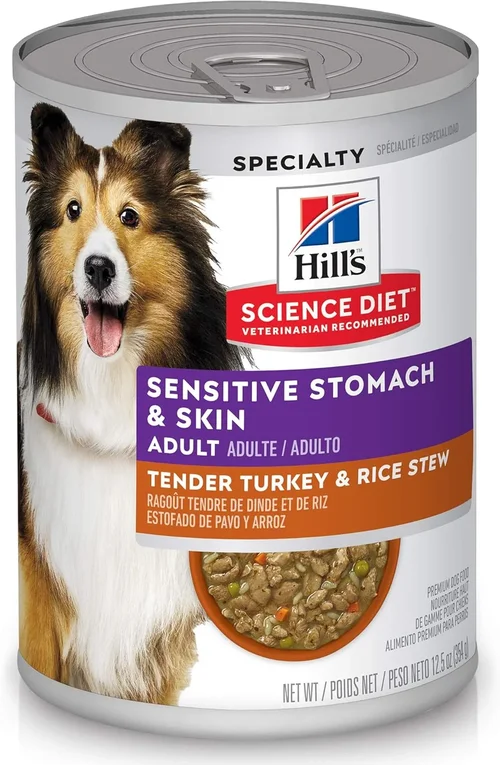
This over-the-counter option is formulated for dogs with sensitive systems. It features salmon, rice, and no artificial additives. Easy to find and vet-approved, it’s a great starting point for new pet owners.
Best for Advanced Users: Royal Canin Veterinary Diet Renal Support
Designed specifically for dogs with kidney disease, this low-phosphorus, low-sodium formula helps slow disease progression. Only available through vets, it’s the gold standard for renal care.
Conclusion: Making the Right Choice
Choosing the best canned dog food for a sick dog is one of the most important decisions you’ll make as a pet owner. It’s not just about filling their bowl—it’s about supporting their body’s ability to heal, reducing discomfort, and improving their quality of life. From digestibility and ingredient quality to moisture content and veterinary backing, every factor plays a role in your dog’s recovery.
Remember, there’s no one-size-fits-all solution. What works for a dog with kidney disease may not suit a dog with pancreatitis. Always work closely with your veterinarian, monitor your dog’s response, and be willing to adjust as their needs change. And don’t forget the power of small acts of care—warming the food, offering it by hand, or simply sitting with your dog during mealtime can make all the difference.
With the knowledge from this guide, you’re now equipped to make confident, compassionate choices. Whether you’re managing a chronic condition or helping your dog recover from a short-term illness, the right food can be a powerful tool in their healing journey. Prioritize quality, listen to your dog, and never hesitate to seek professional guidance. Your furry friend deserves nothing less.