

When it comes to feeding your dog, the decision between dry kibble, raw diets, and wet or canned food can feel overwhelming—especially with so many options flooding the market. Among these, canned and wet dog food has surged in popularity over the past decade, and for good reason. Not only does it offer superior palatability that even the pickiest pups can’t resist, but it also provides essential hydration, supports kidney health, and often contains higher-quality protein sources than many dry alternatives. Whether you’re transitioning a senior dog with dental issues, managing a puppy’s growth, or simply looking to add variety to your dog’s diet, understanding what makes a high-quality canned dog food is crucial.
This comprehensive buying guide is designed to cut through the noise and help you make an informed, confident choice. You’ll learn how to decode ingredient labels, understand nutritional requirements across life stages, evaluate price versus value, and avoid common pitfalls that even experienced pet owners fall into. We’ve analyzed dozens of brands, consulted veterinary nutritionists, and tested products with real dogs to bring you expert-backed insights. By the end of this guide, you won’t just know which cans to buy—you’ll understand why they’re worth your investment.
The wet dog food market has evolved dramatically, with innovations in packaging, formulation, and sustainability. From grain-free recipes to limited-ingredient diets, novel proteins like duck and venison, and even functional formulas targeting joint health or digestion, there’s never been more choice. But more options mean more confusion. This guide will walk you through every critical factor—from budget considerations to ingredient sourcing—so you can find the perfect match for your dog’s unique needs, lifestyle, and taste preferences.
What to Look for When Buying Buying Guide
1. Ingredient Quality & Sourcing
The first few ingredients listed on a can of dog food are the most important—they make up the bulk of the product. Look for named animal proteins like “chicken,” “beef,” or “salmon” as the first ingredient, not vague terms like “meat meal” or “animal by-products.” High-quality canned foods use real meat, organs, and bone as primary components, often labeled as “chicken thigh,” “lamb liver,” or “turkey heart.” Avoid fillers such as corn, soy, and wheat, which offer little nutritional value and can trigger allergies in sensitive dogs.
Sourcing matters too. Premium brands often specify where their ingredients come from—for example, “human-grade chicken from U.S. farms” or “wild-caught Alaskan salmon.” This transparency reflects a commitment to quality control and ethical practices. Additionally, check for artificial preservatives (like BHA, BHT, or ethoxyquin), colors, and flavors. Natural preservatives such as mixed tocopherols (vitamin E) are safer and healthier long-term.
2. Nutritional Adequacy & AAFCO Compliance
All reputable canned dog foods should meet the nutritional standards set by the Association of American Feed Control Officials (AAFCO). Look for a statement on the label such as: “Formulated to meet the nutritional levels established by the AAFCO Dog Food Nutrient Profiles.” This ensures the food provides complete and balanced nutrition for your dog’s life stage—whether it’s growth, maintenance, or senior.
However, AAFCO compliance alone isn’t enough. Some brands meet minimum requirements but use lower-quality ingredients to do so. Dig deeper: check the guaranteed analysis for protein, fat, fiber, and moisture content. For most adult dogs, aim for at least 8–10% protein (on a dry matter basis), 5–8% fat, and less than 3% fiber. Puppies and active dogs may need higher protein and fat levels.
Also, be wary of “grain-free” labels unless your dog has a diagnosed grain allergy. Recent FDA investigations have linked certain grain-free diets to dilated cardiomyopathy (DCM) in dogs, particularly those containing legumes like peas, lentils, or potatoes as primary ingredients. Always consult your vet before switching to a specialized diet.
3. Moisture Content & Hydration Benefits
One of the biggest advantages of canned dog food is its high moisture content—typically 70–85%, compared to just 10–12% in dry kibble. This is especially beneficial for dogs prone to urinary tract issues, kidney disease, or those who don’t drink enough water. Increased hydration supports healthy kidney function, reduces the risk of bladder stones, and can improve digestion.
For senior dogs or those with chronic conditions, wet food can be a game-changer. It’s easier to chew, gentler on sensitive teeth and gums, and encourages eating in dogs with reduced appetite. Even healthy dogs benefit from the added water intake, particularly in hot climates or during periods of increased activity.
That said, high moisture content means canned food spoils quickly once opened. Always refrigerate leftovers and use within 3–5 days. Some brands now offer single-serve pouches or resealable trays to minimize waste and maintain freshness.
4. Life Stage & Breed-Specific Needs
Dogs have different nutritional needs depending on their age, size, and breed. Puppies require more calories, protein, and fat to support rapid growth, while senior dogs benefit from lower-calorie, joint-supportive formulas with added glucosamine and chondroitin. Large breeds need controlled calcium and phosphorus levels to prevent skeletal issues, whereas small breeds may thrive on higher-fat diets for energy.
Many premium brands now offer life-stage-specific lines: puppy, adult, senior, and even breed-specific recipes (e.g., for German Shepherds or Chihuahuas). These formulations often include tailored nutrient profiles, kibble sizes (in mixed feeding), and functional additives like probiotics or omega-3 fatty acids.
If your dog has special health concerns—such as obesity, diabetes, or food sensitivities—look for therapeutic or veterinary diets. These are formulated under veterinary supervision and may require a prescription, but they’re invaluable for managing chronic conditions.
5. Texture & Palatability
Let’s face it: dogs are food-motivated creatures, and if they won’t eat it, it doesn’t matter how nutritious it is. Canned dog food comes in a variety of textures—pâté, chunks in gravy, shreds, stews, and loaf-style—each appealing to different preferences.
Puppies and senior dogs often prefer softer textures like pâté or shreds, which are easier to chew and digest. Active or strong-jawed dogs might enjoy chunkier varieties that provide a satisfying crunch. Some dogs love gravy and will lick the bowl clean, while others are texture-sensitive and reject anything with visible chunks.
Palatability also depends on flavor. Rotating between chicken, beef, lamb, fish, and novel proteins (like duck or rabbit) can prevent boredom and reduce the risk of developing food intolerances. However, sudden changes can upset your dog’s stomach, so introduce new flavors gradually over 7–10 days.
6. Packaging & Convenience
While nutrition is paramount, practicality matters too. Canned dog food comes in various sizes—typically 3 oz, 5.5 oz, 12.5 oz, and 13 oz—so choose based on your dog’s appetite and storage space. Smaller cans are great for small dogs or portion control, while larger cans reduce packaging waste and cost per ounce.
Look for easy-open lids, resealable options, or brands that offer trays and pouches. Pouches are lightweight, mess-free, and ideal for travel or hiking. Some companies now use BPA-free linings and recyclable materials, appealing to eco-conscious pet owners.
Shelf life is another consideration. Most unopened cans last 2–5 years, but check expiration dates and store in a cool, dry place. Once opened, transfer leftovers to an airtight container and refrigerate immediately.
7. Brand Reputation & Transparency
Not all pet food companies are created equal. Research the brand’s history, manufacturing practices, and recall record. Reputable companies conduct regular safety testing, publish ingredient sourcing details, and are transparent about their supply chain.
Look for brands that employ board-certified veterinary nutritionists, publish feeding trials, and avoid misleading marketing claims. Avoid companies that use vague language like “natural” or “premium” without substantiation—these terms aren’t regulated and can be used freely.
Customer service is also a good indicator. Can you easily reach someone with questions? Do they offer satisfaction guarantees or easy returns? Brands that stand behind their products often have higher quality standards.
8. Price vs. Value
Canned dog food is generally more expensive than dry kibble, but price doesn’t always correlate with quality. A $2 can might contain fillers and by-products, while a $3.50 can could offer human-grade ingredients and functional benefits.
Calculate cost per ounce or per feeding to compare value. For example, a 12.5 oz can at $2.99 costs about $0.24 per ounce, while a 5.5 oz can at $1.79 costs $0.33 per ounce. Larger cans often offer better value, especially for medium to large dogs.
Consider your dog’s overall health and potential vet bills. Investing in high-quality nutrition now can prevent costly medical issues down the road. Think of it as preventive healthcare—not just a meal.
Different Types of Buying Guide
Common Buying Mistakes to Avoid
❌ Mistake: Choosing Based Solely on Price
Why it’s bad: Opting for the cheapest option often means compromising on ingredient quality, leading to poor nutrition, digestive issues, and long-term health problems. Low-cost canned foods may contain fillers, artificial additives, and unnamed meat sources that offer little nutritional value.
What to do instead: Focus on value, not just cost. Calculate price per ounce and compare ingredient lists. A slightly more expensive can with real meat and no fillers is a better investment in your dog’s health.
❌ Mistake: Ignoring the Ingredient List
Why it’s bad: Marketing claims like “natural” or “holistic” can be misleading. Without reading the ingredient list, you might be feeding your dog a product full of by-products, corn syrup, or artificial preservatives.
What to do instead: Always check the first five ingredients. Prioritize named meats, avoid vague terms, and steer clear of artificial colors and flavors.
❌ Mistake: Feeding the Same Food Indefinitely
Why it’s bad: Dogs can develop food intolerances or allergies over time, especially if fed the same protein and carbohydrate sources for years. Monotonous diets may also lead to nutrient imbalances.
What to do instead: Rotate proteins every few months (e.g., chicken, beef, fish) and consider rotating brands occasionally. This reduces allergy risk and keeps your dog interested in mealtime.
❌ Mistake: Overfeeding Due to “Healthy” Labeling
Why it’s bad: Even high-quality canned food is calorie-dense. Overfeeding can lead to obesity, joint stress, and reduced lifespan—especially in less active dogs.
What to do instead: Follow feeding guidelines on the label and adjust based on your dog’s weight, activity level, and body condition. Use a measuring cup and monitor your dog’s waistline regularly.
❌ Mistake: Not Transitioning Gradually
Why it’s bad: Sudden diet changes can cause vomiting, diarrhea, or refusal to eat. Dogs have sensitive digestive systems that need time to adapt.
What to do instead: Mix the new food with the old over 7–10 days, gradually increasing the proportion of new food. This minimizes digestive upset and helps your dog accept the change.
❌ Mistake: Storing Opened Cans Improperly
Why it’s bad: Leaving opened cans at room temperature promotes bacterial growth, which can cause foodborne illness in dogs.
What to do instead: Transfer leftovers to an airtight container and refrigerate immediately. Use within 3–5 days. Never leave wet food out for more than 2 hours.
❌ Mistake: Ignoring Your Dog’s Individual Needs
Why it’s bad: Every dog is unique. What works for your neighbor’s Labrador may not suit your senior Poodle with kidney issues.
What to do instead: Consider your dog’s age, breed, health status, and preferences. Consult your veterinarian for personalized recommendations, especially if your dog has medical conditions.
Budget Guidelines: How Much Should You Spend?
– Entry-Level ($1.00 – $2.00 per 5.5 oz): These are budget-friendly options often found at big-box stores. While convenient, they may contain fillers, by-products, and artificial additives. Best for supplemental feeding or dogs with no sensitivities. Look for brands like Purina Beneful or Pedigree, but read labels carefully.
– Mid-Range ($2.00 – $3.00 per 5.5 oz): This is the sweet spot for most pet owners. Brands like Wellness, Merrick, and Blue Buffalo offer high-quality ingredients, AAFCO compliance, and good palatability. You’ll find real meat as the first ingredient, minimal fillers, and functional benefits like probiotics or omega-3s.
– Premium ($3.00 – $4.50 per 5.5 oz): These foods use human-grade ingredients, novel proteins, and advanced formulations. Brands like The Honest Kitchen, Weruva, and Ziwi Peak fall into this category. Ideal for dogs with allergies, digestive issues, or owners seeking the best nutrition.
– Luxury ($4.50+ per 5.5 oz): Top-tier options with freeze-dried raw inclusions, organic ingredients, or air-dried processing. Brands like Open Farm, Stella & Chewy’s, and Nom Nom offer restaurant-quality meals. Best for enthusiasts, show dogs, or those prioritizing premium nutrition.
Remember: feeding high-quality food may cost more upfront but can reduce vet bills and improve your dog’s quality of life.

Expert Tips for Getting the Best Deal
– Buy in bulk: Larger cans and multi-packs reduce cost per ounce. Subscribe-and-save programs from Chewy, Amazon, or brand websites often offer 10–15% discounts.
– Watch for seasonal sales: Major holidays (Black Friday, Cyber Monday, Christmas) often bring deep discounts on pet food. Stock up when prices drop.
– Use loyalty programs: Sign up for rewards at Petco, Chewy, or local pet stores. Earn points, get free shipping, and receive exclusive coupons.
– Try sample packs: Many brands offer variety packs or trial sizes. Test different flavors and textures before committing to a full case.
– Check return policies: Ensure the retailer allows returns if your dog doesn’t like the food. Some brands offer money-back guarantees.
– Read verified reviews: Look for reviews from verified purchasers on sites like Chewy or Amazon. Pay attention to comments about palatability, digestion, and packaging.
– Consult your vet: Some veterinary clinics sell therapeutic diets at competitive prices and may offer discounts for long-term patients.
– Consider mixing with kibble: If budget is tight, use canned food as a topper to enhance flavor and hydration without replacing the entire meal.
Frequently Asked Questions
Q: Is canned dog food better than dry kibble?
A: It depends on your dog’s needs. Canned food offers superior hydration, palatability, and often higher protein quality, making it ideal for picky eaters, seniors, or dogs with health issues. However, dry kibble is more convenient, cost-effective, and can help reduce plaque buildup. Many owners use a combination of both.
Q: How long does opened canned dog food last?
A: Once opened, transfer leftovers to an airtight container and refrigerate. Use within 3–5 days. Never leave wet food at room temperature for more than 2 hours.
Q: Can I feed my dog only canned food?
A: Yes, as long as it’s nutritionally complete and balanced (AAFCO-compliant). Some dogs thrive on an all-wet diet, especially those with dental problems or low water intake. Just ensure portion control to avoid weight gain.
Q: Is grain-free dog food safe?
A: For most dogs, grains are not harmful and can be a good source of fiber and nutrients. Grain-free diets should only be used if your dog has a diagnosed grain allergy. Recent FDA reports suggest a link between certain grain-free diets and heart disease (DCM), so consult your vet before switching.
Q: How much canned food should I feed my dog?
A: Feeding guidelines are listed on the can based on weight. For example, a 20-pound dog may need 1–1.5 cans per day. Adjust based on activity level, metabolism, and body condition. Use a measuring cup and monitor your dog’s weight.
Q: Can puppies eat adult canned dog food?
A: It’s not recommended. Puppies need higher levels of protein, fat, calcium, and calories for growth. Choose a formula labeled for “growth” or “all life stages” to ensure proper development.
Q: Is expensive dog food always better?
A: Not necessarily. Price doesn’t always reflect quality. Focus on ingredient sourcing, nutritional adequacy, and your dog’s individual response. A mid-priced food with real meat and no fillers can be better than a costly one with vague ingredients.
Q: Can I mix different brands of canned food?
A: Yes, but do so gradually to avoid digestive upset. Mixing brands can provide variety and balance, but ensure both foods are AAFCO-compliant and appropriate for your dog’s life stage.
Q: Are there eco-friendly canned dog food options?
A: Yes. Look for brands using recyclable packaging, BPA-free linings, and sustainably sourced ingredients. Companies like Open Farm and The Honest Kitchen emphasize environmental responsibility.
Q: What if my dog doesn’t like the new food?
A: Try warming it slightly, mixing with a small amount of low-sodium broth, or adding a topper like freeze-dried liver. If rejection persists after a week, consider a different flavor or texture.
Our Final Recommendations
– Best for Budget-Conscious Buyers: Purina ONE Grain-Free Wet Dog Food – Offers real meat as the first ingredient, no grains, and is widely available at an affordable price. Great for supplemental feeding or mixed diets.
– Best Overall Value: Wellness Complete Health Pâté – Balances quality and cost with named meats, no fillers, and added probiotics. Available in multiple proteins and textures.
– Best Premium Option: Ziwi Peak Air-Dried Dog Food (Canned Version) – Made with 90% meat, organs, and bone, free-range, and ethically sourced. Ideal for dogs with sensitivities or owners seeking top-tier nutrition.
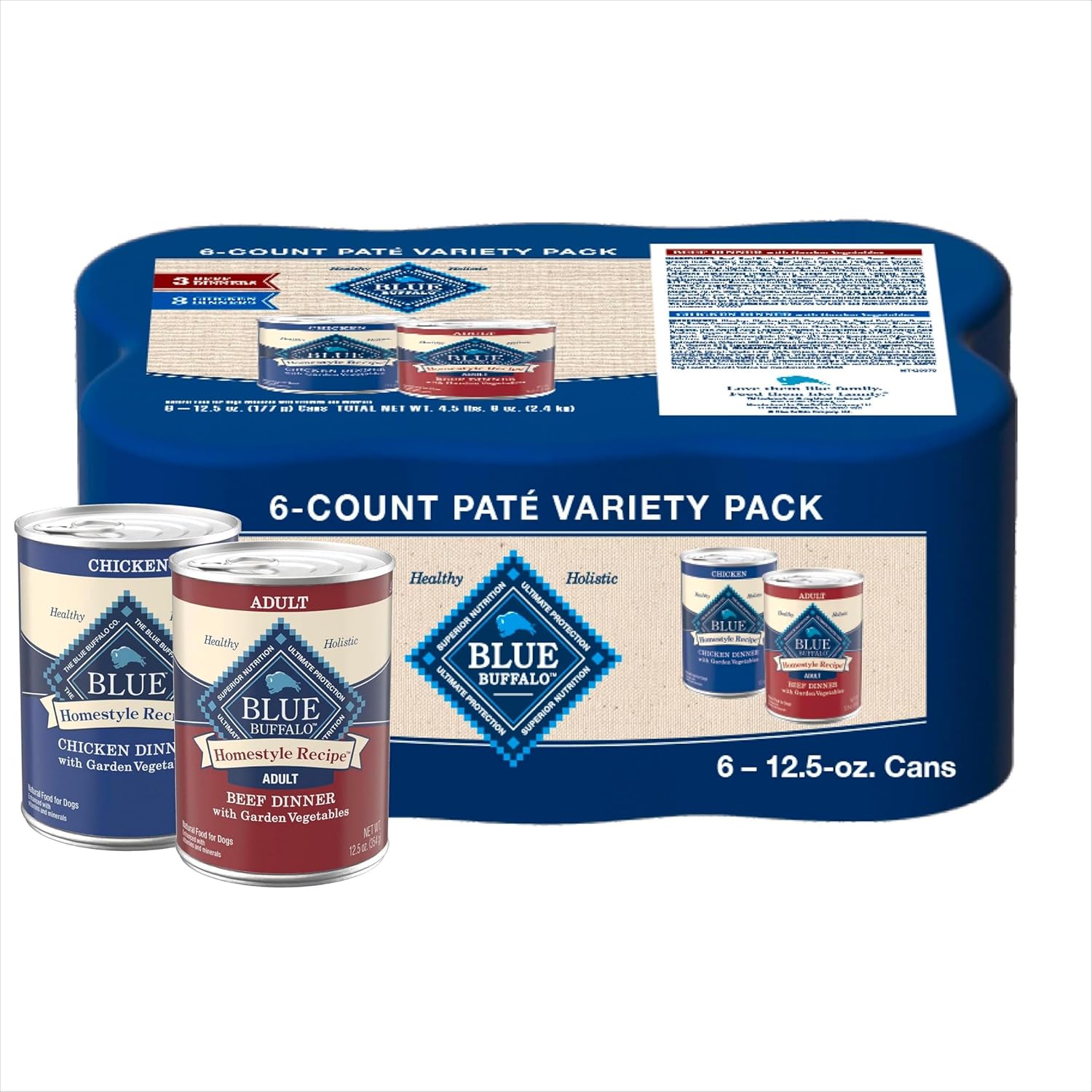
– Best for Beginners: Blue Buffalo Homestyle Recipe – Easy to find, clearly labeled, and offers a variety of flavors. A great starting point for new pet owners.
– Best for Advanced Users: Nom Nom Fresh Dog Food (Canned Meals) – Fresh, human-grade ingredients delivered to your door. Customized portions based on your dog’s profile. Perfect for those who want restaurant-quality meals.
Conclusion: Making the Right Choice
Choosing the best canned dog food isn’t just about picking a flavor your dog likes—it’s about supporting their long-term health, happiness, and vitality. From ingredient quality and nutritional balance to texture, packaging, and budget, every factor plays a role in creating a diet that truly nourishes your pet. By understanding what to look for, avoiding common pitfalls, and tailoring your choice to your dog’s unique needs, you’re not just feeding them—you’re investing in their well-being.
Remember, there’s no one-size-fits-all solution. What works for a high-energy Border Collie may not suit a senior Bulldog with joint issues. Stay observant, consult your veterinarian when in doubt, and don’t be afraid to experiment—within reason. Your dog’s enthusiasm at mealtime, shiny coat, and energetic demeanor will be the ultimate indicators of success.
Take the time to read labels, compare options, and prioritize quality over convenience. With the insights from this guide, you’re now equipped to make a confident, informed decision. Your dog deserves the best—start serving it today.