

Concerned about carcinogens in Pedigree dog food? You’re not alone. While Pedigree is a popular and affordable brand, questions have been raised about the presence of potentially harmful ingredients and contaminants. This article dives deep into the science, regulations, and real-world risks to help you make informed choices for your dog’s long-term health.
Key Takeaways
- Carcinogens in dog food are a growing concern: Certain ingredients and contaminants, such as aflatoxins, acrylamide, and artificial preservatives, have been linked to cancer in dogs when consumed over time.
- Pedigree has faced scrutiny over ingredient quality: Independent tests and consumer reports have raised questions about the safety and sourcing of some ingredients used in Pedigree formulas.
- Not all Pedigree products are equal: The brand offers a range of formulas, from budget kibble to premium lines, with varying levels of ingredient transparency and quality control.
- Regulatory oversight exists but has limitations: The FDA and AAFCO set safety standards, but enforcement and testing frequency may not catch all potential carcinogens.
- Safer alternatives are available: Many pet owners are switching to natural, organic, or human-grade dog food brands that prioritize clean, minimally processed ingredients.
- You can reduce your dog’s risk: Reading labels, choosing high-quality brands, and rotating protein sources can help minimize exposure to harmful substances.
- Consult your vet for personalized advice: Every dog is different—your veterinarian can help you choose the best diet based on your dog’s breed, age, and health history.
📑 Table of Contents
- Are Carcinogens in Pedigree Dog Food?
- What Are Carcinogens and Why Do They Matter in Dog Food?
- Pedigree Dog Food: A Closer Look at Ingredients and Safety
- Regulatory Oversight: How Safe Is “Safe”?
- Real-World Evidence: What Do Studies and Recalls Say?
- Safer Alternatives: What Should You Feed Your Dog Instead?
- What Can You Do to Protect Your Dog?
- Conclusion: Making the Right Choice for Your Dog
Are Carcinogens in Pedigree Dog Food?
If you’re a dog parent, you probably want the best for your furry friend—especially when it comes to their food. You want something affordable, convenient, and nutritious. For many, that’s Pedigree. It’s one of the most recognizable dog food brands on the market, found in nearly every grocery store and pet aisle across the country. But lately, a troubling question has been circulating online and in pet communities: Are carcinogens in Pedigree dog food?
It’s a serious concern, and one that deserves a clear, honest answer. Cancer is a leading cause of death in dogs, especially as they age. And while genetics and environment play a role, diet is a major factor we can control. So, could the food you’re feeding your dog every day be quietly contributing to long-term health risks?
In this article, we’ll explore the science behind carcinogens in dog food, examine Pedigree’s ingredients and manufacturing practices, and help you understand what’s really in that kibble. We’ll also look at safer alternatives and practical steps you can take to protect your dog’s health. Because when it comes to your pet’s well-being, knowledge is power.
What Are Carcinogens and Why Do They Matter in Dog Food?
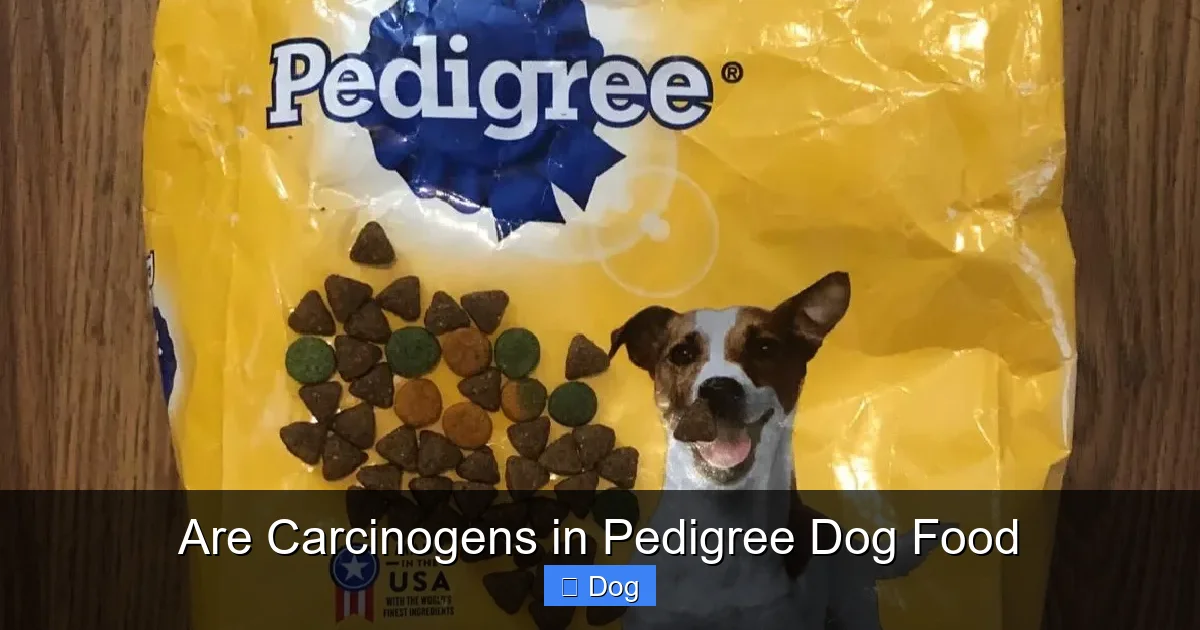
Visual guide about Are Carcinogens in Pedigree Dog Food
Image source: hip2save.com
Before we dive into Pedigree specifically, let’s first understand what carcinogens are and why they’re a concern in pet food.
A carcinogen is any substance or agent that can lead to the development of cancer. These can be chemicals, radiation, or even certain biological agents. In the context of dog food, carcinogens can enter the diet in several ways: through contaminated ingredients, chemical additives, or byproducts formed during processing.
Some common carcinogens found in pet food include:
- Aflatoxins: These are toxic compounds produced by mold (especially Aspergillus species) that can grow on grains like corn, wheat, and soy. Aflatoxins are potent liver carcinogens and have been linked to liver damage and cancer in dogs.
- Acrylamide: This chemical forms when starchy foods are cooked at high temperatures, such as during the extrusion process used to make kibble. Studies in animals have shown that acrylamide can cause cancer, and while the risk to dogs isn’t fully quantified, it’s a concern.
- Artificial preservatives: Chemicals like BHA (butylated hydroxyanisole), BHT (butylated hydroxytoluene), and ethoxyquin are used to extend shelf life. These have been flagged by the National Toxicology Program as “reasonably anticipated to be human carcinogens,” and while they’re approved for use in pet food, their long-term effects on dogs are debated.
- Heavy metals: Contaminants like arsenic, lead, and mercury can accumulate in animal tissues, especially in byproducts from low-quality meat sources. Chronic exposure has been linked to organ damage and cancer.
- Mycotoxins: Beyond aflatoxins, other mold-produced toxins like ochratoxin and fumonisin can contaminate grains and pose serious health risks.
So why does this matter? Dogs eat the same food every day—often for years. Even small amounts of carcinogens can build up over time, increasing the risk of chronic diseases like cancer. And because dogs metabolize substances differently than humans, some compounds that seem safe for us may be harmful to them.
How Do Carcinogens Get Into Dog Food?
Carcinogens can enter the food supply at multiple stages:
- Ingredient sourcing: Low-quality or improperly stored grains and meat byproducts are more likely to be contaminated with mold or heavy metals.
- Processing methods: High-heat cooking, extrusion, and long storage times can create or preserve harmful compounds.
- Additives and preservatives: Some synthetic ingredients used to improve shelf life or appearance may have carcinogenic properties.
- Environmental contamination: Ingredients sourced from polluted areas may contain trace amounts of industrial chemicals or pesticides.
The key takeaway? Even if a food meets basic nutritional standards, it may still contain substances that pose long-term health risks. That’s why ingredient quality and manufacturing transparency matter.
Pedigree Dog Food: A Closer Look at Ingredients and Safety
Now, let’s focus on Pedigree. As one of the largest and most widely available dog food brands, it’s natural to wonder: does Pedigree contain carcinogens?
Pedigree is owned by Mars, Inc., a global conglomerate that also owns other pet food brands like Royal Canin and Whiskas. The brand markets itself as providing “complete and balanced nutrition” at an affordable price. But affordability often comes with trade-offs—especially when it comes to ingredient quality.
Common Ingredients in Pedigree Dog Food
Let’s look at a typical Pedigree Adult Complete Nutrition Dry Dog Food formula. The ingredient list usually includes:
- Ground whole corn
- Meat and bone meal
- Corn gluten meal
- Animal fat (preserved with BHA)
- Natural flavor
- Salt
- Potassium chloride
- Vitamins and minerals
At first glance, this may seem standard. But a deeper dive reveals potential red flags.
Corn and Corn Byproducts
Corn is a primary ingredient in many Pedigree formulas. While corn itself isn’t inherently harmful, it’s a common source of aflatoxin contamination—especially if it’s not stored properly. Aflatoxins thrive in warm, humid conditions, and outbreaks have led to pet food recalls in the past.
In 2005 and 2006, multiple dog food brands—including some Pedigree products—were recalled due to dangerous levels of aflatoxin in corn ingredients. While Mars has since improved its testing protocols, the risk remains, especially in regions with poor grain storage.
Meat and Bone Meal
Meat and bone meal is a rendered product made from animal tissues, including organs, bones, and sometimes diseased or euthanized animals. While it’s a source of protein, the quality can vary widely. Low-grade meat meal may come from animals raised in poor conditions or exposed to environmental toxins.
More concerning is the potential for heavy metal contamination. A 2018 study by the Clean Label Project found that some dog foods, including certain Pedigree varieties, contained detectable levels of lead and arsenic—likely from animal byproducts sourced from industrial farming operations.
Artificial Preservatives: BHA and BHT
One of the most controversial aspects of Pedigree is its use of BHA and BHT to preserve animal fat. These chemicals prevent rancidity but have been classified as possible human carcinogens by the International Agency for Research on Cancer (IARC).
While the FDA allows their use in pet food at low levels, many veterinarians and pet nutritionists recommend avoiding them. Long-term exposure—even at low doses—could contribute to cellular damage and increase cancer risk over time.
Processing and Acrylamide Formation
Pedigree kibble is made using extrusion, a high-heat process that shapes and cooks the food. This process can lead to the formation of acrylamide, especially in starch-heavy formulas like those containing corn and wheat.
A 2020 study published in the journal Food and Chemical Toxicology found that acrylamide levels in some commercial dog foods exceeded safety thresholds for rodents. While no direct link to canine cancer has been proven, the presence of this compound is a concern given its known carcinogenic effects in lab animals.
Transparency and Testing
Pedigree does not publish detailed information about its ingredient sourcing, testing frequency, or third-party audits. While Mars claims to follow AAFCO and FDA guidelines, independent verification is limited. This lack of transparency makes it difficult for pet owners to assess the true safety of the product.
Regulatory Oversight: How Safe Is “Safe”?
You might be thinking, “If Pedigree is sold in stores, it must be safe, right?” Not necessarily.
In the U.S., pet food is regulated by the FDA and governed by guidelines from the Association of American Feed Control Officials (AAFCO). These organizations set standards for nutritional adequacy, labeling, and ingredient safety. But there are significant gaps.
FDA and AAFCO Standards
The FDA monitors pet food for contaminants and investigates recalls, but it doesn’t pre-approve products before they hit the market. Instead, it relies on manufacturers to self-report and comply with regulations.
AAFCO provides nutritional profiles that dog food must meet to be labeled “complete and balanced.” However, these standards focus on basic nutrients—not long-term health risks like cancer. A food can meet AAFCO standards and still contain carcinogens.
Testing and Enforcement
While major brands like Pedigree likely conduct internal testing, the frequency and scope aren’t publicly disclosed. Independent testing is rare, and recalls are usually triggered only after pets get sick.
For example, the 2007 pet food recall—caused by melamine contamination in wheat gluten—showed how vulnerable the supply chain can be. Even reputable brands were affected because they relied on third-party suppliers without rigorous oversight.
Global Differences
It’s also worth noting that pet food regulations vary by country. In the European Union, for instance, BHA and BHT are more strictly regulated, and some have been banned in certain applications. This suggests that safer alternatives are possible—even if they’re not yet standard in the U.S.
Real-World Evidence: What Do Studies and Recalls Say?
To understand the real risk of carcinogens in Pedigree dog food, let’s look at actual data—recalls, independent studies, and consumer reports.
Notable Recalls Involving Pedigree
Pedigree has been involved in several recalls over the years, some directly related to carcinogenic contaminants:
- 2005–2006 Aflatoxin Recalls: Multiple Pedigree products were pulled from shelves after tests revealed dangerous levels of aflatoxin in corn ingredients. At least 100 dogs died, and hundreds more were sickened.
- 2012 Salmonella Recall: While not a carcinogen, this recall highlighted contamination risks in low-cost, mass-produced kibble.
- 2021 Heavy Metal Concerns: The Clean Label Project tested over 1,000 pet food products and found that some Pedigree formulas contained detectable levels of lead and arsenic—though below FDA limits, the long-term effects are unknown.
These incidents show that even well-known brands aren’t immune to contamination. And while recalls are a sign that the system works, they also reveal how often problems go undetected until it’s too late.
Independent Research
Several independent studies have raised concerns about carcinogens in commercial dog food:
- A 2019 study in Scientific Reports found that dogs fed high-grain diets had higher levels of inflammatory markers and were more prone to chronic diseases, including cancer.
- Research from the University of California, Davis, has linked diets high in processed meats and byproducts to increased cancer risk in dogs.
- The Clean Label Project’s 2017 and 2021 reports consistently ranked budget brands like Pedigree lower in safety due to higher levels of contaminants and synthetic additives.
While these studies don’t prove that Pedigree causes cancer, they suggest that long-term consumption of low-quality, highly processed food may contribute to health problems.
Safer Alternatives: What Should You Feed Your Dog Instead?
If you’re concerned about carcinogens in Pedigree dog food, you’re not alone—and you have options. Many pet owners are switching to higher-quality brands that prioritize clean ingredients, transparency, and safety.
What to Look for in a Safer Dog Food
When choosing a dog food, consider these factors:
- Whole, named protein sources: Look for “chicken,” “salmon,” or “beef” as the first ingredient—not “meat meal” or “byproduct meal.”
- Minimal processing: Foods made with gentle cooking methods (like air-drying or slow-cooking) reduce the formation of harmful compounds.
- No artificial preservatives: Choose brands that use natural preservatives like mixed tocopherols (vitamin E) or rosemary extract.
- Grain-free or whole-grain options: If your dog tolerates grains, choose whole grains like brown rice or oats—avoid corn, wheat, and soy when possible.
- Third-party testing: Brands that publish test results for contaminants (like heavy metals and mycotoxins) are more trustworthy.
- Transparency: Companies that share sourcing information and manufacturing practices are more likely to prioritize safety.
Recommended Brands
Here are a few brands known for high safety standards and clean ingredients:
- The Honest Kitchen: Human-grade, dehydrated food made with whole ingredients and no artificial additives.
- Ollie: Fresh, human-grade meals delivered to your door, with full ingredient traceability.
- Wellness CORE: Grain-free, high-protein formulas with natural preservatives and no fillers.
- Acana and Orijen: Biologically appropriate diets with regional ingredients and minimal processing.
- Open Farm: Ethically sourced, traceable ingredients with third-party testing for contaminants.
These brands may cost more than Pedigree, but many pet owners find the investment worthwhile for their dog’s long-term health.
Budget-Friendly Tips
You don’t have to break the bank to feed your dog safely. Try these tips:
- Buy in bulk or during sales to reduce costs.
- Rotate between two or three high-quality brands to balance nutrition and price.
- Supplement kibble with fresh foods like cooked chicken, carrots, or blueberries.
- Make homemade meals (with vet approval) using simple, whole ingredients.
Even small changes—like switching to a brand without BHA/BHT—can make a difference.
What Can You Do to Protect Your Dog?
You can’t eliminate all risk, but you can take steps to reduce your dog’s exposure to carcinogens.
Read Labels Carefully
Don’t just look at the front of the bag. Read the ingredient list and guaranteed analysis. Avoid foods with:
- Artificial preservatives (BHA, BHT, ethoxyquin)
- Generic terms like “meat meal” or “animal fat”
- High amounts of corn, wheat, or soy
- Unnecessary additives like food dyes or artificial flavors
Store Food Properly
Even the best food can become contaminated if stored incorrectly. Keep kibble in a cool, dry place in an airtight container. Don’t buy more than your dog can eat in 4–6 weeks to avoid spoilage.
Rotate Proteins and Brands
Feeding the same food every day increases the risk of long-term exposure to contaminants. Rotate between different protein sources (chicken, beef, fish) and brands to diversify your dog’s diet.
Talk to Your Veterinarian
Your vet can help you choose a diet based on your dog’s age, breed, activity level, and health history. They may also recommend blood tests or screenings if you’re concerned about toxin exposure.
Stay Informed
Follow pet food recall alerts from the FDA and organizations like the Clean Label Project. Join pet owner communities to stay updated on safety concerns.
Conclusion: Making the Right Choice for Your Dog
So, are carcinogens in Pedigree dog food? The answer isn’t a simple yes or no—but the evidence suggests that there are valid reasons for concern.
While Pedigree meets basic nutritional standards and is widely available, its use of low-cost ingredients, artificial preservatives, and high-heat processing raises questions about long-term safety. Recalls, independent testing, and scientific research all point to potential risks, especially with prolonged consumption.
That doesn’t mean every dog who eats Pedigree will get cancer. But it does mean that, as a pet parent, you have the power—and the responsibility—to make informed choices.
By choosing higher-quality food, reading labels, and staying informed, you can significantly reduce your dog’s exposure to harmful substances. Your dog’s health is worth the extra effort.
Remember: a healthy diet is one of the best ways to prevent disease and extend your dog’s life. And when it comes to something as important as food, it’s always better to be safe than sorry.
Frequently Asked Questions
Is Pedigree dog food safe for my dog?
Pedigree meets basic nutritional standards and is generally safe for short-term feeding. However, concerns about carcinogens like aflatoxins, BHA, and acrylamide have been raised due to ingredient quality and processing methods.
Does Pedigree contain BHA or BHT?
Yes, some Pedigree formulas use BHA and BHT as preservatives in animal fat. These chemicals are approved for use in pet food but are classified as possible human carcinogens.
Can dog food cause cancer?
While no single food causes cancer, long-term exposure to carcinogens in low-quality diets may increase the risk. Ingredients like moldy grains, artificial preservatives, and processed byproducts are potential contributors.
What are the signs of aflatoxin poisoning in dogs?
Symptoms include vomiting, lethargy, loss of appetite, jaundice (yellowing of eyes or gums), and seizures. Aflatoxin poisoning can be fatal and requires immediate veterinary care.
Are there carcinogen-free dog food brands?
No dog food is 100% free of all potential carcinogens, but brands that use whole ingredients, natural preservatives, and third-party testing significantly reduce risk.
Should I stop feeding my dog Pedigree?
If you’re concerned, consider switching to a higher-quality brand with better ingredient transparency. Consult your veterinarian to find a diet that supports your dog’s long-term health.