

Yes, dogs can be allergic to certain foods, and these allergies can cause skin issues, digestive problems, and chronic discomfort. Identifying and eliminating the problematic ingredients is key to improving your dog’s health and quality of life.
Key Takeaways
- Common allergens in dogs include beef, dairy, chicken, wheat, soy, and eggs. These ingredients frequently trigger allergic reactions even when fed regularly.
- Food allergies differ from food intolerances. Allergies involve the immune system, while intolerances are digestive issues without immune response.
- Symptoms often include itchy skin, ear infections, and gastrointestinal upset. Chronic licking, chewing paws, or vomiting may signal a food allergy.
- Diagnosis typically requires an elimination diet. This involves feeding a novel protein and carb for 8–12 weeks to identify triggers.
- Hypoallergenic or limited-ingredient diets can help manage allergies. These formulas reduce exposure to common allergens.
- Always consult your veterinarian before changing your dog’s diet. Professional guidance ensures proper nutrition and accurate diagnosis.
- Reading ingredient labels is essential. Hidden sources of allergens can appear under different names on packaging.
📑 Table of Contents
Are Dogs Allergic to Any Foods?
If you’ve ever noticed your dog scratching constantly, dealing with ear infections, or having an upset stomach after eating, you might be wondering: *Are dogs allergic to any foods?* The short answer is yes—dogs can and do develop food allergies. While it’s easy to assume that a dog’s digestive system is tough enough to handle just about anything, the truth is that many common ingredients in dog food can trigger allergic reactions in sensitive pets.
Food allergies in dogs aren’t as rare as you might think. In fact, they’re one of the top three reasons pet owners seek veterinary care for skin and digestive issues. Unlike sudden reactions to a new treat, food allergies often develop over time—sometimes after months or even years of eating the same food. This delayed onset makes them tricky to spot. Your dog might have been eating chicken kibble for years without a problem, only to suddenly start showing signs of discomfort. That’s because allergies build up gradually as the immune system becomes increasingly sensitive to certain proteins or additives.
Understanding what causes these reactions, how to recognize the symptoms, and what you can do about it is crucial for keeping your furry friend happy and healthy. In this guide, we’ll walk you through everything you need to know about dog food allergies—from common culprits to diagnosis and management. Whether you’re a new pet parent or a seasoned dog owner, this information will help you make smarter choices about your dog’s diet.
What Are Dog Food Allergies?
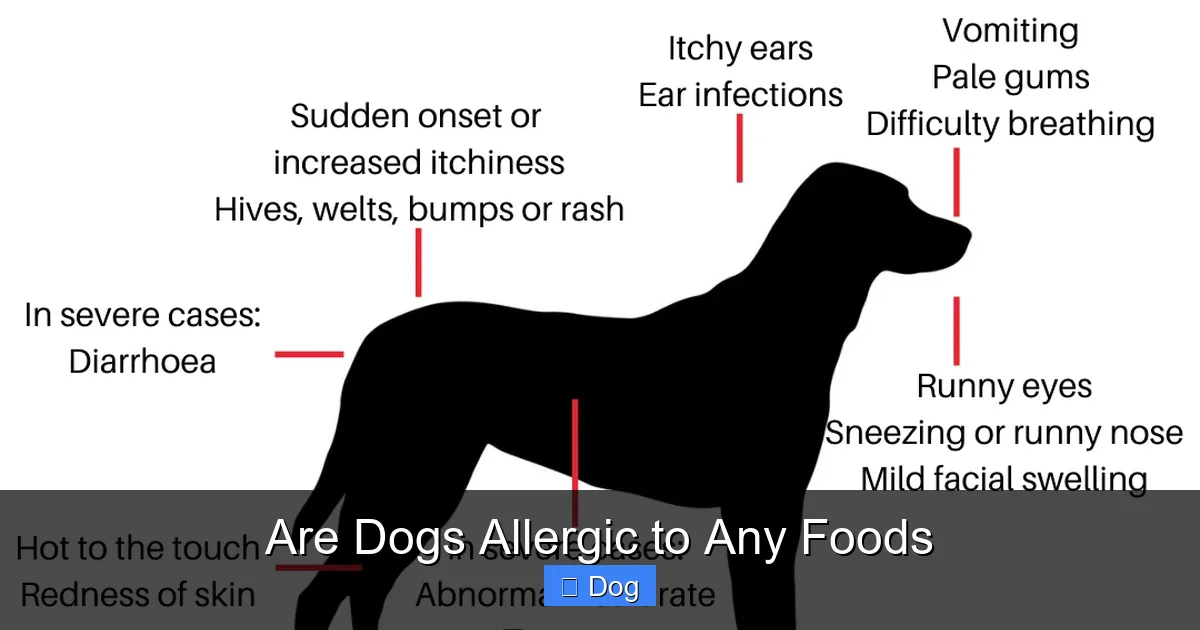
Visual guide about Are Dogs Allergic to Any Foods
Image source: pve.net.au
A food allergy in dogs occurs when the immune system mistakenly identifies a normally harmless food ingredient as a threat. When this happens, the body launches an immune response, releasing chemicals like histamine that cause inflammation and discomfort. This is different from a simple upset stomach or food intolerance, which doesn’t involve the immune system.
For example, if your dog is allergic to beef, their immune system sees beef protein as an invader. Every time they eat beef—whether in kibble, treats, or table scraps—their body reacts. Over time, this can lead to chronic inflammation, especially in the skin and digestive tract.
It’s important to note that food allergies are not the same as food sensitivities or intolerances. A food intolerance, like lactose intolerance in humans, means the dog has trouble digesting a certain ingredient—like dairy—because they lack the necessary enzymes. This causes gas, bloating, or diarrhea, but no immune response. A true food allergy, on the other hand, triggers symptoms that can affect multiple systems in the body.
Food allergies typically develop after prolonged exposure to an ingredient. That’s why many dogs become allergic to proteins they’ve eaten for years. The immune system becomes oversensitized, and eventually, even small amounts can cause a reaction.
How Common Are Food Allergies in Dogs?
Food allergies affect an estimated 10% to 15% of dogs with skin or digestive issues. While that might not sound like a huge number, it’s significant when you consider how many dogs suffer from chronic itching, ear infections, or stomach problems. In fact, food allergies are the third most common type of allergy in dogs, after flea allergies and environmental allergens like pollen or dust mites.
Certain breeds may be more prone to food allergies, including:
- Boxers
- Cocker Spaniels
- Dachshunds
- German Shepherds
- Golden Retrievers
- Labrador Retrievers
- Shar-Peis
However, any dog—regardless of breed, age, or size—can develop a food allergy. Puppies as young as five months old have been diagnosed, and older dogs can develop allergies later in life.
Food Allergy vs. Food Intolerance: What’s the Difference?
It’s easy to confuse food allergies with food intolerances, but they’re not the same. Here’s a simple way to tell them apart:
- Food Allergy: Involves the immune system. Symptoms can include itching, skin rashes, ear infections, vomiting, diarrhea, and even respiratory issues in severe cases. Reactions may not appear immediately and can worsen over time.
- Food Intolerance: Does not involve the immune system. It’s usually a digestive issue, like difficulty breaking down lactose or a sensitivity to artificial additives. Symptoms are typically limited to gas, bloating, diarrhea, or vomiting shortly after eating.
For example, a dog with a chicken allergy might develop red, inflamed skin and chronic ear infections after eating chicken-based food. A dog with a chicken intolerance might just have loose stools or stomach cramps.
Because the symptoms can overlap, it’s essential to work with your vet to determine whether your dog has a true allergy or just a sensitivity.
Common Foods That Cause Allergies in Dogs
Not all foods are created equal when it comes to triggering allergies in dogs. While any ingredient can theoretically cause a reaction, some are far more likely than others. The most common dog food allergens are proteins, but grains and additives can also be culprits.
Top Protein Allergens
Proteins are the most frequent cause of food allergies in dogs. This is because proteins are complex molecules that the immune system is more likely to误identify as harmful. The most common protein allergens include:
- Beef: One of the top offenders. Beef is a staple in many commercial dog foods, so dogs are often exposed to it from a young age. Over time, this repeated exposure can lead to sensitization.
- Dairy: Milk, cheese, and yogurt contain proteins like casein and whey that can trigger allergic reactions. Many dogs are also lactose intolerant, which adds to the confusion.
- Chicken: Another common protein in dog food. Even though chicken is often seen as a “lean” or “healthy” option, it’s a frequent allergen.
- Eggs: Eggs are highly nutritious but can cause allergies in some dogs. The protein in egg whites is usually the culprit.
- Lamb: Once considered a hypoallergenic option, lamb is now a common allergen due to its widespread use in limited-ingredient diets.
- Fish: While fish like salmon and whitefish are often recommended for sensitive dogs, some can still be allergic to certain types of fish or fish proteins.
Interestingly, the more common a protein is in dog food, the more likely a dog is to develop an allergy to it. That’s why novel proteins—like duck, venison, or kangaroo—are often used in hypoallergenic diets.
Grains and Carbohydrates
For years, grains were blamed for dog food allergies. But recent research shows that true grain allergies are actually quite rare. Dogs are omnivores and can digest grains like rice, oats, and barley without issue.
However, some dogs may be allergic to specific grains, especially wheat. Wheat contains gluten and other proteins that can trigger immune responses. Corn and soy are also potential allergens, though less common.
It’s important to note that grain-free diets are not necessarily better for dogs with allergies. In fact, some grain-free diets use legumes like peas and lentils, which have been linked to heart issues in dogs (dilated cardiomyopathy). Always consult your vet before switching to a grain-free diet.
Additives and Preservatives
Artificial ingredients can also cause allergic reactions in sensitive dogs. These include:
- Artificial colors and flavors: Often derived from coal tar or synthetic chemicals, these can trigger skin irritation and hyperactivity.
- Preservatives: BHA, BHT, and ethoxyquin are chemical preservatives used in some dog foods. While effective at extending shelf life, they’ve been linked to health concerns and allergic reactions.
- Food dyes: Red 40, Yellow 5, and Blue 2 are common dyes that may cause itching or behavioral changes in some dogs.
Natural preservatives like mixed tocopherols (vitamin E) and rosemary extract are safer alternatives and less likely to cause reactions.
Symptoms of Food Allergies in Dogs
Recognizing the signs of a food allergy is the first step toward helping your dog feel better. Unfortunately, symptoms can be subtle and develop slowly, making them easy to overlook or misattribute to other causes.
Skin-Related Symptoms
Skin issues are the most common sign of a food allergy in dogs. These symptoms are often chronic and don’t respond well to typical treatments like antibiotics or antihistamines.
Common skin symptoms include:
- Itchy skin (pruritus): Especially around the ears, paws, belly, and rear end. Dogs may scratch, lick, or chew excessively.
- Red, inflamed skin: Look for rashes, hot spots, or areas of thickened, dark skin (lichenification).
- Chronic ear infections: Recurrent yeast or bacterial infections in the ears are a red flag for food allergies.
- Hair loss: Due to constant scratching or chewing, especially on the legs, feet, or tail base.
- Recurrent skin infections: Bacterial infections (pyoderma) that keep coming back despite treatment.
These symptoms are often worse in warm weather or during times of stress, and they may not improve with flea prevention or environmental changes.
Digestive Symptoms
While less common than skin issues, digestive problems can also signal a food allergy. These symptoms may occur alongside skin problems or on their own.
Digestive signs include:
- Chronic diarrhea or soft stools: Especially if it’s persistent and not linked to a sudden diet change.
- Vomiting: Occasional vomiting after eating may indicate an intolerance, but frequent vomiting could point to an allergy.
- Excessive gas: Frequent flatulence or bloating after meals.
- Increased bowel movements: More than two to three times a day, especially if stools are loose.
- Gurgling stomach sounds: Audible digestive noises (borborygmi) may indicate gastrointestinal irritation.
It’s important to rule out other causes of digestive upset, such as parasites, infections, or inflammatory bowel disease, before assuming it’s a food allergy.
Other Possible Symptoms
In rare cases, food allergies can cause more systemic issues, including:
- Behavioral changes: Some dogs become irritable, lethargic, or anxious due to chronic discomfort.
- Weight loss: If the dog isn’t absorbing nutrients properly due to intestinal inflammation.
- Respiratory symptoms: Sneezing, coughing, or wheezing—though these are more common with environmental allergies.
If your dog shows any of these symptoms, especially if they’re persistent or worsening, it’s time to consult your veterinarian.
How to Diagnose a Food Allergy in Dogs
Diagnosing a food allergy isn’t as simple as taking a blood test or doing a skin prick test. While these tests exist, they’re often unreliable for food allergies in dogs. The most accurate method is an elimination diet.
The Elimination Diet: Gold Standard for Diagnosis
An elimination diet involves feeding your dog a completely new food made with ingredients they’ve never eaten before. This typically includes a novel protein (like duck, rabbit, or venison) and a novel carbohydrate (like sweet potato or green beans). The food should contain no other ingredients—no treats, table scraps, flavored medications, or chew toys.
The process works like this:
- Choose a limited-ingredient diet: Either a commercial hydrolyzed protein diet or a homemade diet formulated by a veterinary nutritionist.
- Feed exclusively for 8–12 weeks: No other food, treats, or flavored supplements allowed.
- Monitor symptoms: Keep a journal of your dog’s itching, scratching, stool quality, and energy levels.
- Look for improvement: If symptoms improve significantly, a food allergy is likely.
- Challenge with old food: After the trial period, reintroduce the original food. If symptoms return within days, the diagnosis is confirmed.
This method is effective because it removes all potential allergens and then tests whether the original food was the cause.
Hydrolyzed Protein Diets
Hydrolyzed protein diets are specially formulated dog foods where the proteins are broken down into tiny fragments too small for the immune system to recognize. This makes them less likely to trigger an allergic reaction.
These diets are often recommended by veterinarians for elimination trials because they’re highly controlled and nutritionally complete. Brands like Hill’s Prescription Diet z/d, Royal Canin Hypoallergenic, and Purina Pro Plan Veterinary Diets HA are common options.
Homemade Elimination Diets
Some pet owners prefer homemade diets for elimination trials. While this gives you full control over ingredients, it’s crucial to ensure the diet is balanced. Dogs need specific levels of protein, fat, calcium, and other nutrients to stay healthy.
A veterinary nutritionist can help you create a safe, balanced homemade diet using novel ingredients. Never feed a homemade diet long-term without professional guidance.
Why Blood and Skin Tests Aren’t Reliable
You may have heard of blood tests (IgE testing) or skin prick tests for food allergies. While these tests can detect sensitivities, they often produce false positives or false negatives. A positive result doesn’t always mean your dog will react to the food, and a negative result doesn’t rule out an allergy.
For this reason, most veterinarians consider elimination diets the only reliable way to diagnose food allergies in dogs.
Managing and Treating Dog Food Allergies
Once a food allergy is diagnosed, the goal is to manage it through diet and lifestyle changes. There’s no cure for food allergies, but with the right approach, most dogs can live comfortably and symptom-free.
Switching to a Hypoallergenic Diet
After identifying the allergen, your vet will likely recommend a hypoallergenic or limited-ingredient diet. These diets are designed to minimize exposure to common allergens.
Options include:
- Limited-ingredient commercial foods: Made with one protein and one carbohydrate source. Look for brands like Natural Balance, Wellness Simple, or Blue Buffalo Basics.
- Hydrolyzed protein diets: As mentioned earlier, these are highly processed to prevent immune reactions.
- Novel protein diets: Use proteins your dog has never eaten, such as kangaroo, alligator, or duck.
Always transition to a new food gradually over 7–10 days to avoid digestive upset.
Reading Ingredient Labels Carefully
Even on hypoallergenic diets, it’s essential to read labels carefully. Hidden sources of allergens can appear under different names. For example:
- Beef might be listed as “meat meal” or “beef by-products.”
- Chicken could appear as “poultry fat” or “chicken liver.”
- Wheat might be disguised as “wheat gluten” or “flour.”
Avoid foods with vague terms like “meat” or “animal digest.” Stick to brands that list specific ingredients.
Avoiding Cross-Contamination
Cross-contamination can occur during manufacturing. Some facilities process multiple proteins on the same equipment, leaving trace amounts in supposedly “single-protein” foods.
Look for brands that guarantee no cross-contamination or use dedicated facilities. If your dog has a severe allergy, this step is critical.
Treating Secondary Issues
Food allergies often lead to secondary problems like skin infections or ear infections. Your vet may prescribe:
- Antibiotics: For bacterial skin infections.
- Antifungal medications: For yeast infections in the ears or paws.
- Anti-itch medications: Such as Apoquel or Cytopoint to relieve itching while the diet takes effect.
- Medicated shampoos: To soothe inflamed skin and remove allergens.
These treatments address symptoms but don’t cure the underlying allergy. The diet change is the most important part of long-term management.
Long-Term Diet Management
Once your dog is on a safe diet, stick with it. Avoid giving treats, table scraps, or flavored medications that could contain allergens. If you want to give treats, choose ones made with the same novel ingredients as their food.
Regular vet check-ups are important to monitor your dog’s health and ensure the diet remains effective.
Preventing Food Allergies in Dogs
While you can’t always prevent food allergies, there are steps you can take to reduce the risk.
Rotate Proteins Occasionally
Some experts suggest rotating your dog’s protein sources every few months to reduce the chance of developing an allergy. For example, alternate between chicken, lamb, and fish-based foods. However, this is controversial—some vets believe it could increase the risk of sensitization.
If you choose to rotate, do it gradually and monitor for any signs of intolerance.
Choose High-Quality Dog Foods
Opt for dog foods with whole, recognizable ingredients and minimal additives. Avoid foods with artificial colors, flavors, or preservatives.
Look for brands that use named protein sources (e.g., “salmon” instead of “fish meal”) and whole grains or vegetables.
Introduce New Foods Slowly
When introducing a new food or treat, do it gradually over several days. This gives your dog’s digestive system time to adjust and helps you spot any adverse reactions early.
Maintain a Healthy Gut
A balanced gut microbiome can help reduce inflammation and improve immune function. Probiotics and prebiotics, found in some dog foods or supplements, may support digestive health.
Always consult your vet before giving supplements.
Conclusion
So, are dogs allergic to any foods? Absolutely. Food allergies are a real and manageable condition that affects many dogs. While they can’t be cured, they can be controlled with the right diet and care.
The key is early recognition and proper diagnosis. If your dog is scratching, licking, or having digestive issues, don’t ignore it. Work with your veterinarian to rule out other causes and consider an elimination diet.
By understanding common allergens, reading labels carefully, and sticking to a safe diet, you can help your dog live a happier, healthier life. Remember, every dog is different—what works for one may not work for another. Stay patient, stay informed, and always prioritize your pup’s well-being.
Frequently Asked Questions
Can puppies develop food allergies?
Yes, puppies can develop food allergies as young as five months old. Allergies often appear after repeated exposure to the same ingredient, so even early diets can trigger reactions.
How long does it take for a food allergy to show up in dogs?
Food allergies can take weeks, months, or even years to develop. Symptoms may appear suddenly, even if the dog has eaten the same food for a long time.
Can a dog be allergic to chicken even if they’ve eaten it before?
Yes, dogs can develop an allergy to chicken or any protein they’ve eaten regularly. Repeated exposure increases the risk of sensitization over time.
Are grain-free diets better for dogs with food allergies?
Not necessarily. Most dogs with food allergies react to proteins, not grains. Grain-free diets may also carry health risks, so consult your vet before switching.
Can I test my dog for food allergies at home?
Home test kits are available but often unreliable. The most accurate method is an elimination diet supervised by a veterinarian.
What should I do if my dog has a severe allergic reaction?
If your dog shows signs of anaphylaxis (swelling, difficulty breathing, collapse), seek emergency veterinary care immediately. Severe reactions are rare but life-threatening.