

Dogs are not typically allergic to cat food, but eating it regularly can cause digestive issues, obesity, and nutrient imbalances. While the occasional nibble won’t harm your dog, cat food is too high in protein and fat for canine dietary needs. Understanding the differences between dog and cat nutrition helps prevent long-term health problems.
Key Takeaways
- Dogs are not allergic to cat food by default: True allergies are rare, but digestive upset is common due to high protein and fat content.
- Cat food is nutritionally unbalanced for dogs: It lacks essential nutrients dogs need and has excess levels of others, leading to health risks over time.
- Obesity and pancreatitis are real concerns: The high caloric density of cat food can lead to weight gain and serious pancreatic inflammation in dogs.
- Accidental ingestion is usually harmless: One-time exposure typically causes mild symptoms like diarrhea or vomiting but isn’t life-threatening.
- Keep cat food out of reach: Prevent your dog from accessing cat food bowls to avoid overeating and habit formation.
- Choose species-appropriate diets: Always feed your dog food formulated for canines to ensure balanced nutrition and long-term wellness.
- Consult your vet if symptoms persist: If your dog shows ongoing digestive issues or signs of illness after eating cat food, seek professional advice.
📑 Table of Contents
- Are Dogs Allergic to Cat Food? Understanding the Risks and Realities
- What Makes Cat Food Different from Dog Food?
- Can Dogs Have Allergic Reactions to Cat Food?
- Long-Term Health Risks of Feeding Cat Food to Dogs
- What to Do If Your Dog Eats Cat Food
- How to Feed Dogs and Cats in the Same Household
- Choosing the Right Diet for Your Dog
- Conclusion
Are Dogs Allergic to Cat Food? Understanding the Risks and Realities
Have you ever caught your dog sneaking a few bites from the cat’s food bowl? It’s a common scene in multi-pet households—dogs are naturally curious, and cat food often smells more appealing than their own kibble. But while it might seem harmless, feeding your dog cat food—even occasionally—can lead to health issues. So, are dogs allergic to cat food? The short answer is no, not in the traditional sense. But that doesn’t mean it’s safe.
Unlike true food allergies, which involve an immune system response to specific proteins, most reactions dogs have to cat food are digestive in nature. Cat food is formulated specifically for feline biology, which is very different from canine needs. Cats are obligate carnivores, meaning they require a high-protein, high-fat diet to thrive. Dogs, on the other hand, are omnivores and need a more balanced mix of protein, carbohydrates, fats, vitamins, and minerals. When dogs eat cat food regularly, they’re essentially consuming a diet that’s too rich for their systems.
This mismatch can lead to a range of problems, from mild stomach upset to serious long-term health conditions like obesity and pancreatitis. While a single taste of cat food won’t hurt your dog, repeated exposure can disrupt their digestive balance and nutritional intake. In this article, we’ll explore why cat food isn’t suitable for dogs, the symptoms to watch for, and how to keep your furry friend safe and healthy.
What Makes Cat Food Different from Dog Food?
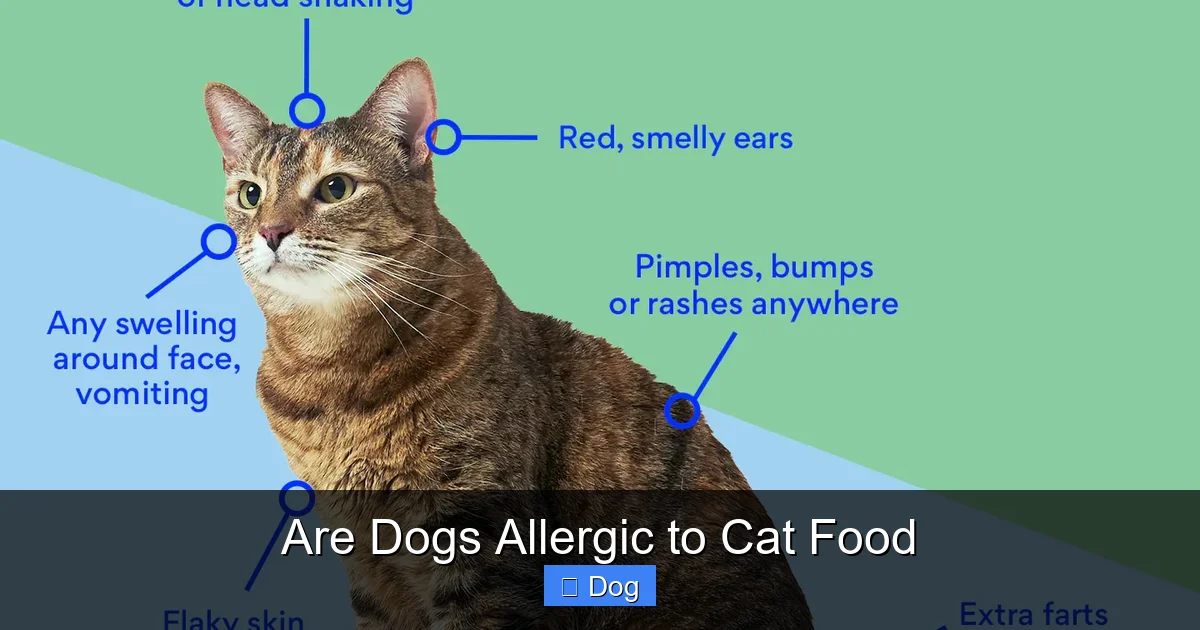
Visual guide about Are Dogs Allergic to Cat Food
Image source: media-be.chewy.com
To understand why dogs shouldn’t eat cat food, it’s important to know how the two diets differ. While both dog and cat foods are designed to provide complete nutrition, they’re tailored to the unique physiological needs of each species. These differences go beyond just flavor—they’re rooted in biology.
Protein and Fat Content
One of the biggest differences is the protein and fat levels. Cat food typically contains 30–50% protein and 15–20% fat, significantly higher than most dog foods, which usually range from 18–25% protein and 10–15% fat. Cats need this high protein intake because they can’t synthesize certain amino acids, like taurine and arginine, on their own. These nutrients are essential for heart health, vision, and immune function in cats.
Dogs, however, can produce these amino acids internally. While they still need protein for muscle maintenance and energy, too much can strain their kidneys over time, especially in older dogs or those with pre-existing kidney conditions. The excess fat in cat food also contributes to a higher calorie count—sometimes up to 500 calories per cup, compared to 300–400 in dog food. This makes cat food a calorie bomb for dogs, increasing the risk of weight gain.
Vitamins and Minerals
Another key difference lies in vitamin and mineral composition. Cat food is fortified with higher levels of certain nutrients that cats can’t make themselves. For example, cats require preformed vitamin A (retinol), while dogs can convert beta-carotene from plant sources into vitamin A. Feeding a dog a diet rich in preformed vitamin A over time can lead to toxicity, causing bone deformities and joint pain.
Similarly, cat food contains more niacin (vitamin B3) and arachidonic acid, a fatty acid that cats must get from animal sources. Dogs can synthesize arachidonic acid from plant-based oils, so excess intake isn’t beneficial and may contribute to inflammation.
Taurine and Other Amino Acids
Taurine is another nutrient that highlights the difference between species. While both dogs and cats need taurine for heart and eye health, cats cannot produce it and must obtain it from their diet. That’s why cat food is always supplemented with taurine. Dogs, however, can make their own taurine from other amino acids like cysteine and methionine. In rare cases, certain dog breeds (like Cocker Spaniels or Golden Retrievers) may develop taurine deficiencies, but feeding them cat food isn’t the solution—it’s better to address the underlying cause with a vet.
Carbohydrate Levels
Dogs thrive on a diet that includes moderate amounts of carbohydrates, which provide energy and support digestive health. Cat food, by contrast, is very low in carbs—sometimes less than 10%. While this works for cats, dogs need more fiber and complex carbs for sustained energy and healthy digestion. A diet too low in carbohydrates can leave dogs feeling sluggish and may disrupt gut bacteria.
Can Dogs Have Allergic Reactions to Cat Food?
Now, let’s address the core question: are dogs allergic to cat food? The answer is nuanced. True food allergies in dogs are relatively rare and usually involve an immune response to a specific ingredient, such as beef, chicken, dairy, or wheat. These allergies typically develop over time and cause symptoms like itchy skin, ear infections, chronic diarrhea, or vomiting.
Cat food itself isn’t a common allergen for dogs. Most dogs don’t have an immune reaction to the ingredients in cat food. However, because cat food is so rich and different from what dogs are used to, it can trigger gastrointestinal upset that mimics allergy symptoms. This is often mistaken for an allergy but is actually a case of dietary intolerance.
Common Symptoms After Eating Cat Food
If your dog sneaks into the cat’s bowl, you might notice one or more of the following symptoms within a few hours:
– Vomiting
– Diarrhea
– Gas or bloating
– Lethargy
– Loss of appetite
These signs are usually mild and resolve on their own within 24 hours. They occur because the dog’s digestive system isn’t equipped to handle such a high concentration of protein and fat. The pancreas, in particular, may struggle to produce enough enzymes to break down the meal, leading to discomfort.
In rare cases, especially with large dogs or those who eat a lot of cat food at once, more serious conditions like pancreatitis can develop. Pancreatitis is inflammation of the pancreas and can be life-threatening if not treated. Symptoms include severe vomiting, abdominal pain, dehydration, and fever. If you notice these signs, contact your veterinarian immediately.
When to Worry: Signs of a Serious Reaction
While most dogs recover quickly from a single incident, there are times when you should seek veterinary care:
– Persistent vomiting or diarrhea lasting more than 24 hours
– Blood in vomit or stool
– Severe lethargy or weakness
– Signs of abdominal pain (whining, restlessness, hunched posture)
– Refusal to eat or drink
These could indicate a more serious issue, such as pancreatitis, intestinal blockage (if the dog ate a large amount), or an underlying health condition exacerbated by the rich diet.
Long-Term Health Risks of Feeding Cat Food to Dogs
Even if your dog doesn’t show immediate symptoms, regularly eating cat food can lead to long-term health problems. Because cat food is so calorie-dense and nutritionally imbalanced for dogs, it can disrupt their overall well-being over time.
Obesity and Weight Gain
One of the most common consequences is obesity. A single cup of cat food can contain up to 500 calories—more than many dogs need in an entire meal. If your dog is eating cat food daily, even in small amounts, those extra calories add up quickly. Over time, this can lead to weight gain, which increases the risk of joint problems, diabetes, heart disease, and reduced lifespan.
For example, a 20-pound dog only needs about 300–400 calories per day, depending on activity level. If they’re regularly consuming 100–200 extra calories from cat food, they could gain a pound every few weeks. That might not sound like much, but over a year, it adds up to 10–15 pounds—a significant burden on their joints and organs.
Pancreatitis
Pancreatitis is a serious condition that can develop when a dog eats a very high-fat meal. The pancreas becomes inflamed as it tries to produce enough enzymes to digest the fat. This can cause severe pain, vomiting, and dehydration. While pancreatitis can occur after a single large ingestion of fatty food, repeated exposure—like daily snacking on cat food—increases the risk.
Certain breeds, such as Miniature Schnauzers, are more prone to pancreatitis, but any dog can be affected. Symptoms often appear suddenly and require immediate veterinary attention. Treatment may include hospitalization, IV fluids, pain management, and a strict low-fat diet during recovery.
Kidney Strain
High-protein diets can put extra strain on a dog’s kidneys, especially as they age. While healthy dogs can usually handle moderate protein intake, excessive amounts over time may contribute to kidney disease in susceptible individuals. This is particularly concerning for senior dogs or those with pre-existing kidney issues.
It’s important to note that protein itself isn’t harmful to dogs—healthy kidneys can process it efficiently. But when combined with other risk factors like dehydration, age, or genetics, a high-protein diet from cat food could accelerate kidney decline.
Dental and Digestive Issues
Cat food is often softer and more palatable than dog kibble, which can lead to dental problems in dogs. Chewing hard kibble helps scrape away plaque and tartar, promoting better oral health. If a dog is eating mostly soft cat food, they may develop gum disease, tooth decay, or bad breath.
Additionally, the lack of fiber in cat food can disrupt a dog’s digestion. Dogs need fiber to maintain healthy bowel movements and gut bacteria. A diet too low in fiber can lead to constipation or irregular stools.
What to Do If Your Dog Eats Cat Food
If you catch your dog eating cat food, don’t panic. In most cases, it’s not an emergency. But it’s important to respond appropriately to minimize discomfort and prevent future incidents.
Assess the Amount Consumed
The first step is to determine how much your dog ate. A few licks or a small handful are unlikely to cause problems. But if your dog ate an entire bowl or several cups, especially if they’re a small breed, they may be at risk for digestive upset or pancreatitis.
Monitor for Symptoms
Keep a close eye on your dog over the next 24 hours. Watch for vomiting, diarrhea, lethargy, or signs of abdominal pain. Offer small amounts of water to prevent dehydration, but avoid feeding a large meal right away. A light, bland diet (like boiled chicken and rice) can help settle their stomach once vomiting stops.
When to Call the Vet
Contact your veterinarian if your dog shows any of the following:
– Vomiting more than once or twice
– Diarrhea lasting more than a day
– Refusal to drink water
– Signs of pain or discomfort
– Known health conditions like pancreatitis or kidney disease
Your vet may recommend monitoring at home or bringing your dog in for an examination, especially if they ate a large amount.
Prevent Future Access
To avoid repeat incidents, take steps to keep cat food out of reach. Feed your cat in a separate room or use a baby gate to create a dog-free zone. Elevated feeding stations or automatic feeders that only open for the cat can also help. Training your dog to “leave it” can reinforce good behavior around food.
How to Feed Dogs and Cats in the Same Household
Living with both dogs and cats doesn’t have to mean constant food battles. With a few smart strategies, you can keep both pets happy and well-fed without risking your dog’s health.
Separate Feeding Areas
The simplest solution is to feed your pets in different rooms. Close the door while your cat eats, or use a pet gate to create a barrier. This prevents your dog from sneaking in and also gives your cat a quiet, stress-free place to eat.
Use Elevated or Cat-Only Feeders
Some pet owners use elevated feeding stations that are too high for dogs to reach. Others invest in smart feeders that recognize the cat’s microchip or collar tag and only open for them. These devices are especially helpful if your dog is persistent.
Feed at Different Times
If space is limited, try feeding your pets at different times. Feed your dog first, then let your cat eat while the dog is distracted or in another room. This reduces temptation and helps establish routines.
Choose Dog Food That Appeals to Dogs
Sometimes dogs go after cat food because it smells more appealing. Look for high-quality dog food with real meat as the first ingredient and strong aromas. Adding a small amount of wet food or broth can also make dog meals more enticing.
Train Your Dog
Basic obedience training can go a long way. Teach your dog commands like “leave it” and “stay” to prevent them from approaching the cat’s food. Positive reinforcement with treats and praise helps reinforce good behavior.
Choosing the Right Diet for Your Dog
The best way to keep your dog healthy is to feed them a diet specifically formulated for canines. Look for dog food that meets AAFCO (Association of American Feed Control Officials) standards, which ensures it provides complete and balanced nutrition.
Read the Ingredients
Choose dog food with high-quality protein sources (like chicken, beef, or fish) as the first ingredient. Avoid fillers like corn, soy, and by-products. Look for whole grains, vegetables, and healthy fats like flaxseed or fish oil.
Consider Your Dog’s Age and Activity Level
Puppies, adult dogs, and seniors have different nutritional needs. Active dogs may need more calories and protein, while senior dogs benefit from joint-supporting ingredients like glucosamine. Talk to your vet about the best diet for your dog’s life stage.
Avoid “People Food” and Treats High in Fat
Just like cat food, fatty human foods (like bacon, cheese, or fried foods) can trigger pancreatitis in dogs. Stick to dog-safe treats and avoid sharing table scraps.
Conclusion
So, are dogs allergic to cat food? Not exactly. While true allergies are rare, dogs can experience digestive upset, weight gain, and serious health issues from eating cat food regularly. The high protein, fat, and calorie content make it unsuitable for canine diets, even if it smells delicious.
The occasional nibble won’t harm your dog, but repeated exposure can lead to obesity, pancreatitis, and nutrient imbalances. The best approach is prevention—keep cat food out of reach, feed pets separately, and choose a balanced, species-appropriate diet for your dog.
By understanding the differences between dog and cat nutrition, you can keep both pets healthy and happy. When in doubt, consult your veterinarian for personalized advice. After all, a well-fed dog is a happy dog—and that’s what every pet parent wants.
Frequently Asked Questions
Can dogs eat cat food in an emergency?
Yes, in a true emergency where no dog food is available, a small amount of cat food can be given temporarily. However, it should not become a regular part of their diet due to nutritional imbalances.
How much cat food is too much for a dog?
Even a few ounces can cause digestive upset in small dogs. Large dogs may tolerate a bit more, but more than a cup at once increases the risk of pancreatitis or severe vomiting.
Will my dog get sick if they eat cat food once?
Most dogs will only experience mild symptoms like diarrhea or vomiting after a single incident. These usually resolve within 24 hours with rest and hydration.
Can puppies eat cat food?
Puppies should not eat cat food regularly. While they need more protein than adult dogs, cat food is still too rich and can disrupt their growth and digestion.
Is wet cat food safer for dogs than dry?
Wet cat food is still high in protein and fat, so it’s not safer. Both forms can cause digestive issues if eaten in large amounts or regularly.
What should I do if my dog keeps eating cat food?
Secure the cat’s feeding area, use elevated or timed feeders, and train your dog to stay away. If the behavior persists, consult a trainer or veterinarian for behavioral advice.