

Dogs are not typically allergic to cat food, but they can experience digestive upset, weight gain, and long-term health issues from eating it regularly. Cat food is formulated for feline nutritional needs, which are higher in protein and fat—levels that can overwhelm a dog’s system over time. While the occasional nibble won’t harm your dog, consistent consumption can lead to serious health problems.
Have you ever caught your dog sneaking a bite from the cat’s food bowl? It’s a common scene in multi-pet households—dogs are naturally curious, and the strong smell of cat food can be irresistible. But while it might seem harmless, feeding your dog cat food—even occasionally—can lead to unexpected health problems. You might wonder, “Are dogs allergic to cat foods?” The short answer is no, not in the way we typically think of allergies. But that doesn’t mean it’s safe.
Dogs and cats have very different nutritional needs. Cat food is specifically designed for obligate carnivores—animals that require high levels of animal-based protein and fat to thrive. Dogs, on the other hand, are omnivores with a more flexible diet. While they enjoy meat, they also benefit from carbohydrates, fiber, and a balanced mix of nutrients. When dogs eat cat food regularly, their bodies aren’t equipped to handle the excess protein and fat, which can lead to digestive upset, weight gain, and even serious conditions like pancreatitis.
This article will explore why cat food isn’t suitable for dogs, the difference between allergies and dietary intolerance, symptoms to watch for, and practical tips to keep your dog safe. Whether you’re a new pet parent or a seasoned dog owner, understanding the risks can help you make better choices for your furry friend’s health.
Key Takeaways
- Dogs are not allergic to cat food in the traditional sense: True allergies involve the immune system, and dogs rarely develop allergies specifically to cat food ingredients.
- Cat food is too rich for dogs: It contains higher levels of protein and fat than dog food, which can cause pancreatitis, obesity, and digestive issues in dogs.
- Occasional ingestion is usually safe: A small taste or accidental meal won’t harm most dogs, but it shouldn’t become a habit.
- Symptoms of overconsumption include vomiting, diarrhea, and lethargy: Watch for these signs if your dog eats cat food regularly.
- Long-term risks include pancreatitis and nutrient imbalances: High-fat diets can inflame the pancreas, and excess protein may strain kidneys in older dogs.
- Prevent access to cat food: Feed cats separately and use elevated feeders or timed feeders to keep dogs away.
- Consult your vet if your dog eats cat food frequently: A professional can assess risks and recommend dietary adjustments.
📑 Table of Contents
Understanding Pet Nutrition: Dogs vs. Cats
To truly grasp why cat food isn’t ideal for dogs, it helps to understand the fundamental differences in how dogs and cats process food. These differences aren’t just about preference—they’re rooted in biology and evolution.
Cats are obligate carnivores, meaning their bodies are built to thrive on a meat-heavy diet. They require high levels of protein, specific amino acids like taurine and arginine, and certain fatty acids that they can only get from animal sources. Cat food is formulated to meet these strict requirements, often containing 30–40% protein and 15–20% fat. It’s also rich in calories—sometimes up to 500 calories per cup—making it extremely energy-dense.
Dogs, by contrast, are omnivores. While they love meat and need protein, they can also digest and benefit from plant-based ingredients like grains, vegetables, and fruits. Dog food typically contains 18–25% protein and 10–15% fat, with a more balanced calorie count—around 300–400 calories per cup. This balance supports their active lifestyle without overloading their system.
The Role of Protein and Fat
One of the biggest issues with dogs eating cat food is the high protein and fat content. While protein is essential for muscle repair and growth, too much of it can strain a dog’s kidneys, especially in older dogs or those with pre-existing kidney conditions. The excess fat, meanwhile, can lead to rapid weight gain and increase the risk of pancreatitis—a painful and potentially life-threatening inflammation of the pancreas.
For example, imagine your dog sneaks into the cat’s bowl every day for a week. Even if it’s just a few kibbles each time, the cumulative effect can be significant. Over time, your dog may start to gain weight, become lethargic, or show signs of digestive discomfort. These aren’t signs of an allergy, but rather the body’s response to an unbalanced diet.
Nutrient Imbalances and Deficiencies
Another concern is that cat food lacks certain nutrients dogs need. For instance, dogs require more fiber to support healthy digestion, and they benefit from carbohydrates for sustained energy. Cat food is low in fiber and carbohydrates, which can lead to constipation or irregular bowel movements in dogs.
Additionally, cat food often contains higher levels of vitamin A and certain B vitamins. While these are beneficial for cats, dogs can’t efficiently convert plant-based vitamin A (beta-carotene) into its active form. Over time, excessive vitamin A from cat food can lead to toxicity, causing bone deformities, joint pain, and even liver damage.
Are Dogs Allergic to Cat Foods? The Truth About Allergies
Visual guide about Are Dogs Allergic to Cat Foods
Image source: i0.wp.com
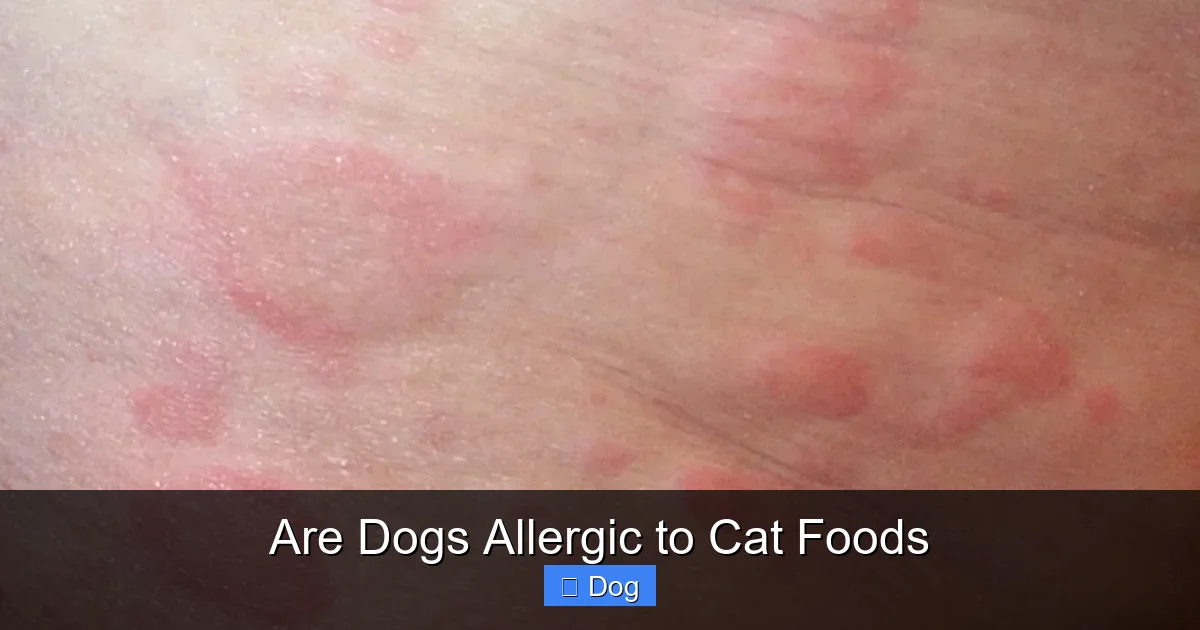
Now, let’s address the core question: Are dogs allergic to cat foods? The answer is nuanced. True food allergies in dogs are relatively rare and involve an immune system response to a specific ingredient—usually a protein like beef, chicken, or dairy. Symptoms of a food allergy include itchy skin, ear infections, chronic diarrhea, and gastrointestinal upset that persists even after dietary changes.
Cat food itself isn’t a common allergen for dogs. Most dogs don’t develop an immune reaction to the ingredients in cat food. However, that doesn’t mean they can tolerate it well. What many pet owners mistake for an allergy is actually a dietary intolerance or sensitivity.
Allergy vs. Intolerance: What’s the Difference?
It’s important to distinguish between a food allergy and a food intolerance. A food allergy triggers the immune system, leading to symptoms like hives, swelling, or even anaphylaxis in severe cases. Food intolerance, on the other hand, affects the digestive system and doesn’t involve the immune system. Symptoms include vomiting, diarrhea, gas, and bloating.
When a dog eats cat food and experiences an upset stomach, it’s usually due to intolerance—not an allergy. The high fat and protein content overwhelm the dog’s digestive system, leading to discomfort. This is why your dog might seem “fine” after one meal but develop issues after repeated exposure.
Common Misdiagnoses
Many pet owners assume their dog has a food allergy when they see symptoms like itching or diarrhea after eating cat food. However, these symptoms are more likely due to the food’s richness rather than an immune response. For example, a dog that eats cat food and develops diarrhea is probably reacting to the high fat content, not an allergy to chicken or fish.
If you suspect your dog has a food allergy, it’s best to consult your veterinarian. They may recommend an elimination diet to identify the true culprit. In most cases, the problem isn’t cat food itself—but rather the imbalance it creates in your dog’s diet.
Symptoms of Cat Food Consumption in Dogs
Even if your dog isn’t allergic to cat food, eating it can still cause noticeable health issues. The symptoms vary depending on how much was consumed and how often it happens.
Short-Term Symptoms
If your dog sneaks a few bites of cat food, you might not see any immediate effects. But if they eat a full meal or multiple servings, watch for these signs:
– Vomiting
– Diarrhea (sometimes with mucus or blood)
– Excessive gas or bloating
– Lethargy or weakness
– Loss of appetite
These symptoms usually appear within a few hours of ingestion and can last 12 to 24 hours. In most cases, they resolve on their own with rest and hydration. However, if symptoms persist or worsen, seek veterinary care.
Long-Term Health Risks
Repeated consumption of cat food can lead to more serious health problems. One of the most concerning is pancreatitis—a condition where the pancreas becomes inflamed due to high-fat intake. Symptoms include severe abdominal pain, vomiting, fever, and dehydration. Pancreatitis can be life-threatening and requires immediate medical attention.
Obesity is another long-term risk. Because cat food is so calorie-dense, dogs who eat it regularly are at higher risk of gaining weight. Obesity can lead to joint problems, diabetes, heart disease, and a shorter lifespan.
In older dogs or those with kidney issues, the high protein content can also be problematic. While healthy dogs can handle moderate protein, excess amounts may put unnecessary strain on the kidneys, potentially accelerating kidney disease.
Case Example: Max the Labrador
Consider Max, a 6-year-old Labrador who lived in a household with two cats. His owners didn’t realize he was sneaking into the cat’s food bowl every night. Over several months, Max began to gain weight and seemed less active. He also started having frequent bouts of diarrhea. The vet initially suspected a food allergy, but after reviewing his diet, they discovered the real issue: Max was eating cat food regularly. Once the owners secured the cat’s feeding area and switched Max to a balanced dog food, his symptoms improved dramatically.
Why Do Dogs Eat Cat Food?
If cat food isn’t good for dogs, why do they keep eating it? There are several reasons, many of which are rooted in natural canine behavior.
The Smell Factor
Cat food has a strong, meaty aroma that dogs find incredibly appealing. It’s often made with real fish, liver, or poultry—ingredients that are highly palatable to both species. Dogs have a keen sense of smell, and the scent of cat food can be irresistible, especially if they’re hungry or bored.
Opportunistic Eating
Dogs are natural scavengers. In the wild, their ancestors would eat whatever was available to survive. This instinct carries over to domestic dogs, who see an open food bowl as an opportunity—not a species-specific meal. If the cat’s food is left out, a dog will likely help themselves.
Boredom and Curiosity
Dogs are curious creatures. If they see the cat eating something different, they may want to try it out of curiosity. Boredom can also drive this behavior—dogs with nothing else to do may explore the house and discover the cat’s food.
Social Feeding
In multi-pet homes, dogs may mimic the cat’s eating habits. If they see the cat enjoying a meal, they might think it’s something special worth trying. This is especially true in households where pets eat together or share spaces.
How to Prevent Dogs from Eating Cat Food
The best way to protect your dog’s health is to prevent access to cat food. Here are some practical strategies:
Feed Cats Separately
Designate a separate area for your cat to eat, ideally in a room your dog can’t access. Use a baby gate or keep the door closed during feeding times. This ensures your cat can eat in peace and your dog won’t be tempted.
Use Elevated Feeders
Place your cat’s food bowl on a high surface, like a counter or cat tree. Most dogs can’t jump that high, but cats can easily reach it. Just make sure the surface is stable and safe for your cat.
Try Timed or Automatic Feeders
Automatic feeders dispense food at set times and can be programmed to open only for your cat. Some models use microchip recognition, so only the cat with the matching chip can access the food. This is a great solution for busy households.
Supervise Meal Times
If possible, supervise both pets during meals. This allows you to intervene if your dog tries to sneak a bite. It also helps establish a routine and reduces competition between pets.
Train Your Dog
Teach your dog the “leave it” command. This simple trick can prevent them from grabbing food they shouldn’t have. Positive reinforcement training works best—reward your dog with treats and praise when they obey.
Choose Dog-Friendly Alternatives
If your dog is curious about the cat’s food, offer them a high-quality dog treat with a similar smell or flavor. This satisfies their curiosity without risking their health.
What to Do If Your Dog Eats Cat Food
Accidents happen. If your dog eats cat food, here’s what to do:
Assess the Amount
If it was just a few kibbles, your dog will likely be fine. Monitor them for any signs of upset. But if they ate a full bowl or multiple servings, take action.
Watch for Symptoms
Keep an eye out for vomiting, diarrhea, lethargy, or abdominal pain. These symptoms usually appear within a few hours. If they persist for more than 24 hours or worsen, contact your vet.
Encourage Hydration
Make sure your dog has access to fresh water. Dehydration can worsen digestive issues, so encourage them to drink.
Withhold Food Temporarily
If your dog is vomiting or has diarrhea, withhold food for 12 to 24 hours to let their stomach settle. After that, reintroduce a bland diet like boiled chicken and rice in small portions.
Contact Your Veterinarian
If your dog shows signs of pancreatitis—such as severe vomiting, abdominal pain, or lethargy—seek immediate veterinary care. Pancreatitis requires prompt treatment to prevent complications.
Conclusion
So, are dogs allergic to cat foods? The answer is no—dogs don’t typically develop allergies to cat food. However, they can suffer from digestive upset, weight gain, and serious health conditions like pancreatitis if they eat it regularly. Cat food is simply too rich and unbalanced for a dog’s dietary needs.
The occasional nibble won’t harm your dog, but consistent consumption can lead to long-term problems. The key is prevention: keep cat food out of reach, feed pets separately, and train your dog to respect boundaries. If your dog does eat cat food, monitor them closely and consult your vet if symptoms arise.
By understanding the differences between dog and cat nutrition, you can make informed choices that support your dog’s health and well-being. After all, a happy dog is a healthy dog—and that starts with the right food.
Frequently Asked Questions
Can dogs eat cat food once in a while?
Yes, dogs can eat cat food occasionally without serious harm. A small amount won’t cause issues for most dogs, but it shouldn’t become a regular habit due to the high fat and protein content.
What happens if my dog eats a whole bowl of cat food?
If your dog eats a full bowl, they may experience vomiting, diarrhea, or lethargy. Monitor them closely and contact your vet if symptoms persist or worsen, as it could lead to pancreatitis.
Is cat food toxic to dogs?
Cat food is not toxic to dogs, but it’s not safe for regular consumption. The high fat and protein levels can cause digestive upset and long-term health problems like obesity and pancreatitis.
Can dogs develop allergies from eating cat food?
Dogs are unlikely to develop true allergies to cat food. Most reactions are due to dietary intolerance from the food’s richness, not an immune response.
How can I stop my dog from eating cat food?
Feed your cat in a separate room, use elevated feeders, or invest in a microchip-activated automatic feeder. Training your dog with commands like “leave it” can also help.
Should I take my dog to the vet after they eat cat food?
Not necessarily. If it was a small amount and your dog shows no symptoms, monitoring at home is usually fine. But if they ate a large quantity or show signs of illness, consult your vet immediately.