
The idea that dogs are widely eaten in China is a complex mix of historical practice, regional traditions, and modern misconceptions. While dog meat consumption exists in certain areas, it’s far from common and is increasingly opposed by both locals and the government.
Key Takeaways
- Dog meat is not a mainstream food in China: Only a small minority of people consume dog meat, and it’s largely limited to specific regions and festivals.
- Historical and cultural roots exist: Dog meat has been eaten in parts of China for centuries, often tied to traditional beliefs about health and seasonality.
- Legal and regulatory changes are underway: Several Chinese cities and provinces have banned or restricted dog meat sales, and national legislation is being considered.
- Growing opposition from Chinese citizens: Urban populations, especially younger generations, increasingly view dogs as companions, not food.
- International perception vs. reality: Media often exaggerates dog consumption in China, leading to misunderstandings about the country’s relationship with dogs.
- Animal welfare movements are rising: Rescue groups, social media campaigns, and public protests are helping shift attitudes and protect dogs.
- Travelers should be aware but not alarmed: Most Chinese people do not eat dog meat, and it’s rarely found in mainstream restaurants.
📑 Table of Contents
- Are Dogs Food in China? Understanding the Truth Behind a Controversial Topic
- A Brief History of Dog Meat in China
- Regional Differences: Where Dog Meat Is Still Consumed
- Legal Status and Government Action
- Changing Attitudes: The Rise of Pet Culture in China
- Misconceptions and Media Representation
- The Future of Dogs in China
- Conclusion
Are Dogs Food in China? Understanding the Truth Behind a Controversial Topic
When people ask, “Are dogs food in China?” they’re often reacting to shocking headlines or viral videos showing dogs in distress. It’s a question rooted in concern, confusion, and sometimes fear. But the reality is far more nuanced than a simple yes or no. While dog meat has been consumed in certain parts of China for centuries, it is not a common or widely accepted practice today. In fact, attitudes are rapidly changing, and the consumption of dog meat is increasingly seen as outdated, cruel, and socially unacceptable—even within China itself.
To understand this issue, we need to look beyond stereotypes and examine the cultural, historical, legal, and social factors at play. Dogs have long held a special place in Chinese society—not just as food, but as companions, protectors, and symbols of loyalty. From ancient myths to modern pet ownership, dogs are deeply woven into the fabric of Chinese life. Yet, in some regions, particularly in the south, dog meat has been part of local cuisine, especially during festivals like Yulin. This duality—dogs as both beloved pets and occasional food—creates confusion for outsiders and tension within the country.
This article will explore the truth about dogs and food in China. We’ll look at the history of dog consumption, current laws and regulations, regional differences, and how public opinion is shifting. We’ll also address common misconceptions and provide practical insights for travelers, animal lovers, and anyone curious about this sensitive topic. By the end, you’ll have a clearer, more balanced understanding of whether dogs are food in China—and what the future might hold.
A Brief History of Dog Meat in China

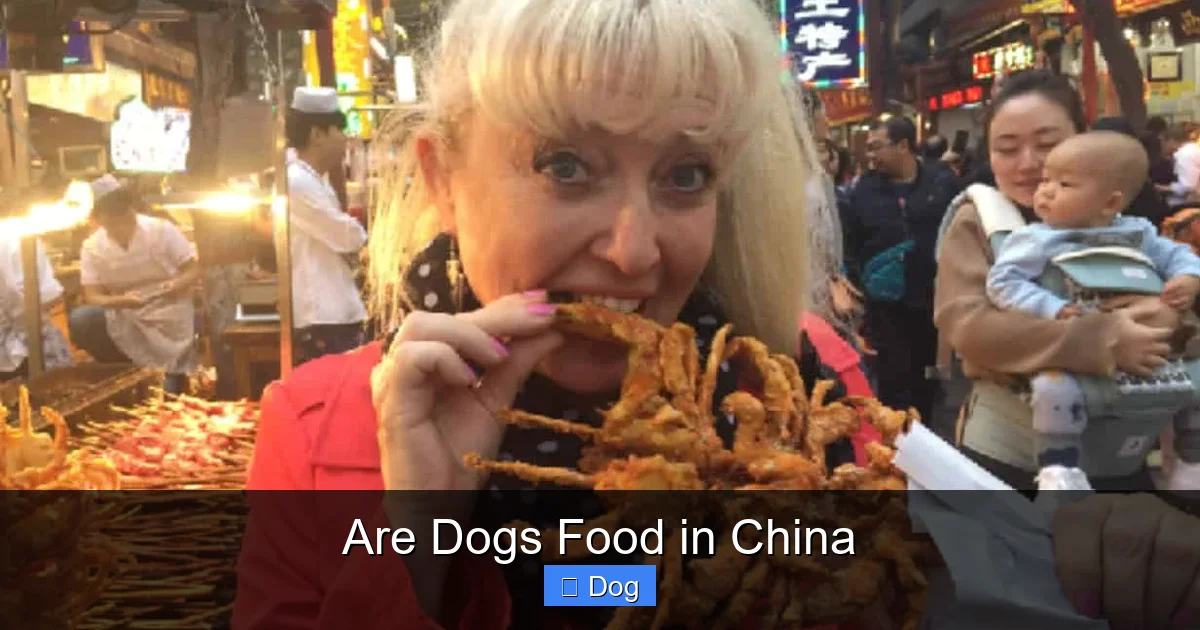
Visual guide about Are Dogs Food in China
Image source: grammarvocab.com
To understand why some people in China eat dog meat, we need to go back in time. The practice isn’t new—it dates back thousands of years. Archaeological evidence suggests that dogs were domesticated in China as early as 12,000 years ago, and for much of that time, they served multiple roles: hunting partners, guardians, and yes, sources of meat.
In ancient China, dog meat was considered a delicacy and was often eaten during important ceremonies or seasonal festivals. It was believed to have warming properties, making it popular in colder months or during the summer solstice. Some traditional Chinese medicine practices also recommended dog meat for boosting energy or improving circulation, though these beliefs are not supported by modern science.
One of the most well-known historical references to dog meat comes from the Han Dynasty (206 BCE – 220 CE), when it was reportedly consumed by soldiers and laborers for its perceived strength-giving qualities. Over time, the practice became more regional, with certain areas—like Guangdong, Guangxi, and Yunnan—developing stronger traditions around dog meat consumption.
However, it’s important to note that even in ancient times, dog meat was not a daily staple. It was more of a seasonal or ceremonial food, eaten on special occasions rather than as part of regular meals. And while some people ate it, many others did not. Confucian values, which emphasize compassion and harmony, often discouraged the consumption of animals considered loyal or intelligent—like dogs.
By the 20th century, dog meat consumption began to decline. Urbanization, economic development, and changing lifestyles made it less practical and less appealing. The rise of pet culture in cities like Beijing, Shanghai, and Shenzhen further shifted public attitudes. Today, most Chinese people—especially in urban areas—view dogs as family members, not food.
Regional Differences: Where Dog Meat Is Still Consumed
While dog meat is not common across China, it does persist in certain regions. The most well-known of these is Yulin, a city in the Guangxi province. Every June, Yulin hosts a dog meat festival that draws international attention—and condemnation. During the festival, thousands of dogs are reportedly slaughtered and eaten, often in public markets or roadside stalls.
But even in Yulin, the situation is more complicated than it appears. The festival is not officially sanctioned by the government, and many locals do not participate. In fact, surveys have shown that a majority of Yulin residents do not eat dog meat regularly—or at all. The festival has become a symbol of the issue, but it doesn’t represent the entire region or the country.
Other areas where dog meat has been traditionally consumed include parts of Guangdong, Guizhou, and Hunan provinces. In these places, dog meat is sometimes served in restaurants, especially in rural or mountainous regions. It’s often referred to as “fragrant meat” or “sweet meat” to avoid using the word “dog,” which can carry negative connotations.
However, even in these regions, consumption is declining. Younger generations are less likely to eat dog meat, and many older consumers are rethinking their habits due to concerns about animal welfare and public health. The rise of social media has also made it harder for such practices to go unnoticed—or unchallenged.
It’s also worth noting that the supply chain for dog meat is often unregulated and inhumane. Many dogs are stolen pets, strays, or animals raised in poor conditions. Transport and slaughter methods are frequently cruel, leading to widespread criticism from animal rights groups and the general public.
Legal Status and Government Action
One of the most significant developments in recent years is the changing legal landscape around dog meat in China. While there is no nationwide ban on dog consumption, several cities and provinces have taken steps to restrict or prohibit it.
In 2020, Shenzhen became the first city in China to ban the consumption of dog and cat meat outright. The law, which took effect in May 2020, prohibits the breeding, sale, and consumption of dogs and cats for food. Violators can face fines or even criminal charges. Shenzhen’s move was widely praised by animal welfare organizations and signaled a major shift in policy.
Other cities, including Zhuhai and Jiangmen, have since followed suit with similar bans. In 2021, the city of Guangzhou proposed a ban on dog and cat meat, though it has not yet been enacted. These local laws reflect growing public demand for animal protection and reflect broader trends in Chinese society.
At the national level, the Chinese government has not banned dog meat, but it has taken steps to regulate the industry. In 2020, the Ministry of Agriculture and Rural Affairs removed dogs from the official list of livestock, effectively reclassifying them as companion animals. This was a symbolic but important move—it signaled that dogs are not meant for food production.
Additionally, the government has cracked down on illegal dog meat operations, particularly those involving stolen pets or unsanitary conditions. In 2021, authorities in Guangxi shut down several dog meat markets and rescued hundreds of dogs. These actions show that the state is increasingly willing to intervene in the name of public health and animal welfare.
Still, enforcement remains inconsistent. In rural areas, where oversight is limited, dog meat sales continue. And while the government supports animal protection in principle, it also respects regional traditions—making nationwide reform a slow and delicate process.
Changing Attitudes: The Rise of Pet Culture in China
Perhaps the most powerful force driving change is the rapid growth of pet ownership in China. Over the past two decades, dogs have gone from being working animals to beloved family members. In cities like Beijing and Shanghai, it’s common to see people walking their dogs in parks, buying them designer clothes, and celebrating their birthdays with cakes.
This shift is driven by several factors. First, China’s rising middle class has more disposable income to spend on pets. Second, urbanization has led to smaller living spaces and fewer children, making pets a popular alternative for companionship. Third, social media has normalized pet ownership, with influencers and celebrities showcasing their dogs online.
As a result, dogs are increasingly seen as part of the family—not food. A 2021 survey by the Chinese Pet Industry Association found that over 60% of urban Chinese households view dogs as companions, and only a tiny fraction support dog meat consumption. Younger people, in particular, are strongly opposed to the idea.
This cultural shift has fueled a growing animal welfare movement. Rescue groups, shelters, and advocacy organizations are popping up across the country. Volunteers rescue dogs from meat markets, provide medical care, and find them loving homes. Social media campaigns have gone viral, with hashtags like #StopYulin and #SaveDogsFromChina raising awareness and pressuring authorities to act.
Even some former dog meat consumers have spoken out against the practice. In interviews, they describe feeling ashamed or conflicted after learning about the suffering involved. Many say they would never eat dog meat again—especially if they’ve owned a pet.
This changing mindset is not just about ethics—it’s also about identity. As China modernizes, many people want to be seen as compassionate, progressive, and in line with global values. Eating dog meat, once a private tradition, is now seen by many as backward or embarrassing.
Misconceptions and Media Representation
One of the biggest challenges in discussing dog meat in China is the gap between perception and reality. International media often portrays China as a country where dogs are routinely eaten, with sensational headlines like “China’s Dog Meat Trade” or “Thousands of Dogs Slaughtered for Food.”
While these stories are based on truth, they can be misleading. They tend to focus on isolated incidents—like the Yulin festival—while ignoring the broader context. They rarely mention that most Chinese people don’t eat dog meat, or that the practice is declining.
This skewed representation can fuel xenophobia and misunderstanding. It paints an entire nation with a broad brush, ignoring regional diversity and cultural complexity. It also overlooks the fact that many Chinese citizens are just as horrified by dog meat as people in other countries.
Moreover, the media often fails to distinguish between legal and illegal practices. While dog meat is not banned nationwide, the way it’s produced—through theft, smuggling, and cruel slaughter—is often illegal. Focusing only on consumption distracts from the real issue: animal cruelty and lack of regulation.
Another misconception is that dog meat is a staple food in China. In reality, it’s a niche product, eaten by a small minority. According to estimates, less than 1% of the Chinese population consumes dog meat regularly. Compare that to pork, which is eaten by over 90% of people—and it’s clear that dog meat is not a significant part of the national diet.
Travelers to China are often concerned about accidentally eating dog meat. But the truth is, it’s extremely rare in mainstream restaurants. Most Chinese people would be shocked—and offended—if a foreigner asked for dog meat. And if you’re dining in a city like Beijing or Shanghai, you’re far more likely to find vegan options than dog dishes.
The Future of Dogs in China
So, what does the future hold for dogs in China? The signs are promising. With growing public awareness, stronger laws, and a cultural shift toward compassion, the era of dog meat consumption is likely coming to an end.
Animal welfare organizations are pushing for a nationwide ban on dog and cat meat. They argue that it’s not only cruel but also a public health risk—dogs can carry diseases like rabies, and unregulated slaughter increases the chance of outbreaks.
The Chinese government appears to be listening. In 2022, officials announced plans to draft a national animal protection law, which could include provisions on dog meat. While progress is slow, the direction is clear: China is moving toward a future where dogs are protected, not eaten.
At the same time, the pet industry is booming. Dog parks, pet cafes, and pet-friendly hotels are becoming more common. Dog training, grooming, and healthcare services are on the rise. This growing economy reflects a deeper truth: dogs are no longer just animals—they’re family.
For travelers, activists, and dog lovers, this means a more hopeful outlook. While challenges remain, the momentum is shifting. And as more Chinese people stand up for animal rights, the question “Are dogs food in China?” may one day be answered with a firm and universal “No.”
Conclusion
The question “Are dogs food in China?” doesn’t have a simple answer—but the truth is more hopeful than many realize. While dog meat has been part of certain regional traditions, it is not a mainstream practice, and it’s becoming less common every year. Legal reforms, changing attitudes, and a growing animal welfare movement are all working to protect dogs and end the consumption of dog meat.
China is a vast and diverse country, and its relationship with dogs reflects that complexity. Dogs are cherished companions in cities, working animals in rural areas, and, in a few places, still consumed as food. But the trend is clear: the future belongs to compassion, not consumption.
For anyone concerned about animal welfare, the best way to help is to support education, advocacy, and responsible tourism. Avoid spreading misinformation, respect cultural differences, and celebrate the progress being made. Because while the journey isn’t over, the destination—a world where dogs are loved, not eaten—is within reach.
Frequently Asked Questions
Is dog meat legal in China?
Dog meat is not banned nationwide in China, but several cities and provinces have enacted local bans. The national government has reclassified dogs as companion animals, signaling a shift away from treating them as livestock.
Do most Chinese people eat dog meat?
No, the vast majority of Chinese people do not eat dog meat. It is consumed by a small minority, mostly in specific regions, and is increasingly opposed by the public.
What is the Yulin Dog Meat Festival?
The Yulin Dog Meat Festival is an annual event in Guangxi province where dog meat is consumed. It has drawn international criticism, but it is not officially endorsed by the government, and many locals do not participate.
Are dogs considered pets in China?
Yes, especially in urban areas. Pet ownership is growing rapidly, and dogs are widely seen as family members. Many Chinese people oppose dog meat consumption on ethical grounds.
Can travelers accidentally eat dog meat in China?
It’s highly unlikely. Dog meat is not served in mainstream restaurants, and most Chinese people would find the idea offensive. Travelers can dine safely without concern.
What is being done to stop dog meat consumption in China?
Animal welfare groups, social media campaigns, and local governments are working to ban dog meat sales, rescue dogs, and change public attitudes. National legislation is also being considered.