

While dogs are natural gulpers, chewing their food is actually beneficial—not just for digestion, but for dental health and mental stimulation. Encouraging proper chewing habits can prevent choking, reduce bloat risk, and improve nutrient absorption.
Key Takeaways
- Chewing aids digestion: Breaking down food in the mouth starts the digestive process, helping your dog absorb nutrients more efficiently.
- Reduces risk of bloat: Dogs that gulp food are at higher risk for gastric dilatation-volvulus (GDV), a life-threatening condition.
- Promotes dental health: Chewing helps scrape away plaque and tartar, reducing the risk of gum disease and bad breath.
- Provides mental stimulation: The act of chewing engages your dog’s mind, reducing boredom and destructive behaviors.
- Slows eating pace: Slow feeders and puzzle toys can encourage chewing and prevent rapid consumption.
- Supports jaw strength: Regular chewing strengthens jaw muscles and supports overall oral health.
- Not all dogs chew naturally: Some breeds or individuals may need encouragement to chew rather than swallow whole.
📑 Table of Contents
Are Dogs Supposed to Chew Their Food?
You’ve probably seen it before—your dog inhales their kibble in seconds flat, barely pausing to breathe. It’s a common sight in many households, and while it might seem harmless, it raises an important question: are dogs supposed to chew their food?
At first glance, dogs don’t appear to be big chewers. Unlike humans, they don’t savor each bite or grind their food into tiny pieces. In fact, many dogs seem to treat mealtime like a race. But just because they *can* swallow food whole doesn’t mean they *should*. Chewing plays a vital role in your dog’s health, even if it’s not as obvious as it is in humans.
So, what’s the real story? Are dogs biologically designed to chew, or are they built to gulp? The answer lies in understanding their anatomy, instincts, and the long-term effects of how they eat. While dogs are descendants of wolves—animals that tear and chew raw meat, bones, and organs—modern domesticated dogs often eat processed kibble that’s easy to swallow. This shift in diet has changed how dogs eat, but not necessarily how they *should* eat.
In this article, we’ll explore the science behind canine chewing, why it matters for your dog’s health, and how you can encourage better eating habits. Whether you have a fast eater or a picky chewer, understanding the importance of chewing will help you support your dog’s digestion, dental health, and overall well-being.
The Science Behind Canine Chewing
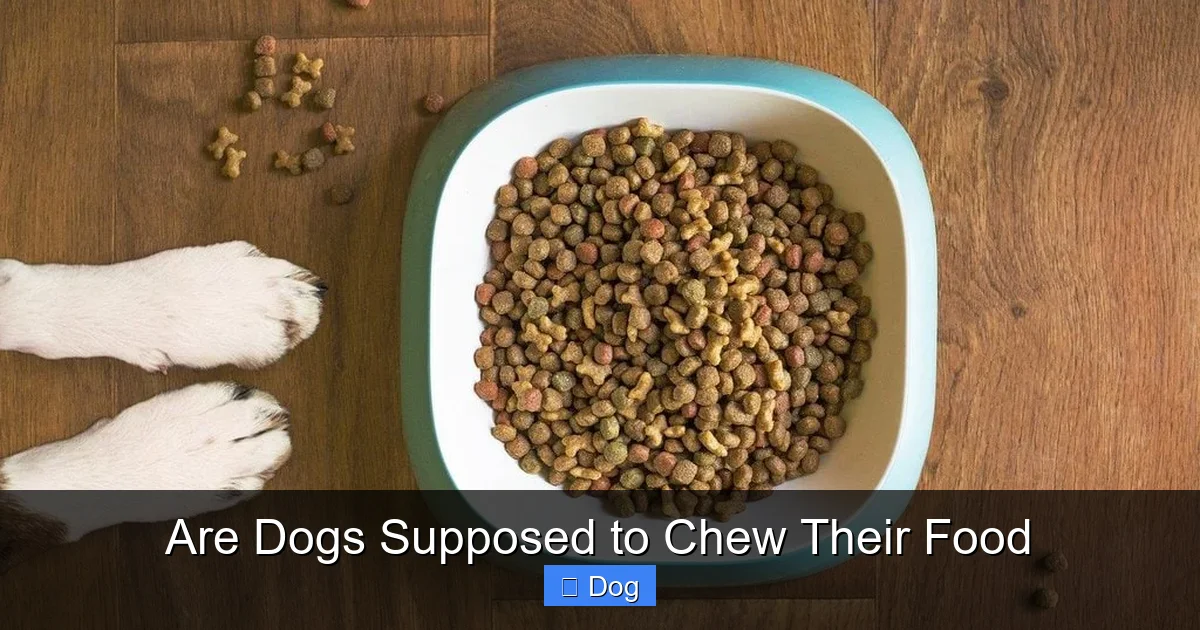
Visual guide about Are Dogs Supposed to Chew Their Food
Image source: caninehq.com
To understand whether dogs are supposed to chew their food, we need to look at their biology. Dogs are omnivores with a digestive system that’s adapted to handle both plant and animal matter. But unlike humans, they don’t have flat molars designed for grinding. Instead, their teeth are built for tearing and crushing—perfect for breaking down raw meat and bones.
Anatomy of a Dog’s Mouth
A dog’s mouth is a fascinating piece of evolutionary engineering. They have 42 adult teeth, including sharp incisors for gripping, long canines for tearing, and premolars and molars for shearing and crushing. While their molars aren’t as broad as human molars, they’re still capable of breaking down food—especially when given the right texture.
When a dog chews, their jaw moves in a scissor-like motion, allowing them to slice through meat and crush bones. This action isn’t just about breaking food into smaller pieces; it also stimulates saliva production, which contains enzymes that begin the digestion of starches.
Saliva and Digestion
You might not think saliva plays a big role in your dog’s digestion, but it does. While dogs don’t produce as much amylase (the enzyme that breaks down carbohydrates) in their saliva as humans do, they still rely on saliva to moisten food and begin the digestive process. Chewing increases saliva flow, which helps soften kibble and makes it easier to swallow and digest.
Without enough chewing, food enters the stomach in large chunks, forcing the digestive system to work harder. This can lead to indigestion, gas, and poor nutrient absorption. In severe cases, it may contribute to gastrointestinal upset or even blockages.
Instinct vs. Modern Diet
In the wild, wolves and wild dogs spend hours chewing on bones, hides, and raw meat. This natural behavior keeps their teeth clean, their jaws strong, and their minds engaged. But today’s dogs often eat highly processed kibble that’s soft and easy to swallow. While convenient, this diet doesn’t provide the same chewing stimulation.
As a result, many dogs have lost the instinct to chew. They eat quickly, swallow whole pieces, and miss out on the physical and mental benefits of chewing. This shift has contributed to rising rates of dental disease, obesity, and behavioral issues in domestic dogs.
So, while dogs *can* survive without chewing, they’re not thriving. Chewing is a natural behavior that supports their physical and mental health—even if it’s not always obvious.
Why Chewing Matters for Your Dog’s Health
Chewing isn’t just about breaking down food. It’s a multi-functional activity that impacts nearly every aspect of your dog’s well-being. From digestion to dental health, the benefits of chewing are far-reaching.
Improved Digestion and Nutrient Absorption
When dogs chew their food, they break it into smaller particles, increasing the surface area exposed to digestive enzymes. This makes it easier for the stomach and intestines to extract nutrients like proteins, fats, and vitamins.
For example, a dog that swallows a large piece of kibble whole may pass it through the digestive system largely undigested. This not only wastes food but can also lead to loose stools or nutrient deficiencies over time. On the other hand, a dog that chews thoroughly will absorb more of the nutrients in their food, leading to better energy levels, coat condition, and overall health.
Reduced Risk of Bloat (GDV)
One of the most serious risks associated with not chewing is gastric dilatation-volvulus, commonly known as bloat. This life-threatening condition occurs when the stomach fills with gas and twists on itself, cutting off blood flow.
Large, deep-chested breeds like Great Danes, German Shepherds, and Standard Poodles are especially prone to bloat. One of the biggest contributing factors is eating too quickly. When dogs gulp food, they also swallow air, which can cause the stomach to expand rapidly.
Chewing slows down eating, reduces air intake, and allows food to enter the stomach in manageable amounts. This significantly lowers the risk of bloat. In fact, studies have shown that dogs who eat slowly are far less likely to develop GDV.
Dental Health Benefits
Chewing is one of the best natural ways to keep your dog’s teeth clean. As dogs chew, their teeth scrape against food, toys, or bones, removing plaque and tartar buildup. This helps prevent periodontal disease, which affects over 80% of dogs by age three.
Periodontal disease doesn’t just cause bad breath—it can lead to tooth loss, pain, and even systemic infections that affect the heart, liver, and kidneys. Regular chewing helps maintain healthy gums and strong teeth, reducing the need for costly dental cleanings and procedures.
Mental Stimulation and Behavioral Benefits
Chewing isn’t just good for the body—it’s good for the mind. The act of chewing releases endorphins, which help calm and satisfy your dog. This is why many dogs chew when they’re anxious or bored.
Providing chew toys or food puzzles encourages your dog to chew more, which can reduce destructive behaviors like chewing on furniture or shoes. It also helps prevent separation anxiety and keeps your dog mentally sharp as they age.
Jaw Strength and Oral Development
Chewing strengthens the muscles in your dog’s jaw, supporting overall oral health. Puppies, in particular, benefit from chewing as it helps their teeth erupt properly and strengthens their developing jawbones.
For older dogs, regular chewing can help maintain muscle tone and prevent atrophy. This is especially important for dogs with arthritis or other mobility issues, as strong jaw muscles can make eating more comfortable.
Signs Your Dog Isn’t Chewing Enough
Not all dogs show obvious signs that they’re not chewing their food, but there are several red flags to watch for. If you notice any of the following, it might be time to encourage better chewing habits.
Fast Eating
The most obvious sign is rapid eating. If your dog finishes their meal in under a minute, they’re likely not chewing. This is especially common in multi-dog households, where competition for food can lead to gulping.
Regurgitation or Vomiting
Dogs that don’t chew may regurgitate their food shortly after eating. This happens when large pieces of food irritate the esophagus or stomach. Unlike vomiting, regurgitation is passive and often occurs without warning.
Bad Breath or Dental Issues
Persistent bad breath, red or swollen gums, or visible tartar buildup can indicate poor chewing habits. Without enough chewing, plaque accumulates, leading to gum disease and tooth decay.
Choking or Gagging
Swallowing large pieces of food can cause choking or gagging. While occasional gagging is normal, frequent episodes may signal that your dog isn’t chewing properly.
Digestive Upset
Gas, bloating, diarrhea, or constipation can all be signs of poor digestion. If your dog isn’t chewing, their digestive system has to work harder to break down food, which can lead to gastrointestinal issues.
Behavioral Problems
Boredom and anxiety often manifest as destructive chewing or excessive licking. If your dog isn’t getting enough mental stimulation from chewing their food, they may seek it out elsewhere.
How to Encourage Your Dog to Chew
The good news is that you can help your dog develop better chewing habits—even if they’re a lifelong fast eater. With a few simple changes, you can slow down their eating, improve digestion, and support their overall health.
Use a Slow Feeder Bowl
Slow feeder bowls are designed with ridges, mazes, or obstacles that force your dog to eat around them. This naturally slows down eating and encourages chewing. Look for bowls made of durable, non-toxic materials like stainless steel or BPA-free plastic.
Try Puzzle Feeders and Food Dispensing Toys
Puzzle feeders turn mealtime into a game. Your dog has to figure out how to get the food out, which keeps them engaged and slows down consumption. Toys like the Kong Wobbler or Outward Hound Hide-A-Squirrel are great options.
Hand-Feed or Use Tongs
For dogs who eat too fast, hand-feeding small pieces can help them slow down. You can also use kitchen tongs to pick up kibble and offer it one piece at a time. This gives you control over the pace and ensures your dog chews each bite.
Switch to Larger Kibble or Soak Food
Some dogs chew more when their food is harder or larger. Consider switching to a larger kibble size or soaking dry food in water or broth. The softened texture encourages chewing while making digestion easier.
Add Chew Toys and Dental Chews
Provide safe chew toys like rubber bones, nylon chews, or dental sticks. These not only promote chewing but also help clean teeth and satisfy your dog’s natural urge to gnaw.
Feed Smaller, More Frequent Meals
Instead of one or two large meals, try feeding smaller portions more often. This reduces the urge to gulp and gives your dog time to chew between bites.
Train the “Wait” Command
Teaching your dog to wait before eating can help them slow down. Start by placing the bowl down and saying “wait” before allowing them to eat. Gradually increase the wait time to build self-control.
Breeds and Individual Differences
Not all dogs chew the same way. Breed, size, age, and personality all play a role in how your dog eats.
Small Breeds vs. Large Breeds
Small dogs like Chihuahuas or Pomeranians often eat quickly because their mouths are tiny and kibble is easy to swallow. Large breeds like Labradors or Golden Retrievers may also gulp, especially if they’re food-motivated.
Breeds Prone to Fast Eating
Some breeds are naturally faster eaters. Terriers, hounds, and working breeds often have high prey drive and may treat food like a catch. These dogs benefit most from slow feeders and puzzle toys.
Puppies and Senior Dogs
Puppies are learning how to eat and may not chew properly at first. Senior dogs may have dental pain or reduced jaw strength, making chewing difficult. Adjust their diet and feeding method accordingly.
Individual Preferences
Just like people, dogs have unique personalities. Some are meticulous chewers, while others are speed eaters. Pay attention to your dog’s habits and adjust their feeding routine to suit their needs.
Common Myths About Dogs and Chewing
There are many misconceptions about dogs and chewing. Let’s clear up some of the most common myths.
Myth: Dogs Don’t Need to Chew Because They’re Carnivores
While dogs are descended from carnivores, they’ve evolved to eat a more varied diet. Modern dogs thrive on a mix of meat, grains, and vegetables. Chewing helps them digest this food properly.
Myth: All Dogs Chew Naturally
Many dogs lose the instinct to chew due to soft diets and fast eating. Without stimulation, they may swallow food whole. It’s up to owners to encourage healthy chewing habits.
Myth: Chewing Is Only for Dental Health
While dental benefits are important, chewing also supports digestion, mental health, and jaw strength. It’s a holistic behavior with wide-ranging benefits.
Myth: Slow Feeders Are Only for Fast Eaters
Even dogs who chew moderately can benefit from slow feeders. They promote mindfulness, reduce overeating, and improve digestion.
Myth: Raw Bones Are the Only Way to Chew
While raw bones can be beneficial, they’re not the only option. Safe chew toys, dental chews, and puzzle feeders all encourage chewing without the risks associated with bones.
Conclusion
So, are dogs supposed to chew their food? The answer is a resounding yes. While dogs are capable of swallowing food whole, chewing is a natural and beneficial behavior that supports their physical and mental health.
From improved digestion and reduced bloat risk to better dental health and mental stimulation, the benefits of chewing are clear. Even if your dog is a fast eater, there are simple, effective ways to encourage better habits.
By using slow feeders, puzzle toys, and safe chews, you can help your dog slow down, chew more, and enjoy their meals to the fullest. Remember, mealtime isn’t just about nutrition—it’s an opportunity to support your dog’s overall well-being.
So the next time you see your dog inhaling their kibble, take a moment to consider: are they really getting the most out of their meal? With a few small changes, you can help them chew, digest, and thrive.
Frequently Asked Questions
Do all dogs need to chew their food?
While all dogs can benefit from chewing, not all do it naturally. Some dogs gulp their food due to instinct, competition, or habit. Encouraging chewing improves digestion and health.
Can chewing prevent bloat in dogs?
Yes, chewing helps reduce the risk of bloat by slowing eating and minimizing air intake. Slow feeders and puzzle toys are especially helpful for at-risk breeds.
What should I do if my dog chokes while eating?
If your dog chokes, stay calm and try to remove the obstruction if visible. If they can’t breathe, perform the Heimlich maneuver and seek immediate veterinary care.
Are dental chews safe for dogs?
Most dental chews are safe when used appropriately. Choose products approved by the Veterinary Oral Health Council (VOHC) and supervise your dog to prevent choking.
Can I train my dog to chew their food?
Yes, you can train your dog to chew by using slow feeders, hand-feeding, and positive reinforcement. Consistency and patience are key.
Is it okay for dogs to eat dry kibble without chewing?
While dogs can digest kibble without chewing, it’s not ideal. Chewing improves nutrient absorption and reduces digestive issues. Encourage chewing for better health.