

Dogs should not regularly eat cat food, even though they might find it tasty. Cat food is packed with higher protein, fat, and certain nutrients that can harm dogs over time. While an occasional nibble won’t cause serious harm, making it a habit can lead to digestive upset, obesity, and long-term health issues.
Key Takeaways
- Cat food is not formulated for dogs: It contains higher levels of protein, fat, and certain vitamins like taurine and vitamin A that are safe for cats but excessive for dogs.
- Short-term ingestion is usually safe: If your dog sneaks a bite or two, it’s unlikely to cause serious harm, but it shouldn’t become routine.
- Long-term risks include obesity and pancreatitis: The high-fat content in cat food can lead to weight gain and inflammation of the pancreas in dogs.
- Dogs have different nutritional needs: Unlike obligate carnivores like cats, dogs are omnivores and require balanced diets with carbohydrates, fiber, and specific amino acids.
- Store pet food separately: Prevent accidental access by keeping cat food in elevated or closed-off areas where dogs can’t reach.
- Choose species-appropriate food: Always feed your dog high-quality dog food that meets AAFCO standards for canine nutrition.
- Consult your vet if your dog eats cat food regularly: Persistent consumption may signal dietary deficiencies or behavioral issues that need professional attention.
📑 Table of Contents
- Are Dogs Supposed to Eat Cat Food? The Truth Every Pet Owner Should Know
- Why Do Dogs Like Cat Food So Much?
- The Nutritional Differences Between Dog and Cat Food
- Short-Term vs. Long-Term Risks of Dogs Eating Cat Food
- How to Prevent Your Dog from Eating Cat Food
- What to Do If Your Dog Eats Cat Food
- Choosing the Right Food for Your Dog
- Conclusion
Are Dogs Supposed to Eat Cat Food? The Truth Every Pet Owner Should Know
If you’ve ever walked into your kitchen to find your dog happily munching on the cat’s dinner, you’re not alone. It’s a common scene in multi-pet households: the curious pup sniffing around, spotting the open bag or bowl of kibble, and deciding to help themselves. But while it might seem like a harmless little snack, the truth is that dogs are not supposed to eat cat food—especially not on a regular basis.
At first glance, cat food might look similar to dog food. Both come in dry kibble or wet cans, often with meaty flavors and crunchy textures. But beneath the surface, there are major differences in nutritional composition that make cat food unsuitable for dogs. Cats are obligate carnivores, meaning their bodies are built to thrive on a meat-heavy diet rich in protein and fat. Dogs, on the other hand, are omnivores with more flexible dietary needs. Feeding your dog cat food long-term can lead to serious health complications, even if they seem to enjoy it.
So, what exactly happens when a dog eats cat food? Is one bite dangerous? Can it become a habit? In this article, we’ll dive deep into why dogs shouldn’t eat cat food, what the risks are, and how to prevent your pup from raiding the feline pantry. Whether you’re a new dog owner or a seasoned pet parent, understanding the differences between dog and cat nutrition is essential for keeping your furry friend healthy and happy.
Why Do Dogs Like Cat Food So Much?
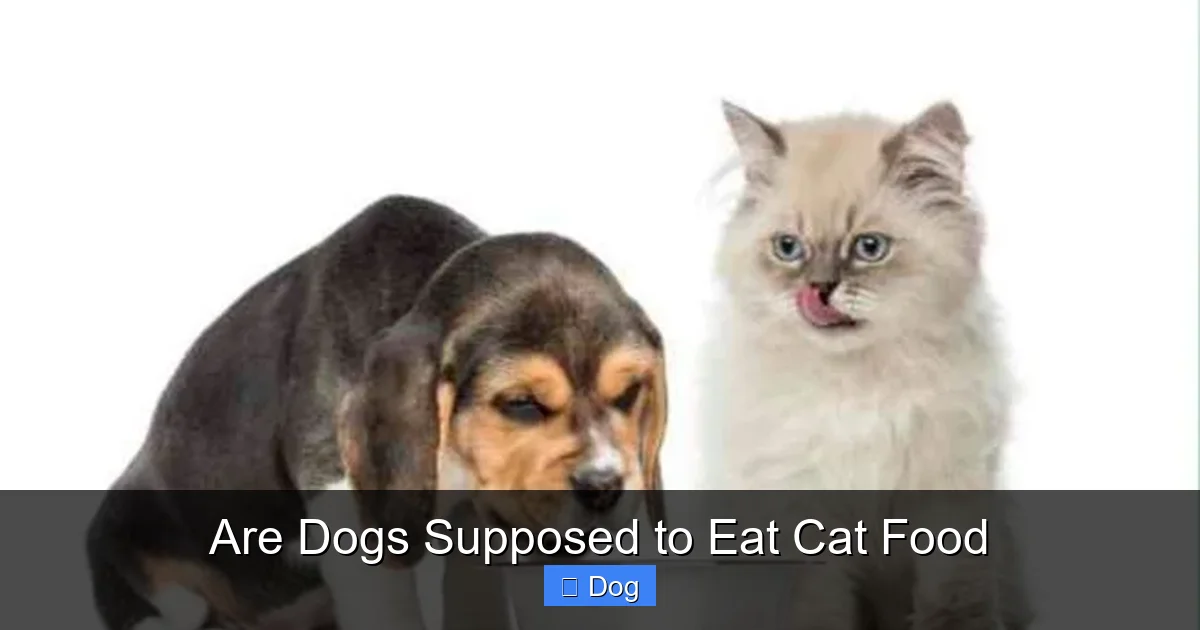
Visual guide about Are Dogs Supposed to Eat Cat Food
Image source: smalldogplace.com
You might be wondering: if cat food isn’t good for dogs, why do they seem so drawn to it? It’s not just your dog being sneaky—there are real biological and sensory reasons behind this behavior.
The Smell Factor
One of the biggest reasons dogs are attracted to cat food is the smell. Cat food is typically made with higher concentrations of animal proteins and fats, which release strong, savory aromas that dogs find irresistible. Ingredients like liver, fish, and poultry by-products are common in cat food and emit powerful scents that trigger a dog’s natural scavenging instincts. Dogs have up to 300 million olfactory receptors in their noses (compared to about 6 million in humans), so even a faint whiff of tuna or chicken can be like a dinner bell.
Higher Fat and Protein Content
Cat food is formulated to meet the high energy demands of cats, who burn calories quickly due to their fast metabolism. As a result, it contains significantly more fat and protein than most dog foods. For example, a typical dry cat food might contain 30–40% protein and 15–20% fat, while dog food usually ranges from 18–25% protein and 10–15% fat. This richer, more calorie-dense profile makes cat food taste more “rewarding” to dogs, almost like eating a gourmet meal compared to their usual kibble.
Texture and Palatability
Many dogs also prefer the texture of cat food. Some brands use smaller kibble sizes or softer wet formulas that are easier for dogs to chew, especially senior dogs or those with dental issues. Additionally, manufacturers often add flavor enhancers like animal digest or yeast extract to make cat food extra tasty—ingredients that dogs naturally gravitate toward.
Opportunistic Eating Behavior
Let’s face it: dogs are opportunists. If they see food within reach, they’re likely to investigate—and possibly eat it. This behavior stems from their ancestral roots as scavengers. In the wild, canines would eat whatever they could find to survive, so modern dogs still have that instinct to grab food when available. If your cat’s food is left out in an open bowl, your dog may see it as an easy snack, especially if they’re bored or not getting enough stimulation during the day.
Curiosity and Mimicry
Dogs are social animals and often mimic the behaviors of other pets in the household. If your dog sees the cat eating from a certain bowl, they might be curious and want to try it too. This is especially common in puppies or younger dogs who are still exploring their environment and learning what’s safe to eat.
While it’s natural for dogs to be curious about cat food, it’s important to remember that just because they like it doesn’t mean it’s good for them. The same way a child might crave candy, a dog might crave the rich, fatty taste of cat food—but that doesn’t mean it should be part of their regular diet.
The Nutritional Differences Between Dog and Cat Food
To understand why dogs shouldn’t eat cat food, it’s essential to look at the nutritional profiles of both types of pet food. While they may seem similar, the differences are significant and tailored to the unique biological needs of each species.
Protein Levels
Cats require a much higher protein intake than dogs. As obligate carnivores, their bodies rely on animal-based proteins to produce essential amino acids like taurine, arginine, and methionine. Cat food is therefore packed with high-quality animal proteins—often 30% or more. Dogs, while still needing protein, don’t require as much. Most adult dog foods contain between 18% and 25% protein, which is sufficient for their energy and muscle maintenance needs. Feeding a dog a high-protein diet over time can strain their kidneys and liver, especially in older dogs or those with pre-existing conditions.
Fat Content
Fat is another major differentiator. Cat food typically contains 15–20% fat, compared to 10–15% in dog food. This higher fat content provides cats with concentrated energy, but it can lead to rapid weight gain in dogs. Dogs are more prone to obesity, and a high-fat diet increases the risk of pancreatitis—a painful and potentially life-threatening inflammation of the pancreas. Even a few weeks of regular cat food consumption can cause noticeable weight gain in a dog, especially smaller breeds.
Vitamins and Minerals
Cat food is fortified with nutrients that cats need in higher amounts, such as vitamin A, niacin, and arachidonic acid. Dogs, however, can synthesize some of these nutrients internally or require them in different ratios. For example, excess vitamin A from cat food can lead to toxicity in dogs, causing bone deformities, joint pain, and even liver damage. Similarly, the high levels of certain B vitamins in cat food can overwhelm a dog’s system over time.
Taurine and Other Amino Acids
Taurine is an amino acid that’s critical for cats but less so for dogs. Cats cannot synthesize enough taurine on their own and must get it from their diet, which is why it’s added to cat food. Dogs, however, can produce taurine from other amino acids like cysteine and methionine. While taurine deficiency can be a concern in some dog breeds (especially those prone to dilated cardiomyopathy), feeding them excess taurine from cat food isn’t beneficial and can disrupt their natural balance.
Carbohydrates and Fiber
Dogs are omnivores and can digest carbohydrates more efficiently than cats. Most dog foods include grains, vegetables, and other plant-based ingredients to provide energy, fiber, and essential nutrients. Cat food, in contrast, is usually low in carbohydrates because cats have a limited ability to process them. Feeding a dog a low-carb, high-fat diet like cat food can lead to digestive upset, including diarrhea, gas, and bloating.
Caloric Density
Perhaps the most immediate concern is the caloric density of cat food. Because it’s so rich in fat and protein, cat food contains more calories per cup than dog food. A single cup of cat food can have 400–500 calories, while the same amount of dog food might have 300–350. This means that even small amounts of cat food can significantly increase a dog’s daily calorie intake, leading to weight gain if not accounted for.
In short, cat food is like a high-performance sports drink for cats—but for dogs, it’s more like eating fast food every day. It might taste great, but it’s not balanced for their long-term health.
Short-Term vs. Long-Term Risks of Dogs Eating Cat Food
Now that we know why cat food isn’t ideal for dogs, let’s break down the potential risks—both immediate and long-term.
Short-Term Risks
If your dog sneaks a few bites of cat food, don’t panic. In most cases, nothing serious will happen. However, you might notice some mild symptoms, including:
- Upset stomach: Diarrhea, vomiting, or gas are common after a dog eats rich, fatty food.
- Increased thirst: The high protein content can make dogs thirstier than usual.
- Lethargy: Some dogs feel sluggish after eating a heavy meal.
- Bad breath: The strong-smelling ingredients in cat food can leave your dog’s breath less than fresh.
These symptoms usually resolve within 24–48 hours. If they persist or worsen, contact your veterinarian.
Long-Term Risks
The real danger comes when dogs eat cat food regularly—whether by accident or habit. Over time, the nutritional imbalances can lead to serious health problems:
- Obesity: The high calorie and fat content can cause rapid weight gain, increasing the risk of joint problems, diabetes, and heart disease.
- Pancreatitis: This painful condition occurs when the pancreas becomes inflamed, often due to a high-fat diet. Symptoms include vomiting, abdominal pain, and loss of appetite.
- Kidney and liver strain: Excess protein and certain vitamins can overwork these organs, especially in older dogs.
- Vitamin toxicity: Too much vitamin A or D can lead to bone issues, organ damage, and neurological problems.
- Digestive issues: Chronic diarrhea, constipation, or inflammatory bowel disease can develop from an unbalanced diet.
In multi-pet homes, it’s not uncommon for dogs to develop a habit of eating cat food, especially if it’s left out all day. This can create a cycle of poor nutrition that’s hard to break without intervention.
When to See a Vet
If your dog has eaten a large amount of cat food—especially wet food, which is even richer—or if they show signs of distress like severe vomiting, lethargy, or abdominal swelling, seek veterinary care immediately. Pancreatitis can be life-threatening if not treated early.
How to Prevent Your Dog from Eating Cat Food
Prevention is key when it comes to keeping your dog away from cat food. Here are practical, effective strategies to protect your pup and your cat’s meals.
Feed Pets Separately
The simplest solution is to feed your dog and cat at different times and in different rooms. Feed your cat first, then remove the bowl before letting your dog eat. This reduces temptation and gives you control over portion sizes.
Use Elevated Feeding Stations
Cats are natural climbers, so placing their food on a high shelf, cat tree, or countertop can keep it out of your dog’s reach. Just make sure the area is safe and accessible for your cat.
Install Pet Gates or Baby Gates
Use a pet gate to create a “cat-only” zone where your dog can’t go. This is especially useful in homes with open floor plans. Choose a gate with vertical bars so your cat can jump over, but your dog can’t squeeze through.
Use Automatic Feeders
Consider investing in a microchip-activated automatic feeder for your cat. These devices only open when your cat approaches, preventing your dog from sneaking in. Some models even dispense food at scheduled times, reducing the chance of leftovers.
Store Food Properly
Never leave dry cat food in an open bag or bowl overnight. Store it in a sealed container in a cabinet or pantry that your dog can’t access. The same goes for wet food—refrigerate leftovers and dispose of uneaten portions promptly.
Train Your Dog
Teach your dog the “leave it” command. This simple but powerful cue can stop them from grabbing food off the floor or counter. Consistent training reinforces good behavior and builds impulse control.
Provide Mental Stimulation
Bored dogs are more likely to seek out forbidden snacks. Keep your dog mentally engaged with puzzle toys, chew bones, and daily walks. A tired dog is a well-behaved dog.
Monitor Multi-Pet Interactions
If you have both dogs and cats, supervise meal times until you’re confident your dog won’t steal food. Over time, you can gradually give them more freedom.
By taking these steps, you can create a safe, harmonious feeding environment for all your pets.
What to Do If Your Dog Eats Cat Food
Despite your best efforts, accidents happen. If your dog eats cat food, here’s what to do.
Assess the Amount
First, determine how much your dog ate. A few kibbles? A whole bowl? The larger the amount, the higher the risk of digestive upset.
Monitor for Symptoms
Watch your dog closely for the next 24 hours. Look for signs like vomiting, diarrhea, lethargy, or loss of appetite. Mild symptoms are common and usually resolve on their own.
Withhold Food Temporarily
If your dog has an upset stomach, consider fasting them for 12–24 hours (but always provide water). This gives their digestive system a chance to reset. After fasting, reintroduce bland food like boiled chicken and rice in small portions.
Encourage Hydration
Make sure your dog drinks plenty of water. Dehydration can worsen digestive issues and strain the kidneys.
Contact Your Vet if Needed
Call your veterinarian if:
- Your dog shows severe symptoms like persistent vomiting or abdominal pain.
- They ate a large amount of wet cat food or multiple meals.
- They have a pre-existing health condition like pancreatitis or kidney disease.
- Symptoms last more than 48 hours.
Prevent Future Incidents
Once your dog recovers, review your feeding routine. Are there changes you can make to prevent this from happening again? Even small adjustments—like moving the cat’s bowl or using a timed feeder—can make a big difference.
Choosing the Right Food for Your Dog
The best way to keep your dog healthy is to feed them a balanced, species-appropriate diet. Here’s how to choose the right food.
Look for AAFCO Certification
Choose dog food that meets the standards set by the Association of American Feed Control Officials (AAFCO). This ensures the food provides complete and balanced nutrition for your dog’s life stage.
Consider Your Dog’s Age, Size, and Activity Level
Puppies, seniors, and active dogs have different nutritional needs. Select a formula designed for your dog’s specific requirements.
Read the Ingredient List
High-quality dog food lists a named meat source (like “chicken” or “salmon”) as the first ingredient. Avoid foods with excessive fillers, artificial preservatives, or by-products.
Consult Your Veterinarian
If you’re unsure about your dog’s diet, ask your vet for recommendations. They can help you choose a food that supports your dog’s health and prevents dietary issues.
Avoid “People Food” and Cross-Species Feeding
Just like cat food, human food and other pet foods aren’t formulated for dogs. Stick to dog-specific products to ensure proper nutrition.
Conclusion
So, are dogs supposed to eat cat food? The answer is a clear no—especially not on a regular basis. While the occasional nibble won’t cause lasting harm, cat food is not designed for canine digestive systems and can lead to serious health problems over time. From obesity and pancreatitis to vitamin toxicity and digestive upset, the risks far outweigh the temporary pleasure your dog might get from a tasty snack.
The good news? Preventing your dog from eating cat food is entirely possible with a few simple changes. Feed pets separately, use elevated feeding stations, and store food securely. Train your dog, provide mental stimulation, and choose high-quality dog food that meets their nutritional needs.
Remember, your dog looks to you for guidance and care. By understanding the differences between dog and cat nutrition, you’re not just keeping them safe—you’re helping them live a longer, healthier, and happier life. So the next time your pup eyes that bowl of kibble, make sure it’s the right one for them.
Frequently Asked Questions
Can one bite of cat food hurt my dog?
No, one or two bites of cat food are unlikely to harm your dog. Most dogs will experience only mild digestive upset, if any. However, it’s best to prevent regular access to avoid long-term risks.
How much cat food is dangerous for a dog?
A whole bowl or repeated meals can be dangerous, especially for small dogs. Large amounts of high-fat, high-protein food increase the risk of pancreatitis and obesity. Monitor your dog closely and contact a vet if they eat a significant quantity.
Why does my dog keep eating the cat’s food?
Dogs are attracted to cat food because it’s richer in fat and protein, making it smell and taste more appealing. They may also be curious, bored, or mimicking the cat’s behavior. Training and environmental changes can help break the habit.
Can puppies eat cat food?
Puppies should not eat cat food regularly. While they need more protein than adult dogs, cat food is still too rich and unbalanced for their developing systems. Stick to puppy-formulated dog food for proper growth.
What should I do if my dog eats wet cat food?
Wet cat food is even higher in fat and calories than dry food, so monitor your dog for vomiting, diarrhea, or lethargy. Withhold food for 12–24 hours, offer water, and contact your vet if symptoms persist or worsen.
Is there any safe way for dogs to eat cat food?
There’s no safe routine way for dogs to eat cat food. While an occasional accidental bite is harmless, it should never be part of their diet. Always choose dog-specific food for balanced nutrition.