

Finding the best affordable dog food for senior golden retrievers doesn’t mean sacrificing quality. In 2026, several budget-friendly brands offer balanced nutrition tailored to aging dogs’ needs, including joint support, healthy digestion, and sustained energy. With the right choice, your golden can thrive in their golden years—without straining your wallet.
Key Takeaways
- Senior golden retrievers need specialized nutrition: As they age, their metabolism slows, joints ache, and digestion changes—requiring food with joint support, fiber, and lean protein.
- Affordable doesn’t mean low-quality: Many budget-friendly brands in 2026 meet AAFCO standards and use real meat, whole grains, and natural ingredients.
- Look for glucosamine and chondroitin: These compounds support joint health, which is critical for large breeds like golden retrievers prone to arthritis.
- High digestibility is key: Senior dogs benefit from easily digestible proteins and prebiotic fibers to maintain gut health and nutrient absorption.
- Omega-3 fatty acids promote coat and brain health: Found in fish oil or flaxseed, these fats reduce inflammation and support cognitive function.
- Portion control prevents obesity: Senior goldens are less active, so calorie-dense but nutrient-rich food helps maintain a healthy weight.
- Always transition gradually: Switching food too quickly can upset your dog’s stomach—mix old and new food over 7–10 days.
📑 Table of Contents
- Why Senior Golden Retrievers Need Specialized Nutrition
- What to Look for in Affordable Senior Dog Food
- Top Affordable Dog Food Brands for Senior Golden Retrievers in 2026
- How to Transition Your Senior Golden to a New Food
- Common Mistakes to Avoid When Feeding Senior Golden Retrievers
- Final Thoughts: Affordable Nutrition for a Happy, Healthy Senior Golden
Why Senior Golden Retrievers Need Specialized Nutrition
As your golden retriever enters their senior years—typically around age 7 to 8—their body begins to change in subtle but significant ways. Their metabolism slows down, they become less active, and they’re more prone to joint issues, weight gain, and digestive sensitivities. These shifts mean that the high-energy puppy or adult formula they’ve been eating for years may no longer suit their needs.
Senior golden retrievers are especially vulnerable to hip and elbow dysplasia, arthritis, and obesity due to their large size and genetic predisposition. A diet that supports joint health, maintains muscle mass, and aids digestion becomes essential. Unfortunately, many pet owners assume that “senior” formulas are automatically more expensive—but that’s not always the case. In 2026, the pet food market has evolved to offer high-quality, affordable options that meet these specific needs without the premium price tag.
The key is knowing what to look for. It’s not just about the price—it’s about value. The best affordable dog food for senior golden retrievers delivers balanced nutrition, uses real ingredients, and supports long-term health. And the good news? You don’t have to choose between cost and quality anymore.
What to Look for in Affordable Senior Dog Food
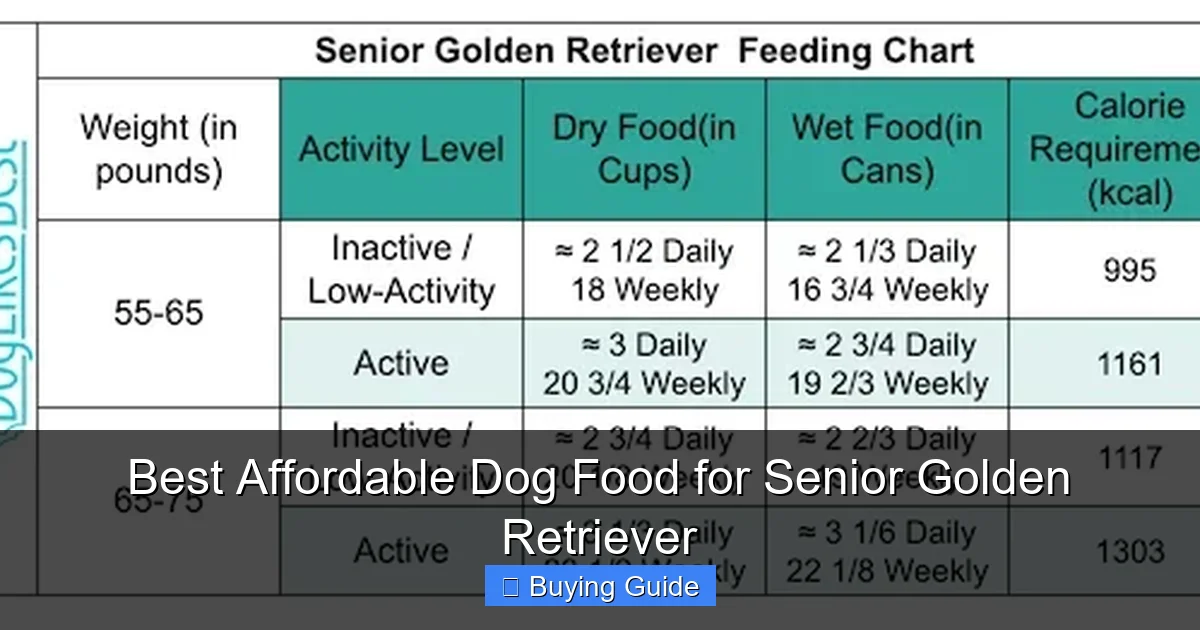
Visual guide about Best Affordable Dog Food for Senior Golden Retriever
Image source: doglikesbest.com
When shopping for senior dog food on a budget, it’s easy to get overwhelmed by labels like “natural,” “grain-free,” or “premium.” But not all buzzwords mean better nutrition. Instead, focus on the ingredient list and guaranteed analysis—these tell the real story.
First, prioritize **high-quality animal protein** as the first ingredient. Look for named sources like “chicken,” “turkey,” or “salmon” rather than vague terms like “meat meal” or “animal by-products.” Senior dogs still need protein to maintain muscle mass, but it should be lean and easily digestible.
Next, check for **joint-supporting supplements**. Glucosamine and chondroitin are commonly added to senior formulas to help cushion joints and reduce inflammation. These are especially important for golden retrievers, who are genetically prone to joint problems. Some brands also include MSM (methylsulfonylmethane) or green-lipped mussel extract for added joint benefits.
**Fiber content** is another critical factor. Senior dogs often experience slower digestion and may struggle with constipation. Look for foods with moderate fiber from sources like beet pulp, sweet potatoes, or pumpkin. Prebiotics like FOS (fructooligosaccharides) and MOS (mannanoligosaccharides) can also support a healthy gut microbiome.
Don’t overlook **omega-3 fatty acids**, which come from fish oil, flaxseed, or chia seeds. These healthy fats reduce inflammation, support brain function, and keep your dog’s coat shiny. As cognitive decline can occur in older dogs, omega-3s are a smart addition to any senior diet.
Finally, avoid foods with excessive fillers like corn syrup, artificial colors, or unnamed meat meals. While these ingredients might keep costs down, they offer little nutritional value and can contribute to weight gain or allergies.
Understanding AAFCO Standards
One way to ensure you’re getting a nutritionally complete food is to check for AAFCO (Association of American Feed Control Officials) compliance. This means the food has been tested or formulated to meet the nutritional levels required for a dog’s life stage—in this case, “adult maintenance” or “all life stages.” While AAFCO doesn’t regulate price, it does provide a baseline for quality.
In 2026, many affordable brands proudly display AAFCO statements on their packaging, proving that budget-friendly doesn’t mean nutritionally deficient. Always look for this certification when comparing options.
Wet vs. Dry Food: Which Is Better?
Both wet and dry food have pros and cons for senior golden retrievers. Dry kibble is convenient, cost-effective, and helps maintain dental health through chewing action. Wet food, on the other hand, has higher moisture content, which can benefit dogs with reduced thirst drive or kidney concerns.
For most senior goldens, a combination of both works well. You might feed dry food during the day and add a spoonful of wet food to increase palatability and hydration. Some affordable brands offer mix-in toppers or stews that can be paired with kibble for added flavor and nutrients.
Top Affordable Dog Food Brands for Senior Golden Retrievers in 2026
In 2026, several brands stand out for offering high-quality, budget-friendly senior dog food that meets the unique needs of aging golden retrievers. These options balance nutrition, ingredient quality, and price—making them ideal for pet owners who want the best for their dog without overspending.
1. Nutro Wholesome Essentials Senior
Nutro has long been a trusted name in pet nutrition, and their Wholesome Essentials Senior line continues to impress. Made with real chicken as the first ingredient, this formula includes brown rice and sweet potatoes for digestible energy. It’s fortified with glucosamine and chondroitin for joint support and contains no artificial preservatives, colors, or flavors.
What makes it affordable? Nutro often runs promotions and offers subscription discounts through major retailers like Chewy and Amazon. A 30-pound bag typically costs under $50, making it one of the best values in the senior category.
Many senior golden retrievers transition well to this food, and owners report improved coat condition and energy levels. The kibble is small and easy to chew, which is helpful for dogs with dental issues.
2. Purina ONE SmartBlend Senior
Purina ONE is a household name, and their SmartBlend Senior formula is a solid choice for budget-conscious pet parents. This recipe features real chicken and rice, with added vitamins and minerals. It includes omega-6 fatty acids for skin and coat health and is formulated to support strong muscles and joints.
One standout feature is the inclusion of live probiotics to support digestive health—something many senior dogs struggle with. The kibble is designed to be easily digestible, reducing the risk of upset stomachs during transitions.
At around $35 for a 30-pound bag, Purina ONE offers excellent affordability without skimping on core nutrition. It’s widely available in grocery stores, pet shops, and online, making it convenient to restock.
3. Blue Buffalo Life Protection Formula Senior
Blue Buffalo is known for its natural ingredients and holistic approach. Their Life Protection Formula for seniors includes deboned chicken, whole grains, and garden vegetables. It’s enriched with glucosamine, chondroitin, and omega-3 fatty acids from fish oil.
While Blue Buffalo is often seen as a premium brand, their senior formula is surprisingly affordable—especially when purchased in larger bags or through auto-ship programs. A 24-pound bag usually costs under $45, and the brand frequently offers coupons and discounts.
Owners appreciate the absence of corn, wheat, and soy, which can be hard for some dogs to digest. The addition of LifeSource Bits—a blend of antioxidants, vitamins, and minerals—adds extra nutritional support for aging immune systems.
4. Iams ProActive Health Senior
Iams has been a reliable choice for decades, and their ProActive Health Senior formula continues to deliver value. This recipe features real chicken and egg as primary protein sources, along with beet pulp for fiber and digestive health.
It includes L-carnitine to help maintain a healthy weight—a common concern for less active senior dogs. The kibble is designed to reduce plaque buildup, supporting dental health as your golden ages.
At approximately $30 for a 28-pound bag, Iams offers one of the most budget-friendly options without sacrificing core nutrition. It’s a great entry point for pet owners new to senior-specific diets.
5. Wellness Complete Health Senior
Wellness Complete Health Senior is a slightly pricier option but still falls within the affordable range, especially when considering its ingredient quality. Made with deboned chicken, oatmeal, and barley, this formula is rich in fiber and easily digestible.
It includes glucosamine, chondroitin, and taurine for heart and joint health. The addition of antioxidants from fruits and vegetables supports immune function, which can weaken with age.
A 26-pound bag typically costs around $48, but the brand often offers bundle deals and subscription savings. Many senior goldens show improved mobility and digestion after switching to this food.
How to Transition Your Senior Golden to a New Food
Switching your dog’s food too quickly can lead to digestive upset, including diarrhea, vomiting, or loss of appetite. This is especially true for senior dogs, whose systems are more sensitive. The key is a gradual transition over 7 to 10 days.
Start by mixing 25% new food with 75% old food for the first two to three days. If your dog tolerates it well, increase to 50% new food for another few days. Then move to 75% new food before fully switching.
During this time, monitor your dog’s stool, energy levels, and appetite. Some mild changes are normal, but persistent digestive issues may mean the new food isn’t the right fit.
Signs the New Food Is Working
After the transition, look for positive changes. A healthy coat, consistent energy, regular bowel movements, and improved mobility are all signs that the food is agreeing with your dog. Some owners notice reduced joint stiffness or better dental health over time.
When to Consult Your Vet
If your senior golden has underlying health conditions—such as kidney disease, diabetes, or food allergies—consult your veterinarian before making any dietary changes. They may recommend a prescription diet or specific supplements to complement their food.
Common Mistakes to Avoid When Feeding Senior Golden Retrievers
Even with the best intentions, pet owners can make mistakes that impact their dog’s health. Here are a few to watch out for:
Overfeeding
Senior dogs need fewer calories due to reduced activity. Overfeeding can lead to obesity, which puts extra strain on joints and increases the risk of diabetes and heart disease. Always follow the feeding guidelines on the package and adjust based on your dog’s weight and activity level.
Ignoring Ingredient Quality
Just because a food is labeled “senior” doesn’t mean it’s good for your dog. Some budget brands use fillers, by-products, or artificial additives that offer little nutritional value. Always read the ingredient list and avoid foods with vague or low-quality components.
Skipping Supplements
While a balanced diet is essential, some senior dogs benefit from additional support. Glucosamine supplements, fish oil capsules, or joint chews can complement their food and improve mobility. Talk to your vet about whether supplements are right for your golden.
Not Adjusting for Activity Level
If your dog is still active and playful, they may need a slightly higher calorie intake. Conversely, a more sedentary dog should eat less. Regular weigh-ins and body condition scoring can help you stay on track.
Final Thoughts: Affordable Nutrition for a Happy, Healthy Senior Golden
Your golden retriever has given you years of love, loyalty, and joy—and now it’s your turn to give them the best care in their golden years. The best affordable dog food for senior golden retrievers in 2026 proves that you don’t need to spend a fortune to provide high-quality nutrition.
By choosing a food with real meat, joint-supporting ingredients, and digestive aids, you’re investing in your dog’s long-term health and happiness. Brands like Nutro, Purina ONE, Blue Buffalo, Iams, and Wellness offer excellent options that balance cost and quality.
Remember, every dog is unique. What works for one senior golden may not work for another. Pay attention to your dog’s individual needs, monitor their response to new food, and don’t hesitate to consult your veterinarian for personalized advice.
With the right diet, your golden can enjoy their senior years with comfort, energy, and vitality—proving that age is just a number when you’re well-fed and well-loved.
Frequently Asked Questions
What age is considered senior for a golden retriever?
Golden retrievers are generally considered seniors around age 7 to 8. However, this can vary based on genetics, weight, and overall health. Larger dogs tend to age faster, so it’s wise to start considering senior-specific nutrition by age 7.
Can I feed my senior golden retriever puppy food?
No, puppy food is too high in calories and fat for senior dogs. It can lead to weight gain and strain on the kidneys and joints. Senior dogs need lower-calorie, nutrient-dense food tailored to their slower metabolism and health needs.
Is grain-free food better for senior golden retrievers?
Not necessarily. While some dogs benefit from grain-free diets due to allergies, most senior goldens do well with whole grains like brown rice or oatmeal, which provide fiber and energy. Unless your vet recommends grain-free, it’s not required.
How often should I feed my senior golden retriever?
Most senior dogs do well with two meals per day. This helps maintain steady energy levels and supports digestion. Avoid free-feeding, as it can lead to overeating and weight gain.
Can I mix wet and dry food for my senior dog?
Yes! Mixing wet and dry food can increase palatability and hydration, which is helpful for senior dogs who may drink less water. Just adjust portions to avoid overfeeding and maintain a balanced diet.
What if my senior golden refuses to eat the new food?
Try warming the food slightly or adding a small amount of low-sodium broth to enhance flavor. You can also mix in a spoonful of wet food or a topper. If refusal continues for more than 24–48 hours, consult your vet to rule out medical issues.