
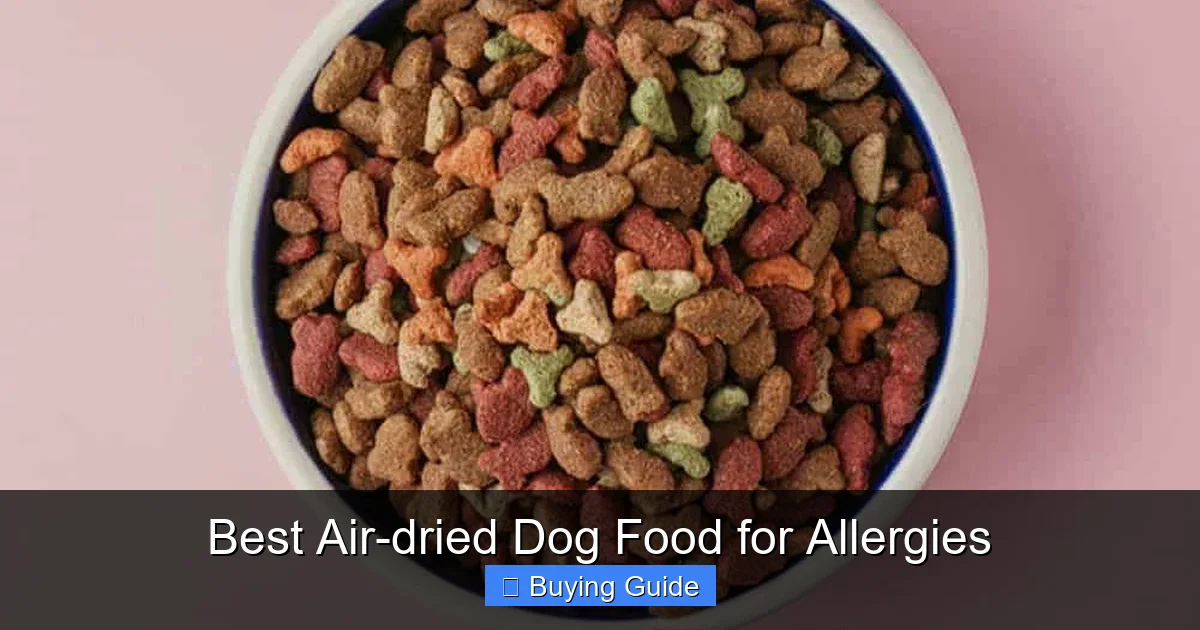
Finding the right food for a dog with allergies can be overwhelming—but air-dried dog food offers a safe, nutritious solution. In 2026, top brands are using single-protein recipes, limited ingredients, and air-drying techniques to preserve nutrients while minimizing allergic reactions. This guide helps you choose the best air-dried dog food for allergies, ensuring your pup stays healthy, happy, and itch-free.
Key Takeaways
- Air-dried dog food retains more nutrients than kibble: The gentle drying process preserves enzymes, vitamins, and proteins, making it easier for sensitive dogs to digest.
- Single-protein and limited-ingredient formulas reduce allergen exposure: These recipes help identify and eliminate common triggers like chicken, beef, or grains.
- No artificial additives or fillers: Top air-dried brands avoid preservatives, colors, and by-products, reducing the risk of allergic flare-ups.
- Ideal for dogs with food sensitivities or skin allergies: Many veterinarians recommend air-dried food as part of an elimination diet to pinpoint allergens.
- Convenient and shelf-stable: Unlike raw food, air-dried options don’t require freezing and can be stored at room temperature for months.
- Look for AAFCO compliance and third-party testing: Ensure the food meets nutritional standards and is free from contaminants.
- Transition slowly to avoid digestive upset: Gradually mix the new food with your dog’s current diet over 7–10 days.
📑 Table of Contents
- Why Air-Dried Dog Food Is a Game-Changer for Allergic Dogs
- Understanding Dog Food Allergies: What You Need to Know
- Top Benefits of Air-Dried Dog Food for Allergic Dogs
- How to Choose the Best Air-Dried Dog Food for Allergies
- Top 5 Air-Dried Dog Foods for Allergies in 2026
- How to Transition Your Dog to Air-Dried Food
- Common Mistakes to Avoid
- Final Thoughts: Giving Your Dog the Best Start in 2026
Why Air-Dried Dog Food Is a Game-Changer for Allergic Dogs
If your dog is constantly scratching, licking their paws, or suffering from upset stomachs, food allergies could be the culprit. In 2026, more pet parents are turning to air-dried dog food as a safe, effective way to manage allergies without sacrificing nutrition. Unlike traditional kibble, which is often loaded with fillers, artificial preservatives, and common allergens, air-dried food offers a cleaner, more natural alternative.
Air-drying is a gentle preservation method that slowly removes moisture from raw ingredients using low heat and airflow. This process locks in essential nutrients—like protein, healthy fats, and enzymes—while eliminating the need for harsh chemicals or high-temperature cooking. The result? A food that’s closer to what dogs would eat in the wild, but safe, convenient, and shelf-stable.
For dogs with allergies, this means fewer irritants and better digestion. Many air-dried formulas use single-source proteins (like duck, rabbit, or salmon) and avoid common allergens such as wheat, corn, soy, and chicken by-products. This makes it easier to identify and eliminate triggers, especially during an elimination diet. Plus, because air-dried food is minimally processed, it’s easier on sensitive stomachs and can help reduce symptoms like diarrhea, gas, and skin rashes.
Understanding Dog Food Allergies: What You Need to Know

Visual guide about Best Air-dried Dog Food for Allergies
Image source: i.ytimg.com
Before diving into the best air-dried options, it’s important to understand what causes food allergies in dogs. Contrary to popular belief, most dog food allergies aren’t caused by grains—they’re triggered by proteins. The most common culprits include beef, chicken, dairy, eggs, and wheat. When a dog’s immune system mistakenly identifies these proteins as harmful, it launches an inflammatory response, leading to symptoms like itchy skin, ear infections, chronic paw licking, vomiting, or diarrhea.
It’s easy to confuse food allergies with food intolerances. While allergies involve the immune system and can cause severe reactions, intolerances are digestive issues—like lactose intolerance—that don’t trigger an immune response. Both can cause discomfort, but only true allergies require strict dietary management.
Diagnosing a food allergy typically involves an elimination diet, where you feed your dog a novel protein and carbohydrate source (something they’ve never eaten before) for 8–12 weeks. If symptoms improve, you can slowly reintroduce old ingredients to pinpoint the allergen. Air-dried dog food is ideal for this process because it’s made with simple, recognizable ingredients and minimal processing.
Common Signs Your Dog May Have Food Allergies
- Persistent itching, especially around the ears, paws, and belly
- Red, inflamed skin or hot spots
- Chronic ear infections or yeast buildup in ears
- Frequent licking or chewing of paws
- Digestive issues like gas, diarrhea, or vomiting
- Hair loss or dull coat
If you notice any of these signs, consult your veterinarian before making dietary changes. They can rule out other conditions like flea allergies, environmental allergens, or infections.
Top Benefits of Air-Dried Dog Food for Allergic Dogs
Air-dried dog food isn’t just a trend—it’s a scientifically backed solution for dogs with sensitivities. Here’s why it stands out in 2026:
1. Nutrient Retention and Digestibility
Unlike kibble, which is cooked at high temperatures (often over 300°F), air-drying uses low heat (usually under 120°F) to preserve the natural structure of proteins, fats, and enzymes. This means your dog gets more bioavailable nutrition, which is especially important for dogs with compromised digestive systems. Studies show that air-dried food can improve nutrient absorption by up to 20% compared to traditional kibble.
2. Limited Ingredients Reduce Allergen Risk
Most high-quality air-dried brands focus on simplicity. You’ll often see recipes with just one protein source, one carbohydrate, and a handful of vegetables or supplements. For example, a duck and sweet potato formula avoids common allergens like chicken, beef, and grains. This minimalist approach makes it easier to manage allergies and supports elimination diets.
3. No Artificial Additives or Fillers
Air-dried dog food typically avoids artificial preservatives (like BHA, BHT, or ethoxyquin), colors, and flavor enhancers. Instead, natural preservatives like mixed tocopherols (vitamin E) are used. This reduces the risk of triggering allergic reactions or sensitivities.
4. Supports Skin and Coat Health
Many air-dried formulas include omega-3 and omega-6 fatty acids from sources like salmon oil or flaxseed. These healthy fats help reduce inflammation, soothe itchy skin, and promote a shiny coat. For dogs with atopic dermatitis or environmental allergies, this can make a noticeable difference.
5. Convenient and Safe
Unlike raw diets, which require careful handling and freezing, air-dried food is shelf-stable and safe to store at room temperature. It’s also easy to portion and travel with—perfect for busy pet parents or dogs on the go.
How to Choose the Best Air-Dried Dog Food for Allergies
Not all air-dried dog food is created equal. To find the best option for your allergic dog, consider these key factors:
1. Protein Source
Look for single-protein recipes using novel or hypoallergenic proteins. Great options include:
- Duck: Rich in iron and B vitamins, duck is a lean, easily digestible protein that’s less likely to trigger allergies than chicken or beef.
- Rabbit: A novel protein for most dogs, rabbit is high in protein and low in fat, making it ideal for sensitive stomachs.
- Salmon: Packed with omega-3s, salmon supports skin health and reduces inflammation. Just ensure it’s sustainably sourced and free from contaminants.
- Kangaroo: An exotic protein that’s rarely used in commercial dog food, making it a top choice for elimination diets.
Avoid recipes with multiple protein sources (like “chicken and turkey”) or vague terms like “meat meal” or “animal by-products.”
2. Carbohydrate Choice
While dogs don’t need carbs, they can provide energy and fiber. For allergic dogs, choose easily digestible, low-glycemic options:
- Sweet potato: High in fiber and beta-carotene, sweet potato is gentle on the stomach and unlikely to cause reactions.
- Pumpkin: Great for digestion and rich in vitamins A and C.
- Peas or lentils: Provide plant-based protein and fiber, but avoid if your dog has legume sensitivities.
Avoid corn, wheat, soy, and potatoes if your dog has known grain or starch allergies.
3. Ingredient Transparency
Choose brands that list every ingredient clearly and avoid vague terms like “flavoring” or “natural flavors.” The ingredient list should be short and recognizable—think “dehydrated duck, sweet potato, coconut oil, choline chloride.”
4. AAFCO Compliance and Testing
Ensure the food meets AAFCO (Association of American Feed Control Officials) standards for complete and balanced nutrition. Look for brands that conduct third-party testing for pathogens, heavy metals, and nutritional accuracy.
5. Brand Reputation and Reviews
Research the brand’s history, manufacturing practices, and customer feedback. In 2026, top air-dried brands like Stella & Chewy’s, The Honest Kitchen, and Ziwi are known for their commitment to quality and transparency.
Top 5 Air-Dried Dog Foods for Allergies in 2026
Here are five standout air-dried dog foods that are perfect for dogs with allergies:
1. Stella & Chewy’s Freeze-Dried Raw Patties – Duck Duck Goose
While technically freeze-dried, Stella & Chewy’s uses a similar low-heat process that preserves nutrients. This single-protein recipe features 95% duck, organs, and bone, plus organic fruits and vegetables. It’s grain-free, gluten-free, and free from artificial additives. Many pet parents report reduced itching and improved coat condition after switching.
2. The Honest Kitchen Dehydrated Dog Food – Turkey Recipe
Made with human-grade, dehydrated turkey, this recipe includes pumpkin, barley, and coconut oil. It’s gently air-dried to retain nutrients and is free from corn, wheat, and soy. The Honest Kitchen is known for its transparency and sustainable sourcing.
3. Ziwi Peak Air-Dried Dog Food – Lamb & Mackerel
Ziwi uses a proprietary air-drying process that locks in flavor and nutrition. This recipe features grass-fed lamb, whole mackerel, and green-lipped mussels—rich in glucosamine and omega-3s. It’s free from grains, fillers, and artificial preservatives, making it ideal for sensitive dogs.
4. Primal Freeze-Dried Dog Food – Rabbit Formula
Primal’s rabbit recipe is a top choice for elimination diets. It includes rabbit meat, liver, and bone, plus organic kale, cranberries, and salmon oil. The brand uses high-pressure pasteurization (HPP) to ensure safety without heat.
5. Open Farm Air-Dried Dog Food – Salmon & Cod
Open Farm combines air-drying with ethical sourcing. This recipe features wild-caught salmon and cod, sweet potato, and pumpkin. It’s free from antibiotics, hormones, and GMOs, and the company provides full traceability for every ingredient.
How to Transition Your Dog to Air-Dried Food
Switching to air-dried food should be done gradually to avoid digestive upset. Follow this 7–10 day transition plan:
- Days 1–2: Mix 25% new food with 75% current food.
- Days 3–4: Increase to 50% new food.
- Days 5–6: Use 75% new food.
- Day 7+: Feed 100% air-dried food.
Monitor your dog for signs of digestive issues like diarrhea or vomiting. If symptoms occur, slow the transition or consult your vet. Some dogs may need a slower switch, especially if they have severe sensitivities.
Tips for Success
- Rehydrate the food with warm water or bone broth to improve palatability and digestion.
- Store air-dried food in an airtight container in a cool, dry place.
- Use a food scale to measure portions accurately—air-dried food is calorie-dense.
- Introduce one new food at a time if doing an elimination diet.
Common Mistakes to Avoid
Even with the best intentions, pet parents can make mistakes when feeding air-dried food to allergic dogs. Here’s what to avoid:
1. Switching Too Quickly
Abrupt changes can shock your dog’s system. Always transition slowly over at least a week.
2. Overfeeding
Air-dried food is nutrient-dense, so portions are smaller than kibble. Follow the feeding guidelines on the package and adjust based on your dog’s weight and activity level.
3. Ignoring Water Intake
Since air-dried food has low moisture content, ensure your dog has access to fresh water at all times. Dehydration can worsen skin issues.
4. Not Consulting a Veterinarian
If your dog’s symptoms persist or worsen, seek professional advice. Food allergies can sometimes mimic other conditions like environmental allergies or infections.
5. Assuming All “Natural” Foods Are Safe
Just because a food is labeled “natural” doesn’t mean it’s allergen-free. Always read the ingredient list carefully.
Final Thoughts: Giving Your Dog the Best Start in 2026
In 2026, pet nutrition is more advanced and accessible than ever. For dogs with allergies, air-dried food offers a powerful combination of safety, nutrition, and convenience. By choosing high-quality, limited-ingredient formulas, you can help your dog feel their best—inside and out.
Remember, every dog is unique. What works for one may not work for another. Be patient, observe your dog’s reactions, and don’t hesitate to try different proteins or brands. With the right food, your allergic dog can enjoy a life free from itching, digestive issues, and discomfort.
Investing in your dog’s diet is one of the best things you can do for their long-term health. Air-dried dog food isn’t just a trend—it’s a smart, science-backed choice for pets with sensitivities. So take the leap, read labels carefully, and give your furry friend the gift of better health.
Frequently Asked Questions
Is air-dried dog food safe for puppies with allergies?
Yes, many air-dried brands offer puppy-specific formulas that meet AAFCO growth standards. Look for recipes with balanced calcium-to-phosphorus ratios and DHA for brain development.
Can I mix air-dried food with kibble?
Yes, you can mix air-dried food with kibble during the transition period. However, for dogs with severe allergies, it’s best to feed a single, consistent diet to avoid cross-contamination.
How long does air-dried dog food last after opening?
Once opened, store air-dried food in an airtight container and use within 6–8 weeks. Keep it in a cool, dry place away from sunlight to maintain freshness.
Is air-dried food more expensive than kibble?
Yes, air-dried food typically costs more than kibble due to higher-quality ingredients and specialized processing. However, many pet parents find the health benefits and reduced vet bills worth the investment.
Can air-dried food help with environmental allergies?
While air-dried food won’t cure environmental allergies (like pollen or dust), it can reduce overall inflammation and support skin health, making your dog more comfortable during allergy season.
What if my dog doesn’t like air-dried food?
Try rehydrating it with warm water or bone broth to enhance flavor and texture. You can also mix in a small amount of wet food or top with freeze-dried toppers to encourage eating.