

Choosing the right diet is one of the most powerful ways to support your dog’s long-term health—especially when it comes to cancer prevention. In 2026, research continues to show that certain foods rich in antioxidants, healthy fats, and phytonutrients can help strengthen your dog’s immune system and reduce inflammation, two key factors in fighting cancer.
Key Takeaways
- Antioxidant-rich foods like blueberries and spinach help neutralize free radicals that can damage cells and lead to cancer.
- Omega-3 fatty acids from fish oil and flaxseed reduce inflammation, a known contributor to tumor growth.
- Cruciferous vegetables such as broccoli and Brussels sprouts contain sulforaphane, a compound shown to inhibit cancer cell development.
- Lean, high-quality proteins like turkey and chicken support muscle health and immune function without overloading the body with processed fats.
- Turmeric, when properly prepared with black pepper and fat, offers powerful anti-inflammatory and anti-cancer properties.
- Fresh, whole-food diets—whether homemade or commercially prepared—are generally more effective than highly processed kibble for long-term disease prevention.
- Always consult your veterinarian before making major dietary changes, especially if your dog has been diagnosed with or is at high risk for cancer.
📑 Table of Contents
- Why Diet Matters in the Fight Against Canine Cancer
- Top Anti Cancer Foods for Dogs in 2026
- Homemade vs. Commercial: Which Is Better for Cancer Prevention?
- Foods to Avoid: The Cancer Risk Factors in Dog Diets
- Supplements That Support Cancer Prevention
- Real-Life Success Stories: Dogs Thriving on Anti-Cancer Diets
- How to Transition Your Dog to an Anti-Cancer Diet
- Conclusion: Food as Medicine for Your Dog
Why Diet Matters in the Fight Against Canine Cancer
Cancer is one of the leading causes of death in dogs over the age of 10, and while genetics and environment play roles, diet is a powerful tool we can control. In 2026, veterinary nutrition science has made significant strides in understanding how food influences cellular health, inflammation, and immune response—all critical factors in cancer development and progression. More pet owners than ever are turning to nutrition not just as fuel, but as medicine.
The idea isn’t to replace conventional treatments like chemotherapy or surgery, but to support your dog’s body from the inside out. Think of food as your dog’s first line of defense. Just like humans, dogs benefit from a diet rich in natural, unprocessed ingredients that deliver bioactive compounds capable of slowing tumor growth, reducing oxidative stress, and boosting detoxification pathways. The best anti cancer foods for dogs aren’t exotic or hard to find—they’re often right in your kitchen or local grocery store.
Top Anti Cancer Foods for Dogs in 2026
In recent years, researchers have identified specific foods that consistently show promise in supporting canine health and reducing cancer risk. These aren’t miracle cures, but they are scientifically backed additions to a balanced diet. Below are the top anti cancer foods for dogs that every pet parent should consider incorporating.
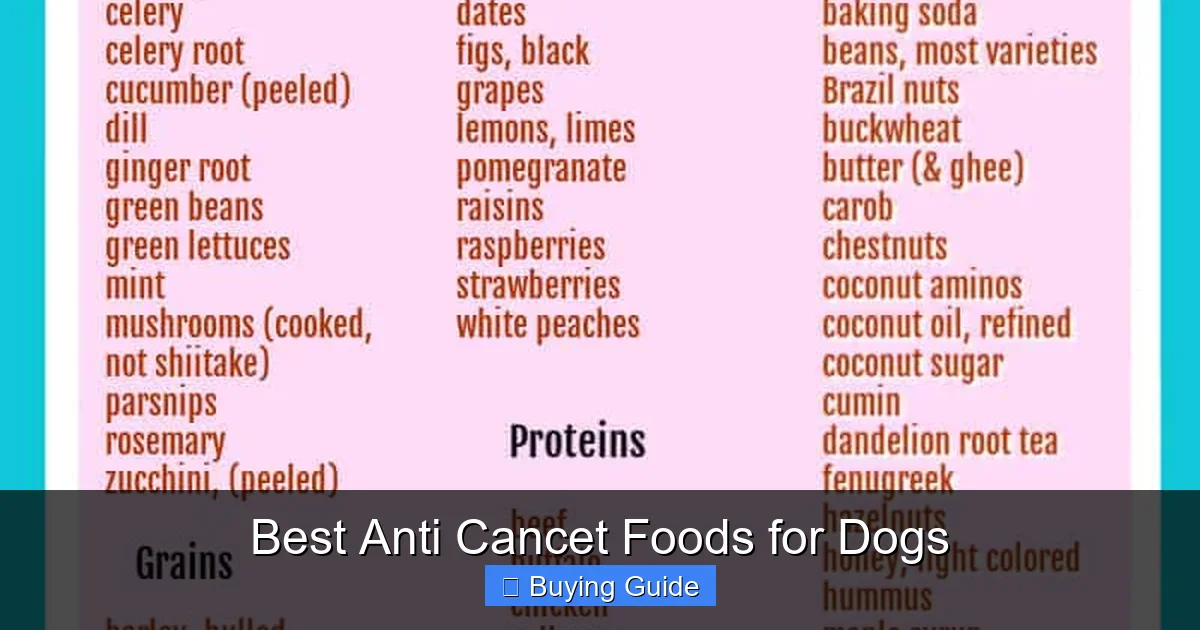
Visual guide about Best Anti Cancet Foods for Dogs
Image source: eatbeautiful.net
1. Blueberries: Nature’s Antioxidant Powerhouse
Blueberries are small but mighty when it comes to fighting cancer. Packed with anthocyanins, vitamin C, and fiber, these berries help neutralize free radicals—unstable molecules that damage DNA and contribute to cancer development. A 2025 study published in the Journal of Veterinary Oncology found that dogs fed a diet supplemented with blueberries showed improved markers of oxidative stress and enhanced immune cell activity.
You can feed fresh or frozen blueberries as treats, mix them into homemade meals, or blend them into smoothies. Aim for about 5–10 berries per day for small dogs and up to 20 for larger breeds. Just avoid dried blueberries with added sugar—those offer more calories and fewer benefits.
2. Broccoli and Other Cruciferous Vegetables
Broccoli, Brussels sprouts, kale, and cauliflower belong to the cruciferous family, known for their high levels of glucosinolates. When chewed or chopped, these compounds break down into sulforaphane—a potent anti-cancer agent. Sulforaphane has been shown in multiple studies to inhibit cancer cell growth and promote apoptosis (programmed cell death) in tumors.
For dogs, lightly steaming broccoli makes it easier to digest and increases sulforaphane availability. Avoid raw broccoli in large amounts, as it can cause gas or digestive upset. A few florets per meal, chopped finely, are perfect. You can also find freeze-dried broccoli powder in some premium dog foods or supplements.
3. Fatty Fish: Omega-3s for Inflammation Control
Chronic inflammation is a known driver of cancer. Omega-3 fatty acids—especially EPA and DHA—help calm the immune system and reduce inflammatory markers. Fatty fish like wild-caught salmon, sardines, and mackerel are excellent sources. In 2026, veterinary nutritionists recommend including fish in your dog’s diet 2–3 times per week.
If you’re feeding fresh fish, make sure it’s cooked to avoid parasites and bones. Canned sardines in water (no salt added) are a convenient option. Alternatively, high-quality fish oil supplements can be added to meals. Look for products that are third-party tested for purity and free of heavy metals. A typical dose is about 20 mg of EPA+DHA per pound of body weight daily.
4. Turmeric: The Golden Spice with Healing Power
Turmeric contains curcumin, a compound with strong anti-inflammatory, antioxidant, and anti-cancer properties. Research shows curcumin can interfere with cancer cell signaling, reduce tumor size, and enhance the effectiveness of certain chemotherapy drugs.
However, curcumin isn’t easily absorbed on its own. To maximize benefits, mix turmeric powder with a pinch of black pepper (which contains piperine, a bioavailability enhancer) and a source of fat like coconut oil or fish oil. A popular recipe is “golden paste”: combine ½ cup turmeric powder, 1 cup water, 1½ tsp black pepper, and ¼ cup coconut oil. Simmer until thick, then store in the fridge. Start with ¼ tsp per 10 pounds of body weight daily and increase gradually.
5. Pumpkin and Sweet Potato: Fiber and Beta-Carotene Boosters
These orange-hued vegetables are rich in beta-carotene, which the body converts to vitamin A—a nutrient essential for immune function and cell health. They’re also high in soluble fiber, which supports gut health. A healthy gut microbiome is increasingly linked to reduced cancer risk, as 70% of the immune system resides in the digestive tract.
Pumpkin (not pumpkin pie filling!) can be fed raw, cooked, or canned. Sweet potatoes should be cooked and peeled. Both are great for dogs with sensitive stomachs and can help regulate digestion. Add a tablespoon per meal for small dogs, up to ¼ cup for larger breeds.
6. Eggs: Complete Protein with Cancer-Fighting Nutrients
Eggs are one of the most bioavailable sources of protein and contain choline, selenium, and lutein—nutrients that support liver detoxification and cellular repair. The yolk, in particular, is rich in antioxidants that protect against oxidative damage.
Feed eggs cooked (scrambled or boiled) to avoid the risk of salmonella and to improve protein absorption. One egg every other day is sufficient for most dogs. If your dog has kidney issues, consult your vet first, as excess protein may need to be limited.
Homemade vs. Commercial: Which Is Better for Cancer Prevention?
One of the biggest questions pet owners ask is whether homemade diets or commercial foods are better for preventing cancer. The answer isn’t black and white, but in 2026, the trend is leaning toward fresh, minimally processed options.
The Case for Homemade Diets
Homemade meals allow you full control over ingredients. You can choose organic, human-grade produce and meats, avoid fillers like corn and soy, and tailor the diet to your dog’s specific needs. Many holistic veterinarians recommend balanced homemade diets for dogs with cancer or high genetic risk.
However, balance is key. Dogs need the right ratio of protein, fat, carbohydrates, vitamins, and minerals. A poorly formulated homemade diet can lead to deficiencies or imbalances. Work with a veterinary nutritionist to create a complete recipe. Organizations like the American College of Veterinary Nutrition offer referral services to certified specialists.
Choosing the Right Commercial Food
If homemade isn’t practical, look for high-quality commercial dog foods that prioritize whole ingredients. In 2026, several brands have reformulated to include anti-cancer ingredients like blueberries, turmeric, and fish oil. Avoid foods with artificial preservatives (like BHA, BHT, and ethoxyquin), excessive carbohydrates, and by-products.
Look for labels that say “complete and balanced” according to AAFCO standards. Premium brands like The Honest Kitchen, Open Farm, and Ziwi Peak now offer freeze-dried or air-dried options that retain more nutrients than traditional kibble. Rotate proteins regularly to reduce the risk of food sensitivities and ensure a broad nutrient profile.
Foods to Avoid: The Cancer Risk Factors in Dog Diets
Just as some foods help prevent cancer, others may increase the risk. In 2026, research continues to link certain dietary components to higher cancer rates in dogs.
Processed Meats and By-Products
Bacon, hot dogs, and other processed meats contain nitrates and nitrites, which can form carcinogenic compounds in the body. Similarly, low-quality dog foods that list “meat by-products” or “animal digest” may include parts of animals not fit for human consumption, including diseased tissues.
High-Carbohydrate Diets
Many commercial kibbles are high in grains and starches, which can spike blood sugar and insulin levels. Cancer cells thrive on glucose, so a high-carb diet may fuel tumor growth. Dogs are primarily carnivores and don’t need large amounts of carbohydrates. Opt for low-glycemic vegetables like green beans or zucchini instead of corn or potatoes.
Artificial Additives and Preservatives
Chemicals like propylene glycol (found in some soft treats) and food dyes have been linked to health issues in dogs. While not all additives are harmful, it’s best to minimize exposure. Read labels carefully and choose foods with natural preservatives like mixed tocopherols (vitamin E).
Supplements That Support Cancer Prevention
In addition to whole foods, certain supplements can enhance your dog’s defense against cancer. Always consult your vet before starting any supplement, especially if your dog is on medication.
Omega-3 Fatty Acid Supplements
As mentioned earlier, fish oil is a top choice. Look for products with high EPA and DHA content and third-party certification (like NSF or USP). Krill oil is another option, rich in astaxanthin, a powerful antioxidant.
Probiotics for Gut Health
A healthy gut supports a strong immune system. Probiotics like Lactobacillus and Bifidobacterium strains can help maintain microbial balance. Choose supplements designed for dogs, as human formulas may not survive stomach acid.
Medicinal Mushrooms
Reishi, turkey tail, and chaga mushrooms contain beta-glucans, which stimulate immune cells. Turkey tail, in particular, has been studied in dogs with cancer and shown to improve survival rates when used alongside conventional treatment. Available as powders or tinctures, these should be given under veterinary supervision.
Vitamin E and Selenium
These antioxidants work together to protect cell membranes from damage. Many high-quality dog foods already include them, but additional supplementation may benefit older dogs or those with chronic illness.
Real-Life Success Stories: Dogs Thriving on Anti-Cancer Diets
While no diet can guarantee cancer prevention, many pet owners report remarkable improvements after switching to nutrient-dense, anti-inflammatory meals. Take Max, a 9-year-old Golden Retriever diagnosed with lymphoma in 2025. His owner worked with a holistic vet to create a diet rich in salmon, blueberries, turmeric, and broccoli. Combined with low-dose chemotherapy, Max went into remission and maintained a high quality of life for over 18 months.
Another example is Bella, a 12-year-old Beagle with a mast cell tumor. Her vet recommended a low-carb, high-protein diet with added fish oil and medicinal mushrooms. After surgery and dietary changes, her tumor markers decreased, and she remained cancer-free for two years.
These stories highlight the importance of a comprehensive approach—combining diet, veterinary care, and lifestyle. Every dog is different, but nutrition plays a vital role in supporting overall health.
How to Transition Your Dog to an Anti-Cancer Diet
Switching your dog’s diet should be done gradually to avoid digestive upset. Here’s a simple 7-day plan:
- Days 1–2: Mix 25% new food with 75% old food.
- Days 3–4: Use 50% new and 50% old.
- Days 5–6: Increase to 75% new food.
- Day 7: Feed 100% new diet.
Monitor your dog for signs of digestive issues like diarrhea or vomiting. If problems occur, slow the transition or consult your vet. Introduce new ingredients one at a time to identify any sensitivities.
For homemade diets, start with simple recipes and gradually add variety. Keep a food journal to track energy levels, coat condition, and stool quality. These observations can help you fine-tune the diet over time.
Conclusion: Food as Medicine for Your Dog
In 2026, the connection between diet and cancer prevention in dogs is clearer than ever. While no single food can stop cancer in its tracks, a consistent, nutrient-rich diet can significantly reduce risk and support overall well-being. The best anti cancer foods for dogs are those that are fresh, whole, and rich in antioxidants, healthy fats, and immune-boosting compounds.
By incorporating foods like blueberries, broccoli, fatty fish, turmeric, and eggs—and avoiding processed ingredients and excess carbohydrates—you’re giving your dog the best possible foundation for a long, healthy life. Remember, every meal is an opportunity to nourish and protect. With the right knowledge and a little planning, you can make a meaningful difference in your dog’s health, one bite at a time.
Frequently Asked Questions
Can dogs eat raw broccoli?
Yes, but in small amounts. Raw broccoli can be hard to digest and may cause gas. Lightly steaming it improves digestibility and increases the availability of sulforaphane, a key anti-cancer compound.
How much turmeric should I give my dog daily?
Start with ¼ teaspoon of turmeric powder per 10 pounds of body weight, mixed with black pepper and a fat source like coconut oil. Always consult your vet before starting any new supplement.
Are blueberries safe for dogs with diabetes?
Blueberries are low in sugar and high in fiber, making them a good occasional treat. However, dogs with diabetes should have their blood sugar monitored, and portion sizes should be kept small.
Can I feed my dog a vegetarian diet to prevent cancer?
Dogs are omnivores but thrive on animal-based proteins. A vegetarian diet may lack essential nutrients like taurine and vitamin B12. If considering this route, work with a veterinary nutritionist to ensure balance.
Do anti-cancer dog foods really work?
While no food can guarantee cancer prevention, diets rich in antioxidants, omega-3s, and phytonutrients support immune function and reduce inflammation—key factors in lowering cancer risk.
Should I stop giving my dog kibble if I’m worried about cancer?
Not necessarily. High-quality kibble can be part of a healthy diet. Look for brands with whole ingredients, no artificial additives, and added anti-cancer nutrients like fish oil or turmeric.