
Choosing the right anti inflammatory food for dogs can dramatically improve your pet’s comfort, mobility, and long-term health. In 2026, pet owners are turning to science-backed, whole-food ingredients like omega-3s, turmeric, and leafy greens to naturally reduce inflammation and support joint, skin, and gut health.
Key Takeaways
- Omega-3 fatty acids (EPA and DHA) from fish oil are among the most effective natural anti inflammatories for dogs, reducing joint stiffness and skin irritation.
- Turmeric contains curcumin, a powerful compound that helps ease chronic inflammation, especially when paired with black pepper for better absorption.
- Leafy greens like spinach and kale provide antioxidants and phytonutrients that combat oxidative stress and support immune function.
- Lean proteins such as chicken, turkey, and rabbit help maintain muscle without triggering inflammatory responses, unlike some processed or grain-heavy diets.
- Probiotic-rich foods like plain yogurt and fermented vegetables promote gut health, which is closely linked to systemic inflammation.
- Avoid common inflammatory triggers like corn, soy, artificial preservatives, and excessive carbohydrates, which can worsen conditions like arthritis or allergies.
- Always consult your veterinarian before switching your dog’s diet, especially if they have pre-existing health conditions or are on medication.
📑 Table of Contents
- Why Anti Inflammatory Nutrition Matters for Dogs in 2026
- Top Anti Inflammatory Ingredients to Look For
- Foods to Avoid: The Inflammatory Culprits
- Best Commercial Dog Foods with Anti Inflammatory Benefits (2026)
- Homemade Anti Inflammatory Diets: What You Need to Know
- Signs Your Dog’s Diet Is Working
- Final Thoughts: Making the Right Choice for Your Dog
Why Anti Inflammatory Nutrition Matters for Dogs in 2026
If you’ve noticed your dog slowing down on walks, licking their paws more than usual, or seeming stiff after naps, inflammation might be the culprit. In 2026, veterinarians and pet nutritionists agree: chronic inflammation is one of the biggest hidden threats to canine health. It’s not just about sore joints—it can affect your dog’s skin, digestion, energy levels, and even behavior.
Unlike acute inflammation, which is a normal healing response, chronic inflammation lingers and can lead to serious conditions like arthritis, inflammatory bowel disease (IBD), allergies, and even cancer. The good news? What your dog eats plays a massive role in either fueling or fighting this silent fire inside their body. That’s why choosing the best anti inflammatory food for dogs isn’t just a trend—it’s a vital part of preventive care.
In recent years, pet food science has evolved dramatically. We now know that processed kibble filled with fillers, artificial additives, and high-glycemic carbohydrates can actually promote inflammation. On the flip side, fresh, whole-food diets rich in natural anti inflammatory compounds are proving to be game-changers for dogs of all ages and breeds. Whether you’re feeding a senior dog with achy hips or a young pup with sensitive skin, the right nutrition can make a noticeable difference.
Top Anti Inflammatory Ingredients to Look For
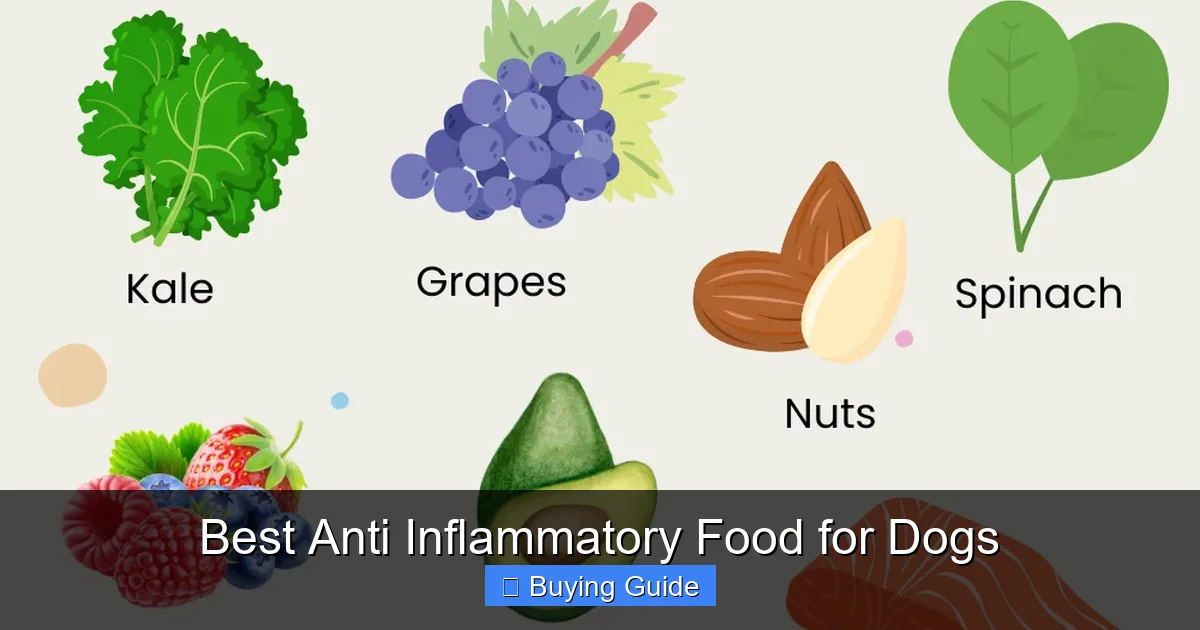
Visual guide about Best Anti Inflammatory Food for Dogs
Image source: images.squarespace-cdn.com
When shopping for dog food or planning homemade meals, knowing which ingredients pack an anti inflammatory punch is key. Let’s break down the top five powerhouse components that should be on your radar in 2026.
Omega-3 Fatty Acids: The Gold Standard
Omega-3s, particularly EPA (eicosapentaenoic acid) and DHA (docosahexaenoic acid), are essential fats that your dog’s body can’t produce on its own. These fatty acids are proven to reduce inflammation at the cellular level by blocking pro-inflammatory enzymes and cytokines.
The best sources for dogs include wild-caught fish like salmon, sardines, and mackerel. Fish oil supplements are also widely available and often added to premium dog foods. In 2026, many veterinarians recommend a daily dose of 20–50 mg of EPA+DHA per pound of body weight, depending on your dog’s size and condition.
For example, a 50-pound dog might benefit from 1,000–2,500 mg of combined EPA and DHA daily. Look for fish oil that’s been third-party tested for purity and free of heavy metals. Brands like Nordic Naturals and Grizzly Salmon Oil are trusted by pet owners and vets alike.
Turmeric: Nature’s Golden Spice
Turmeric has been used for centuries in traditional medicine, and modern science now backs its benefits for dogs. The active compound, curcumin, has strong anti inflammatory and antioxidant properties. Studies show it can help manage osteoarthritis pain and improve mobility in dogs.
However, curcumin isn’t easily absorbed on its own. That’s why it’s crucial to pair turmeric with black pepper, which contains piperine—a compound that boosts absorption by up to 2,000%. You can add a small amount of turmeric powder (about 1/8 to 1/4 teaspoon per 10 pounds of body weight) to your dog’s food, along with a pinch of black pepper and a healthy fat like coconut oil to enhance uptake.
Many pet parents in 2026 are using turmeric chews or powdered blends specifically formulated for dogs. Just be cautious: high doses or long-term use without veterinary guidance can cause stomach upset or interact with certain medications.
Leafy Greens and Colorful Veggies
Vegetables aren’t just filler—they’re packed with vitamins, minerals, and phytonutrients that fight inflammation. Dark leafy greens like spinach, kale, and Swiss chard are rich in vitamin K, magnesium, and antioxidants like quercetin and kaempferol.
Colorful veggies such as blueberries, carrots, and sweet potatoes add even more anti inflammatory power. Blueberries, for instance, are loaded with anthocyanins—antioxidants that protect cells from damage and reduce inflammation in the brain and joints.
When feeding veggies to your dog, always cook or lightly steam them to improve digestibility. Avoid onions, garlic, and avocado, which are toxic to dogs. A good rule of thumb is to keep vegetables to no more than 10–15% of your dog’s total diet to maintain proper nutrient balance.
Lean, High-Quality Proteins
Protein is essential for muscle repair and immune function, but not all proteins are created equal. Lean meats like chicken, turkey, rabbit, and lean beef are excellent choices because they provide essential amino acids without excess fat that can contribute to inflammation.
In 2026, many pet owners are opting for novel proteins—like duck, venison, or kangaroo—especially if their dog has food sensitivities. These less common proteins are less likely to trigger allergic reactions, which are often linked to chronic inflammation.
Avoid processed meats, by-products, and meals with unnamed protein sources (e.g., “meat meal”). Always look for whole, identifiable ingredients listed first on the label.
Probiotics and Gut-Supporting Foods
Did you know that up to 70% of your dog’s immune system lives in their gut? An imbalanced microbiome can lead to chronic inflammation, especially in the digestive tract. That’s where probiotics come in.
Fermented foods like plain, unsweetened yogurt (with live cultures), kefir, and fermented vegetables (like sauerkraut, rinsed to remove excess salt) can help restore healthy gut bacteria. These “good” bacteria produce short-chain fatty acids like butyrate, which have potent anti inflammatory effects.
In 2026, probiotic supplements for dogs are more advanced than ever, with strains specifically chosen for canine health. Look for products containing Lactobacillus and Bifidobacterium species. Always introduce probiotics slowly to avoid digestive upset.
Foods to Avoid: The Inflammatory Culprits
Just as important as what you include in your dog’s diet is what you leave out. Certain ingredients are known to promote inflammation and should be minimized or eliminated.
Grains and High-Carb Fillers
While not all dogs are allergic to grains, many modern diets overuse corn, wheat, soy, and rice as cheap fillers. These high-carbohydrate ingredients can spike blood sugar and insulin levels, leading to fat storage and low-grade inflammation—especially in overweight dogs.
Gluten-containing grains like wheat and barley may also trigger immune responses in sensitive dogs, worsening skin and joint issues. In 2026, grain-free and low-glycemic diets are increasingly popular, but it’s important to note that grain-free doesn’t automatically mean healthy. Some grain-free diets use potato or tapioca, which are still high in starch.
Instead, focus on complex carbohydrates like pumpkin, butternut squash, and green beans, which provide fiber and nutrients without the inflammatory load.
Artificial Additives and Preservatives
Ingredients like BHA, BHT, ethoxyquin, and artificial colors (e.g., Red 40, Yellow 5) are not only unnecessary—they’ve been linked to oxidative stress and inflammation in animals. These chemicals are often found in lower-quality kibbles and treats.
Natural preservatives like mixed tocopherols (vitamin E) and rosemary extract are much safer alternatives. Always read labels carefully and choose brands that prioritize clean, transparent ingredient lists.
Excess Omega-6 Fatty Acids
While omega-6 fatty acids are essential, too much can promote inflammation—especially when not balanced with omega-3s. Many commercial dog foods are high in omega-6s due to ingredients like chicken fat, corn oil, and soybean oil.
The ideal omega-6 to omega-3 ratio for dogs is between 5:1 and 10:1. Unfortunately, many kibbles have ratios as high as 20:1 or more. To correct this imbalance, supplement with omega-3s and choose foods with healthier fat sources like flaxseed or chia seeds (though fish-based omega-3s are more bioavailable).
Best Commercial Dog Foods with Anti Inflammatory Benefits (2026)
If you’re not ready to switch to a fully homemade diet, there are excellent commercial options that prioritize anti inflammatory nutrition. Here are a few top picks in 2026:
Ollie Fresh Dog Food
Ollie delivers fresh, human-grade meals tailored to your dog’s age, weight, and activity level. Their recipes include lean proteins, sweet potatoes, spinach, and fish oil—all cooked gently to preserve nutrients. Many customers report reduced itching, shinier coats, and better mobility in arthritic dogs.
The Honest Kitchen Human-Grade Dehydrated Food
This brand uses whole, dehydrated ingredients like free-range chicken, organic barley, and kale. It’s minimally processed, free of fillers, and easy to rehydrate with water. The inclusion of turmeric and fish oil makes it a strong anti inflammatory choice.
Open Farm Cold-Pressed Dog Food
Open Farm’s cold-pressed kibble retains more nutrients than traditional extrusion methods. Their recipes feature wild-caught fish, coconut oil, and pumpkin, with no artificial additives. The brand is also transparent about sourcing and sustainability.
Ziwi Peak Air-Dried Dog Food
Made with free-range meats and seafood, Ziwi Peak is rich in natural omega-3s and protein. The air-drying process preserves enzymes and nutrients, making it a great option for dogs with sensitive stomachs or allergies.
When choosing a commercial food, always check the ingredient list, guaranteed analysis, and whether the food meets AAFCO standards. Look for brands that conduct feeding trials and offer veterinary support.
Homemade Anti Inflammatory Diets: What You Need to Know
More pet owners in 2026 are turning to homemade meals to have full control over their dog’s nutrition. While this approach can be highly beneficial, it requires careful planning to ensure your dog gets all the essential nutrients.
Balancing Macronutrients
A balanced homemade diet should include:
– 50–60% protein (from meat, organs, and eggs)
– 20–30% vegetables (cooked or pureed)
– 10–20% healthy fats (fish oil, coconut oil, flaxseed)
– Small amounts of complex carbs (pumpkin, squash)
Avoid feeding raw diets without proper guidance, as they can pose risks of bacterial contamination and nutritional imbalances.
Supplementing Wisely
Even the best homemade meals may lack certain nutrients. Common supplements include:
– Calcium (if not feeding bones or a balanced bone meal)
– Vitamin E
– Zinc
– Omega-3 fatty acids
– Probiotics
Consider working with a veterinary nutritionist to formulate a complete and balanced recipe. Organizations like the American College of Veterinary Nutrition (ACVN) offer referral services to certified specialists.
Sample Anti Inflammatory Meal Plan
Here’s a simple recipe for a 40-pound dog:
– 6 oz cooked turkey (lean ground or breast)
– 1/2 cup steamed sweet potato
– 1/4 cup chopped spinach (lightly steamed)
– 1/4 cup blueberries
– 1 tsp fish oil
– 1/4 tsp turmeric powder + pinch of black pepper
– 1 tsp coconut oil
Mix all ingredients and serve. Adjust portions based on your dog’s weight and activity level. Store leftovers in the fridge for up to 3 days or freeze for longer storage.
Signs Your Dog’s Diet Is Working
Switching to an anti inflammatory diet won’t produce overnight miracles, but you should start noticing positive changes within 4–8 weeks. Here’s what to look for:
– **Improved mobility:** Less stiffness, easier rising, more enthusiasm for walks.
– **Healthier skin and coat:** Reduced itching, flaking, or hot spots; shinier fur.
– **Better digestion:** Firmer stools, less gas, and fewer digestive upsets.
– **Increased energy:** More playfulness and alertness, especially in older dogs.
– **Reduced allergy symptoms:** Less paw licking, ear infections, or facial rubbing.
Keep a journal to track changes in behavior, appetite, and physical symptoms. This can help you and your vet assess progress and make adjustments.
Final Thoughts: Making the Right Choice for Your Dog
In 2026, we have more knowledge and options than ever when it comes to feeding our dogs for optimal health. The best anti inflammatory food for dogs isn’t about chasing trends—it’s about understanding how nutrition impacts inflammation and choosing whole, natural ingredients that support long-term wellness.
Whether you go with a premium commercial diet, a homemade meal plan, or a combination of both, the key is consistency and quality. Avoid quick fixes and miracle cures. Instead, focus on building a foundation of clean, balanced nutrition that reduces inflammation at its source.
Remember, every dog is unique. What works for one may not work for another. Pay attention to your dog’s individual needs, consult your veterinarian regularly, and don’t be afraid to adjust as needed.
By making informed choices today, you’re not just feeding your dog—you’re helping them live a longer, happier, and more comfortable life.
Frequently Asked Questions
Can I give my dog human anti inflammatory foods like turmeric?
Yes, but in moderation and with the right preparation. Turmeric is safe for dogs and can reduce inflammation, but always pair it with black pepper and a fat source for better absorption. Avoid giving large amounts or combining it with medications without vet approval.
How long does it take to see results from an anti inflammatory diet?
Most dogs show improvement within 4 to 8 weeks, especially in joint mobility and skin health. However, chronic conditions may take longer, and consistency is key. Keep track of changes and consult your vet if no improvement is seen.
Are grain-free diets always better for reducing inflammation?
Not necessarily. While some dogs benefit from grain-free diets, others do fine with whole grains like oats or quinoa. The real issue is often the quality of ingredients and carbohydrate load. Focus on low-glycemic, nutrient-dense carbs instead.
Can puppies eat anti inflammatory foods?
Yes, but their nutritional needs are different. Puppies require more calories, protein, and certain fats for growth. Always choose age-appropriate diets and consult your vet before adding supplements like fish oil or turmeric.
Is fish oil safe for all dogs?
Fish oil is generally safe and beneficial, but dogs with pancreatitis or bleeding disorders should use it cautiously. Choose high-quality, purified oils and follow dosage guidelines based on your dog’s weight and health status.
What if my dog has food allergies?
Food allergies often cause inflammation, so identifying and eliminating triggers is crucial. Common allergens include beef, chicken, dairy, and wheat. Work with your vet to conduct an elimination diet or try novel proteins like duck or venison.