

Choosing the right dry dog food for your senior bully breed is crucial for their health and happiness. As these muscular, loyal dogs age, their nutritional needs shift—requiring joint support, lean protein, and digestive care. This guide highlights the top Australian-made kibble options in 2026 designed specifically for older bulldogs, pit bulls, and other bully breeds.
Key Takeaways
- Joint health is a top priority: Senior bully breeds are prone to hip dysplasia and arthritis, so look for glucosamine, chondroitin, and omega-3s.
- High-quality protein is essential: Even in older dogs, bully breeds need lean protein to maintain muscle mass—aim for real meat as the first ingredient.
- Digestive support matters: Probiotics, prebiotics, and easily digestible fibers help prevent bloating and gas common in brachycephalic breeds.
- Controlled calories prevent obesity: Senior bullies are less active, so lower-calorie formulas help maintain a healthy weight without sacrificing nutrition.
- Australian-made means quality control: Locally produced kibble often meets strict Aussie standards for safety, sourcing, and sustainability.
- Palatability is key for picky eaters: Older bully breeds may lose appetite, so flavorful, aromatic kibble encourages consistent eating.
- Consult your vet before switching: Every dog is different—your veterinarian can help tailor the best diet based on health conditions and activity level.
📑 Table of Contents
- Why Senior Bully Breeds Need Specialized Nutrition
- What to Look for in Dry Dog Food for Senior Bully Breeds
- Top Australian Dry Dog Food Brands for Senior Bully Breeds in 2026
- How to Transition Your Senior Bully to a New Diet
- Common Mistakes to Avoid When Feeding Senior Bully Breeds
- Final Thoughts: Giving Your Senior Bully the Best Life Possible
Why Senior Bully Breeds Need Specialized Nutrition
As your beloved bully breed—whether it’s an American Bulldog, Pit Bull, Staffordshire Terrier, or French Bulldog—enters their golden years, their body changes in ways that demand a shift in diet. These dogs are known for their muscular build, strong jaws, and playful personalities, but aging brings challenges like reduced mobility, slower metabolism, and increased sensitivity to certain ingredients. In 2026, Australian pet owners are more informed than ever about the importance of age-appropriate nutrition, and the market has responded with high-quality, science-backed dry dog food options tailored to senior bully breeds.
Senior bully breeds typically reach their senior stage around 6 to 8 years old, depending on size and genetics. At this point, their energy levels drop, and they become more prone to joint issues, weight gain, and digestive problems. Unlike smaller breeds, bully dogs have a higher muscle-to-fat ratio, which means they still need substantial protein—but not the excess calories that can lead to obesity. Additionally, many bully breeds are brachycephalic (short-nosed), making them more susceptible to bloating and respiratory issues during meals. This makes choosing the right dry food not just a matter of preference, but a vital part of their long-term health.
What to Look for in Dry Dog Food for Senior Bully Breeds
When shopping for dry dog food in 2026, Australian pet parents should focus on a few key nutritional pillars. The ideal kibble for a senior bully breed balances high-quality protein, joint-supporting supplements, digestive aids, and controlled fat levels—all while being made from safe, sustainable ingredients. Let’s break down what matters most.
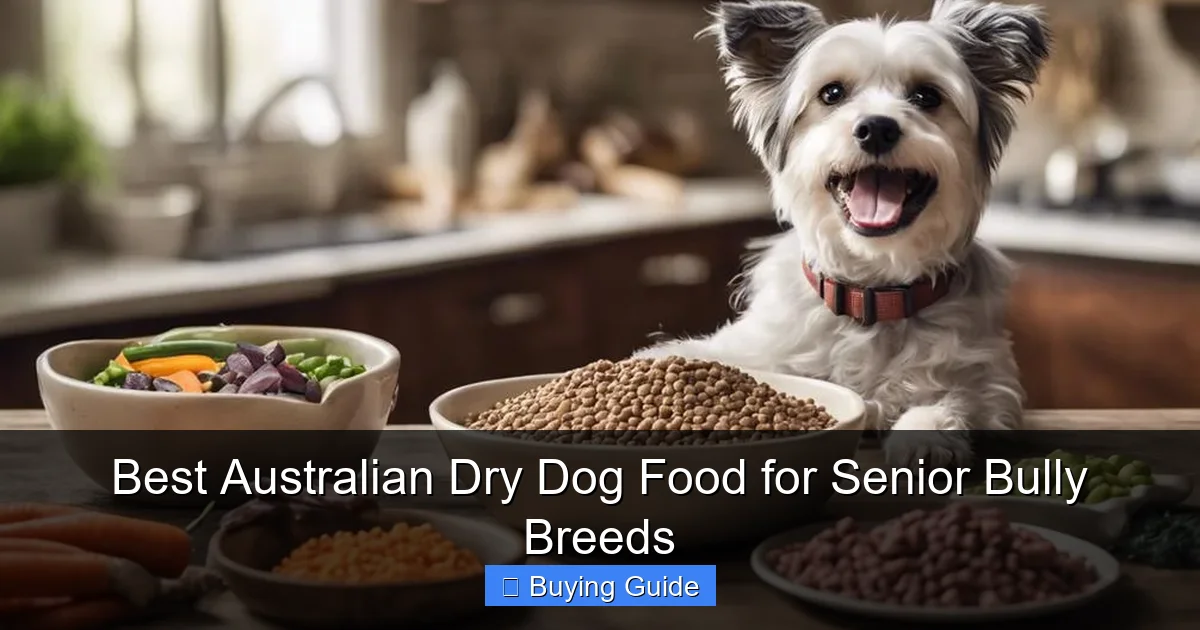
Visual guide about Best Australian Dry Dog Food for Senior Bully Breeds
Image source: aplaceforanimals.com
High-Quality Protein Sources
Even in their senior years, bully breeds need protein to maintain muscle mass and support organ function. Look for real meat—such as chicken, lamb, or beef—listed as the first ingredient. Avoid meals labeled “meat by-products” or “animal digest,” which are less digestible and nutritious. In 2026, many top Australian brands now use human-grade, free-range, or grass-fed meats, offering better amino acid profiles and fewer fillers.
For example, Kangaroo is a popular protein in Australian dog food due to its lean profile and low allergenicity. It’s rich in iron and B vitamins, making it ideal for older dogs who may struggle with food sensitivities. Brands like Ziwi Peak and K9 Natural have embraced kangaroo as a primary ingredient in their senior formulas, offering high protein with minimal fat.
Joint and Mobility Support
Arthritis and hip dysplasia are common in bully breeds, especially as they age. The best dry dog food for senior bullies includes natural joint protectors like glucosamine, chondroitin, and MSM (methylsulfonylmethane). These compounds help rebuild cartilage, reduce inflammation, and improve mobility.
Omega-3 fatty acids—particularly EPA and DHA from fish oil—are also crucial. They not only support joint health but also promote a shiny coat and brain function. In 2026, many Australian brands are sourcing omega-3s from sustainable Antarctic krill or wild-caught salmon, ensuring purity and potency. Look for foods that list “fish oil” or “krill meal” in the ingredients, not just vague terms like “marine lipids.”
Digestive Health and Gut Support
Senior bully breeds often experience slower digestion, gas, and occasional constipation. To combat this, the best kibble includes prebiotics (like FOS and MOS) and probiotics (such as Lactobacillus strains) that promote a healthy gut microbiome. These ingredients help break down food more efficiently and strengthen the immune system.
Fiber is another key component. Ingredients like pumpkin, peas, and beet pulp provide soluble and insoluble fiber, aiding regular bowel movements without causing bloating. Australian brands like Black Hawk and Advance have incorporated these into their senior formulas, often blending them with digestive enzymes for maximum benefit.
Controlled Calories and Weight Management
Obesity is a silent killer for senior dogs. Bully breeds, with their naturally stocky builds, are especially vulnerable. Excess weight puts additional strain on joints and organs, shortening lifespan and reducing quality of life. The best dry dog food for senior bullies in 2026 offers reduced-calorie formulas that still deliver complete nutrition.
Look for foods with moderate fat levels (around 10–14%) and high fiber to promote satiety. Some brands now use L-carnitine, an amino acid that helps convert fat into energy, supporting healthy weight loss without muscle loss. Royal Canin Bulldog Senior, for instance, includes L-carnitine and tailored kibble shapes to encourage chewing—important for brachycephalic dogs who tend to gulp food.
Natural Ingredients and No Fillers
In 2026, Australian consumers are more conscious than ever about what goes into their pets’ food. The best dry dog food avoids artificial preservatives (like BHA, BHT, and ethoxyquin), colors, and flavors. Instead, they use natural alternatives such as mixed tocopherols (vitamin E) and rosemary extract for preservation.
Grains are another point of debate. While some senior dogs tolerate grains like rice or oats, many bully breeds do better on grain-free or low-grain diets due to sensitivities. However, recent research has linked certain grain-free diets to heart issues (DCM), so it’s important to choose wisely. Opt for brands that use legumes and potatoes in moderation and have been tested for cardiac safety.
Top Australian Dry Dog Food Brands for Senior Bully Breeds in 2026
Australia’s pet food market has evolved significantly, with local brands leading the charge in innovation, transparency, and quality. Here are some of the best dry dog food options available in 2026, specifically formulated or well-suited for senior bully breeds.
1. Black Hawk Senior Dog Food (Grain-Free Lamb & Rosemary)
Black Hawk has long been a favorite among Australian pet owners, and their Senior Grain-Free Lamb formula is a standout for bully breeds. Made with real Australian lamb, this kibble is rich in protein and includes glucosamine, chondroitin, and green-lipped mussel for joint support. The addition of rosemary not only preserves freshness but also provides natural antioxidants.
What sets this food apart is its inclusion of digestive enzymes and prebiotic fibers from chicory root. These help older dogs absorb nutrients more effectively, reducing the risk of digestive upset. The kibble is also sized appropriately for medium to large breeds, encouraging slower eating—a must for brachycephalic dogs.
2. Advance Adult Senior Small Breed (Chicken & Rice)
While labeled “small breed,” this formula from Advance is excellent for smaller bully breeds like French Bulldogs and Staffordshire Terriers. It’s lower in calories but still packed with high-quality chicken and rice for easy digestion. The food includes taurine for heart health, vitamin E for immune support, and Yucca schidigera to reduce stool odor—a bonus for indoor dogs.
Advance is a trusted Australian brand with over 30 years of experience. Their senior formulas are developed in collaboration with veterinarians and undergo rigorous testing for safety and efficacy. This kibble is widely available in pet stores and vet clinics across Australia.
3. Ziwi Peak Air-Dried Mackerel & Lamb (Senior Formula)
For pet owners willing to invest in premium nutrition, Ziwi Peak’s air-dried senior formula is a top-tier choice. Though technically not “dry kibble” in the traditional sense, it’s shelf-stable, highly palatable, and can be rehydrated or served as-is. Made in New Zealand but widely distributed in Australia, this food uses 90% meat, organs, and bone—mimicking a natural prey diet.
The senior version includes green-lipped mussel for joints, kelp for thyroid support, and no grains or fillers. It’s ideal for senior bully breeds with sensitive stomachs or dental issues, as the air-dried texture is easier to chew than hard kibble. Many Australian vets recommend Ziwi Peak for dogs with chronic conditions like arthritis or kidney disease.
4. K9 Natural Freeze-Dried Lamb & Bison (Senior Blend)
K9 Natural is another premium brand gaining popularity in Australia. Their freeze-dried senior blend combines lamb and bison with vegetables, fruits, and superfoods like broccoli, blueberries, and flaxseed. The food is raw-inspired but safe for storage, offering the benefits of a raw diet without the hassle.
This formula is rich in omega-3s, probiotics, and natural glucosamine from green-lipped mussel. It’s particularly good for senior bully breeds who have lost interest in food—the strong aroma and soft texture make it highly appealing. While more expensive than traditional kibble, many owners report improved energy, coat condition, and digestion after switching.
5. Royal Canin Bulldog Senior
Specifically designed for bulldogs, this formula from Royal Canin addresses the unique needs of the breed. The kibble is shaped to encourage chewing, which helps reduce flatulence and improves dental health. It includes L-carnitine for weight control, EPA/DHA for joints, and antioxidants to support aging immune systems.
Royal Canin is a global leader in veterinary nutrition, and their Australian formulations are tailored to local climates and dietary habits. This food is often recommended by vets for bulldogs with joint issues or obesity. It’s available through pet supply stores and veterinary clinics nationwide.
How to Transition Your Senior Bully to a New Diet
Switching your dog’s food too quickly can lead to digestive upset, especially in older dogs with sensitive stomachs. The best approach is a gradual transition over 7 to 10 days. Start by mixing 25% new food with 75% old food for the first two days, then increase to 50/50 for another two days. From day five, use 75% new food and 25% old, and by day seven or eight, you can feed 100% new food.
Monitor your dog closely during this period. Look for signs of improved energy, better stool consistency, and increased appetite. If you notice vomiting, diarrhea, or refusal to eat, slow down the transition or consult your vet. Some senior dogs may need even longer—up to two weeks—to adjust.
Also, consider your dog’s feeding schedule. Senior bully breeds often do better with two smaller meals per day rather than one large one. This reduces the risk of bloat and helps regulate blood sugar. Always provide fresh water, and avoid feeding immediately before or after vigorous exercise.
Common Mistakes to Avoid When Feeding Senior Bully Breeds
Even with the best intentions, pet owners can make mistakes that impact their dog’s health. Here are a few to watch out for in 2026.
Overfeeding Treats and Table Scraps
It’s tempting to spoil your senior dog with extra treats, but this can quickly lead to weight gain. Many commercial treats are high in fat and salt, which are hard on aging kidneys and joints. Instead, opt for healthy alternatives like small pieces of cooked chicken, carrots, or specially formulated senior treats with joint support.
Ignoring Dental Health
Dental disease is common in senior bully breeds due to their jaw structure and tendency to chew aggressively. Dry kibble can help scrape plaque, but it’s not a substitute for regular brushing. Look for foods with dental benefits, like kibble designed to reduce tartar, or consider adding dental chews approved by the Veterinary Oral Health Council (VOHC).
Not Adjusting Portions with Activity Level
As your dog ages, their calorie needs decrease. Continuing to feed the same amount can lead to obesity. Use the feeding guidelines on the package as a starting point, but adjust based on your dog’s body condition. You should be able to feel their ribs without seeing them—this is the ideal weight range.
Choosing Food Based on Price Alone
While budget is important, the cheapest food is rarely the best. Low-cost kibble often contains fillers, by-products, and artificial additives that can harm your dog over time. Investing in a high-quality, Australian-made formula can prevent costly vet bills down the road.
Final Thoughts: Giving Your Senior Bully the Best Life Possible
Your senior bully breed has given you years of loyalty, love, and laughter. Now, it’s your turn to give back with the best care possible—and that starts with nutrition. In 2026, Australian pet owners have access to an impressive range of dry dog food options designed to meet the unique needs of aging bully breeds. From joint support and digestive health to weight management and palatability, the right kibble can make a world of difference in your dog’s quality of life.
Remember, every dog is an individual. What works for one senior bulldog may not suit another. Pay attention to your dog’s energy levels, coat condition, stool quality, and overall mood. Work closely with your veterinarian to monitor health changes and adjust the diet as needed. With the right food, regular exercise, and plenty of love, your senior bully can enjoy their golden years with comfort, vitality, and joy.
Frequently Asked Questions
What age is considered senior for bully breeds?
Most bully breeds are considered senior between 6 and 8 years old, depending on size and genetics. Larger breeds like American Bulldogs may age faster, while smaller ones like French Bulldogs may stay active longer.
Can senior bully breeds eat puppy food?
No, puppy food is too high in calories and fat for senior dogs. It can lead to obesity and strain aging organs. Always choose a formula specifically designed for adult or senior dogs.
Is grain-free food better for senior bully breeds?
Not necessarily. While some dogs benefit from grain-free diets, recent studies suggest a link between certain grain-free foods and heart disease. Choose a balanced diet with or without grains, based on your dog’s tolerance and vet advice.
How often should I feed my senior bully breed?
Most senior dogs do well with two smaller meals per day. This helps prevent bloat, supports digestion, and maintains steady energy levels throughout the day.
Should I add supplements to my senior bully’s diet?
Only if recommended by your vet. Many high-quality senior dog foods already include joint, digestive, and immune support. Adding extra supplements without guidance can lead to imbalances or toxicity.
Can I mix wet and dry food for my senior bully?
Yes, mixing wet and dry food can increase palatability and hydration, which is especially helpful for older dogs who may drink less water. Just adjust portions to avoid overfeeding.