

Choosing the right food for your dog is one of the most important decisions you’ll make as a pet owner. It directly impacts their energy levels, coat health, digestion, immune function, and even their lifespan. With thousands of dog food brands flooding the market—each claiming to be “the best”—it’s easy to feel overwhelmed. From grain-free formulas to raw diets, limited-ingredient options to vet-recommended kibble, the choices are endless. But not all dog foods are created equal. Many contain fillers, artificial additives, or low-quality protein sources that do more harm than good in the long run.
This comprehensive buyer’s guide is designed to cut through the noise and help you make an informed, confident decision about what to feed your canine companion in 2026. Whether you’re a first-time dog parent or a seasoned pet guardian looking to upgrade your pup’s diet, this guide will walk you through every critical factor—from ingredient quality and nutritional balance to budget considerations and brand transparency. You’ll learn how to read labels like a pro, avoid common marketing traps, and select a food that aligns with your dog’s age, breed, size, and health needs. By the end, you’ll have the knowledge and tools to choose a dog food that supports a long, happy, and healthy life for your furry friend.
The dog food industry has evolved dramatically over the past decade, driven by rising consumer awareness, advances in veterinary nutrition, and a growing demand for transparency. Premium and natural brands now dominate shelf space alongside traditional kibble giants, while subscription services and fresh food delivery models are reshaping how we feed our pets. In 2026, the market offers more personalized, science-backed options than ever before—but with that comes increased complexity. This guide will help you navigate the landscape with clarity, ensuring you don’t just buy what’s trendy, but what’s truly right for your dog.

What to Look for When Buying Dog Food
1. Ingredient Quality & Sourcing
The first thing to examine on any dog food label is the ingredient list. High-quality dog food should list a named animal protein—such as “chicken,” “salmon,” or “lamb”—as the first ingredient. Avoid vague terms like “meat meal” or “poultry by-product,” which can indicate lower-grade or inconsistent sources. Look for whole meats, meat meals (which are concentrated protein sources), and recognizable vegetables and grains. Ingredients are listed by weight, so the first few items make up the bulk of the food.
Equally important is where those ingredients come from. Reputable brands often disclose their sourcing practices, such as using human-grade meats or partnering with certified sustainable farms. For example, brands like The Honest Kitchen and Open Farm emphasize traceability, allowing you to scan a QR code on the packaging to see exactly where your dog’s food was made and what went into it. This level of transparency is a strong indicator of quality and accountability.
2. Nutritional Adequacy & AAFCO Compliance
Not all dog foods meet the nutritional standards required for a complete and balanced diet. The Association of American Feed Control Officials (AAFCO) sets guidelines for pet food nutrition, and any reputable brand should state on the packaging whether the food meets AAFCO standards for growth, maintenance, or all life stages. This ensures the food provides the right balance of protein, fat, carbohydrates, vitamins, and minerals.
However, AAFCO compliance alone isn’t a guarantee of quality—some foods meet the minimum requirements but use inferior ingredients to do so. Look for foods that go beyond compliance by including beneficial additives like probiotics, omega-3 fatty acids (from sources like fish oil), and antioxidants. These support digestive health, skin and coat condition, and immune function. Always match the life stage statement to your dog’s needs: puppies, adults, and seniors have different nutritional requirements.
3. Protein Content & Source
Protein is the cornerstone of a dog’s diet, essential for muscle development, tissue repair, and overall vitality. Adult dogs typically need a minimum of 18–25% protein, while puppies and active breeds may require 22–32%. But it’s not just about the percentage—it’s about the source and digestibility.
Animal-based proteins (like chicken, beef, fish, and eggs) are more biologically appropriate for dogs than plant-based proteins. While dogs can digest some plant matter, their digestive systems are optimized for meat. Look for foods where animal protein makes up the majority of the protein content. For example, a food listing “chicken meal” as the first ingredient followed by “brown rice” and “peas” is likely better than one starting with “peas,” “potato protein,” and “chicken by-product meal.”
4. Grain Inclusion vs. Grain-Free
The grain-free trend has been popular for years, but recent research has raised concerns about its link to dilated cardiomyopathy (DCM) in dogs, particularly when legumes like peas, lentils, and potatoes are used as primary carbohydrate sources. The FDA has investigated this connection, and while no definitive causation has been proven, many veterinarians now recommend caution with grain-free diets unless medically necessary.
That doesn’t mean grains are bad. Whole grains like brown rice, oats, and barley provide valuable fiber, energy, and nutrients. They’re especially beneficial for dogs with sensitive stomachs or those needing sustained energy. Unless your dog has a diagnosed grain allergy (which is rare), a food with healthy grains is often a safer, more balanced choice than a grain-free alternative.
5. Additives, Preservatives & Artificial Ingredients
Many commercial dog foods contain artificial colors, flavors, and preservatives like BHA, BHT, and ethoxyquin—chemicals linked to health risks in both humans and animals. These are often used to extend shelf life or enhance appearance but offer no nutritional value.
Instead, look for natural preservatives such as mixed tocopherols (vitamin E), rosemary extract, or citric acid. Avoid foods with corn syrup, artificial sweeteners (especially xylitol, which is toxic to dogs), and unnamed “flavors.” Clean labels with minimal, recognizable ingredients are a hallmark of high-quality dog food.
6. Life Stage & Breed-Specific Needs
Dogs have different nutritional needs depending on their age, size, and breed. Puppies require higher protein and fat for growth, while senior dogs benefit from lower calories, joint-supporting supplements like glucosamine, and easily digestible proteins. Large breeds (like Great Danes or Mastiffs) are prone to joint issues and may need controlled calcium levels to prevent skeletal problems, while small breeds (like Chihuahuas or Dachshunds) often have faster metabolisms and need calorie-dense foods.
Some brands offer breed-specific formulas, but these are often more marketing than science. A better approach is to choose a food tailored to your dog’s life stage and adjust based on their individual health, activity level, and vet recommendations.
7. Digestibility & Palatability
Even the most nutritious food is useless if your dog won’t eat it or can’t digest it properly. Digestibility refers to how well your dog’s body can break down and absorb nutrients from the food. High digestibility means less waste, better nutrient absorption, and healthier stools.
Look for foods with highly digestible proteins (like chicken, turkey, or lamb) and easily broken-down carbohydrates (like sweet potatoes or oats). Probiotics and prebiotics can also improve gut health and digestion. Palatability—how much your dog enjoys the taste—is equally important. A food that’s nutritious but unappetizing will lead to picky eating or food refusal.
8. Brand Reputation & Transparency
Not all dog food companies are equally committed to quality. Some prioritize profit over pet health, using cheap fillers and misleading marketing. Research the brand’s history: Have they had recalls? Do they conduct feeding trials? Are they transparent about sourcing and manufacturing?
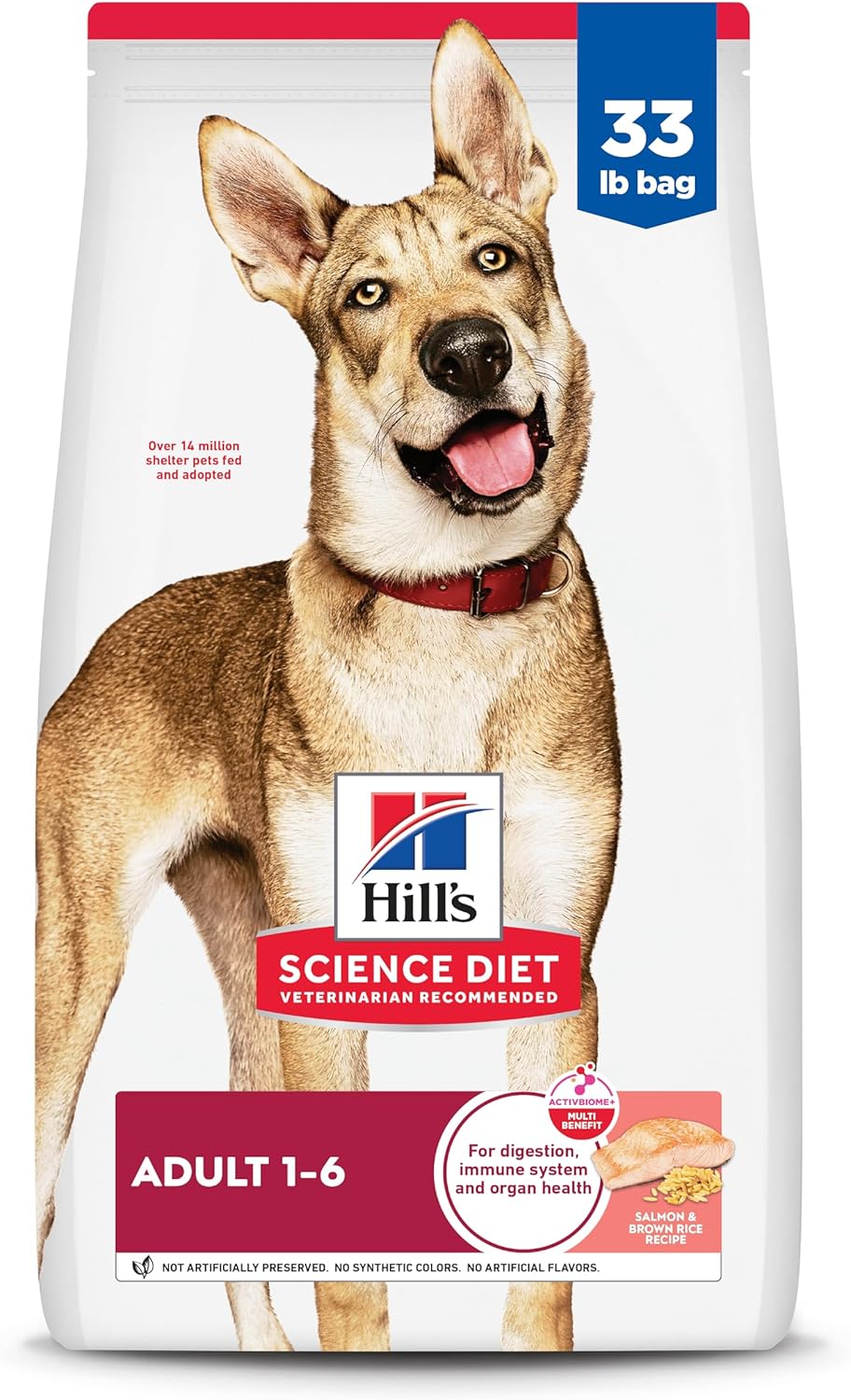
Brands like Royal Canin, Hill’s Science Diet, and Purina Pro Plan have long-standing reputations and invest heavily in veterinary research. Emerging brands like Nom Nom, Ollie, and Spot & Tango emphasize fresh, human-grade ingredients and personalized nutrition. Check third-party reviews, vet recommendations, and customer feedback to gauge reliability.
Different Types of Dog Food
Common Buying Mistakes to Avoid

❌ Mistake: Choosing Based on Price Alone
Why it’s bad: The cheapest dog food often uses low-quality proteins, fillers like corn and soy, and artificial additives. Over time, this can lead to digestive issues, obesity, and chronic health problems, resulting in higher vet bills.
What to do instead: View dog food as an investment in your dog’s health. A mid-range or premium food may cost more upfront but can prevent costly medical issues down the line. Look for value—not just low price—by comparing cost per pound and nutritional density.
❌ Mistake: Falling for Marketing Hype
Why it’s bad: Terms like “natural,” “holistic,” “premium,” and “gourmet” are not regulated and can be used freely by any brand. A food labeled “grain-free” might still be packed with potatoes and peas, which can contribute to heart issues.
What to do instead: Ignore flashy packaging and focus on the ingredient list and nutritional analysis. Use resources like the Dog Food Advisor or consult your vet to verify claims.
❌ Mistake: Not Transitioning Foods Gradually
Why it’s bad: Switching your dog’s food abruptly can cause diarrhea, vomiting, and stomach upset. Dogs have sensitive digestive systems that need time to adapt.
What to do instead: Transition over 7–10 days by mixing increasing amounts of the new food with the old. Start with 25% new food and 75% old, gradually increasing the ratio each day.
❌ Mistake: Ignoring Your Dog’s Individual Needs
Why it’s bad: Feeding a high-protein food to a sedentary senior dog or a low-calorie diet to an active working breed can lead to malnutrition or weight issues.
What to do instead: Consider your dog’s age, size, activity level, and any health conditions. Consult your veterinarian for personalized recommendations, especially if your dog has allergies, diabetes, or kidney disease.
❌ Mistake: Overfeeding or Underfeeding
Why it’s bad: Feeding too much leads to obesity, joint stress, and reduced lifespan. Too little can cause malnutrition and low energy.
What to do instead: Follow the feeding guidelines on the package as a starting point, then adjust based on your dog’s body condition. Use a body condition score chart to assess if your dog is underweight, ideal, or overweight.
❌ Mistake: Sticking to One Brand Forever
Why it’s bad: While consistency is good, dogs can benefit from variety. Rotating proteins (e.g., chicken, beef, fish) can reduce the risk of developing food sensitivities.
What to do instead: Rotate brands or protein sources every few months, as long as you maintain nutritional balance and transition gradually.
❌ Mistake: Not Reading the Guaranteed Analysis
Why it’s bad: The guaranteed analysis shows minimum protein and fat and maximum fiber and moisture. Without it, you can’t compare foods accurately.
What to do instead: Always check this section. For example, a food with 26% protein and 16% fat is better for an active dog than one with 18% protein and 8% fat.
Budget Guidelines: How Much Should You Spend?
Entry-Level ($15–$30 per 20–30 lb bag): These foods often contain by-products, fillers, and artificial preservatives. They meet basic AAFCO standards but may lack optimal nutrition. Best for temporary use or multi-dog households on a tight budget. Examples: Pedigree, Iams, generic store brands.
Mid-Range ($30–$60 per 20–30 lb bag): This is the sweet spot for most pet owners. These foods use named meat sources, fewer fillers, and better-quality ingredients. Many include probiotics, omega fatty acids, and natural preservatives. Examples: Blue Buffalo Life Protection, Wellness Complete Health, Nutro Wholesome Essentials.
Premium ($60–$100 per 20–30 lb bag): These brands focus on high-protein, limited-ingredient formulas with human-grade or ethically sourced ingredients. Often grain-free or grain-inclusive with whole grains. Ideal for dogs with sensitivities or owners seeking top-tier nutrition. Examples: Orijen, Acana, Taste of the Wild High Prairie.
Luxury ($100+ per bag or $3–$8 per lb for fresh): Includes fresh, raw, or dehydrated foods delivered to your door. These are minimally processed, often customized to your dog’s needs, and made with restaurant-quality ingredients. Best for owners willing to invest in cutting-edge nutrition. Examples: Nom Nom, Ollie, The Farmer’s Dog.

Expert Tips for Getting the Best Deal
- Buy during seasonal sales: Major retailers like Chewy, Petco, and Amazon often run discounts during holidays (Black Friday, Prime Day) or end-of-season clearances. Stock up on non-perishable kibble during these times.
- Subscribe and save: Most online pet stores offer 5–15% off for recurring deliveries. This also ensures you never run out.
- Check for manufacturer rebates: Brands like Hill’s and Royal Canin frequently offer mail-in rebates or free bags with purchase. Visit their websites for current promotions.
- Compare unit pricing: A 40 lb bag may seem more expensive than a 20 lb bag, but the cost per pound is often lower. Always calculate price per pound to compare fairly.
- Read return policies: If your dog doesn’t like the food or has a reaction, you want to be able to return it. Chewy and Petco have generous return windows.
- Ask your vet for samples: Many vet clinics receive free samples from reputable brands. This is a great way to test new foods without committing to a full bag.
- Join loyalty programs: Petco’s Pals Rewards and Chewy’s Autoship offer points, discounts, and exclusive deals for members.
- Test small bags first: Before buying a large bag of a new food, purchase a small size or sample pack to see if your dog tolerates it well.

Frequently Asked Questions
Q: How often should I change my dog’s food?
A: There’s no need to change food frequently unless your dog has dietary issues or you’re rotating proteins for variety. Sudden changes can upset their stomach. If you do switch, do so gradually over 7–10 days.
Q: Can I mix wet and dry food?
A: Yes! Many owners mix wet food into kibble to increase palatability and moisture intake. Just adjust portions to avoid overfeeding. For example, replace 1/4 cup of kibble with 1/4 cup of wet food.
Q: Is raw food safe for dogs?
A: Raw diets can be nutritious but carry risks of bacterial contamination (like Salmonella) and nutritional imbalances if not properly formulated. If considering raw, consult a veterinary nutritionist and practice strict hygiene.
Q: How much should I feed my dog?
A: Feeding guidelines on the package are a starting point. Adjust based on your dog’s weight, activity level, and body condition. A healthy dog should have a visible waist and palpable ribs.
Q: What if my dog has food allergies?
A: Common allergens include beef, chicken, dairy, wheat, and soy. Try a limited-ingredient diet with a novel protein (like duck or venison) and a single carbohydrate source. Work with your vet to identify triggers.
Q: Are grain-free diets healthier?
A: Not necessarily. Unless your dog has a diagnosed grain allergy, grains like rice and oats are safe and beneficial. The FDA has warned about potential links between grain-free diets and heart disease in dogs.
Q: Can puppies eat adult dog food?
A: No. Puppies need higher protein, fat, and calories for growth. Adult food lacks the necessary nutrients and can stunt development. Use a puppy-specific formula until 12–18 months, depending on breed size.
Q: How long can I store opened dog food?
A: Dry kibble should be used within 6 weeks of opening to prevent rancidity. Store in an airtight container in a cool, dry place. Wet food should be refrigerated and used within 3–5 days.
Q: Is homemade dog food better?
A: It can be, but it’s challenging to balance properly. Homemade diets require careful planning to ensure they meet all nutritional needs. Consult a veterinary nutritionist to create a balanced recipe.
Q: What’s the difference between “chicken meal” and “chicken by-product meal”?
A: Chicken meal is rendered, dried chicken flesh and skin—high in protein and digestible. Chicken by-product meal includes parts like necks, feet, and organs, which are less consistent and lower quality. Choose foods with “chicken meal” over “by-product meal” when possible.
Our Final Recommendations
Best for Budget-Conscious Buyers: Blue Buffalo Life Protection Formula – Offers named meat as the first ingredient, no by-products, and includes LifeSource Bits with antioxidants. Priced affordably at around $45 for a 30 lb bag.
Best Overall Value: Wellness Complete Health Adult Deboned Chicken & Oatmeal – Balanced nutrition, whole grains, probiotics, and no artificial additives. A trusted brand with consistent quality and mid-range pricing.
Best Premium Option: Orijen Original Grain-Free – 85% animal ingredients, including fresh and raw meats, organs, and cartilage. Mimics a natural diet and is ideal for active or sensitive dogs.
Best for Beginners: Hill’s Science Diet Adult Perfect Weight – Vet-recommended, easy to find, and formulated for weight management. Great for first-time owners who want a reliable, science-backed option.
Best for Advanced Users: Nom Nom Fresh Dog Food – Personalized, human-grade meals delivered fresh. Customized to your dog’s weight, age, and activity level. Ideal for owners seeking the highest standard of nutrition.
Conclusion: Making the Right Choice
Choosing the best dog food isn’t about finding the most expensive or trendiest option—it’s about understanding your dog’s unique needs and matching them with a food that delivers real, measurable benefits. From ingredient quality and nutritional balance to budget and convenience, every factor plays a role in your decision. By prioritizing transparency, digestibility, and life stage appropriateness, you can ensure your dog gets the nutrition they need to thrive.
Remember, no single food is perfect for every dog. What works for a high-energy Border Collie may not suit a senior Bulldog with joint issues. Stay observant: monitor your dog’s energy, coat, stool, and overall health as indicators of how well their diet is working. And don’t hesitate to consult your veterinarian—especially if your dog has chronic conditions or dietary sensitivities.
Ultimately, the best dog food is the one that keeps your pup healthy, happy, and by your side for as long as possible. Use this guide as your roadmap, trust your instincts, and feed with confidence. Your dog deserves nothing less.