
Choosing the right food for your dog isn’t just about picking up a bag off the shelf—it’s one of the most important decisions you’ll make as a pet parent. What your dog eats directly impacts their energy levels, coat health, digestion, immune function, and even lifespan. With thousands of dog food brands flooding the market in 2026, it’s easy to feel overwhelmed by flashy packaging, buzzwords like “grain-free” or “superfood,” and conflicting advice from friends, vets, and online forums. That’s why this comprehensive buying guide exists: to cut through the noise and give you science-backed, practical guidance so you can confidently choose the best nutrition for your furry companion.
In this guide, you’ll learn how to evaluate dog food like a pro—understanding ingredient labels, recognizing quality protein sources, avoiding harmful additives, and matching your dog’s unique needs (age, breed, activity level, health conditions) to the right formula. We’ll walk you through key factors like budget considerations, brand reputation, nutritional standards, and common pitfalls that even experienced owners fall into. Whether you’re feeding a rambunctious puppy, a senior with joint issues, or a high-performance working dog, this guide will equip you with the knowledge to make an informed, compassionate choice. The pet food industry has evolved rapidly in recent years, with innovations in fresh food, insect protein, and personalized nutrition—but not all trends are worth following. Our goal is to help you separate marketing hype from genuine value.
The dog food market in 2026 is more diverse—and more confusing—than ever. From ultra-premium kibble to subscription-based raw diets, there’s an option for nearly every lifestyle and budget. Major players like Royal Canin, Hill’s Science Diet, and Purina continue to dominate veterinary recommendations, while newer brands like The Farmer’s Dog, Ollie, and Open Farm are gaining traction with their human-grade ingredients and transparent sourcing. Meanwhile, sustainability concerns have pushed brands to explore alternative proteins like black soldier fly larvae and lab-grown meat. With so many choices, the key isn’t finding the “most expensive” or “trendiest” food—it’s finding the one that truly meets your dog’s biological needs without breaking the bank or compromising on safety. This guide will help you navigate that complex landscape with clarity and confidence.

What to Look for When Buying Dog Food
1. Nutritional Adequacy & AAFCO Compliance
The single most important factor when evaluating any dog food is whether it meets the nutritional standards set by the Association of American Feed Control Officials (AAFCO). Look for a statement on the packaging that says the food is “complete and balanced” for your dog’s life stage—whether that’s growth (puppies), maintenance (adults), or senior/geriatric. AAFCO doesn’t approve individual brands, but it sets strict guidelines for nutrient profiles based on extensive research. Foods that pass these standards undergo feeding trials or formulate to meet nutrient profiles, ensuring they provide all essential amino acids, fatty acids, vitamins, and minerals.
Why does this matter? Dogs have specific dietary requirements that differ from humans. For example, they need higher levels of certain amino acids like taurine and arginine, and they can synthesize vitamin A from beta-carotene—but only if their diet includes adequate fat. A food that lacks AAFCO compliance may be missing critical nutrients, leading to deficiencies over time. Conditions like dilated cardiomyopathy (DCM) have been linked to diets that are nutritionally incomplete, especially those high in legumes or potatoes without proper balancing. Always verify the AAFCO statement—don’t assume all commercial foods meet these standards.
2. High-Quality Protein Sources
Protein is the cornerstone of a dog’s diet, supporting muscle maintenance, immune function, and healthy skin and coat. But not all proteins are created equal. Look for named animal proteins as the first ingredient—such as “chicken,” “salmon,” or “beef”—rather than vague terms like “meat meal” or “animal by-product meal.” Whole meats contain moisture, so if the first ingredient is “chicken,” it may actually contribute less protein by weight than a concentrated meal like “chicken meal,” which has been rendered to remove water. That’s why many experts recommend looking for a named meat meal (e.g., “deboned chicken” followed by “chicken meal”) as a sign of concentrated, high-quality protein.
Avoid foods that list grains, corn, or soy as the primary ingredients—these are often used as cheap fillers and provide lower biological value protein. Dogs are omnivores with a carnivorous bias, meaning they thrive on animal-based proteins but can utilize plant-based nutrients in moderation. The ideal dog food should have a minimum of 18–22% protein for adult dogs and 22–32% for puppies, depending on activity level. High-performance or working dogs may benefit from even higher levels. Also, consider the digestibility of the protein—some novel proteins like duck or lamb may be easier on sensitive stomachs, while others like chicken are highly digestible for most dogs.
3. Healthy Fats & Omega Fatty Acids
Fats are essential for energy, brain development, and maintaining a shiny coat. Look for named fat sources such as “chicken fat,” “salmon oil,” or “flaxseed oil” rather than generic “animal fat.” These provide essential fatty acids like omega-3 and omega-6, which reduce inflammation, support cognitive function, and promote skin health. Omega-3s, particularly EPA and DHA found in fish oils, are especially beneficial for dogs with arthritis, allergies, or cognitive decline.
The ideal ratio of omega-6 to omega-3 fatty acids in dog food is between 5:1 and 10:1. Many commercial diets skew too high in omega-6 (from poultry fat or corn oil), which can promote inflammation if not balanced with omega-3s. Cold-water fish like salmon, sardines, and anchovies are excellent natural sources of omega-3s. Avoid foods with excessive saturated fats or those that use low-quality fats like “lard” or “beef tallow” as primary fat sources unless they’re clearly labeled and balanced with healthier options. Also, check for added antioxidants like vitamin E, which help prevent fat oxidation and extend shelf life.
4. Carbohydrate Quality & Digestibility
While dogs don’t require carbohydrates, they can be a useful energy source—especially for active dogs. The key is choosing highly digestible, low-glycemic carbs that don’t spike blood sugar. Sweet potatoes, peas, lentils, and oats are excellent choices because they’re rich in fiber, vitamins, and minerals. Avoid refined grains like corn syrup, white rice, or wheat gluten, which offer little nutritional value and can contribute to weight gain or allergies.
Grain-free diets have been popular, but recent FDA investigations have raised concerns about a potential link between certain grain-free diets (especially those high in legumes like peas, lentils, and chickpeas) and dilated cardiomyopathy (DCM) in dogs. While the exact cause is still under study, it’s wise to consult your vet before switching to a grain-free formula—especially for breeds predisposed to heart issues like Dobermans or Boxers. That said, many dogs with grain sensitivities do benefit from grain-free options, so it’s about balance and individual needs. Always prioritize whole, recognizable ingredients over processed starches.
5. Ingredient Transparency & Sourcing
In 2026, pet parents are more concerned than ever about where their dog’s food comes from. Look for brands that disclose their ingredient sources, manufacturing locations, and quality control processes. Transparent brands often provide detailed information on their websites about farm partnerships, sustainability practices, and third-party testing. For example, some companies now use blockchain technology to trace ingredients back to the farm.
Avoid brands that use vague terms like “meat by-products” or “animal digest” without specifying the source. These can include parts of animals not typically consumed by humans, such as beaks, feathers, or diseased tissue—though regulated by the FDA, they’re not ideal for optimal nutrition. Human-grade ingredients are a strong indicator of quality, meaning the food is made in facilities that meet USDA standards for human consumption. While not required, human-grade labeling suggests higher safety and quality control. Also, check for certifications like USDA Organic, Non-GMO Project Verified, or Certified Humane, which add layers of accountability.
6. Life Stage & Breed-Specific Needs
Not all dogs have the same nutritional requirements. Puppies need higher protein, fat, and calories to support rapid growth, while senior dogs benefit from lower calories, joint-supporting supplements like glucosamine, and easier-to-digest proteins. Large breed puppies (e.g., Great Danes, Mastiffs) require controlled calcium and phosphorus levels to prevent skeletal abnormalities, while small breeds may need smaller kibble sizes and higher energy density.
Some brands offer breed-specific formulas tailored to common health issues. For example, Royal Canin has diets designed for German Shepherds (with added joint support) or Bulldogs (with kibble shapes that encourage chewing). While these can be helpful, they’re not always necessary—many high-quality all-life-stage foods meet the needs of most dogs. However, if your dog has a known condition like kidney disease, diabetes, or food allergies, a veterinary therapeutic diet may be required. Always consult your vet before making significant dietary changes, especially for dogs with health concerns.
7. Additives, Preservatives & Artificial Ingredients
Artificial colors, flavors, and preservatives like BHA, BHT, and ethoxyquin have been linked to health issues in dogs, including allergies, hyperactivity, and even cancer. While these are still used in some commercial foods, many premium brands have eliminated them in favor of natural preservatives like mixed tocopherols (vitamin E), rosemary extract, or ascorbic acid (vitamin C).
Look for foods that use natural preservation methods and avoid long ingredient lists filled with unpronounceable chemicals. That said, not all additives are bad—some, like probiotics, prebiotics, and digestive enzymes, can support gut health and improve nutrient absorption. Yogurt powder, chicory root, and dried fermentation products are examples of beneficial additives. The key is balance: a few functional additives are fine, but the base ingredients should still be whole, recognizable foods.
8. Brand Reputation & Recall History
A brand’s track record matters. Research whether the company has had past recalls due to contamination, mislabeling, or nutritional imbalances. The FDA maintains a public database of pet food recalls, which you can search by brand or ingredient. Brands with a history of transparency and quick response to issues are generally more trustworthy.
Also consider customer reviews and veterinary recommendations. While online reviews can be biased, patterns of complaints—such as digestive upset, mold in bags, or inconsistent kibble size—are red flags. Brands like Hill’s Science Diet and Royal Canin are often recommended by veterinarians due to their rigorous research and clinical testing. Newer brands like The Farmer’s Dog and Nom Nom have built strong reputations for fresh, human-grade meals, though they come at a higher price point. Ultimately, choose a brand that aligns with your values—whether that’s sustainability, science-backed nutrition, or convenience.
Different Types of Dog Food

Common Buying Mistakes to Avoid
❌ Mistake: Choosing Based on Marketing Claims Alone
Why it’s bad: Phrases like “natural,” “holistic,” or “premium” are not regulated by the FDA and can be used freely by any brand. A food labeled “grain-free” might still contain low-quality proteins or excessive legumes, which could pose health risks.
What to do instead: Always read the ingredient list and guaranteed analysis. Focus on the first five ingredients and the protein-to-fat ratio. Use marketing claims as a starting point, not the deciding factor.
❌ Mistake: Ignoring Your Dog’s Individual Needs
Why it’s bad: Feeding a high-protein diet to a sedentary senior dog or a low-calorie food to a growing puppy can lead to malnutrition or obesity. Every dog is unique.
What to do instead: Consider your dog’s age, weight, activity level, breed, and any health conditions. Consult your vet for personalized recommendations, especially if your dog has allergies or chronic illness.
❌ Mistake: Switching Foods Too Quickly
Why it’s bad: Sudden diet changes can cause diarrhea, vomiting, or refusal to eat. Dogs have sensitive digestive systems that need time to adapt.
What to do instead: Transition over 7–10 days by gradually increasing the new food and decreasing the old. Start with 25% new food and 75% old, then move to 50/50, then 75/25, before fully switching.
❌ Mistake: Overlooking Portion Control
Why it’s bad: Even the best food can lead to obesity if overfed. Excess weight strains joints, reduces lifespan, and increases disease risk.
What to do instead: Follow feeding guidelines on the package as a starting point, then adjust based on your dog’s body condition. Use a measuring cup—not a scoop—and avoid free-feeding unless recommended by your vet.
❌ Mistake: Buying in Bulk Without Testing
Why it’s bad: A 30-pound bag of food is a big commitment. If your dog doesn’t like it or has a reaction, you’re stuck with it.
What to do instead: Start with a small bag or sample pack. Many brands offer trial sizes or money-back guarantees. Test for palatability and digestive tolerance before committing.
❌ Mistake: Neglecting Water Intake
Why it’s bad: Dry food provides minimal moisture. Dogs on kibble diets are at higher risk of dehydration, especially in hot climates or with kidney issues.
What to do instead: Always provide fresh, clean water. Consider adding wet food or broth to increase hydration, or switch to a higher-moisture diet if your dog drinks little.
❌ Mistake: Assuming Expensive Means Better
Why it’s bad: Price doesn’t always correlate with quality. Some premium brands use similar ingredients to mid-tier options but charge more for branding.
What to do instead: Compare ingredient lists and nutritional profiles across price points. Sometimes a $2/lb food outperforms a $5/lb one. Focus on value, not cost alone.
Budget Guidelines: How Much Should You Spend?
Entry-Level ($1.00–$2.00/lb): These foods often use by-product meals, corn, wheat, and soy as primary ingredients. While they meet basic AAFCO standards, they may lack high-quality proteins and healthy fats. Best for temporary use or multi-dog households on a tight budget. Examples: Purina Dog Chow, Pedigree.
Mid-Range ($2.00–$3.50/lb): This is the sweet spot for most pet owners. These foods typically feature named meat meals, whole grains or legumes, and natural preservatives. They offer good nutrition without premium pricing. Examples: Blue Buffalo Life Protection, Wellness Complete Health, Iams ProActive Health.
Premium ($3.50–$6.00/lb): These brands prioritize high-quality, often human-grade ingredients, with minimal processing. They may include novel proteins, probiotics, and superfoods. Ideal for dogs with sensitivities or owners seeking optimal nutrition. Examples: Orijen, Acana, Taste of the Wild, Fromm.
Luxury ($6.00+/lb): Top-tier options include fresh, raw, or customized diets. These are often subscription-based and delivered to your door. They offer the highest ingredient quality and convenience but come at a steep price. Examples: The Farmer’s Dog, Nom Nom, Open Farm Fresh.
Expert Tips for Getting the Best Deal
- Buy during seasonal sales: Pet food brands often run promotions around holidays like Black Friday, Memorial Day, or National Pet Day. Sign up for newsletters to get early access.
- Use subscription services: Brands like Chewy, Amazon Subscribe & Save, and The Farmer’s Dog offer discounts (up to 15%) for recurring deliveries. You save money and never run out.
- Compare unit prices: Don’t just look at the total cost—check the price per pound or per serving. A larger bag isn’t always cheaper per unit.
- Look for rebates and coupons: Manufacturers often offer mail-in rebates or digital coupons through apps like Fetch Rewards or Petco’s loyalty program.
- Buy in bulk wisely: If you have storage space and a large dog, buying a 40-pound bag can save 20–30% over smaller sizes. Just ensure it stays fresh with a sealed container.
- Check return policies: Some retailers allow returns if your dog doesn’t like the food. Chewy, for example, offers full refunds on unopened bags.
- Ask your vet for samples: Many veterinary offices receive free samples from brands. It’s a great way to test new foods at no cost.
- Consider store brands: Retailers like Costco (Kirkland Signature), Trader Joe’s, and Walmart (Pure Balance) offer high-quality private-label dog foods at lower prices.
Frequently Asked Questions
Q: Is grain-free dog food better?
A: Not necessarily. While grain-free diets can help dogs with grain allergies, most dogs digest grains like rice and oats just fine. The FDA has investigated a potential link between certain grain-free diets and DCM, so consult your vet before switching—especially if the food is high in legumes.
Q: How often should I change my dog’s food?
A: There’s no need to rotate foods unless your dog has sensitivities or you’re working with your vet on a rotational diet. Consistency is key for digestive health. If you do switch, do it gradually over 7–10 days.
Q: Can I make homemade dog food?
A: Yes, but it’s challenging to balance nutrients properly. Homemade diets require careful planning and supplementation to avoid deficiencies. Work with a veterinary nutritionist to create a balanced recipe.
Q: Is raw food safe for dogs?
A: Raw diets can offer benefits like improved coat and energy, but they carry risks of bacterial contamination (Salmonella, E. coli) and nutritional imbalances. If you choose raw, handle it carefully and consult your vet.
Q: How much should I feed my dog?
A: Feeding guidelines on the package are a starting point. Adjust based on your dog’s weight, activity level, and body condition. A healthy dog should have a visible waist and palpable ribs.
Q: What’s the difference between “chicken meal” and “chicken by-product meal”?
A: Chicken meal is rendered, dried chicken tissue (no feathers, beaks, or intestines) and is a concentrated protein source. Chicken by-product meal may include parts like necks and feet, which are less desirable but still nutritious. Both are acceptable, but named meals are preferred.
Q: Can puppies eat adult dog food?
A: No. Puppies need higher protein, fat, and calories for growth. Adult food lacks the necessary nutrients and can stunt development. Use a puppy-specific formula until 12–18 months, depending on breed size.
Q: Is it okay to mix wet and dry food?
A: Absolutely! Many owners combine both for variety, hydration, and palatability. Just adjust portions to avoid overfeeding.
Q: How long can I store opened dog food?
A: Dry kibble stays fresh for 6–8 weeks in a sealed container. Wet food should be refrigerated and used within 3–5 days. Always check for mold or rancidity.
Q: What should I do if my dog has a food allergy?
A: Symptoms include itching, ear infections, and digestive upset. Work with your vet to identify the allergen through an elimination diet. Common culprits are beef, chicken, dairy, and wheat.
Our Final Recommendations
Best for Budget-Conscious Buyers: Kirkland Signature Nature’s Domain – Offers high-quality ingredients like salmon meal and sweet potatoes at Costco prices. AAFCO-compliant and vet-approved.
Best Overall Value: Blue Buffalo Life Protection Formula – Balances quality and affordability with real meat, whole grains, and no artificial preservatives. Widely available and trusted by owners.
Best Premium Option: Orijen Original – Biologically appropriate with 85% animal ingredients, including fresh regional meats. Ideal for active dogs and those needing high protein.
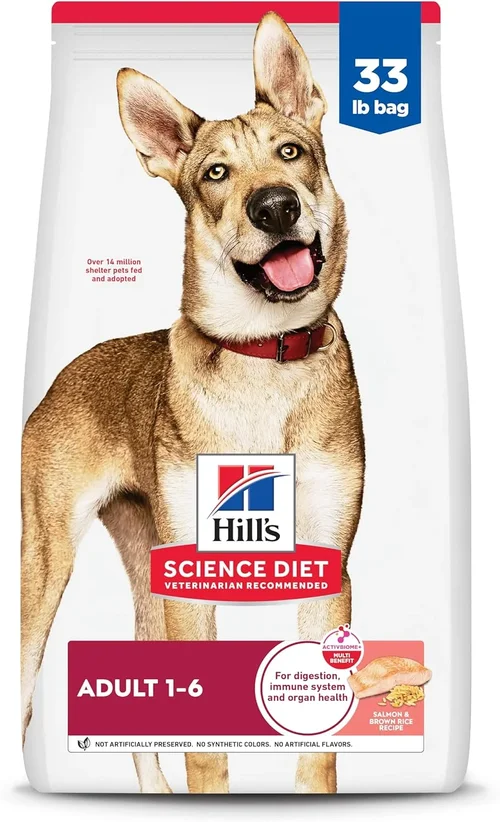
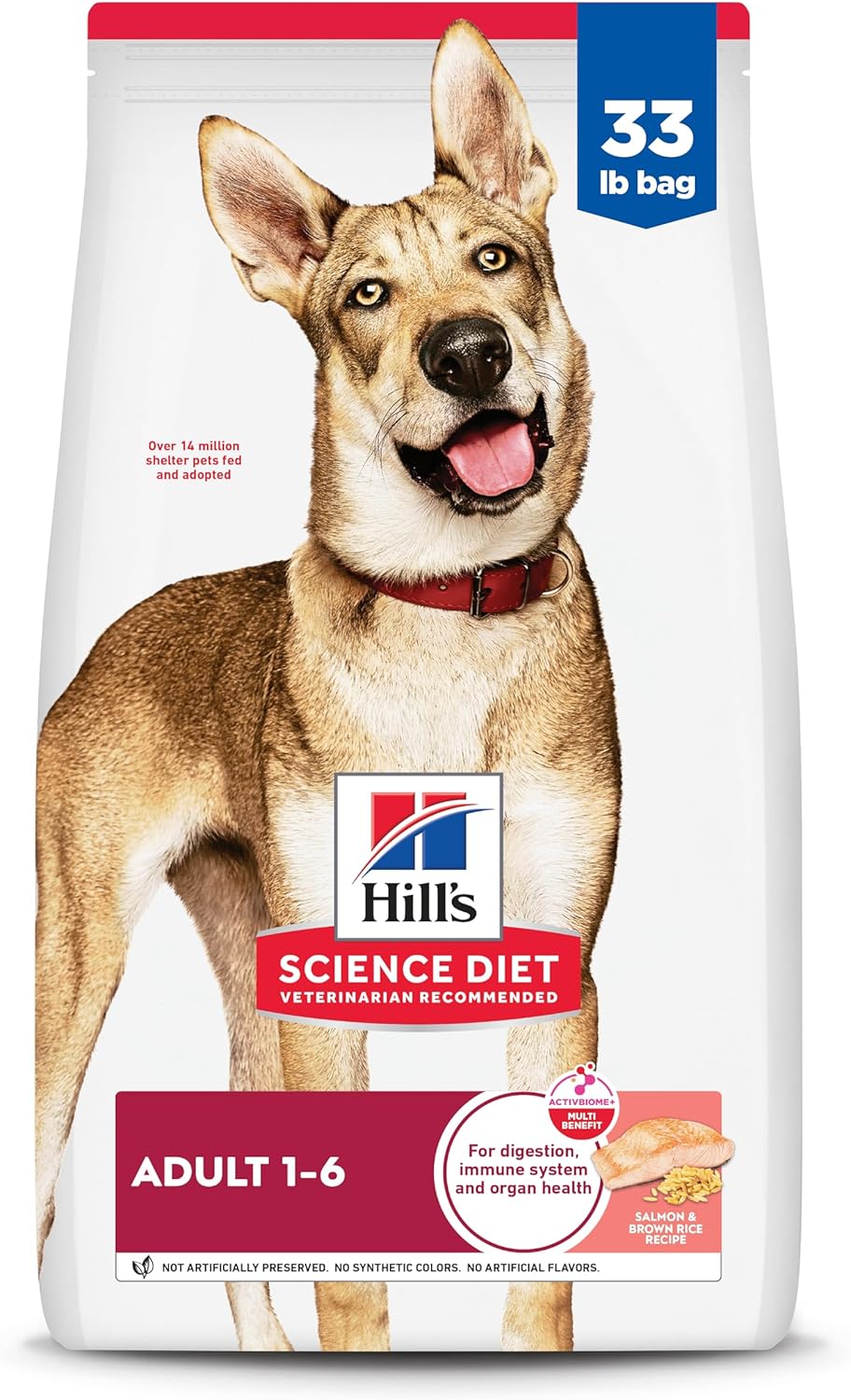
Best for Beginners: Hill’s Science Diet Adult – Veterinarian-recommended, easy to find, and formulated for optimal digestion and energy. Great for first-time dog owners.
Best for Advanced Users: The Farmer’s Dog – Fresh, human-grade meals tailored to your dog’s profile. Delivered weekly with precise portions. Perfect for owners who want convenience and top-tier nutrition.
Conclusion: Making the Right Choice
Choosing the best dog food in 2026 doesn’t have to be overwhelming. By focusing on nutritional adequacy, ingredient quality, and your dog’s individual needs, you can make a decision that supports their health and happiness for years to come. Remember, the best food isn’t always the most expensive—it’s the one that keeps your dog energetic, their coat shiny, their digestion smooth, and their tail wagging.
Use this guide as your roadmap: evaluate labels critically, avoid common pitfalls, and don’t hesitate to consult your veterinarian. Whether you’re feeding a tiny Chihuahua or a giant Great Dane, a couch potato or a agility champion, there’s a perfect food out there for your pup. Prioritize transparency, balance, and consistency—and your dog will thank you with every lick and leap.
Now that you’re equipped with expert knowledge, it’s time to take action. Review your current dog food, compare it to our recommendations, and make the switch if needed. Your dog’s health is worth the effort. Start today—because they deserve nothing less than the best.