
Raw feeding has surged in popularity among dog owners seeking a more natural, biologically appropriate diet for their canine companions. As pet parents become increasingly aware of the potential downsides of highly processed kibble—such as fillers, artificial preservatives, and low moisture content—many are turning to raw diets to support healthier skin, shinier coats, improved digestion, and even better dental health. But with this shift comes a flood of options: dozens of brands, varying formulations, and conflicting advice online. Choosing the right raw dog food brand isn’t just about picking the most expensive or the most advertised option—it’s about understanding your dog’s unique nutritional needs, your lifestyle, and what truly matters in a high-quality raw diet.
This comprehensive buying guide is designed to cut through the noise and help you make an informed, confident decision. Whether you’re a first-time raw feeder or looking to switch from your current brand, you’ll learn how to evaluate raw dog food based on ingredient quality, sourcing practices, nutritional balance, safety protocols, and value for money. We’ll walk you through the key factors to consider, compare different types of raw diets, highlight common pitfalls to avoid, and provide expert-backed recommendations tailored to various budgets and needs. By the end, you’ll have a clear roadmap to select the best raw dog food brand that aligns with your dog’s health goals and your personal values.
The raw dog food market has exploded in recent years, with new brands launching regularly and established pet food companies expanding into frozen, freeze-dried, and fresh raw offerings. From subscription-based delivery services to local butcher shops selling bulk meat mixes, the options are vast—and not all are created equal. Some brands prioritize human-grade ingredients and rigorous testing, while others cut corners with vague labeling or inconsistent sourcing. This guide will equip you with the knowledge to distinguish between marketing hype and genuine quality, ensuring your dog gets the nutrition they deserve without unnecessary risk or expense.

What to Look for When Buying Raw Dog Food
1. Ingredient Quality & Sourcing
The foundation of any great raw diet starts with what goes into it. High-quality raw dog food should feature real, identifiable animal proteins as the first ingredient—think whole chicken thighs, grass-fed beef heart, or wild-caught salmon. Avoid products that list vague terms like “meat meal” or “animal by-products,” which can include parts not fit for human consumption and may carry higher contamination risks. Look for brands that specify the source of their meat (e.g., “USDA-inspected,” “pasture-raised,” or “humanely raised”) and prioritize single-protein formulas if your dog has allergies or sensitivities.
Equally important is the inclusion of organ meats and bone content. A balanced raw diet typically follows an 80/10/10 ratio: 80% muscle meat, 10% edible bone, and 10% organs (with half being liver). Brands that clearly disclose these ratios or offer complete and balanced recipes formulated by veterinary nutritionists are far superior to those selling “mix-your-own” blends without guidance. Additionally, check whether vegetables, fruits, and supplements are included—some dogs benefit from added fiber and antioxidants, but these should never replace essential animal-based nutrients.
2. Nutritional Balance & Completeness
Not all raw foods are nutritionally complete—even if they claim to be. Dogs require a precise balance of protein, fat, calcium, phosphorus, and essential vitamins and minerals. An unbalanced diet over time can lead to serious health issues like skeletal deformities (from calcium deficiency) or kidney strain (from excessive phosphorus). The gold standard is compliance with AAFCO (Association of American Feed Control Officials) guidelines, though many raw brands avoid formal AAFCO testing due to cost and logistical challenges.
Instead, look for brands that conduct feeding trials or work with board-certified veterinary nutritionists to formulate their recipes. These products often carry statements like “formulated to meet the nutritional levels established by the AAFCO Dog Food Nutrient Profiles.” If a brand doesn’t provide any nutritional analysis or feeding guidelines, it’s a red flag. Also, consider whether the food is appropriate for your dog’s life stage—puppies, seniors, and active working dogs have different caloric and nutrient needs than adult maintenance dogs.
3. Safety & Handling Protocols
Raw diets carry inherent risks of bacterial contamination, including Salmonella, E. coli, and Listeria. While healthy dogs often handle these pathogens without issue, the real concern lies in cross-contamination in your home—especially if you have young children, elderly family members, or immunocompromised individuals. Therefore, safety should be non-negotiable when evaluating raw dog food brands.
Top-tier brands implement strict HACCP (Hazard Analysis Critical Control Points) plans, use high-pressure processing (HPP) to eliminate pathogens, or employ flash-freezing techniques that preserve freshness while reducing microbial load. They also provide clear handling instructions: thawing procedures, storage temperatures, and cleaning recommendations. Avoid brands that ship without insulated packaging or temperature monitoring, as improper transit can compromise safety. Some companies even offer pathogen testing results upon request—a sign of transparency and commitment to consumer safety.
4. Form & Convenience
Raw dog food comes in several forms, each with its own pros and cons. Frozen raw is the most common and closely mimics a natural prey model, but it requires freezer space and careful thawing. Freeze-dried raw offers similar nutrition with extended shelf life and no refrigeration needed—ideal for travel or small living spaces. Fresh raw (chilled, not frozen) is convenient and palatable but has a shorter shelf life and higher cost.
Consider your household logistics: Do you have enough freezer space? Are you frequently on the go? Do you prefer pre-portioned patties or bulk rolls? Some brands offer customizable subscription plans that deliver precisely measured meals based on your dog’s weight and activity level, reducing waste and guesswork. Others sell in large quantities for multi-dog households. Your lifestyle should heavily influence which format works best—don’t sacrifice convenience for ideology if it leads to inconsistent feeding.
5. Brand Transparency & Reputation
In an industry with minimal regulation, brand reputation matters more than ever. Research how long the company has been in business, whether they’ve had recalls, and how they respond to customer concerns. Read independent reviews on platforms like Trustpilot, Reddit’s r/rawpetfood, or Facebook groups dedicated to raw feeding. Be wary of brands that rely solely on influencer marketing or exaggerated health claims (“cures cancer!” or “guaranteed shiny coat in 7 days!”).
Transparency extends beyond ingredients—it includes manufacturing practices, employee treatment, sustainability efforts, and customer service. Brands that publish detailed FAQs, ingredient glossaries, and nutritional analyses demonstrate accountability. Look for certifications like SQF (Safe Quality Food), USDA Organic, or Certified Humane, which require third-party verification. A brand that’s open about its limitations (e.g., “We don’t use HPP due to texture concerns”) is often more trustworthy than one that claims perfection.
6. Price & Value Proposition
Raw dog food is undeniably more expensive than kibble—but not all premium pricing reflects superior quality. Some brands charge a fortune for minimal added value, while others deliver exceptional nutrition at reasonable rates. When comparing prices, calculate cost per pound or per serving, not just per bag. Also factor in shipping fees, subscription discounts, and whether the food requires supplementation (which adds hidden costs).
Value isn’t just about price—it’s about what you get for your money. Does the brand include added supplements like omega-3s, probiotics, or glucosamine? Are the portions appropriately sized for your dog’s breed and metabolism? Do they offer money-back guarantees or sample packs? A slightly higher upfront cost may pay off in reduced vet bills, less waste, and better long-term health. Never choose solely based on price; instead, assess the overall package.
7. Customer Support & Education
Switching to raw can be intimidating, especially for new owners. The best brands don’t just sell food—they support your journey. Look for companies that offer detailed feeding guides, transition tips, portion calculators, and access to nutritionists or customer service reps who understand raw feeding. Many top brands provide free consultations, online communities, or educational webinars.
Customer support also matters when things go wrong: delayed shipments, damaged packages, or unexpected digestive changes in your dog. Brands with responsive, knowledgeable support teams can make the difference between a smooth transition and a frustrating experience. Check response times, availability (phone, email, chat), and whether they offer replacements or refunds for unsatisfactory products.
8. Sustainability & Ethical Practices
More pet owners are considering the environmental and ethical impact of their choices. Sustainable raw brands prioritize regenerative farming, carbon-neutral shipping, recyclable or compostable packaging, and humane animal treatment. Some partner with local farms to reduce food miles, while others offset emissions through verified programs.
While sustainability shouldn’t override nutritional adequacy, it’s a meaningful differentiator for conscious consumers. Ask brands about their packaging materials (plastic-lined bags vs. paper-based), energy use in production, and animal welfare standards. Certifications like Climate Neutral or B Corp indicate a genuine commitment beyond marketing buzzwords.
Different Types of Raw Dog Food

Common Buying Mistakes to Avoid
❌ Mistake: Choosing Based Solely on Price
Why it’s bad: Opting for the cheapest raw food often means compromising on ingredient quality, safety testing, or nutritional balance. Low-cost brands may use inferior meats, lack organ content, or skip pathogen reduction steps, putting your dog at risk.
What to do instead: Evaluate the total value—not just per-pound cost. Consider included supplements, portion accuracy, and whether the food meets AAFCO standards. Sometimes paying 20% more buys 50% better quality.
❌ Mistake: Ignoring Your Dog’s Individual Needs
Why it’s bad: Feeding a high-fat beef formula to a sedentary senior dog or a calcium-rich diet to a large-breed puppy can cause serious health problems. One-size-fits-all approaches don’t work in raw feeding.
What to do instead: Consult your vet or a canine nutritionist before switching. Choose recipes tailored to your dog’s age, size, activity level, and health status. Many brands offer breed-specific or life-stage formulations.
❌ Mistake: Overlooking Transition Guidelines
Why it’s bad: Switching abruptly from kibble to raw can cause digestive upset, diarrhea, or refusal to eat. Dogs’ gut microbiomes need time to adapt.
What to do instead: Follow a gradual 7–10 day transition: start with 25% raw mixed with 75% old food, increasing the ratio every few days. Top brands provide detailed transition guides—use them!
❌ Mistake: Neglecting Proper Storage & Handling
Why it’s bad: Improper thawing, leaving food out too long, or using contaminated bowls can lead to bacterial growth and illness—for both your dog and your family.
What to do instead: Thaw raw food in the fridge (never on the counter), serve immediately, and clean bowls with hot, soapy water after each meal. Use separate utensils and sanitize surfaces thoroughly.
❌ Mistake: Believing All “Natural” or “Organic” Labels
Why it’s bad: Terms like “natural” are unregulated in pet food, and “organic” doesn’t guarantee nutritional completeness or safety. Some organic brands still use poor-quality ingredients.
What to do instead: Look beyond labels. Verify certifications, read ingredient lists critically, and research the brand’s manufacturing practices. Organic is a bonus—not a substitute for quality.
❌ Mistake: Assuming Raw Solves All Health Issues
Why it’s bad: While raw diets can improve many conditions, they’re not a cure-all. Dogs with kidney disease, pancreatitis, or certain cancers may require specialized veterinary diets.
What to do instead: Always discuss dietary changes with your veterinarian, especially if your dog has a diagnosed condition. Raw should complement—not replace—professional medical advice.
❌ Mistake: Not Rotating Proteins
Why it’s bad: Feeding the same protein source long-term can lead to sensitivities or nutrient imbalances. Variety ensures exposure to diverse amino acids, fats, and micronutrients.
What to do instead: Rotate between 3–5 different proteins every 4–6 weeks (e.g., chicken, beef, lamb, duck, fish). Most reputable brands offer variety packs or subscription flexibility.
Budget Guidelines: How Much Should You Spend?
Entry-Level ($2–$4 per pound): This tier includes budget-friendly frozen mixes and prey model blends, often sold in bulk. Expect simpler formulations, limited protein variety, and minimal added supplements. Brands in this range may not conduct HPP or extensive pathogen testing. Best for experienced feeders who supplement manually or multi-dog households prioritizing cost efficiency. Examples include Radagast Dog Food and Sojos Raw Mix.
Mid-Range ($4–$7 per pound): The sweet spot for most owners. These brands offer complete and balanced recipes, human-grade ingredients, clear sourcing, and reliable safety protocols. Many include probiotics, omega-3s, and joint support ingredients. Frozen and freeze-dried options are widely available. This tier provides excellent value without premium markups. Top picks include Steve’s Real Food, Northwest Naturals, and Primal Pet Foods.
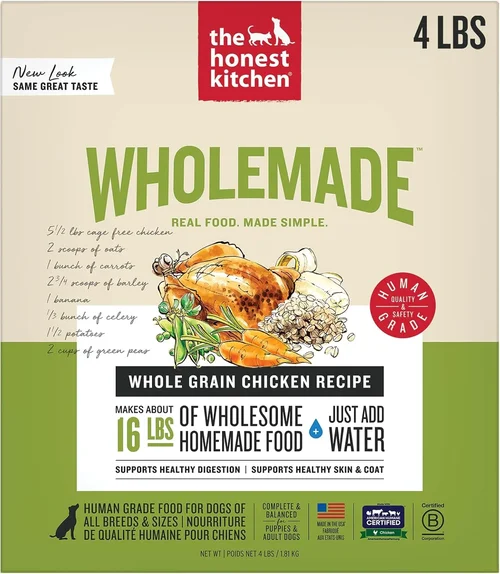
Premium ($7–$10 per pound): Designed for discerning owners who prioritize cutting-edge nutrition and convenience. Expect novel proteins (kangaroo, venison), organic produce, HPP treatment, and subscription-based delivery with customized portions. Brands often employ veterinary nutritionists and publish full nutritional analyses. Ideal for picky eaters, performance dogs, or those with specific health goals. Consider brands like Open Farm, The Honest Kitchen (raw-inspired), and Smallbatch.
Luxury ($10+ per pound): Reserved for boutique brands offering ultra-fresh, locally sourced, or artisanal formulations. These often feature single-protein, limited-ingredient recipes with exotic meats, fermented vegetables, or functional additives like colostrum or medicinal mushrooms. Packaging is eco-luxury, and customer service is highly personalized. While nutritionally sound, the ROI diminishes beyond a point—great for special occasions or dogs with extreme sensitivities, but rarely necessary for general health.

Expert Tips for Getting the Best Deal
– Buy in bulk during seasonal sales: Many raw brands offer 10–20% off during Black Friday, Cyber Monday, or end-of-season clearances. Stock up on frozen items when you have freezer space.
– Subscribe for discounts: Most companies provide 10–15% off recurring orders. You can usually pause or cancel anytime, so it’s low-risk.
– Check local co-ops or farm partnerships: Some regional brands sell directly to consumers at farmers markets or through community-supported agriculture (CSA) programs, cutting out shipping costs.
– Compare shipping policies: Free shipping thresholds vary widely. Some brands charge flat rates; others use weight-based pricing. Factor this into your total cost.
– Request samples before committing: Reputable brands often send small trial packs. This lets you test palatability and digestibility without buying a full case.
– Join raw feeding communities: Facebook groups and forums often share exclusive promo codes, group buys, or insider deals not advertised publicly.
– Monitor recall alerts: Sign up for FDA pet food recall notifications. Even trusted brands can have issues—staying informed protects your investment.
– Negotiate with customer service: If you’re a loyal customer or ordering a large quantity, politely ask if discounts or free shipping are available. Many reps have discretion to help.

Frequently Asked Questions
Q: Is raw dog food safe for puppies?
A: Yes, but it must be properly balanced. Puppies require higher levels of calcium, phosphorus, and calories than adult dogs. Choose brands that specify “for growth” or “all life stages” and avoid high-fat recipes that could cause pancreatitis. Always consult your vet before starting a puppy on raw.
Q: Can I make my own raw dog food at home?
A: Absolutely—but it’s risky without expert guidance. Homemade raw diets often lack essential nutrients unless carefully formulated. Use tested recipes from certified canine nutritionists (e.g., Dr. Becker’s Balance It app) and supplement appropriately. Commercial brands offer consistency and safety testing that’s hard to replicate at home.
Q: How long does raw dog food last in the freezer?
A: Properly stored frozen raw food lasts 6–12 months. Label packages with dates and use oldest stock first. Avoid repeated freeze-thaw cycles, which degrade quality.
Q: Will raw food make my dog aggressive?
A: No credible evidence links raw feeding to increased aggression. In fact, many owners report calmer behavior due to reduced processed ingredients and better digestion. Any behavioral changes are more likely tied to individual temperament or training—not diet.
Q: Do I need to add supplements to commercial raw food?
A: If the brand is complete and balanced (and states so), no. However, some owners add fish oil for coat health or probiotics for digestion—always check with your vet first to avoid overdosing.
Q: Can raw food help with my dog’s allergies?
A: It can, especially if the allergy is food-related. Novel proteins (like duck or rabbit) and limited-ingredient formulas reduce exposure to common allergens. But environmental allergies won’t improve from diet alone.
Q: Is freeze-dried raw as nutritious as frozen?
A: Yes—freeze-drying preserves most nutrients, enzymes, and amino acids. The main difference is moisture content, which you can restore by rehydrating. Both forms are excellent choices.
Q: How do I know if my dog is tolerating raw well?
A: Look for firm stools, high energy, healthy skin/coat, and maintained weight. Occasional loose stools during transition are normal, but persistent issues may indicate imbalance or intolerance.
Q: Are raw diets environmentally sustainable?
A: It depends on the brand. Locally sourced, regenerative-farmed meats have a lower footprint than imported or grain-finished proteins. Choose brands with transparent sustainability practices.
Q: What if my dog refuses to eat raw food?
A: Try warming it slightly, adding bone broth, or mixing with a small amount of wet food. Some dogs need time—offer it consistently for 7–10 days before concluding it’s not working.
Our Final Recommendations
Best for Budget-Conscious Buyers: Radagast Dog Food – Offers affordable, simple prey-model mixes with clear sourcing and no fillers. Ideal for experienced feeders who don’t mind basic packaging.
Best Overall Value: Steve’s Real Food – Combines human-grade ingredients, AAFCO-compliant recipes, HPP safety, and reasonable pricing. Their turkey and chicken formulas are crowd favorites.
Best Premium Option: Open Farm Raw – Features ethically sourced proteins, organic produce, recyclable packaging, and detailed traceability via QR codes. Perfect for owners who want top-tier quality with convenience.
Best for Beginners: Primal Pet Foods Freeze-Dried Nuggets – Easy to rehydrate, pre-portioned, and formulated by vets. Great for transitioning from kibble without freezer hassle.
Best for Advanced Users: Smallbatch Raw Dog Food – Artisanal, small-batch production with exotic proteins, fermented veggies, and customizable blends. Ideal for those tailoring diets to specific health needs.
Conclusion: Making the Right Choice
Choosing the best raw dog food brand isn’t about finding the “perfect” product—it’s about finding the right fit for your dog, your household, and your values. Prioritize ingredient transparency, nutritional completeness, and safety above all else. Don’t let marketing gimmicks or price alone dictate your decision. Instead, use the framework in this guide to assess options critically, ask the right questions, and trust your instincts as a pet parent.
Remember, every dog is unique. What works wonders for your neighbor’s Border Collie might not suit your senior Bulldog. Start slow, observe closely, and be willing to adjust. And if you’re ever unsure, consult a veterinary nutritionist—they’re your best ally in navigating the complex world of canine nutrition.
Raw feeding can be one of the most rewarding choices you make for your dog’s health, but it requires diligence, education, and commitment. With the knowledge from this guide, you’re now equipped to feed your furry friend with confidence, knowing you’ve made an informed, loving decision. Your dog’s wagging tail—and vibrant health—will be the ultimate reward.