
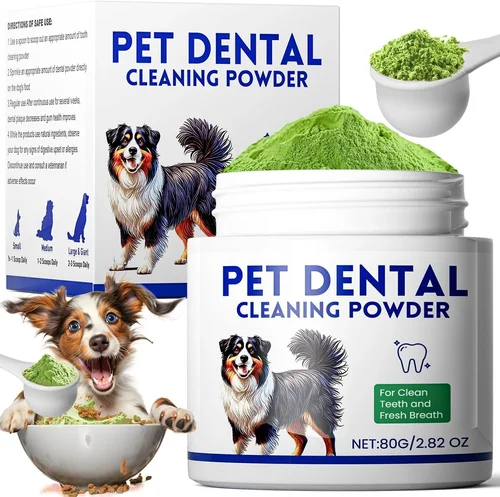
Small dogs may be tiny in stature, but their dental health is anything but minor. In fact, by the age of three, over 80% of small breed dogs show signs of dental disease—making oral care one of the most critical yet often overlooked aspects of canine wellness. Unlike larger breeds, small dogs have crowded teeth, weaker jaw structures, and a higher tendency for plaque and tartar buildup due to their anatomy and eating habits. Without proper intervention, this can lead to painful gum infections, tooth loss, and even systemic health issues affecting the heart, liver, and kidneys.
That’s where specialized small dog dental food comes in. These diets are scientifically formulated not just to nourish, but to actively support oral hygiene through texture, shape, size, and ingredient composition. Unlike regular kibble, dental-specific formulas are engineered to reduce plaque and tartar accumulation, promote healthier gums, and make brushing easier—even for the most resistant Chihuahuas or Pomeranians. With the pet food market flooded with options claiming “dental benefits,” it’s more important than ever for pet parents to know what truly works and which brands deliver on their promises.
This comprehensive buying guide is designed to cut through the noise and help you make an informed, confident decision. Whether you’re a first-time small dog owner or a seasoned pet parent looking to upgrade your pup’s diet, you’ll learn how to evaluate dental food based on science, not marketing hype. We’ll cover everything from kibble design and ingredient quality to brand reputation, price considerations, and real-world performance. By the end, you’ll have the tools to choose the best dental food for your small dog’s unique needs—ensuring fresher breath, stronger teeth, and a longer, healthier life.
—

What to Look for When Buying Small Dog Dental Food
1. Kibble Size, Shape, and Texture
When it comes to small dog dental food, kibble design is arguably the most important factor. Small breeds like Yorkshire Terriers, Dachshunds, and Shih Tzus have tiny mouths and short snouts, which makes chewing larger or awkwardly shaped kibble difficult—and ineffective for dental cleaning. The ideal dental kibble for small dogs should be small enough to fit comfortably in their mouth, yet large enough to require chewing rather than swallowing whole.
Look for kibble that is specifically labeled “small breed” or “miniature.” These are typically under 10mm in diameter and designed to encourage gnawing and crunching. The shape matters too: irregular, ridged, or twisted kibble creates more surface friction against teeth, helping to scrape away plaque as your dog chews. Some brands use a “dual-texture” design—softer on the inside, harder on the outside—to maximize chewing resistance without being too tough for delicate jaws.
Texture is equally crucial. A kibble that’s too soft won’t provide the mechanical abrasion needed to clean teeth. Conversely, overly hard kibble can risk cracking teeth, especially in older small dogs with weakened enamel. The sweet spot is a kibble that’s firm enough to require effort but not so brittle that it shatters on impact. Brands like Hill’s Science Diet and Royal Canin use extrusion technology to create kibble with optimal density and porosity, allowing it to expand slightly in the mouth for better contact with teeth.
2. Dental-Specific Ingredients and Additives
Beyond physical design, the ingredients in small dog dental food play a vital role in oral health. The best formulas include scientifically backed additives that inhibit plaque formation, reduce bacteria, and support gum health. One of the most effective ingredients is sodium hexametaphosphate (SHMP), a compound that binds to calcium in saliva, preventing it from hardening into tartar on teeth. Brands like Purina Pro Plan Dental Life and Iams ProActive Health use SHMP in their dental kibble, and studies have shown it can reduce tartar by up to 50% over time.
Another key ingredient is zinc, which has natural antibacterial properties and helps maintain healthy gum tissue. Look for chelated zinc (zinc proteinate or zinc sulfate), which is more bioavailable and better absorbed by your dog’s body. Some premium brands also include green tea extract, cranberry, or parsley for their antioxidant and breath-freshening benefits.
Avoid foods with excessive sugar, artificial sweeteners like xylitol (which is toxic to dogs), or high levels of simple carbohydrates. These can feed oral bacteria and accelerate plaque formation. Instead, opt for formulas with complex carbs like sweet potato, oatmeal, or brown rice, and high-quality protein sources such as chicken, turkey, or salmon.
3. Veterinary Dental Health Council (VDH) Seal of Acceptance
One of the most reliable indicators of a dental food’s effectiveness is the Veterinary Oral Health Council (VOHC) Seal of Acceptance. The VOHC is an independent organization that evaluates pet foods and treats based on rigorous scientific standards for plaque and tartar reduction. To earn the seal, a product must demonstrate a statistically significant reduction in plaque or tartar in controlled clinical trials.
When shopping for small dog dental food, always look for the VOHC seal on the packaging. It’s a quick and trustworthy way to verify that the product has been tested and proven to deliver real dental benefits. Not all reputable brands have the seal—some may use proprietary technology not yet evaluated by VOHC—but its presence is a strong endorsement of efficacy.
As of 2026, several top brands have earned VOHC approval for their small breed dental formulas, including Hill’s Science Diet Oral Care, Royal Canin Veterinary Diet Dental, and Purina Pro Plan Veterinary Diets DH Dental Health. These products have undergone peer-reviewed studies and are recommended by veterinarians nationwide.
4. Nutritional Balance and Life Stage Appropriateness
Dental health is important, but it shouldn’t come at the expense of overall nutrition. The best small dog dental food must also meet your dog’s complete dietary needs based on age, activity level, and health status. Puppies, adults, and seniors have different nutritional requirements, and a one-size-fits-all approach won’t suffice.
For example, senior small dogs may benefit from added joint support (glucosamine and chondroitin), lower calories to prevent weight gain, and enhanced antioxidants for immune health. Puppies, on the other hand, need higher protein and fat levels for growth and development. Look for formulas labeled “for all life stages” or specifically tailored to your dog’s age group.
Additionally, ensure the food meets AAFCO (Association of American Feed Control Officials) standards for complete and balanced nutrition. This means it contains the right proportions of protein, fat, fiber, vitamins, and minerals. Avoid “dental treats” or “supplements” that claim dental benefits but aren’t nutritionally complete—they should complement, not replace, your dog’s main diet.
5. Brand Reputation and Transparency
Not all pet food brands are created equal. When it comes to dental health, you want a company with a proven track record of scientific research, quality control, and transparency. Established brands like Hill’s, Royal Canin, and Purina have decades of experience in veterinary nutrition and invest heavily in clinical studies to back their claims.
Look for brands that disclose their ingredient sourcing, manufacturing processes, and quality assurance protocols. Do they use human-grade ingredients? Are their facilities regularly audited? Do they publish nutritional analyses and feeding guidelines? Transparency builds trust, especially when your dog’s health is on the line.
Avoid brands that rely on vague terms like “natural,” “holistic,” or “premium” without substantiation. These are marketing buzzwords that don’t guarantee quality. Instead, focus on companies that provide detailed nutritional information, have veterinary nutritionists on staff, and are willing to answer questions about their products.
6. Palatability and Digestibility
Even the most scientifically advanced dental food is useless if your dog won’t eat it. Small dogs are notorious for being picky eaters, so palatability is a critical factor. The best dental foods strike a balance between health benefits and taste appeal. Look for formulas with real meat as the first ingredient, natural flavor enhancers like chicken fat or liver, and minimal use of artificial preservatives or fillers.
Digestibility is equally important. A food that’s hard to digest can lead to gastrointestinal upset, gas, or loose stools—especially in small breeds with sensitive stomachs. High-quality proteins and easily digestible carbohydrates (like rice or barley) promote healthy digestion and nutrient absorption.
Many top brands conduct palatability trials to ensure their food is appealing to dogs. For example, Royal Canin tests its formulas with thousands of dogs across different breeds and ages to guarantee acceptance. If your dog turns up their nose at a new food, it may not be the right fit—even if it’s highly rated.
7. Price and Value for Money
Small dog dental food can range from $20 to $80 per bag, depending on brand, size, and formulation. While it’s tempting to go for the cheapest option, remember that you often get what you pay for. Budget brands may use lower-quality ingredients, less effective dental technology, or fail to meet nutritional standards.
That said, higher price doesn’t always mean better quality. Some mid-range brands offer excellent value by combining proven dental benefits with affordable pricing. Consider the cost per pound and how long a bag will last based on your dog’s feeding requirements. A $50 bag that lasts two months may be more economical than a $30 bag that lasts only three weeks.
Also, factor in long-term savings. Investing in dental food now can reduce the need for costly veterinary cleanings, extractions, or treatments for periodontal disease down the line. Preventive care is almost always cheaper than reactive treatment.
8. Availability and Convenience
Finally, consider how easy it is to purchase and store the food. Some premium dental formulas are only available through veterinarians or specialty pet stores, which can be inconvenient if you need a quick refill. Others are widely available online and in major retailers like Chewy, Petco, and Amazon.
Check shipping options, subscription services, and return policies. Many brands offer auto-ship discounts, which can save you money and ensure you never run out. Also, consider packaging—resealable bags help maintain freshness and prevent spoilage, especially for smaller bags that may take longer to finish.
—
Different Types of Small Dog Dental Food

—
Common Buying Mistakes to Avoid
❌ Mistake: Choosing Based on Marketing Claims Alone
Why it’s bad: Many brands use terms like “dental care,” “tartar control,” or “fresh breath” without scientific backing. These claims can be misleading and don’t guarantee actual dental benefits.
What to do instead: Always verify claims with third-party validation, such as the VOHC seal, clinical studies, or veterinary recommendations. Look beyond the packaging and research the ingredients and formulation.
❌ Mistake: Ignoring Kibble Size for Small Breeds
Why it’s bad: Large or standard-sized kibble is difficult for small dogs to chew properly, reducing the mechanical cleaning action needed for plaque removal.
What to do instead: Choose kibble specifically designed for small breeds—smaller, denser, and shaped to encourage chewing. Measure the kibble if possible; it should be no larger than your dog’s muzzle width.
❌ Mistake: Overlooking Nutritional Completeness
Why it’s bad: Some “dental” products are treats or supplements, not complete meals. Feeding them as a primary diet can lead to nutritional deficiencies.
What to do instead: Ensure the food is labeled “complete and balanced” by AAFCO and suitable for your dog’s life stage. Use dental treats only as supplements, not replacements.
❌ Mistake: Assuming All “Natural” Foods Are Better
Why it’s bad: “Natural” doesn’t always mean healthier or more effective. Some natural ingredients lack the proven efficacy of scientifically formulated additives like SHMP.
What to do instead: Prioritize evidence-based ingredients over buzzwords. A food with synthetic additives backed by research may be more effective than a “natural” one with unproven claims.
❌ Mistake: Not Transitioning Gradually
Why it’s bad: Sudden diet changes can cause digestive upset, refusal to eat, or stress in small dogs with sensitive stomachs.
What to do instead: Transition over 7–10 days by mixing increasing amounts of the new food with the old. Monitor your dog’s appetite, stool, and behavior closely.
❌ Mistake: Neglecting Regular Dental Checkups
Why it’s bad: No food can replace professional cleanings or address advanced dental disease. Relying solely on diet may delay necessary treatment.
What to do instead: Combine dental food with regular vet visits, at-home brushing, and dental chews for comprehensive oral care.
❌ Mistake: Buying the Most Expensive Option
Why it’s bad: High price doesn’t always equal high quality. Some premium brands charge more for branding than innovation.
What to do instead: Compare value based on ingredients, efficacy, and cost per serving. Mid-range brands often offer the best balance of quality and affordability.
—
Budget Guidelines: How Much Should You Spend?
– Entry-Level ($20 – $35 per bag): These options are typically store brands or budget lines from major manufacturers. While they may include basic dental benefits, they often use lower-quality proteins, fillers, and less effective cleaning technology. Best for short-term use or supplemental feeding.
– Mid-Range ($35 – $55 per bag): This is the sweet spot for most small dog owners. Brands in this range offer scientifically backed formulas, high palatability, and good nutritional balance. Examples include Purina Pro Plan Dental Life and Iams ProActive Health. Ideal for daily use and long-term dental maintenance.
– Premium ($55 – $75 per bag): These foods feature advanced dental technology, premium ingredients, and often VOHC approval. Brands like Hill’s Science Diet and Royal Canin dominate this category. Best for dogs with existing dental issues or owners seeking maximum efficacy.
– Luxury ($75+ per bag): Top-tier prescription diets and boutique brands fall here. These are typically available only through veterinarians and are formulated for dogs with severe dental disease or complex health needs. While highly effective, they may be overkill for healthy dogs.
—

Expert Tips for Getting the Best Deal
– Buy in bulk during seasonal sales: Major retailers often offer discounts on pet food during holidays like Black Friday, Memorial Day, or National Pet Day. Stock up when prices drop.
– Use subscription services: Chewy, Amazon, and Petco offer auto-ship programs with 5–15% discounts and free shipping. Set it and forget it.
– Check for rebates and coupons: Brands like Hill’s and Purina frequently offer mail-in rebates or digital coupons through their websites or apps.
– Compare cost per pound: A smaller bag may seem cheaper, but a larger one often offers better value. Calculate the price per pound to make an apples-to-apples comparison.
– Ask your vet for samples: Many veterinary offices provide free samples of prescription diets. Try before you buy to ensure your dog likes it.
– Read return policies: If your dog refuses the food, you want the option to return or exchange it. Online retailers usually have more flexible policies than brick-and-mortar stores.
– Monitor your dog’s response: Track changes in breath, gum health, and chewing behavior over 4–6 weeks. If there’s no improvement, consider switching brands.
– Combine with other dental care: Use dental food alongside brushing, water additives, and vet cleanings for the best results.
—

Frequently Asked Questions
Q: Can small dog dental food replace brushing?
A: No, dental food is not a substitute for brushing. While it helps reduce plaque and tartar, it doesn’t clean between teeth or below the gumline. Brushing remains the gold standard for oral hygiene.
Q: How long does it take to see results?
A: Most dogs show improvement in breath and visible tartar within 4–6 weeks of consistent feeding. Full dental benefits may take 2–3 months.
Q: Is dental food safe for puppies?
A: Only if it’s labeled for all life stages or specifically for puppies. Adult dental formulas may lack the nutrients needed for growth.
Q: Can I mix dental food with regular kibble?
A: Yes, but it may dilute the dental benefits. For best results, feed dental food as the primary diet.
Q: What if my dog has allergies?
A: Look for hypoallergenic or limited-ingredient dental formulas. Brands like Royal Canin and Hill’s offer options for sensitive dogs.
Q: Are grain-free dental foods better?
A: Not necessarily. Grain-free diets are only beneficial if your dog has a grain allergy. Otherwise, whole grains can be part of a healthy diet.
Q: Can dental food help with bad breath?
A: Yes, by reducing bacteria and plaque, dental food can significantly improve breath odor. However, persistent bad breath may indicate an underlying health issue.
Q: Do I need a vet prescription for dental food?
A: Only for prescription diets like Hill’s t/d or Royal Canin Dental. Over-the-counter options are available without a prescription.
Q: How much should I feed my small dog?
A: Follow the feeding guidelines on the package based on your dog’s weight and activity level. Adjust as needed to maintain a healthy body condition.
Q: Can senior dogs eat dental food?
A: Absolutely. In fact, senior dogs benefit greatly from dental support as their teeth and gums age. Look for formulas with joint and immune support.
—
Our Final Recommendations
– Best for Budget-Conscious Buyers: Purina Pro Plan Dental Life Small Breed – Offers VOHC-approved plaque reduction at an affordable price, with high palatability and small kibble size.
– Best Overall Value: Hill’s Science Diet Oral Care for Small Dogs – Combines proven dental technology, excellent nutrition, and wide availability. A top choice for daily use.
– Best Premium Option: Royal Canin Veterinary Diet Dental Small Dog – Clinically proven, prescription-grade formula ideal for dogs with existing dental issues or high-risk breeds.
– Best for Beginners: Iams ProActive Health Small & Miniature Adult – Easy to find, well-balanced, and includes dental benefits without overwhelming complexity.
– Best for Advanced Users: Purina Pro Plan Veterinary Diets DH Dental Health – Advanced formulation with dual-texture kibble and SHMP, recommended by veterinarians for maximum plaque control.
—
Conclusion: Making the Right Choice
Choosing the best dental food for your small dog is about more than just fresh breath—it’s an investment in their long-term health and quality of life. With the right diet, you can prevent painful dental disease, reduce vet bills, and give your furry companion the gift of a healthy smile. Remember to prioritize kibble design, proven ingredients, nutritional balance, and brand credibility over flashy packaging or marketing gimmicks.
Every dog is unique, so don’t be afraid to experiment and adjust based on your pet’s response. Monitor their teeth, gums, and overall well-being, and consult your veterinarian if you notice any changes. And while dental food is a powerful tool, it works best as part of a comprehensive oral care routine that includes brushing, regular checkups, and preventive care.
By following the guidance in this expert buying guide, you’re not just selecting a bag of kibble—you’re making a smart, science-backed decision that supports your small dog’s health from the inside out. Start today, and give your pup the dental care they deserve.