

Choosing the right dog food brand isn’t just about picking a bag off the shelf—it’s one of the most important decisions you’ll make for your dog’s long-term health, energy levels, coat quality, digestion, and overall well-being. With hundreds of brands flooding the market, each claiming to be “the best,” it’s easy to feel overwhelmed. From flashy packaging to buzzwords like “grain-free,” “organic,” and “human-grade,” the noise can drown out what truly matters: nutrition that supports your dog’s unique needs.
This comprehensive buyer’s guide cuts through the marketing clutter and delivers expert-backed insights to help you make an informed, confident choice in 2026. Whether you’re a first-time pet parent or a seasoned dog owner looking to upgrade your pup’s diet, you’ll learn how to evaluate dog food brands based on real nutritional value—not just price tags or celebrity endorsements. We’ll walk you through the essential factors to consider, compare top-performing brands across different categories, highlight common pitfalls, and provide actionable tips to get the best value for your money. By the end, you’ll have a clear roadmap to select a dog food brand that aligns with your dog’s age, breed, activity level, and health requirements.
The dog food industry has evolved dramatically over the past decade. What was once a simple choice between dry kibble and canned food has now expanded into a sophisticated landscape of fresh, raw, freeze-dried, and even lab-grown options. Premium brands now offer breed-specific formulas, life-stage nutrition (puppy, adult, senior), and therapeutic diets for dogs with allergies, sensitivities, or chronic conditions. At the same time, budget-friendly options have improved significantly, making quality nutrition more accessible than ever. However, this abundance of choice also means greater responsibility—knowing how to read labels, understand ingredient sourcing, and recognize red flags is crucial. This guide equips you with that knowledge, ensuring your dog gets the nourishment they deserve without overspending or compromising on quality.
What to Look for When Buying Dog Food
1. Ingredient Quality & Sourcing
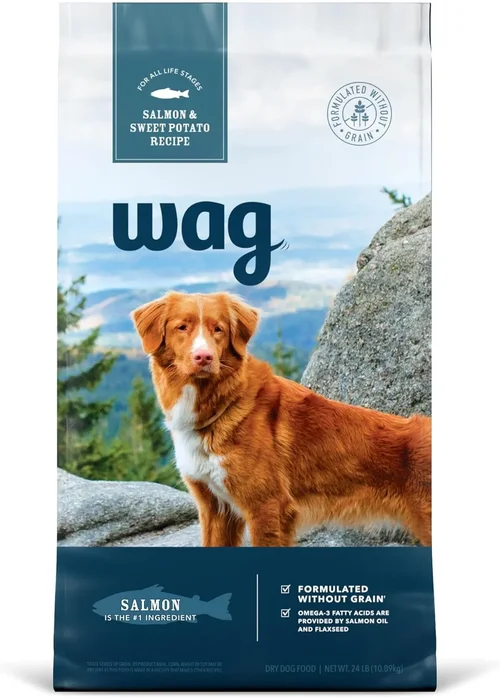
The foundation of any great dog food starts with high-quality ingredients. Look for named animal proteins as the first ingredient—such as “chicken,” “salmon,” or “lamb”—rather than vague terms like “meat meal” or “animal by-products.” Whole meats should be minimally processed and free from artificial preservatives, colors, or fillers. Ideally, the protein source should be human-grade and sourced from reputable farms with transparent practices. Ingredients like sweet potatoes, peas, carrots, and blueberries are excellent sources of fiber, vitamins, and antioxidants. Avoid foods that list corn, soy, or wheat as primary ingredients—these are often used as cheap fillers and can trigger allergies in sensitive dogs. Also, check whether the brand discloses where its ingredients are sourced. Brands that partner with local farms or use certified organic ingredients typically offer greater traceability and consistency.
2. Nutritional Adequacy & AAFCO Compliance
All dog foods sold in the U.S. must meet standards set by the Association of American Feed Control Officials (AAFCO). Look for a statement on the packaging that says the food is “complete and balanced” for a specific life stage (e.g., “for growth,” “for maintenance,” or “for all life stages”). This ensures the food provides the right balance of protein, fat, carbohydrates, vitamins, and minerals. However, AAFCO compliance alone doesn’t guarantee superiority—some brands meet the minimum requirements but use lower-quality ingredients to do so. For optimal nutrition, choose brands that go beyond AAFCO standards, such as those that conduct feeding trials or use higher protein percentages. Puppies, seniors, and working dogs have different caloric and nutrient needs, so selecting a formula tailored to your dog’s life stage is essential.
3. Protein Content & Digestibility
Dogs are primarily carnivorous, meaning they thrive on high-protein diets. The ideal dog food should contain at least 25–30% crude protein for adult dogs, with puppies and active breeds needing even more. But protein quantity isn’t everything—digestibility matters just as much. High-quality animal proteins like chicken, turkey, and fish are more easily absorbed than plant-based proteins or low-grade meals. Look for brands that specify the digestibility percentage (often found in technical datasheets or on the company website). A food with 85% or higher protein digestibility ensures your dog is actually utilizing the nutrients, not just passing them through. Poorly digestible proteins can lead to excessive stool volume, gas, and nutrient deficiencies over time.
4. Grain-Free vs. Grain-Inclusive: What’s Right for Your Dog?
The grain-free trend exploded in popularity, but recent FDA investigations have raised concerns about a potential link between grain-free diets and dilated cardiomyopathy (DCM) in dogs. While not all grain-free foods are problematic, many rely heavily on legumes like peas, lentils, and chickpeas as carbohydrate sources, which may interfere with taurine absorption—a key factor in heart health. Unless your dog has a diagnosed grain allergy, there’s little evidence that grain-free diets offer significant benefits. In fact, whole grains like brown rice, oats, and barley provide valuable fiber, B vitamins, and sustained energy. The key is balance: choose a diet that includes healthy carbohydrates without over-relying on legumes. If you do opt for grain-free, ensure the brand uses alternative fiber sources and has been tested for taurine levels.
5. Additives, Preservatives & Artificial Ingredients
Artificial preservatives like BHA, BHT, and ethoxyquin have been linked to health issues in dogs, including liver damage and cancer. Similarly, synthetic colors and flavors serve no nutritional purpose and may cause hyperactivity or allergic reactions. Instead, look for natural preservatives such as mixed tocopherols (vitamin E), rosemary extract, or citric acid. These are safer and equally effective at extending shelf life. Avoid foods with long lists of unpronounceable ingredients—simplicity often indicates higher quality. Some premium brands even use vacuum-sealed packaging or nitrogen flushing to preserve freshness without chemicals. Always check the ingredient list for hidden additives like propylene glycol (used in some “moist” kibbles), which can be toxic in large amounts.
6. Brand Transparency & Manufacturing Practices
A trustworthy dog food brand is transparent about how and where its food is made. Look for companies that own their manufacturing facilities or work with co-packers that follow strict quality control protocols. Brands that publish third-party lab test results, ingredient sourcing maps, or sustainability reports demonstrate accountability. Avoid brands that are vague about their supply chain or refuse to answer questions about sourcing. Additionally, consider whether the company conducts regular recalls and how they handle them—prompt, transparent communication during a recall is a strong indicator of integrity. Companies that invest in research, veterinary nutritionists, and independent testing are more likely to produce safe, effective products.
7. Price vs. Value: Understanding Cost Per Meal
Dog food pricing can vary wildly—from $20 for a 15-pound bag of budget kibble to $100+ for a small batch of fresh food. But the cheapest option isn’t always the most economical. High-quality foods are often more nutrient-dense, meaning your dog needs to eat less to feel full, which can reduce long-term costs. Calculate the cost per meal by dividing the total price by the number of servings. For example, a $60 bag that provides 60 meals costs $1 per meal, while a $30 bag with only 30 meals also costs $1 per meal—but the latter may require larger portions due to lower digestibility. Premium brands may have higher upfront costs, but they can lead to fewer vet bills, better coat condition, and improved energy levels, offering better overall value.
8. Special Dietary Needs & Health Conditions
Not all dogs thrive on standard formulas. Dogs with food allergies, sensitivities, obesity, kidney disease, or joint issues may require specialized diets. For example, dogs with skin allergies often benefit from novel protein sources like duck, venison, or kangaroo, which they haven’t been exposed to before. Overweight dogs need lower-calorie, high-fiber foods to promote satiety without excess fat. Senior dogs may require joint-support ingredients like glucosamine and chondroitin, while puppies need higher levels of DHA for brain development. Therapeutic diets prescribed by veterinarians are available for serious conditions, but many over-the-counter brands now offer “wellness” lines that address common concerns. Always consult your vet before switching to a specialized diet, especially if your dog has a diagnosed condition.
Different Types of Dog Food Brands

Common Buying Mistakes to Avoid
❌ Mistake: Choosing Based Solely on Price
Why it’s bad: Opting for the cheapest dog food may save money upfront, but low-quality ingredients can lead to poor digestion, dull coats, weight gain, and increased vet visits. Over time, the cost of treating health issues far outweighs the savings on food.
What to do instead: Focus on cost per meal and nutritional value. Invest in a mid-range or premium brand that uses real meat, avoids fillers, and supports long-term health. Think of dog food as preventive healthcare.
❌ Mistake: Falling for Marketing Buzzwords
Why it’s bad: Terms like “natural,” “holistic,” or “premium” are not regulated by the FDA or AAFCO. A bag can claim to be “grain-free” but still contain low-quality proteins and excessive legumes, which may harm your dog’s heart health.
What to do instead: Read the ingredient list and guaranteed analysis, not the front label. Look for specific, identifiable ingredients and avoid vague terms. Research the brand’s reputation and third-party testing practices.
❌ Mistake: Not Transitioning Gradually
Why it’s bad: Switching dog food abruptly can cause digestive upset, including diarrhea, vomiting, and loss of appetite. Dogs have sensitive stomachs, and sudden changes disrupt their gut microbiome.
What to do instead: Transition over 7–10 days by gradually increasing the new food while decreasing the old. Start with 25% new food and 75% old, then move to 50/50, then 75/25, before fully switching.
❌ Mistake: Ignoring Your Dog’s Individual Needs
Why it’s bad: Feeding a high-protein diet to a sedentary senior dog or a low-calorie food to a growing puppy can lead to malnutrition or obesity. Every dog is unique.
What to do instead: Consider your dog’s age, breed, size, activity level, and health status. Consult your vet or a veterinary nutritionist to determine the best diet type and portion size.
❌ Mistake: Overlooking Expiration Dates & Storage
Why it’s bad: Dog food loses nutritional value over time, especially after opening. Rancid fats can cause digestive issues and long-term health problems. Improper storage (e.g., in humid garages) accelerates spoilage.
What to do instead: Check expiration dates before buying and use food within 6 weeks of opening. Store kibble in an airtight container in a cool, dry place. Freeze raw or fresh food if not using immediately.
❌ Mistake: Not Monitoring Your Dog’s Response
Why it’s bad: Even the best dog food may not suit every dog. Signs like excessive itching, ear infections, bad breath, or inconsistent stool can indicate food intolerance or allergy.
What to do instead: Keep a food journal noting your dog’s energy, coat condition, stool quality, and behavior. If issues arise, consider an elimination diet or switch to a novel protein formula.
❌ Mistake: Buying in Bulk Without Testing
Why it’s bad: Purchasing a 40-pound bag of a new food only to find your dog refuses to eat it or has an adverse reaction is wasteful and stressful.
What to do instead: Start with a small bag or sample pack. Many premium brands offer trial sizes or money-back guarantees. Test the food for at least 2–3 weeks before committing to a large purchase.
Budget Guidelines: How Much Should You Spend?
- Entry-Level ($0.80–$1.80 per pound): What to expect… Budget brands like Purina Dog Chow, Pedigree, and store brands (e.g., Walmart’s Ol’ Roy) have improved in recent years, but they often contain by-products, fillers, and artificial preservatives. These are best for temporary feeding or multi-dog households where cost is a major factor. Look for versions labeled “with real chicken” or “complete and balanced” to ensure basic nutrition.
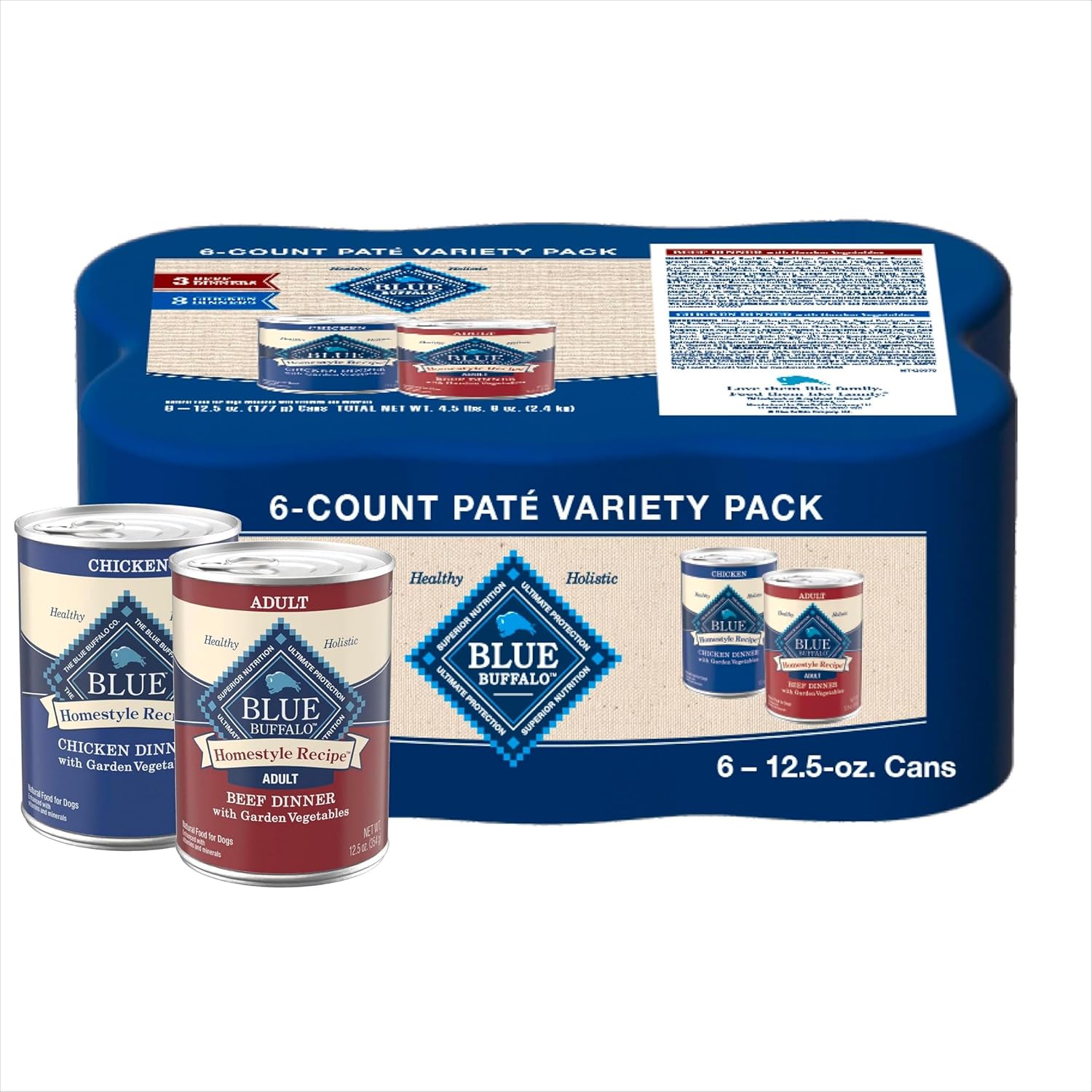
- Mid-Range ($1.80–$3.50 per pound): Sweet spot for most buyers… Brands like Blue Buffalo Life Protection, Wellness Core, and Nutro offer high-quality proteins, whole grains, and added supplements like glucosamine and probiotics. These foods strike a balance between affordability and nutrition, making them ideal for everyday feeding. Many include life-stage formulas and limited-ingredient options for sensitive dogs.
- Premium ($3.50–$6.00 per pound): For enthusiasts and professionals… Premium brands such as Orijen, Acana, and Taste of the Wild use biologically appropriate recipes with fresh, regional ingredients. They often feature high meat content, low carbohydrates, and no artificial additives. These diets support optimal health, coat shine, and energy levels, especially for active or working dogs.
- Luxury ($6.00+ per pound): Top-tier features… Fresh food services like The Farmer’s Dog, Nom Nom, and Ollie deliver pre-portioned, human-grade meals straight to your door. Freeze-dried raw brands like Stella & Chewy’s and Primal offer minimally processed, nutrient-dense options. These are ideal for dogs with severe allergies, picky eaters, or owners who prioritize convenience and transparency. While expensive, they can reduce long-term health costs and improve quality of life.
Expert Tips for Getting the Best Deal
- Buy in Bulk During Sales: Major retailers like Chewy, Petco, and Amazon offer seasonal discounts (e.g., Black Friday, Prime Day). Stock up on kibble during these periods, but only if you have proper storage. Subscribe-and-save programs can also lock in lower prices.
- Compare Online vs. In-Store Prices: Online retailers often have lower overhead and pass savings to customers. Use price comparison tools or apps to find the best deals. However, check shipping costs—some brands offer free shipping on orders over $49.
- Look for Manufacturer Rebates & Coupons: Brands like Hill’s Science Diet and Royal Canin frequently offer mail-in rebates or digital coupons through their websites. Sign up for newsletters to receive exclusive offers.
- Consider Subscription Services: Fresh food companies like The Farmer’s Dog offer discounts for recurring deliveries. These services also ensure you never run out and allow easy adjustments based on your dog’s needs.
- Check Return Policies: Even the best food may not agree with your dog. Choose retailers with flexible return policies. Chewy, for example, allows returns of unopened bags within 365 days.
- Test Before Committing: Request samples from brands or buy small bags first. Many premium brands offer trial sizes or satisfaction guarantees. This minimizes waste and ensures your dog accepts the new food.
- Join Loyalty Programs: Pet stores like PetSmart and Petco have reward programs that offer points, discounts, and free items. Over time, these can add up to significant savings.
- Monitor Expiration Dates: When buying in bulk, ensure the food won’t expire before use. Rotate stock and use older bags first. Avoid clearance items with short shelf lives unless you can consume them quickly.

Frequently Asked Questions
Q: Is grain-free dog food bad for dogs?
A: Not inherently, but some grain-free diets high in legumes (peas, lentils) have been linked to dilated cardiomyopathy (DCM) in certain breeds. Unless your dog has a grain allergy, grain-inclusive diets with whole grains like oats or brown rice are generally safer and provide valuable nutrients.
Q: How often should I change my dog’s food?
A: There’s no need to switch brands regularly unless your dog has dietary issues or you’re seeking variety. Frequent changes can upset digestion. Stick with a high-quality food that works, but consider rotating proteins (e.g., chicken, beef, fish) to reduce allergy risk.
Q: Can I mix different dog food brands?
A: Yes, but do so gradually and in small amounts. Mixing can help transition foods or add variety, but avoid combining more than two brands to prevent digestive upset. Ensure both foods are nutritionally balanced.
Q: Is raw dog food safe?
A: Raw diets can be nutritious but carry risks of bacterial contamination (e.g., Salmonella, E. coli). If feeding raw, use commercially prepared, frozen products from reputable brands and practice strict hygiene. Consult your vet, especially if you have young children or immunocompromised individuals at home.
Q: How much should I feed my dog?
A: Follow the feeding guidelines on the package as a starting point, then adjust based on your dog’s weight, activity level, and body condition. Use a body condition score chart to assess if your dog is underweight, ideal, or overweight. Senior or less active dogs may need 20–30% fewer calories.
Q: Are expensive dog foods worth it?
A: Often, yes—especially if they use high-quality ingredients, have higher digestibility, and reduce health issues. While the upfront cost is higher, the long-term savings on vet bills and improved quality of life can justify the investment.
Q: Can puppies eat adult dog food?
A: No. Puppies require more protein, fat, calcium, and DHA for growth and brain development. Adult food lacks these nutrients and can stunt development. Use a puppy-specific formula until 12–18 months, depending on breed size.
Q: What’s the difference between “chicken meal” and “chicken”?
A: “Chicken” refers to fresh meat with high water content (about 70%), while “chicken meal” is rendered, dehydrated meat with most moisture removed, making it more protein-dense. Both can be high-quality, but look for named meals (e.g., “chicken meal”) over generic “meat meal.”
Q: How long can I keep opened dog food?
A: Dry kibble should be used within 6 weeks of opening to maintain freshness and prevent rancidity. Store in an airtight container. Canned food can be refrigerated for up to 5–7 days after opening.
Q: Should I feed my dog once or twice a day?
A: Most adult dogs do well with two meals per day, which helps regulate digestion and prevent bloat (especially in large breeds). Puppies under 6 months may need 3–4 meals. Consult your vet for breed-specific recommendations.
Our Final Recommendations
- Best for Budget-Conscious Buyers: Blue Buffalo Life Protection Formula – Offers real meat as the first ingredient, no by-products, and added life-source bits with antioxidants. Priced under $2.50 per pound, it delivers excellent value without sacrificing quality.
- Best Overall Value: Wellness Core Grain-Free – High protein (34%), limited ingredients, and no fillers. Ideal for active dogs and those with sensitivities. Available in multiple protein options and reasonably priced at $3.00–$3.50 per pound.
- Best Premium Option: Orijen Original – Biologically appropriate with 85% animal ingredients, including fresh regional meats. Perfect for owners who want to feed a diet close to what dogs evolved to eat. Priced at $5.50–$6.50 per pound.
- Best for Beginners: Purina Pro Plan – Trusted brand with vet-formulated recipes, wide availability, and life-stage options. Great for first-time owners who want reliability and support. Mid-range pricing at $2.80–$3.80 per pound.
- Best for Advanced Users: The Farmer’s Dog – Fresh, human-grade meals tailored to your dog’s profile. Cooked gently and delivered frozen. Ideal for owners who prioritize transparency, convenience, and personalized nutrition. Costs $6.00–$8.00 per pound but includes portioning and vet guidance.
Conclusion: Making the Right Choice
Selecting the best dog food brand is a deeply personal decision that depends on your dog’s unique needs, your budget, and your values as a pet owner. There’s no one-size-fits-all answer—what works for a high-energy Border Collie may not suit a senior Bulldog with joint issues. The key is to prioritize ingredient quality, nutritional adequacy, and transparency over flashy packaging or celebrity endorsements.
Throughout this guide, we’ve emphasized the importance of reading labels, understanding your dog’s dietary requirements, and avoiding common pitfalls like impulse buying or over-relying on marketing claims. Whether you choose a premium kibble, a fresh food subscription, or a vet-recommended therapeutic diet, the goal remains the same: to provide your dog with the nutrition they need to live a long, healthy, and happy life.
Remember, your dog can’t choose their food—but you can. Take the time to research, compare, and consult with professionals. Start with a small trial, monitor your dog’s response, and adjust as needed. With the right information and a little patience, you’ll find a brand that not only meets your dog’s nutritional needs but also gives you peace of mind.
Your dog’s health is worth the investment. Make 2026 the year you feed with confidence.