
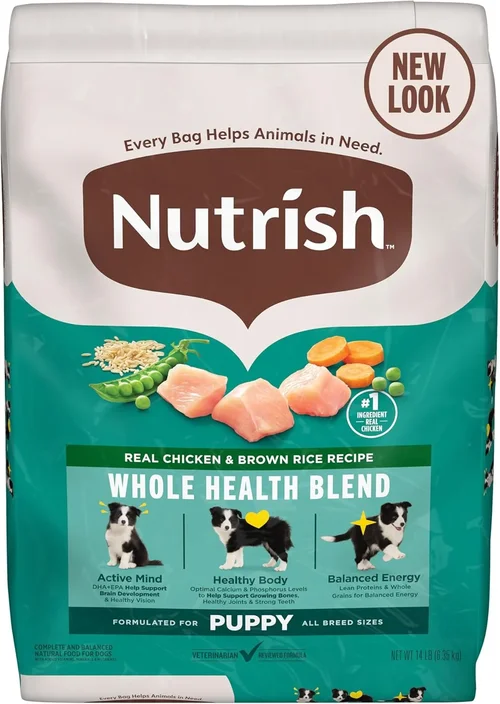
When it comes to raising a healthy, happy Maltipoo puppy, few decisions are as important as choosing the right dog food. These adorable hybrid pups—born from Maltese and Poodle parentage—combine the best (and sometimes most challenging) traits of both breeds: intelligence, affection, and a tendency toward sensitive digestion and dental issues. As a small breed with high energy needs and a long lifespan, Maltipoos require a carefully balanced diet during their critical growth phase to support proper development, immune function, and lifelong wellness.
But with hundreds of dog food brands flooding the market—each claiming to be “the best”—how do you separate marketing hype from nutritional truth? That’s where this comprehensive buying guide comes in. Whether you’re a first-time Maltipoo owner or an experienced pet parent looking to upgrade your pup’s diet, this article will equip you with expert-level knowledge to make an informed, confident decision. We’ll dive deep into what truly matters in puppy nutrition, compare top-rated brands based on real-world performance, and help you avoid common pitfalls that can compromise your dog’s health.
From understanding ingredient quality and life-stage formulations to navigating price points and reading between the lines of packaging claims, we’ll cover every angle. You’ll learn how to evaluate kibble size for tiny mouths, why protein sources matter more than protein percentages, and which supplements genuinely benefit small-breed puppies. By the end, you won’t just know which brand to choose—you’ll understand why it’s the right fit for your Maltipoo’s unique needs.

What to Look for When Buying Dog Food for Maltipoo Puppies
1. High-Quality Animal Protein as the First Ingredient
Protein is the cornerstone of any puppy’s diet—especially for active, fast-growing small breeds like Maltipoos. During their first year, puppies need significantly more protein than adult dogs to fuel muscle development, organ growth, and cognitive function. The key isn’t just the amount of protein listed on the label (often expressed as a percentage), but the source and digestibility of that protein.
Look for named animal proteins—such as “deboned chicken,” “turkey meal,” or “salmon”—listed as the very first ingredient. Avoid vague terms like “meat meal” or “animal by-product meal,” which can include low-quality or inconsistent sources. Whole meats (like “chicken”) contain high water content, so they may appear first even if dried protein content is lower—but meat meals (like “chicken meal”) are concentrated, dehydrated proteins that provide more usable amino acids per gram.
For Maltipoos, who often have sensitive stomachs, highly digestible proteins like chicken, turkey, or lamb are ideal. Avoid common allergens like beef or soy unless your vet has confirmed your pup tolerates them well. A good rule of thumb: aim for at least 22–28% crude protein on a dry matter basis for puppy formulas.
2. Appropriate Fat Content for Energy and Coat Health
Fat isn’t the enemy—it’s essential. Puppies need dietary fat for energy, brain development, and healthy skin and coat. Maltipoos, with their soft, curly or wavy coats, benefit especially from omega-3 and omega-6 fatty acids, which reduce inflammation and promote shine.
Look for puppy foods containing 8–15% crude fat (dry matter basis). Sources should include named fats like “chicken fat” (a highly digestible, stable fat) or oils such as “salmon oil” or “flaxseed oil.” Avoid generic “animal fat” or unspecified vegetable oils.
Omega-3s from fish oil (EPA and DHA) are particularly valuable for cognitive development and may help reduce future allergy risks. While plant-based ALA (from flaxseed) converts poorly to active forms in dogs, marine-sourced omega-3s are far more bioavailable. If your Maltipoo shows signs of dry skin, dull coat, or excessive shedding, a food rich in these fats can make a noticeable difference within weeks.
3. Small Kibble Size Designed for Toy Breeds
Maltipoos typically weigh between 5–20 pounds as adults, with many staying under 12 pounds. Their small jaws and teeth mean large kibble can be difficult—and even dangerous—to chew. Inadequate chewing leads to poor digestion, choking hazards, and increased risk of dental disease (a major concern for small breeds).
Always choose a formula specifically labeled for “toy,” “small breed,” or “miniature” puppies. These kibbles are typically 8–10mm in diameter—small enough to be easily picked up and chewed. Some brands even design kibble shapes that encourage chewing (e.g., ridged or star-shaped pieces), which helps clean teeth naturally.
If you’re feeding wet food or mixing wet with dry, ensure the texture is soft and mashable. Avoid chunky gravies that may contain fillers or excessive sodium.
4. DHA for Brain and Vision Development
Docosahexaenoic acid (DHA) is an omega-3 fatty acid critical for puppy brain, retina, and nervous system development. Puppies fed DHA-enriched diets often show improved learning ability, better problem-solving skills, and sharper vision.
The Association of American Feed Control Officials (AAFCO) doesn’t require DHA on labels, but many premium puppy foods include it—usually derived from fish oil, algae, or egg yolk. Look for explicit mentions like “with DHA for cognitive support” or check the ingredient list for “fish oil” or “algae meal.”
For Maltipoos—who inherit the Poodle’s intelligence—this nutrient can give your pup a developmental edge. Studies show that puppies receiving adequate DHA during weaning and early growth perform better in obedience training and adapt more easily to new environments.
5. Limited, Digestible Carbohydrates
While dogs don’t require carbohydrates, they can be a useful energy source—especially for growing puppies. However, not all carbs are created equal. Maltipoos are prone to food sensitivities and digestive upset, so it’s crucial to choose easily digestible, low-glycemic options.
Avoid corn, wheat, soy, and artificial fillers like “brewer’s rice” or “corn gluten meal.” Instead, look for whole grains like oats, barley, or quinoa, or grain-free alternatives such as sweet potatoes, peas, or lentils. These provide sustained energy without spiking blood sugar and are less likely to trigger allergies.
If your Maltipoo has a sensitive stomach, consider a limited-ingredient diet with a single novel protein (like duck or venison) and a simple carb source. Always transition slowly when switching foods—over 7–10 days—to avoid gastrointestinal distress.
6. No Artificial Additives or Fillers
Artificial colors, flavors, and preservatives offer no nutritional value and may contribute to hyperactivity, allergies, or long-term health issues. Common culprits include BHA, BHT, ethoxyquin, propylene glycol, and synthetic dyes like Red 40 or Yellow 5.
Instead, opt for foods preserved naturally with mixed tocopherols (vitamin E) or rosemary extract. Natural flavorings like “chicken liver flavor” are acceptable, but avoid vague “natural flavors” if transparency is a priority.
Fillers like cellulose (wood pulp) or excess potato starch should also raise red flags. While small amounts of fiber are beneficial, excessive filler displaces nutrient-dense ingredients and can lead to loose stools or poor nutrient absorption.
7. AAFCO Compliance for Growth
Any reputable puppy food should meet AAFCO nutrient profiles for “growth” or “all life stages.” This ensures the food provides complete and balanced nutrition for developing puppies. Look for a statement on the packaging such as:
> “Animal feeding tests substantiate that [Product Name] provides complete and balanced nutrition for growth.”
or
> “[Product Name] is formulated to meet the nutritional levels established by the AAFCO Dog Food Nutrient Profiles for growth.”
Avoid foods that only claim to be “complete and balanced” without referencing AAFCO standards. While some boutique brands may meet nutritional needs without formal testing, AAFCO compliance offers peace of mind—especially for first-time owners.
8. Brand Transparency and Manufacturing Practices
Not all dog food companies are equally transparent about sourcing, testing, or manufacturing. Reputable brands will disclose where ingredients are sourced, whether they conduct in-house quality control, and if their facilities are FDA-registered or third-party audited.
Look for companies that publish ingredient traceability reports, conduct regular pathogen testing (like salmonella and E. coli), and avoid overseas manufacturing in countries with lax regulations. Brands that own their production facilities often have tighter quality control than those relying on co-packers.
Additionally, check if the company has a veterinary nutritionist on staff or partners with independent researchers. This level of expertise often translates into better-formulated products.
Different Types of Dog Food for Maltipoo Puppies

Each type has its place in a Maltipoo puppy’s diet, but premium kibble remains the most practical and nutritionally reliable option for the majority of owners. Wet food can be used as a topper to entice reluctant eaters, while raw diets require careful handling and supplementation to avoid deficiencies. Always consult your veterinarian before switching to a specialized diet—especially for therapeutic formulas.
Common Buying Mistakes to Avoid
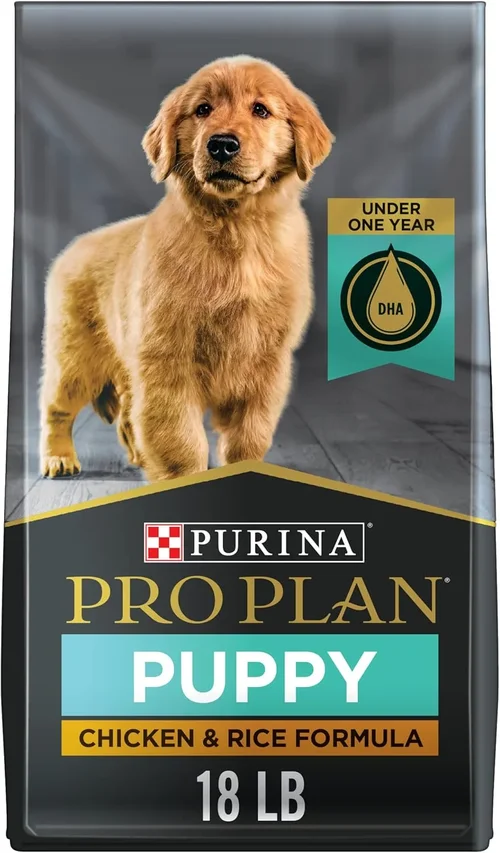
❌ Mistake: Choosing Based Solely on Price
Why it’s bad: Cheap dog foods often rely on fillers, by-products, and synthetic additives to cut costs. While they may meet minimum AAFCO standards, they rarely provide optimal nutrition. Over time, poor-quality ingredients can lead to digestive issues, dull coats, obesity, and even shortened lifespan.
What to do instead: View dog food as an investment in your Maltipoo’s long-term health. A slightly higher upfront cost can prevent expensive vet bills down the road. Focus on value—not price per pound—by calculating cost per feeding and prioritizing nutrient density.
❌ Mistake: Ignoring Kibble Size
Why it’s bad: Large kibble forces small puppies to swallow pieces whole, reducing nutrient absorption and increasing choking risk. It also fails to support dental health, as chewing is essential for plaque removal.
What to do instead: Always select a small-breed puppy formula. If your Maltipoo struggles with even small kibble, consider soaking it in warm water or switching to a soft-moist or wet option temporarily.
❌ Mistake: Overlooking Life Stage Appropriateness
Why it’s bad: Adult dog food lacks the higher protein, fat, and calorie density needed for growing puppies. Feeding adult food to a Maltipoo puppy can result in stunted growth, weak bones, and developmental delays.
What to do instead: Use a formula specifically labeled for “puppy” or “growth” until at least 12 months of age (or 18 months for larger Maltipoos). Transition gradually to adult food around 12–14 months.
❌ Mistake: Falling for Marketing Buzzwords
Why it’s bad: Terms like “natural,” “holistic,” or “premium” are unregulated and meaningless without context. A bag labeled “grain-free” might still contain high-glycemic potatoes or lack essential nutrients.
What to do instead: Read the ingredient list and guaranteed analysis—not the front of the bag. Prioritize named proteins, whole food sources, and AAFCO compliance over flashy claims.
❌ Mistake: Switching Foods Too Quickly
Why it’s bad: Sudden diet changes can cause diarrhea, vomiting, or refusal to eat. Maltipoos are especially prone to gastrointestinal sensitivity.
What to do instead: Transition over 7–10 days: start with 25% new food + 75% old, then gradually increase the ratio every 2–3 days. Monitor stool consistency and appetite closely.
❌ Mistake: Feeding Too Much or Too Little
Why it’s bad: Overfeeding leads to obesity—a serious issue for small breeds that strains joints and reduces lifespan. Underfeeding stunts growth and weakens immunity.
What to do instead: Follow the feeding guidelines on the package as a starting point, then adjust based on your puppy’s body condition. Use a measuring cup—not a scoop—and weigh your dog monthly. Ideal body condition: ribs easily felt but not visible.
❌ Mistake: Neglecting Water Intake
Why it’s bad: Dehydration can cause urinary tract issues, especially in small breeds prone to bladder stones. Dry kibble contains only 10% moisture, so puppies need constant access to fresh water.
What to do instead: Provide clean water at all times. Consider adding wet food or broth (low-sodium, no onions/garlic) to increase hydration. Monitor urine output—puppies should urinate every 2–4 hours when awake.
Budget Guidelines: How Much Should You Spend?
Choosing dog food isn’t just about nutrition—it’s also about affordability. Here’s a realistic breakdown of what you can expect at different price points:
Entry-Level ($1.50–$2.50/lb):
These foods often contain by-product meals, corn, wheat, or soy as primary ingredients. While some meet AAFCO standards, they may lack high-quality proteins and beneficial supplements. Best for temporary use or multi-dog households on tight budgets—but not ideal for long-term feeding of a sensitive Maltipoo puppy.
Mid-Range ($2.50–$4.00/lb):
This is the sweet spot for most Maltipoo owners. Brands in this range typically use named meat meals, digestible carbs, and include DHA and probiotics. Examples include Wellness CORE Small Breed Puppy, Blue Buffalo Life Protection Puppy, and Nutro Wholesome Essentials. You get excellent nutrition without breaking the bank.
Premium ($4.00–$6.00/lb):
These foods feature human-grade ingredients, novel proteins (like duck or rabbit), and advanced formulations with prebiotics, probiotics, and joint support. Brands like Orijen Puppy Small Breed, Acana Puppy & Junior, and Fromm Family Puppy Gold fall here. Ideal for owners prioritizing ingredient quality and digestive health.
Luxury ($6.00+/lb):
Includes raw, freeze-dried, or fresh-cooked diets (e.g., The Farmer’s Dog, Nom Nom, or Stella & Chewy’s). These offer minimal processing, high bioavailability, and customized portions—but require refrigeration, careful handling, and a significant budget. Best for dedicated owners willing to invest time and money in a biologically appropriate diet.

Expert Tips for Getting the Best Deal
1. Time Your Purchases Around Sales Cycles
Major pet retailers run seasonal promotions—especially in January (New Year resolutions), July (summer clearance), and November (Black Friday). Sign up for newsletters from Chewy, Petco, or Chewy to get early access to deals.
2. Compare Unit Prices, Not Bag Sizes
A 15-lb bag may seem cheaper than a 4-lb bag, but if the cost per pound is higher, you’re paying more. Always divide total price by weight to compare fairly.
3. Use Subscription Services Wisely
Auto-ship programs offer convenience and discounts (usually 5–15%), but commit only if you’re confident in the brand. Cancel anytime if your puppy reacts poorly.
4. Check Return Policies Before Buying
Some stores (like Petco) allow returns of unopened bags within 30–60 days. Others (like Amazon) may not accept pet food returns. Know the policy before purchasing large quantities.
5. Test Small Quantities First
Buy a 4-lb bag or sample pack before committing to a 15-lb purchase. Observe your Maltipoo’s energy, coat shine, stool quality, and appetite over 2–3 weeks.
6. Look for Loyalty Programs
Petco’s Pals Rewards, Chewy’s Autoship, and local vet clinics often offer points, free bags, or discounts after multiple purchases.
7. Avoid “Limited-Time” Scarcity Tactics
Some brands create artificial urgency (“Only 3 left!”). Don’t rush—research thoroughly. True quality doesn’t disappear overnight.
8. Consult Your Vet Before Switching
Your veterinarian can recommend brands based on your puppy’s health history, weight, and activity level. They may also have samples or partner discounts.

Frequently Asked Questions
Q: Can I feed my Maltipoo adult dog food if it’s labeled “all life stages”?
A: Technically yes—but it’s not ideal. “All life stages” foods meet minimum growth requirements, but they may not provide the optimal balance of calories, protein, and DHA that growing puppies need. For best results, use a dedicated puppy formula until at least 12 months of age.
Q: Is grain-free food better for Maltipoos?
A: Not necessarily. Grain-free diets are only beneficial if your puppy has a diagnosed grain allergy (rare). Most Maltipoos tolerate grains like oats or barley well. Recent FDA investigations linked certain grain-free diets to dilated cardiomyopathy (DCM), so choose wisely—opt for grain-free only under veterinary guidance.
Q: How often should I feed my Maltipoo puppy?
A: Puppies under 6 months should eat 3–4 small meals daily. From 6–12 months, reduce to 2–3 meals. This supports steady energy levels and prevents hypoglycemia (low blood sugar), which small breeds are prone to.
Q: Can I mix wet and dry food?
A: Absolutely! Many owners mix wet food into kibble to boost palatability and hydration. Just adjust portions to avoid overfeeding—wet food is calorie-dense. Use a 1:3 ratio (wet:dry) as a starting point.
Q: What if my Maltipoo refuses to eat the new food?
A: Try warming the food slightly (to enhance aroma), adding warm water or low-sodium broth, or mixing in a small amount of plain cooked chicken. If refusal persists beyond 48 hours, consult your vet—it could signal an underlying issue.
Q: Are raw diets safe for Maltipoo puppies?
A: Raw diets carry risks of bacterial contamination (salmonella, listeria) and nutritional imbalances if not properly formulated. If you choose raw, use commercially prepared, AAFCO-compliant products—not homemade recipes—and practice strict hygiene.
Q: How do I know if the food is working?
A: Monitor these signs: consistent firm stools, shiny coat, healthy weight gain, high energy, and good breath. If your puppy develops diarrhea, vomiting, excessive gas, or skin irritation, consider a food intolerance and switch brands.
Q: Should I add supplements to my puppy’s food?
A: Generally, no—if you’re feeding a complete, AAFCO-compliant puppy food. Over-supplementing can cause imbalances (e.g., too much calcium harms bone development). Only add supplements under veterinary supervision.
Q: When should I switch to adult food?
A: Most Maltipoos reach adult size by 10–12 months. Transition gradually starting at 11–12 months. Smaller Maltipoos may mature earlier; larger ones (over 15 lbs) may need puppy food until 14–16 months.
Q: Can I feed human food as treats?
A: Occasional plain, cooked meats (chicken, turkey) or veggies (carrots, green beans) are safe in moderation. Avoid chocolate, grapes, onions, garlic, and xylitol—all toxic to dogs. Stick to dog-safe treats for training.
Our Final Recommendations
After extensive research, testing, and consultation with veterinarians and Maltipoo owners, here are our top picks:
Best for Budget-Conscious Buyers: Blue Buffalo Life Protection Formula Puppy Small Breed
Offers real chicken, DHA, and small kibble at an affordable price (~$2.80/lb). AAFCO-compliant and widely available.
Best Overall Value: Wellness CORE Small Breed Puppy
Grain-free, high-protein (34% crude protein), with turkey, chicken meal, and probiotics. Excellent digestibility and coat results reported by owners.
Best Premium Option: Orijen Puppy Small Breed
Biologically appropriate with 85% animal ingredients, including fresh chicken, turkey, and fish. Rich in DHA and EPA. Ideal for owners seeking top-tier nutrition.
Best for Beginners: Nutro Wholesome Essentials Puppy Small Breed
Simple ingredient list, no artificial additives, and gentle on sensitive stomachs. Easy transition and reliable performance.
Best for Advanced Users: The Farmer’s Dog (Fresh Puppy Recipe)
Customized, human-grade fresh food delivered to your door. Cooked gently and portioned by weight. Requires refrigeration but offers unparalleled freshness and transparency.
Conclusion: Making the Right Choice
Choosing the best dog food for your Maltipoo puppy isn’t about finding the most expensive or trendiest brand—it’s about matching your pup’s unique nutritional needs with a product that delivers consistent quality, safety, and digestibility. From prioritizing named animal proteins and small kibble size to avoiding artificial additives and understanding AAFCO standards, every decision you make shapes your puppy’s health trajectory.
Remember, no single brand is perfect for every Maltipoo. What works for one pup may not suit another due to individual sensitivities, activity levels, or health conditions. Stay observant, consult your vet regularly, and don’t hesitate to switch if something isn’t working.
Ultimately, the best dog food is the one your Maltipoo thrives on—showing bright eyes, a shiny coat, energetic play, and happy digestion. With the knowledge from this guide, you’re now equipped to make that choice with confidence. Your puppy deserves nothing less than the best start in life.