

When it comes to raising a healthy, happy schnauzer—whether you have a spirited Miniature Schnauzer, a dignified Standard, or a majestic Giant—what you feed them matters more than you might think. These intelligent, energetic, and often long-lived dogs have unique nutritional needs that set them apart from other breeds. From their predisposition to pancreatitis and urinary stones to their tendency toward weight gain and skin sensitivities, schnauzers thrive on diets tailored specifically to their biology. Yet, with thousands of dog food brands flooding the market—each claiming to be “the best”—it’s easy for even the most devoted pet parent to feel overwhelmed.
This comprehensive buying guide is designed to cut through the noise and deliver expert-level, actionable advice on choosing the best dog food for your schnauzer in 2026. Whether you’re a first-time owner or a seasoned schnauzer enthusiast, you’ll learn how to evaluate ingredients, understand life-stage requirements, interpret labels like a pro, and avoid common pitfalls that could compromise your dog’s health. We’ll explore top-performing brands, compare formulations across price points, and provide real-world insights based on veterinary recommendations, customer feedback, and ingredient science. By the end of this guide, you won’t just know which brand to buy—you’ll understand why it’s the right choice for your four-legged companion.
The dog food market has evolved dramatically over the past decade, driven by increased consumer awareness, advances in pet nutrition research, and a surge in premium and specialized offerings. Today’s options range from budget-friendly kibble to fresh, human-grade meals delivered to your door. For schnauzers—whose health can be dramatically impacted by diet—this abundance of choice is both a blessing and a challenge. Some brands excel in protein quality but fall short on fiber; others prioritize grain-free formulas that may not suit every schnauzer’s digestive system. This guide will help you navigate these nuances with confidence, ensuring your dog gets the balanced, species-appropriate nutrition they need to live their best life.
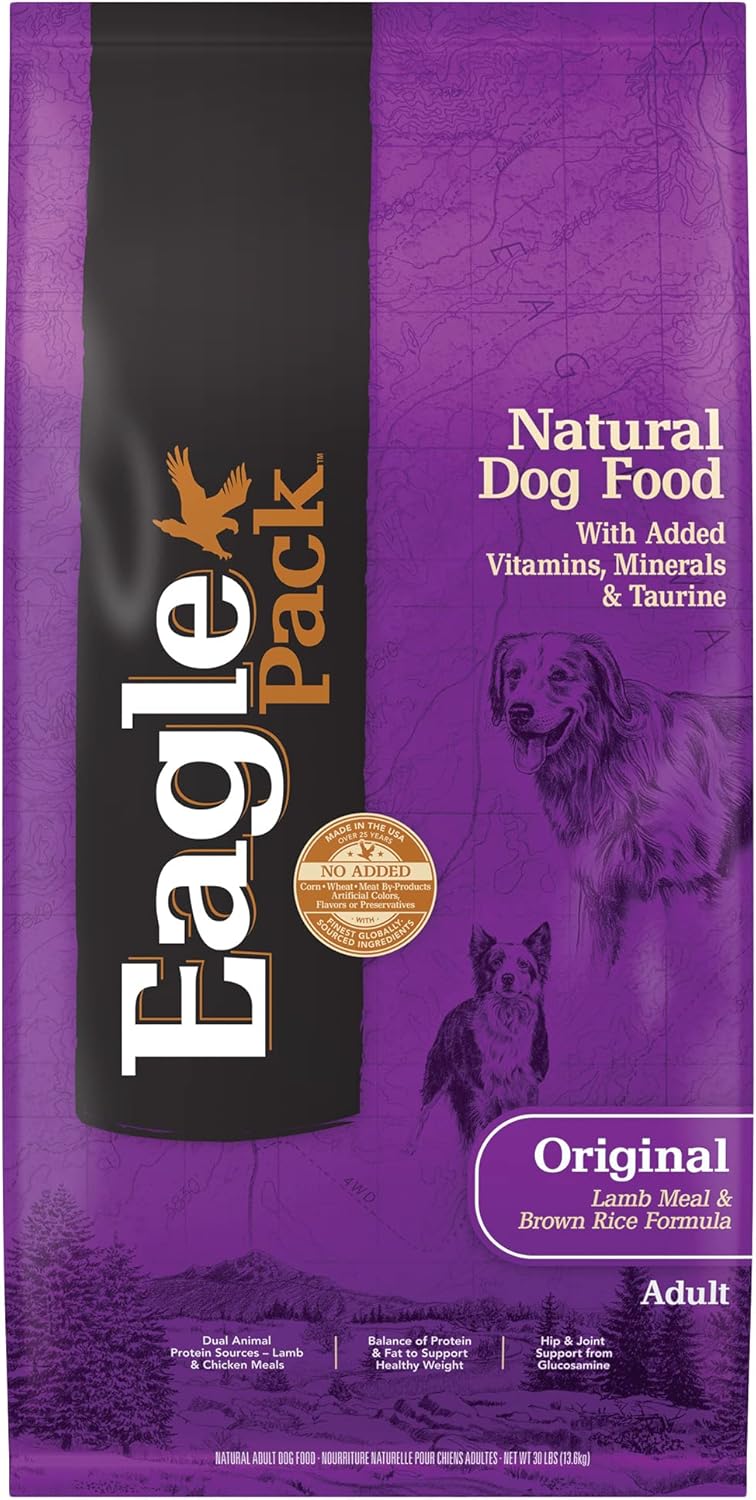
What to Look for When Buying Dog Food for Schnauzers
1. High-Quality Animal Protein as the First Ingredient
For schnauzers, protein isn’t just important—it’s essential. These active dogs require a diet rich in high-quality animal protein to support muscle maintenance, energy levels, and overall metabolic function. Look for named meat sources like “chicken,” “turkey,” “salmon,” or “lamb” listed as the first ingredient. Avoid vague terms like “meat meal” or “animal by-products,” which can indicate lower-quality or inconsistent protein sources. The Association of American Feed Control Officials (AAFCO) recommends that adult dog foods contain at least 18% protein, but schnauzers often benefit from levels between 22% and 28%, especially if they’re active or prone to weight issues.
Why does this matter? Poor-quality protein can lead to dull coats, lethargy, and even muscle wasting over time. High-quality animal protein, on the other hand, supports healthy skin, a shiny coat, and sustained energy—key traits for a breed known for its spirited personality. Additionally, schnauzers are prone to pancreatitis, a painful inflammation of the pancreas often triggered by high-fat diets. Choosing a food with lean, easily digestible protein helps reduce this risk while still meeting their nutritional needs.
2. Moderate Fat Content with Healthy Fat Sources
While schnauzers need fat for energy and skin health, too much can spell trouble—especially given their susceptibility to pancreatitis and obesity. Ideal dog foods for schnauzers should contain moderate fat levels, typically between 12% and 16% for adults. More importantly, the fat should come from healthy, identifiable sources such as chicken fat, salmon oil, or flaxseed. These provide essential fatty acids like omega-3 and omega-6, which support coat shine, reduce inflammation, and promote joint health.
Avoid foods with excessive fat or those listing “animal fat” without specification, as these may contain low-quality or rancid fats. Cold-pressed oils and those preserved with natural antioxidants (like mixed tocopherols) are preferable. For senior schnauzers or those with a history of pancreatitis, consider lower-fat formulas (around 10–12%) to minimize digestive stress. Always consult your vet if your dog has a known fat sensitivity.
3. Digestible Carbohydrates and Fiber Balance
Schnauzers don’t require high-carb diets, but they do benefit from digestible carbohydrates that provide sustained energy without spiking blood sugar. Look for whole grains like brown rice, oats, or barley, or easily digestible alternatives like sweet potatoes and peas. These ingredients offer fiber, which supports healthy digestion and helps regulate bowel movements—a plus for a breed prone to gastrointestinal upset.
Fiber is especially important for schnauzers, as it can help manage weight and reduce the risk of struvite crystals, a common urinary issue in the breed. Aim for a fiber content between 3% and 5%. However, avoid foods with excessive fillers like corn, wheat, or soy, which offer little nutritional value and may trigger allergies or sensitivities. Some schnauzers do well on grain-free diets, but this isn’t necessary for all—focus on digestibility and ingredient quality rather than trendy labels.
4. Life Stage and Size-Specific Formulas
Not all schnauzers are the same—Miniature, Standard, and Giant Schnauzers have different metabolic rates, growth patterns, and health risks. Puppies need higher protein and fat to support rapid development, while seniors benefit from joint-supporting nutrients like glucosamine and lower calories to prevent weight gain. Always choose a food formulated for your dog’s life stage: puppy, adult, or senior.
Additionally, kibble size matters. Miniature Schnauzers, for example, have small mouths and may struggle with large kibble pieces. Look for brands that offer breed-specific or small-breed formulas with appropriately sized kibble. This ensures your dog can chew comfortably and digest their food efficiently. Some premium brands even offer “schnauzer-specific” blends that address common breed concerns like urinary health and coat condition.
5. Limited Ingredients and Hypoallergenic Options
Schnauzers are prone to food sensitivities and allergies, which can manifest as itchy skin, ear infections, or digestive issues. If your dog shows signs of intolerance—such as excessive scratching, gas, or loose stools—consider a limited-ingredient diet (LID). These formulas use a single protein source (like duck or venison) and a minimal number of carbohydrates to reduce the risk of allergic reactions.
Hypoallergenic or novel protein diets can be especially helpful for schnauzers with chronic skin or ear problems. Brands like Royal Canin and Hill’s Science Diet offer veterinary-formulated LID options, while natural brands like The Honest Kitchen and Wellness Simple provide over-the-counter alternatives. Always transition to a new food gradually over 7–10 days to avoid digestive upset.
6. Added Supplements for Breed-Specific Health
Beyond basic nutrition, the best dog foods for schnauzers include targeted supplements that address common breed health concerns. Look for formulas enriched with:
- Glucosamine and chondroitin: Support joint health, especially important as schnauzers age and become prone to arthritis.
- Cranberry extract: Helps prevent urinary tract infections and struvite crystals, a known issue in schnauzers.
- Omega-3 fatty acids (EPA/DHA): Reduce inflammation, support brain health, and promote a glossy coat.
- Probiotics: Aid digestion and strengthen the gut microbiome, which is linked to immune function.
- Antioxidants (vitamins E and C): Combat oxidative stress and support long-term cellular health.
These additions can make a significant difference in your schnauzer’s quality of life, especially as they enter their senior years. While no food can replace veterinary care, a well-formulated diet with these extras can help prevent or manage chronic conditions.
7. Transparency and Brand Reputation
Not all dog food brands are created equal. When evaluating a brand, look for transparency in sourcing, manufacturing, and labeling. Reputable companies will disclose where their ingredients come from, whether they conduct feeding trials, and if their facilities are FDA-inspected. Avoid brands that use vague language, artificial preservatives (like BHA, BHT, or ethoxyquin), or excessive fillers.
Brands with a strong veterinary backing—such as Hill’s Science Diet, Royal Canin, and Purina Pro Plan—often invest heavily in nutritional research and clinical trials. While they may be more expensive, their formulas are scientifically validated and widely recommended by veterinarians. Independent brands like Orijen, Acana, and ZiwiPeak also earn high marks for ingredient quality and transparency, though they may require more research to ensure suitability for your schnauzer’s specific needs.
8. Palatability and Digestibility
Even the most nutritious food is useless if your schnauzer won’t eat it. Palatability—how appealing the food tastes and smells—is crucial, especially for picky eaters. Look for brands that use natural flavor enhancers like real meat broth or dehydrated liver, rather than artificial additives. Many premium brands conduct taste tests with real dogs to ensure their formulas are well-received.
Digestibility is equally important. A highly digestible food means your dog absorbs more nutrients and produces less waste. You can gauge digestibility by monitoring your dog’s stool quality—firm, well-formed stools indicate good digestion, while loose or excessive stools may signal intolerance. Brands like Wellness Core and Taste of the Wild are known for high digestibility, making them excellent choices for sensitive schnauzers.
Different Types of Dog Food for Schnauzers

Common Buying Mistakes to Avoid

❌ Mistake: Choosing Based on Price Alone
Why it’s bad: Cheap dog food often relies on fillers, by-products, and artificial additives that offer little nutritional value. Over time, this can lead to obesity, digestive issues, and chronic health problems—costing far more in vet bills than the savings on food.
What to do instead: Focus on value, not just price. A mid-range brand with high-quality ingredients may cost more upfront but will support your schnauzer’s long-term health. Calculate cost per serving rather than per bag to make fair comparisons.
❌ Mistake: Ignoring Life Stage Requirements
Why it’s bad: Feeding a puppy formula to an adult schnauzer (or vice versa) can lead to nutritional imbalances. Puppies need more calories and calcium; seniors need fewer calories and more joint support.
What to do instead: Always match the food to your dog’s age, size, and activity level. Check the AAFCO statement on the label to confirm it meets the appropriate life stage standards.
❌ Mistake: Falling for “Grain-Free” Hype
Why it’s bad: Grain-free diets have been linked to dilated cardiomyopathy (DCM) in some dogs, and most schnauzers don’t have grain allergies. Removing grains unnecessarily can lead to imbalanced nutrition.
What to do instead: Only choose grain-free if your vet confirms a grain allergy. Otherwise, opt for whole grains like oats or brown rice, which provide fiber and energy.
❌ Mistake: Not Reading the Ingredient List
Why it’s bad: Marketing claims like “natural” or “premium” are unregulated. The real story is in the ingredients—listed by weight.
What to do instead: Always read the first five ingredients. Ensure animal protein is first, and avoid artificial colors, flavors, and preservatives.
❌ Mistake: Switching Foods Too Quickly
Why it’s bad: Sudden changes can cause diarrhea, vomiting, or refusal to eat. Schnauzers have sensitive stomachs and need time to adjust.
What to do instead: Transition over 7–10 days, gradually increasing the new food while decreasing the old. Monitor for any adverse reactions.
❌ Mistake: Overlooking Hydration Needs
Why it’s bad: Dry kibble contains only 10% moisture, which may not be enough for schnauzers prone to urinary issues.
What to do instead: Add water, broth, or wet food to kibble to increase hydration. Consider feeding wet food a few times a week, especially in hot weather.
❌ Mistake: Not Consulting a Veterinarian
Why it’s bad: Every schnauzer is unique. What works for one may not suit another, especially if they have health conditions.
What to do instead: Discuss your dog’s diet with your vet, especially if they have pancreatitis, kidney issues, or food sensitivities. Your vet can recommend prescription or therapeutic diets if needed.
Budget Guidelines: How Much Should You Spend?
- Entry-Level ($20–$35 per 20–30 lb bag): Brands like Iams, Pedigree, and Purina Dog Chow fall into this range. While convenient and widely available, they often contain fillers, by-products, and artificial additives. Suitable for temporary use or multi-dog households on a tight budget, but not ideal for long-term schnauzer health.
- Mid-Range ($35–$60 per 20–30 lb bag): This is the sweet spot for most schnauzer owners. Brands like Wellness Core, Taste of the Wild, and Blue Buffalo offer high-quality proteins, digestible carbs, and beneficial supplements. Many include probiotics, omega fatty acids, and natural preservatives. Excellent value for the price.
- Premium ($60–$90 per 20–30 lb bag): Brands such as Orijen, Acana, and ZiwiPeak use human-grade ingredients, novel proteins, and minimal processing. These diets are rich in meat, low in carbohydrates, and often grain-free or limited-ingredient. Ideal for schnauzers with sensitivities or owners seeking biologically appropriate nutrition.
- Luxury ($90+ per bag or $3–$8 per lb for fresh/raw): Fresh food services like The Farmer’s Dog, Nom Nom, and Ollie deliver customized, human-grade meals to your door. Raw and freeze-dried options from brands like Primal and Stella & Chewy’s also fall here. These offer maximum nutrient retention and palatability but require more time, storage, and budget. Best for dedicated owners willing to invest in top-tier nutrition.
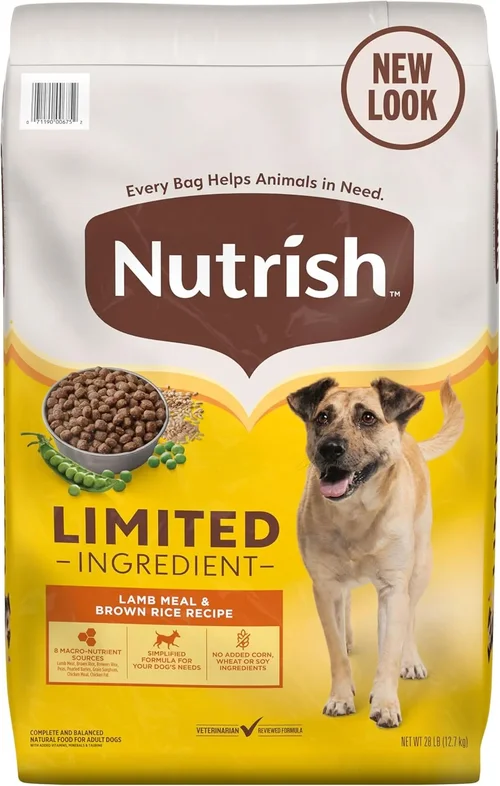
Expert Tips for Getting the Best Deal
- Buy in Bulk During Sales: Major retailers like Chewy, Petco, and Amazon often run seasonal promotions (e.g., Black Friday, Prime Day). Stock up on 3–6 months’ worth of food when prices drop.
- Subscribe and Save: Most online pet stores offer 5–15% off for auto-delivery. This ensures you never run out and locks in savings.
- Check for Rebates and Coupons: Brands like Hill’s and Royal Canin frequently offer mail-in rebates or digital coupons through their websites or vet clinics.
- Compare Unit Prices: Don’t just look at the total bag price—compare cost per pound or per cup. A larger bag may seem expensive but offer better value.
- Ask Your Vet for Samples: Many veterinary offices provide free samples of prescription or therapeutic diets. This lets you test palatability before committing.
- Read Return Policies: Ensure the retailer allows returns if your schnauzer doesn’t like the food. Chewy and Petco have generous return windows.
- Monitor Your Dog’s Response: Keep a food journal noting energy levels, coat condition, stool quality, and appetite. This helps you assess whether the food is truly working.
- Don’t Overfeed: Follow feeding guidelines and adjust based on your dog’s weight and activity. Overfeeding wastes money and contributes to obesity.

Frequently Asked Questions
Q: Can schnauzers eat grain-free food?
A: Yes, but it’s not necessary unless your dog has a diagnosed grain allergy. Most schnauzers tolerate grains like oats and brown rice well. Grain-free diets should be chosen carefully, as they’ve been linked to heart issues in some dogs.
Q: How often should I feed my schnauzer?
A: Adult schnauzers do best with two meals per day to prevent bloat and support digestion. Puppies may need three to four smaller meals until they’re six months old.
Q: Is raw food safe for schnauzers?
A: Raw diets can be nutritious but carry risks like bacterial contamination and nutritional imbalances. If you choose raw, consult a veterinary nutritionist to ensure the diet is complete and safe.
Q: My schnauzer has pancreatitis. What should I feed?
A: Choose a low-fat, highly digestible diet with moderate protein. Veterinary prescription diets like Hill’s i/d or Royal Canin Gastrointestinal Low Fat are often recommended.
Q: Can I mix wet and dry food?
A: Absolutely! Many owners mix wet food with kibble to increase palatability and hydration. Just adjust portions to avoid overfeeding.
Q: How do I know if my schnauzer is allergic to their food?
A: Signs include chronic itching, ear infections, vomiting, or diarrhea. An elimination diet under veterinary supervision can help identify the allergen.
Q: Should I give my schnauzer supplements?
A: If your dog is on a balanced diet, additional supplements may not be needed. However, omega-3s, glucosamine, and probiotics can be beneficial—especially for seniors. Always consult your vet first.
Q: Is it okay to feed my schnauzer human food?
A: Occasional healthy treats like cooked chicken, green beans, or blueberries are fine. Avoid chocolate, grapes, onions, and high-fat foods, which can be toxic or trigger pancreatitis.
Q: How long can I keep an open bag of dog food?
A: Store in a cool, dry place with the bag tightly sealed. Most dry food stays fresh for 6–8 weeks after opening. Use airtight containers to preserve quality.
Q: What’s the best way to transition to a new food?
A: Mix 25% new food with 75% old food for days 1–3, then 50/50 for days 4–6, 75% new for days 7–9, and 100% new by day 10. Monitor for digestive upset.
Our Final Recommendations
- Best for Budget-Conscious Buyers: Wellness Complete Health Small Breed – Offers high-quality protein, digestible grains, and essential supplements at a reasonable price. Great for Miniature Schnauzers.
- Best Overall Value: Taste of the Wild Pacific Stream – Features real salmon, probiotics, and antioxidants. Highly palatable and supports skin, coat, and digestion.
- Best Premium Option: Orijen Original – Biologically appropriate with 85% animal ingredients. Ideal for owners seeking top-tier nutrition and transparency.
- Best for Beginners: Blue Buffalo Life Protection Formula – Widely available, vet-recommended, and formulated with real meat, whole grains, and LifeSource Bits for immune support.
- Best for Advanced Users: The Farmer’s Dog – Fresh, human-grade meals tailored to your schnauzer’s age, weight, and activity level. Requires subscription but offers unmatched customization and quality.
Conclusion: Making the Right Choice
Choosing the best dog food for your schnauzer isn’t just about picking a brand—it’s about understanding your dog’s unique needs and making informed decisions that support their long-term health. From prioritizing high-quality protein and moderate fat to avoiding common pitfalls like grain-free overkill or sudden diet changes, every choice you make impacts your schnauzer’s energy, coat, digestion, and vitality. The market offers more options than ever, but with the right knowledge, you can cut through the marketing noise and find a food that truly nourishes your companion.
Remember, the best diet is one that your schnauzer enjoys, digests well, and thrives on. Don’t be afraid to experiment—within reason—and always consult your veterinarian when in doubt. Whether you opt for a mid-range kibble, a fresh food subscription, or a veterinary prescription diet, the key is consistency, quality, and attentiveness to your dog’s individual response. Your schnauzer depends on you for more than love and walks—they rely on you to feed them well. With this guide in hand, you’re equipped to make that choice with confidence, care, and expertise. Here’s to many happy, healthy years together.