
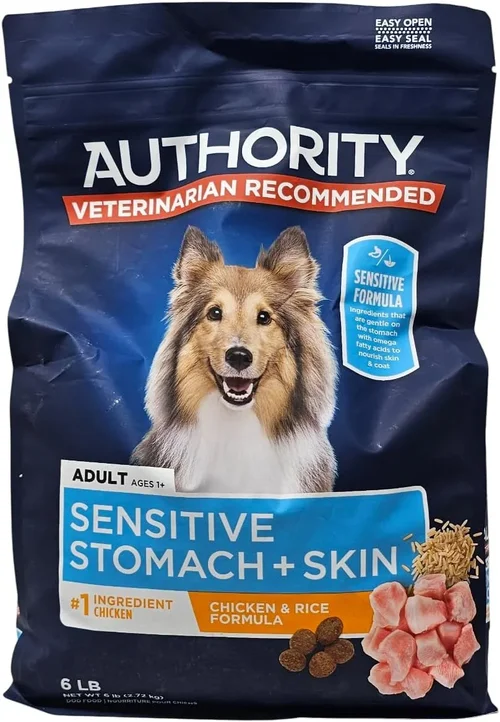
When your dog suffers from a sensitive stomach, mealtime can quickly become a source of stress—not just for your pet, but for you as their caregiver. Digestive upset in dogs—whether it’s chronic diarrhea, vomiting, gas, or irregular bowel movements—can stem from a variety of causes, including food intolerances, allergies, or underlying health conditions. In many cases, the right diet can make all the difference. That’s why choosing the best brand of dog food for sensitive stomachs isn’t just about convenience; it’s about your dog’s long-term health, comfort, and quality of life.
This comprehensive guide is designed to help you navigate the often-confusing world of sensitive stomach dog foods. With hundreds of brands and formulas on the market—each claiming to be “gentle,” “digestive-friendly,” or “hypoallergenic”—it’s easy to feel overwhelmed. Our goal is to cut through the marketing noise and give you the knowledge you need to make an informed decision. You’ll learn what ingredients to look for (and which ones to avoid), how to interpret labels, and how to match your dog’s specific needs to the right type of food—whether that’s limited-ingredient diets, hydrolyzed proteins, or grain-free options.
We’ll also break down key factors like budget, brand reputation, ingredient quality, and transition strategies, so you can confidently choose a food that supports your dog’s digestive health without breaking the bank. Whether you’re dealing with a puppy with a delicate tummy or an older dog with chronic gastrointestinal issues, this guide will equip you with expert-level insights to find the best possible solution. By the end, you’ll not only know which brands are worth considering but also how to evaluate new products as they hit the market in 2026 and beyond.

What to Look for When Buying Dog Food for Sensitive Stomachs
1. High-Quality, Easily Digestible Protein Sources
One of the most critical factors in choosing dog food for a sensitive stomach is the protein source. Dogs with digestive sensitivities often struggle with proteins that are difficult to break down or that trigger immune responses. Look for named, single-source animal proteins such as deboned chicken, turkey meal, or lamb listed as the first ingredient. Avoid vague terms like “meat meal” or “animal by-product meal,” which can include low-quality or inconsistent protein sources.
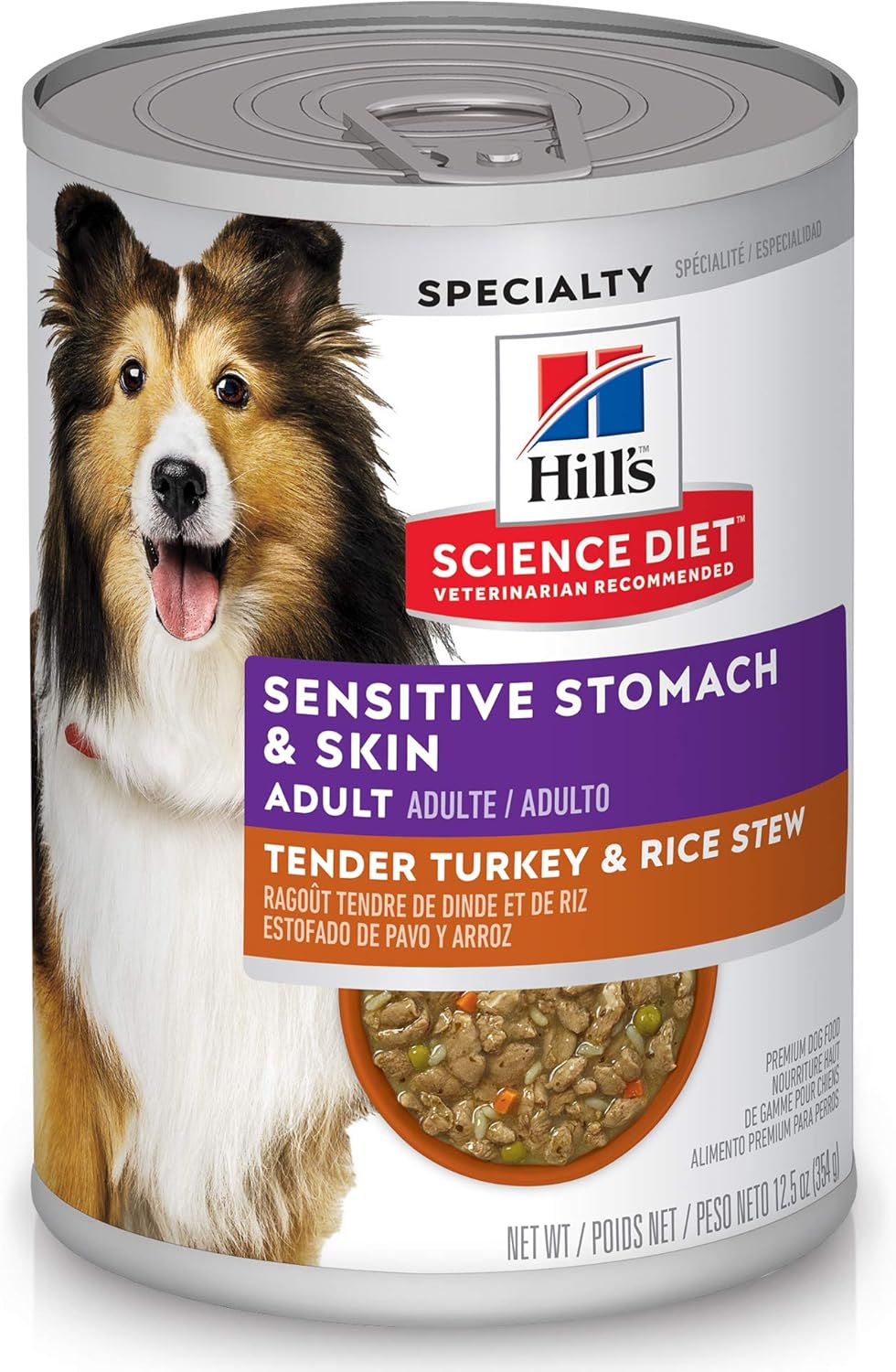
Hydrolyzed proteins are another excellent option. These proteins are broken down into smaller molecules through a process called hydrolysis, making them less likely to trigger allergic reactions. Brands like Royal Canin and Hill’s Science Diet offer hydrolyzed formulas specifically designed for dogs with food sensitivities. Additionally, novel proteins—such as duck, venison, or rabbit—can be beneficial if your dog has developed intolerances to common proteins like beef or chicken.
2. Limited and Simple Ingredient Lists
The fewer ingredients in your dog’s food, the easier it is to identify potential triggers. Dogs with sensitive stomachs benefit from formulas with short, recognizable ingredient lists. Avoid foods with long lists of artificial preservatives, colors, flavors, or fillers like corn syrup, soy, or wheat gluten.
Look for brands that use whole food ingredients such as sweet potatoes, peas, carrots, and brown rice—these provide natural fiber and nutrients without overwhelming the digestive system. A good rule of thumb is to choose a food with no more than 10–15 primary ingredients. This simplicity not only reduces the risk of allergic reactions but also makes it easier to transition between foods if needed.
3. Digestive Enzymes and Probiotics
Digestive enzymes and probiotics are game-changers for dogs with sensitive stomachs. Enzymes like amylase, protease, and lipase help break down carbohydrates, proteins, and fats, making nutrients more accessible and reducing the workload on the digestive tract. Probiotics, such as Lactobacillus and Bifidobacterium strains, support a healthy gut microbiome, which is essential for proper digestion and immune function.
Many premium brands now include these additives in their formulas. For example, Purina Pro Plan Sensitive Skin & Stomach contains live probiotics, while Wellness Simple Limited Ingredient Diets include both probiotics and digestive enzymes. When evaluating a product, check the guaranteed analysis or ingredient panel for mentions of “live and active cultures” or “digestive enzymes.”
4. Grain-Free vs. Grain-Inclusive Options
The debate over grain-free versus grain-inclusive diets continues to evolve. While grain-free foods were once touted as the solution for all digestive issues, recent research has linked certain grain-free diets—especially those high in legumes like peas and lentils—to an increased risk of dilated cardiomyopathy (DCM) in dogs.
That said, some dogs genuinely benefit from grain-free diets, particularly if they have a diagnosed grain allergy (which is actually quite rare). More commonly, dogs are sensitive to specific grains like wheat or corn, which are often used as fillers. In such cases, grain-inclusive diets with easily digestible grains like oats, barley, or quinoa may be a safer and more balanced choice.
Ultimately, the decision should be based on your dog’s individual needs. If your vet suspects a grain allergy, an elimination diet under professional supervision is the best way to determine the right approach.
5. Fiber Content and Type
Fiber plays a crucial role in digestive health, but not all fiber is created equal. Dogs with sensitive stomachs need a balance of soluble and insoluble fiber to regulate bowel movements and support gut motility. Soluble fiber, found in ingredients like pumpkin, beet pulp, and psyllium husk, absorbs water and helps firm up loose stools. Insoluble fiber, such as cellulose, adds bulk and promotes regularity.
Look for foods with moderate fiber levels—typically between 3% and 6% on a dry matter basis. Too much fiber can lead to excessive gas and bloating, while too little may not provide enough digestive support. Ingredients like pumpkin puree (not pie filling) are excellent natural sources of fiber and are often included in sensitive stomach formulas for their gentle effectiveness.
6. Avoidance of Common Allergens and Fillers
Many commercial dog foods contain ingredients that are not only unnecessary but potentially harmful to dogs with sensitive digestive systems. Common culprits include:
- Artificial preservatives: BHA, BHT, and ethoxyquin—linked to health concerns and potential allergic reactions.
- Artificial colors and flavors: Often used for marketing appeal but offer no nutritional value.
- Fillers: Corn, wheat, soy, and rice bran—cheap bulking agents that can be hard to digest.
- By-products: Low-quality animal parts that may include feathers, beaks, or diseased tissues.
Instead, opt for foods preserved with natural alternatives like mixed tocopherols (vitamin E) or rosemary extract. Choose brands that are transparent about their sourcing and manufacturing processes. Reading ingredient labels carefully is one of the most powerful tools you have as a pet owner.
7. Moisture Content and Food Form
The form of your dog’s food—dry kibble, wet canned, or fresh—can significantly impact digestion. Wet food has a higher moisture content (typically 70–80%), which can aid hydration and make food easier to chew and digest, especially for older dogs or those with dental issues. It’s also often more palatable, which can encourage eating in dogs with reduced appetite due to stomach discomfort.
Dry kibble, on the other hand, is convenient, cost-effective, and helps maintain dental health through mechanical abrasion. However, some dogs with sensitive stomachs may find dry food harder to digest, especially if they don’t drink enough water. If you choose kibble, consider soaking it in warm water or low-sodium broth to increase moisture and soften the texture.
Fresh or refrigerated dog foods, such as those from The Farmer’s Dog or Nom Nom, offer another option. These diets are minimally processed, made with human-grade ingredients, and often tailored to individual needs. While more expensive, they can be ideal for dogs with severe sensitivities.
8. Brand Transparency and Manufacturing Standards
Not all dog food brands are created equal when it comes to quality control and transparency. Look for companies that provide detailed information about their sourcing, manufacturing facilities, and testing procedures. Reputable brands will often publish feeding trials, ingredient traceability reports, and third-party certifications (such as AAFCO compliance or NASC membership).
Avoid brands that use vague language or make unsubstantiated claims like “all-natural” or “holistic” without backing them up with evidence. Instead, prioritize brands that are open about their supply chain and conduct regular safety testing for contaminants like heavy metals, aflatoxins, and salmonella.
Different Types of Dog Food for Sensitive Stomachs
Common Buying Mistakes to Avoid
❌ Mistake: Choosing Based on Marketing Claims Alone
Why it’s bad: Phrases like “sensitive stomach formula” or “digestive care” are often used as marketing tools and don’t guarantee the food is appropriate for your dog. Many such products still contain common allergens or fillers.
What to do instead: Always read the ingredient list and guaranteed analysis. Look for specific beneficial components like probiotics, named proteins, and digestible carbohydrates. Use marketing claims as a starting point, not the deciding factor.
❌ Mistake: Switching Foods Too Quickly
Why it’s bad: Abruptly changing your dog’s diet can cause digestive upset, even if the new food is better suited to their needs. Sudden switches may lead to vomiting, diarrhea, or refusal to eat.
What to do instead: Transition gradually over 7–10 days. Start by mixing 25% new food with 75% old food, increasing the proportion every few days until the switch is complete. Monitor your dog’s stool and energy levels throughout.
❌ Mistake: Ignoring Your Dog’s Age, Size, and Activity Level
Why it’s bad: A food formulated for a senior small breed may not meet the nutritional needs of a large, active puppy. Age, size, and energy requirements all influence the ideal diet.
What to do instead: Choose a food that matches your dog’s life stage and breed size. Look for labels that specify “for adult maintenance,” “puppy growth,” or “large breed.” Consult your vet if you’re unsure.
❌ Mistake: Overlooking the Importance of Water Intake
Why it’s bad: Even the best food won’t help if your dog is dehydrated. Low water intake can worsen constipation and make digestion more difficult, especially with dry kibble.
What to do instead: Ensure fresh water is always available. Consider adding water or low-sodium broth to kibble, or switch to wet food if hydration is a concern. Monitor water consumption daily.
❌ Mistake: Assuming All “Natural” or “Organic” Foods Are Better
Why it’s bad: “Natural” and “organic” labels don’t necessarily mean the food is easier to digest or free from allergens. Some organic ingredients can still be hard on sensitive stomachs.
What to do instead: Focus on ingredient quality and digestibility rather than certifications. A food with simple, high-quality ingredients is often better than a complex organic formula with multiple potential irritants.
❌ Mistake: Not Consulting a Veterinarian
Why it’s bad: Persistent digestive issues can be symptoms of underlying health problems like inflammatory bowel disease (IBD), parasites, or pancreatitis. Treating with diet alone may delay proper diagnosis.
What to do instead: If your dog has chronic vomiting, diarrhea, weight loss, or lethargy, see your vet before changing food. They may recommend diagnostic tests or a prescription diet.
❌ Mistake: Sticking to One Brand Indefinitely Without Reassessment
Why it’s bad: Your dog’s needs can change over time due to age, health, or environmental factors. A food that worked at age 2 may not be ideal at age 8.
What to do instead: Reevaluate your dog’s diet annually or whenever you notice changes in digestion, coat, energy, or weight. Stay open to trying new formulas as your dog ages.
Budget Guidelines: How Much Should You Spend?
Choosing the right dog food for a sensitive stomach doesn’t have to mean breaking the bank. However, it’s important to understand what you’re getting at different price points. Here’s a breakdown of what to expect across budget tiers:
- Entry-Level ($1.50–$2.50/lb): These foods often use lower-quality proteins and may include fillers like corn or soy. While some budget brands offer decent options, they rarely include probiotics or digestive enzymes. Look for store brands from reputable retailers (e.g., Kirkland Signature, which is manufactured by Diamond) that meet AAFCO standards.
- Mid-Range ($2.50–$4.00/lb): This is the sweet spot for most dog owners. Brands like Blue Buffalo Basics, Wellness Simple, and Purina Pro Plan offer high-quality ingredients, limited formulas, and added digestive support. You’ll find named proteins, digestible grains, and often probiotics—all at a reasonable price.
- Premium ($4.00–$6.00/lb): These diets use human-grade or minimally processed ingredients and often include novel proteins, hydrolyzed formulas, or fresh components. Brands like Hill’s Science Diet, Royal Canin, and Nutro Ultra fall into this category. Ideal for dogs with moderate to severe sensitivities.
- Luxury ($6.00+/lb): Top-tier options include fresh, refrigerated, or custom-formulated diets from companies like The Farmer’s Dog, Nom Nom, or JustFoodForDogs. These are ideal for dogs with complex health needs or owners seeking the highest level of ingredient transparency and customization. While expensive, they can be life-changing for dogs with chronic digestive issues.

Expert Tips for Getting the Best Deal
- Buy During Seasonal Sales: Major pet retailers like Chewy, Petco, and Amazon often run discounts during holidays (e.g., Black Friday, Prime Day) or seasonal transitions. Sign up for newsletters to get early alerts.
- Compare Online vs. In-Store Prices: Online retailers typically offer better prices and a wider selection. However, in-store pickup can save on shipping fees. Use price comparison tools or apps to find the best deal.
- Look for Manufacturer Rebates and Coupons: Brands like Hill’s, Purina, and Royal Canin frequently offer mail-in rebates or digital coupons on their websites. These can reduce the cost of prescription or premium diets significantly.
- Check Return Policies: Some retailers allow returns on unopened bags, which is helpful if your dog doesn’t tolerate the food. Chewy, for example, has a generous return policy even for opened bags if the product doesn’t agree with your pet.
- Test Small Bags First: Before committing to a large bag, buy a smaller size (if available) to test your dog’s tolerance. Many brands offer 4–6 lb trial bags.
- Consider Subscription Services: Fresh food companies like The Farmer’s Dog offer subscription models with discounts for long-term commitments. These can be cost-effective if your dog thrives on the diet.
- Ask Your Vet About Samples: Many veterinary offices receive samples of prescription or therapeutic diets. Ask if they have any available for trial use.
- Join Loyalty Programs: Pet stores like PetSmart and Petco offer rewards programs that give you points for purchases, which can be redeemed for discounts or free products.

Frequently Asked Questions
Q: How long does it take to see improvement after switching to a sensitive stomach diet?
A: Most dogs show improvement within 1–2 weeks, but it can take up to 4–6 weeks for full digestive stabilization. Be patient and consistent with the transition. If symptoms persist beyond 6 weeks, consult your veterinarian.
Q: Can I make homemade food for my dog with a sensitive stomach?
A: Yes, but it requires careful planning to ensure nutritional balance. Homemade diets should be formulated with the help of a veterinary nutritionist to avoid deficiencies. Common recipes include boiled chicken, rice, and pumpkin, but long-term feeding requires supplementation.
Q: Is grain-free food always better for sensitive stomachs?
A: Not necessarily. While some dogs benefit from grain-free diets, most do not have grain allergies. In fact, grains like oats and barley can be highly digestible and provide beneficial fiber. Focus on ingredient quality rather than grain content alone.
Q: Should I avoid all treats if my dog has a sensitive stomach?
A: Not all treats are off-limits, but choose them carefully. Opt for single-ingredient treats like freeze-dried liver or limited-ingredient biscuits. Avoid treats with artificial additives or common allergens. You can also use small pieces of the new food as training rewards.
Q: Can probiotics help my dog’s sensitive stomach?
A: Yes, probiotics can support gut health by promoting beneficial bacteria. Look for dog-specific probiotic supplements or foods that include live cultures. Always choose products with documented strains and colony-forming units (CFUs).
Q: What if my dog refuses to eat the new food?
A: Try warming the food slightly or adding a small amount of low-sodium broth to enhance aroma. Mix in a spoonful of wet food or plain cooked meat to encourage eating. If refusal continues for more than 24–48 hours, consult your vet.
Q: Are prescription diets worth the cost?
A: Prescription diets are formulated for specific medical conditions and are often necessary for dogs with chronic issues like IBD or pancreatitis. While expensive, they are backed by clinical research and should be used under veterinary guidance.
Q: Can puppies have sensitive stomachs?
A: Yes, puppies can be born with or develop digestive sensitivities. Choose a puppy-specific sensitive stomach formula with appropriate calcium-to-phosphorus ratios and DHA for brain development. Avoid adult formulas, which may not meet growth needs.
Q: How do I know if my dog has a food allergy vs. intolerance?
A: Food allergies typically involve skin symptoms (itching, ear infections) and may take months to develop. Intolerances usually cause digestive issues (vomiting, diarrhea) and appear shortly after eating. An elimination diet under veterinary supervision is the best way to diagnose either.
Our Final Recommendations
- Best for Budget-Conscious Buyers: Purina Pro Plan Sensitive Skin & Stomach (Salmon & Rice) – Offers high-quality protein, probiotics, and digestible carbohydrates at an affordable price. Widely available and backed by extensive research.
- Best Overall Value: Wellness Simple Limited Ingredient Diet (Lamb & Oatmeal) – Combines simplicity, quality ingredients, and digestive support. Includes probiotics and avoids common allergens. Great for dogs with mild to moderate sensitivities.
- Best Premium Option: Royal Canin Veterinary Diet Hydrolyzed Protein – Ideal for dogs with severe food allergies. Hydrolyzed soy protein minimizes immune reactions. Requires a vet prescription but is highly effective.
- Best for Beginners: Blue Buffalo Basics Limited Ingredient Diet (Turkey & Potato) – Easy to find, affordable, and formulated with a single protein and carbohydrate source. Great starting point for dogs new to sensitive stomach diets.
- Best for Advanced Users: The Farmer’s Dog Fresh Beef Recipe – Customized, human-grade, and delivered fresh. Perfect for owners willing to invest in top-tier nutrition and convenience. Requires subscription but offers unparalleled quality.
Conclusion: Making the Right Choice
Choosing the best dog food for a sensitive stomach is not a one-size-fits-all decision. It requires careful consideration of your dog’s unique needs, health history, and lifestyle. By focusing on high-quality proteins, limited ingredients, digestive support, and brand transparency, you can significantly improve your dog’s comfort and well-being.
Remember, the right food is just one piece of the puzzle. Regular veterinary check-ups, proper hydration, and a consistent feeding routine are equally important. Don’t be afraid to experiment—within reason—and always monitor your dog’s response to dietary changes.
Ultimately, the goal is to find a food that keeps your dog happy, healthy, and free from digestive distress. With the knowledge and tools provided in this guide, you’re now equipped to make a confident, informed choice. Your dog’s stomach—and your peace of mind—will thank you.