

If you’re a dog parent, nothing hurts more than watching your furry companion suffer from itchy skin, constant ear infections, digestive upset, or chronic paw licking—especially when you know it could be linked to their diet. Food allergies in dogs are more common than many realize, affecting up to 10% of all canines at some point in their lives. While premium hypoallergenic dog foods can run $80 or more per bag, not every pet owner has the budget for high-end formulas. That’s why finding the best budget dog food for allergies isn’t just about saving money—it’s about ensuring your dog gets relief without breaking the bank.
This comprehensive buying guide is designed to help you navigate the often confusing world of affordable allergy-friendly dog food. Whether your pup reacts to chicken, grains, beef, or artificial additives, we’ll walk you through what truly matters when selecting a cost-effective yet safe and nutritious option. You’ll learn how to decode ingredient labels, understand different types of hypoallergenic formulas, avoid common pitfalls, and make informed decisions that prioritize both your dog’s health and your household budget. By the end of this guide, you’ll have a clear roadmap to choose a quality food that soothes sensitivities without sacrificing nutrition.
The market for budget-friendly allergy dog food has evolved significantly in recent years. Major brands like Purina, Hill’s Science Diet, and Royal Canin now offer mid-tier options under $50 per 20–30 lb bag, while private-label retailers (like Chewy’s “Good Lovin’” or Walmart’s “Pure Balance”) provide even more affordable alternatives. At the same time, newer natural brands are entering the space with limited-ingredient, grain-free, or novel protein formulas at surprisingly accessible price points. However, not all “budget” foods are created equal—some cut corners with fillers, by-products, or hidden allergens. Our goal is to help you separate marketing hype from genuine value so you can confidently feed your dog a diet that supports healing, not harm.

What to Look for When Buying Budget Dog Food for Allergies
1. Limited Ingredient Formulas
When dealing with food allergies, simplicity is key. Limited ingredient diets (LIDs) contain fewer components—typically one novel protein source and one carbohydrate—to minimize the chance of triggering an immune response. Look for foods with 8–10 ingredients or fewer, and avoid those listing multiple protein sources (e.g., “chicken meal, lamb meal, fish meal”) in the top five ingredients. Novel proteins like duck, venison, salmon, or kangaroo are ideal because your dog likely hasn’t been exposed to them before, reducing the risk of an allergic reaction. Similarly, single-carb sources such as sweet potato, pea, or chickpea are easier to digest and less likely to cause issues than corn, wheat, or soy.
2. Protein Source & Quality
The protein in your dog’s food should be clearly named and identifiable—not vague terms like “meat meal” or “animal digest.” High-quality animal proteins (e.g., deboned turkey, lamb meal, salmon) listed as the first ingredient indicate better nutritional value and digestibility. For dogs with allergies, novel or hydrolyzed proteins are often recommended. Hydrolyzed proteins are broken down into tiny molecules that the immune system doesn’t recognize as threats, making them ideal for severe cases. While hydrolyzed diets tend to be pricier, some budget brands now offer partially hydrolyzed options or use single-source proteins effectively. Avoid foods with unnamed “by-product meals” or excessive plant-based proteins (like soy or corn gluten meal), which can be harder to digest and may trigger sensitivities.
3. Grain-Free vs. Grain-Inclusive Options
Contrary to popular belief, true grain allergies in dogs are relatively rare—only about 1–3% of canine food allergies involve grains. Most reactions are actually to common proteins like chicken, beef, or dairy. That said, grain-free diets can still be beneficial for some dogs, especially if they have concurrent sensitivities to wheat, corn, or soy. However, grain-free doesn’t automatically mean “better” or “healthier.” Some grain-free formulas replace grains with legumes (like peas or lentils), which have been linked to potential heart concerns (DCM) in certain breeds. If your dog tolerates grains well, consider grain-inclusive options with easily digestible carbs like oatmeal, barley, or brown rice—they’re often cheaper and equally nutritious. The key is matching the formula to your dog’s specific sensitivities, not following trends.
4. Artificial Additives & Preservatives
Artificial colors, flavors, and preservatives (like BHA, BHT, and ethoxyquin) are common culprits behind allergic reactions and behavioral changes in sensitive dogs. These synthetic additives serve no nutritional purpose and can exacerbate skin irritation, gastrointestinal upset, or hyperactivity. Opt for foods preserved naturally with mixed tocopherols (vitamin E) or rosemary extract. Also, avoid foods with added sugar, corn syrup, or artificial sweeteners like xylitol (which is toxic to dogs). Reading the ingredient list carefully is essential—even “natural” or “holistic” brands may include questionable additives. When in doubt, choose products certified by third-party organizations like AAFCO (Association of American Feed Control Officials) for safety and nutritional adequacy.
5. Digestibility & Gut Health Support
Allergic dogs often suffer from poor digestion, leading to gas, diarrhea, or loose stools. Look for formulas that include prebiotics (like chicory root or FOS/MOS) and probiotics to support a healthy gut microbiome. Highly digestible proteins and carbohydrates also reduce the workload on your dog’s digestive system, allowing nutrients to be absorbed more efficiently. Foods with added fiber (such as pumpkin or beet pulp) can help regulate bowel movements, while omega-3 fatty acids (from fish oil or flaxseed) reduce inflammation in the gut and skin. Avoid excessive fillers like cellulose or peanut hulls, which offer little nutritional value and can irritate sensitive stomachs.
6. Brand Transparency & Manufacturing Practices
Not all budget brands are transparent about where and how their food is made. Reputable companies will disclose their manufacturing facilities, sourcing practices, and quality control measures. Look for brands that conduct regular testing for contaminants (like aflatoxins or heavy metals) and provide batch-specific nutritional analysis upon request. Avoid ultra-cheap store brands that don’t list a customer service number or manufacturing location. Brands that invest in veterinary nutritionists or partner with independent labs for testing are more likely to produce consistent, safe products. Even within budget ranges, you can find companies committed to ethical sourcing and rigorous standards—don’t assume low cost equals low quality.
7. Price Per Pound & Value Assessment
While upfront cost matters, true value lies in price per pound and how much your dog actually eats. A $30 bag of food may seem cheap, but if your dog needs to eat twice as much due to low digestibility, you’re not saving money. Calculate the cost per pound and consider feeding guidelines based on your dog’s weight. Also, factor in long-term health outcomes: a slightly higher-priced food that reduces vet visits for allergy flare-ups may save you hundreds over time. Compare similar-sized bags across brands and look for bulk discounts or subscription savings (many online retailers offer 10–15% off recurring orders). Remember, the cheapest option isn’t always the most economical—focus on nutrient density and your dog’s individual needs.
8. Veterinarian Recommendations & Clinical Evidence
Just because a food is labeled “for sensitive skin” or “hypoallergenic” doesn’t mean it’s scientifically proven to work. Look for brands that have undergone clinical trials or are recommended by veterinary dermatologists. Some budget-friendly options, like Hill’s Science Diet Sensitive Stomach & Skin or Purina Pro Plan Sensitive Skin & Stomach, are formulated with input from board-certified veterinary nutritionists and backed by peer-reviewed research. These foods may cost a bit more than generic store brands but offer greater reliability. If your dog has a confirmed food allergy (diagnosed via elimination diet), your vet may prescribe a therapeutic diet—but many over-the-counter options now mimic these formulas at a fraction of the cost.
Different Types of Budget Dog Food for Allergies

Common Buying Mistakes to Avoid
❌ Mistake: Assuming “Grain-Free” Equals “Allergy-Friendly”
Why it’s bad: Many pet owners switch to grain-free food thinking it will solve their dog’s allergies, only to find symptoms persist or worsen. As mentioned earlier, true grain allergies are rare—most reactions are to proteins or additives. Grain-free diets may also contain high levels of legumes, which can be problematic for some dogs and have been associated with dilated cardiomyopathy (DCM) in certain breeds.
What to do instead: Focus on identifying your dog’s specific allergen through an elimination diet (under vet supervision). Choose a food based on the actual trigger, not marketing labels. If grains aren’t the issue, a grain-inclusive diet with a novel protein may work better and cost less.
❌ Mistake: Ignoring the Full Ingredient List
Why it’s bad: Front-of-bag claims like “made with real salmon” or “no chicken” can be misleading. The ingredient list reveals the full truth—some foods include chicken fat, egg, or beef broth even if they claim to be “chicken-free.” These hidden allergens can sabotage your efforts to manage your dog’s sensitivities.
What to do instead: Always read the complete ingredient list, not just the marketing highlights. Cross-reference any suspected allergens and look for transparency in sourcing. When in doubt, contact the manufacturer for clarification.
❌ Mistake: Switching Foods Too Quickly
Why it’s bad: Introducing a new food abruptly can cause digestive upset, even if it’s hypoallergenic. More importantly, it takes 8–12 weeks on a consistent elimination diet to accurately assess whether a food is working. Switching too soon leads to confusion and wasted money.
What to do instead: Transition gradually over 7–10 days, mixing increasing amounts of the new food with the old. Once fully switched, stick with it for at least 10–12 weeks before evaluating results. Keep a symptom journal to track changes in itching, stool quality, energy, and coat condition.
❌ Mistake: Overlooking Treats and Table Scraps
Why it’s bad: Even the best hypoallergenic diet can fail if your dog is eating allergenic treats, flavored medications, or human food. Common culprits include milk bones, rawhide (often bleached or chemically treated), and peanut butter with added sugar or xylitol.
What to do instead: Use hypoallergenic treats made with the same novel protein as your dog’s food (e.g., duck or venison). Avoid all human food during an elimination trial. Check medication labels—some liquid antibiotics or supplements contain flavorings that may trigger reactions.
❌ Mistake: Choosing Based Solely on Price
Why it’s bad: The cheapest dog food often contains low-quality proteins, excessive fillers, and artificial preservatives—all of which can worsen allergies. While budget is important, prioritizing cost over quality may lead to higher vet bills and prolonged suffering.
What to do instead: Balance affordability with nutritional integrity. Look for mid-tier brands that offer good value without cutting corners. Consider the long-term cost of managing chronic symptoms versus investing in a slightly pricier but effective formula.
❌ Mistake: Not Consulting a Veterinarian
Why it’s bad: Food allergies can mimic other conditions like environmental allergies, parasites, or infections. Self-diagnosing and treating without professional guidance may delay proper care and lead to unnecessary dietary changes.
What to do instead: Schedule a vet visit to rule out non-food causes and confirm a food allergy diagnosis. Your vet can guide you through a proper elimination diet and recommend trusted budget-friendly options. Some vets even offer in-house hypoallergenic formulas at competitive prices.
❌ Mistake: Expecting Immediate Results
Why it’s bad: Allergy symptoms don’t disappear overnight. Skin conditions, in particular, can take weeks to improve as the body heals from inflammation. Impatience may lead owners to switch foods prematurely or assume the diet isn’t working.
What to do instead: Be patient and consistent. Track progress weekly and celebrate small improvements—less scratching, better sleep, firmer stools. Remember, healing takes time, and the right food is part of a broader management plan that may include medicated shampoos, omega supplements, or antihistamines.
Budget Guidelines: How Much Should You Spend?
When it comes to budget dog food for allergies, price doesn’t always correlate with effectiveness—but it does reflect ingredient quality, manufacturing standards, and nutritional research. Here’s a realistic breakdown of what to expect at different price points:
Entry-Level ($15–$25 per 20–30 lb bag): This tier includes store-brand hypoallergenic formulas (like Walmart’s Pure Balance or Target’s Boots & Barkley). While affordable and widely available, these foods often use lower-quality protein meals, may include unnamed by-products, and lack advanced digestive support. Best for dogs with mild sensitivities or as a short-term trial—but monitor closely for adverse reactions.
Mid-Range ($25–$40 per 20–30 lb bag): This is the sweet spot for most budget-conscious owners. Brands like Purina ONE Sensitive Stomach, Iams ProActive Health Sensitive, and Blue Buffalo Basics Limited Ingredient offer named proteins, grain-free or grain-inclusive options, and added probiotics or omega fatty acids. These foods strike a balance between cost and quality, making them ideal for long-term feeding of dogs with moderate allergies.
Premium ($40–$60 per 20–30 lb bag): At this level, you’ll find scientifically formulated diets from reputable brands like Hill’s Science Diet, Royal Canin, and Wellness Simple. These often include hydrolyzed proteins, veterinary oversight, and extensive clinical testing. While pricier, they’re highly effective for dogs with severe or multiple allergies and may reduce the need for additional treatments.
Luxury ($60+ per 20–30 lb bag): Reserved for prescription-grade or boutique natural brands, this tier offers ultra-clean ingredients, organic sourcing, and innovative formulations (like insect protein or air-dried raw). While excellent for extreme cases, they’re often overkill for budget-focused buyers—unless your dog has failed all other options.

Expert Tips for Getting the Best Deal
Finding affordable allergy-friendly dog food doesn’t mean settling for inferior quality. With smart shopping strategies, you can feed your dog well without overspending. Here are proven tips from veterinarians, pet nutritionists, and seasoned dog owners:
1. Buy in Bulk During Sales: Stock up when major retailers run promotions—especially in January (post-holiday clearance) and November (Black Friday). Many brands discount end-of-year inventory, so you can save 20–30% on large bags.
2. Use Subscription Services: Chewy, Amazon Subscribe & Save, and Petco’s Repeat Delivery offer recurring discounts and free shipping. Set reminders to pause or cancel if your dog’s needs change.
3. Compare Price Per Pound, Not Total Bag Cost: A $50 bag may seem expensive, but if it’s 30 lbs and your dog eats 2 lbs/week, it lasts 15 weeks. A $30 bag that’s only 15 lbs lasts half as long. Always calculate cost per pound.
4. Check for Manufacturer Rebates: Brands like Hill’s and Purina often run mail-in rebates or digital coupons through their websites. These can knock $5–$15 off per bag.
5. Consider Store Brands with Vet Approval: Some private-label lines (e.g., Chewy’s “Good Lovin’ Limited Ingredient”) are formulated with input from veterinary nutritionists and cost 30–40% less than name brands.
6. Ask Your Vet About Samples: Many clinics keep sample sizes of hypoallergenic diets. Try a small amount before committing to a full bag—especially important if your dog has a history of rejecting new foods.
7. Read Return Policies: Ensure the retailer accepts returns if your dog doesn’t tolerate the food. Chewy and Petco have generous return windows, while some discount stores do not.
8. Join Breed or Allergy Support Groups: Online communities (Facebook, Reddit) often share exclusive promo codes, group-buy deals, or insider tips on upcoming sales.

Frequently Asked Questions
Q: How do I know if my dog has a food allergy?
A: Common signs include chronic itching (especially around ears, paws, and belly), recurrent ear or skin infections, gastrointestinal issues (vomiting, diarrhea, gas), and excessive licking. Unlike environmental allergies (which worsen seasonally), food allergies persist year-round. A vet can help confirm the diagnosis through an elimination diet—feeding a novel protein and carb for 8–12 weeks while avoiding all other foods, treats, and flavored medications.
Q: Can I make homemade hypoallergenic dog food on a budget?
A: Yes, but it requires careful planning to ensure balanced nutrition. Simple recipes using boiled duck and sweet potato or rabbit and quinoa can be cost-effective if sourced in bulk. However, homemade diets often lack essential vitamins and minerals unless supplemented. Consult a veterinary nutritionist to formulate a complete recipe—otherwise, you risk deficiencies or imbalances.
Q: Is grain-free dog food safer for allergic dogs?
A: Not necessarily. While grain-free eliminates wheat, corn, and soy (common irritants), it doesn’t address protein allergies, which are far more prevalent. Additionally, some grain-free diets use legumes linked to heart concerns. Choose based on your dog’s specific triggers, not trends.
Q: How long does it take to see improvement after switching foods?
A: Digestive symptoms (like diarrhea) may improve within days, but skin and coat issues typically take 8–12 weeks. Be patient and consistent—don’t switch foods prematurely. Keep a journal to track changes in behavior, stool, itching, and energy levels.
Q: Can puppies with allergies eat the same budget foods as adult dogs?
A: Only if the food is labeled for “all life stages” or “growth.” Puppies have higher protein and calorie needs. Look for budget LID formulas specifically formulated for puppies, such as Blue Buffalo Basics Puppy or Purina Pro Plan Puppy Sensitive Skin.
Q: Are raw or freeze-dried diets a good budget option for allergies?
A: Generally no—they’re among the most expensive feeding methods and require careful handling to avoid bacterial contamination. While some dogs thrive on raw, it’s not practical or safe for most budget-conscious households. Stick to high-quality kibble or gently cooked options.
Q: What if my dog doesn’t like the new food?
A: Transition slowly over 7–10 days, mixing increasing amounts of the new food with the old. You can also warm the food slightly or add a small amount of low-sodium bone broth (ensure it’s onion- and garlic-free). Avoid frequent switching, as it can confuse your dog and worsen digestive issues.
Q: Can I rotate proteins to prevent new allergies?
A: Protein rotation is controversial. While some holistic vets support it, mainstream veterinary medicine recommends sticking to one novel protein during an elimination trial to accurately identify triggers. Once stable, limited rotation (every 4–6 months) may be safe, but consult your vet first.
Q: Are there any budget-friendly supplements that help with allergies?
A: Yes! Omega-3 fatty acids (from fish oil) reduce inflammation and improve skin health. Look for affordable liquid or soft chew options with at least 300 mg EPA/DHA per dose. Probiotics (like FortiFlora) support gut health and can be added to any food. Always choose vet-recommended brands to ensure purity and potency.
Our Final Recommendations
After extensive research and consultation with veterinary professionals, here are our top picks for budget-friendly dog food that effectively manages allergies:
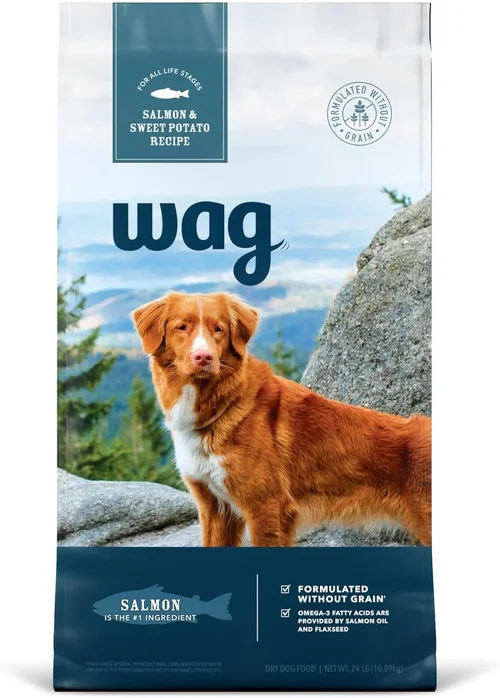
Best for Budget-Conscious Buyers: Pure Balance Limited Ingredient Diet (Walmart) – At under $20 for a 20 lb bag, this grain-free formula features real salmon as the first ingredient, no artificial additives, and added vitamins. Ideal for mild sensitivities and short-term trials.
Best Overall Value: Purina Pro Plan Sensitive Skin & Stomach (Salmon & Rice) – Priced around $35 for 30 lbs, this vet-trusted formula includes probiotics, omega-6 fatty acids, and highly digestible ingredients. Backed by decades of research and widely available.
Best Premium Option (Under $50): Hill’s Science Diet Sensitive Stomach & Skin – At $45–$50 per 25 lb bag, it offers hydrolyzed protein technology, prebiotic fiber, and clinically proven results. A step below prescription diets but far more affordable.
Best for Beginners: Blue Buffalo Basics Limited Ingredient Diet (Turkey & Potato) – Easy to find, clearly labeled, and free from common allergens. Great for first-time switchers due to its gentle formula and strong customer support.
Best for Advanced Users (Multiple Allergies): Royal Canin Veterinary Diet Hydrolyzed Protein HP – While slightly above typical “budget” range ($55–$60), it’s one of the most effective over-the-counter hydrolyzed options. Often recommended by vets for complex cases.
Conclusion: Making the Right Choice
Choosing the best budget dog food for allergies is about more than just saving money—it’s about giving your dog a chance to thrive without unnecessary suffering. By focusing on limited ingredients, high-quality proteins, and transparent labeling, you can find affordable options that truly support your pet’s health. Avoid the pitfalls of marketing gimmicks, hidden allergens, and impatience, and instead adopt a methodical, informed approach.
Remember, every dog is unique. What works for one may not work for another. Start with a clear understanding of your dog’s symptoms, consult your veterinarian, and commit to a full elimination trial before judging a food’s effectiveness. With the right knowledge and a bit of patience, you can provide your furry friend with relief, comfort, and delicious meals—all while staying within your budget.
Your dog deserves to feel their best. Don’t let cost stand in the way of their well-being. Use this guide as your roadmap, trust your instincts, and take that first step toward a happier, healthier life together.