
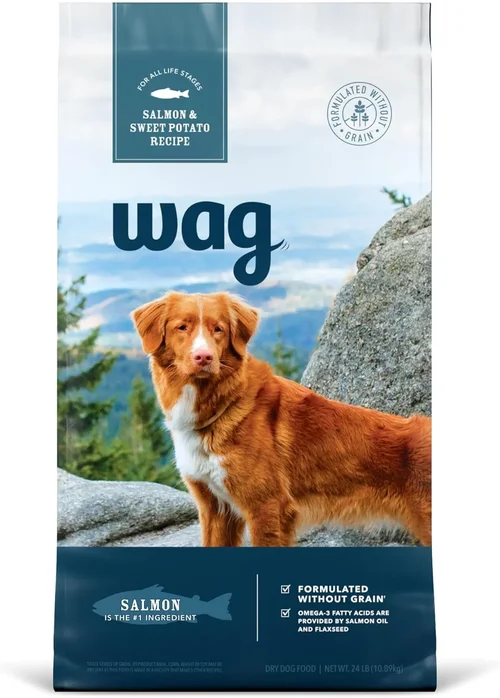
When it comes to feeding your German Shepherd, the decision is about more than just filling a bowl—it’s about fueling a large, active, and intelligent breed with the nutrition they need to thrive. German Shepherds are known for their loyalty, athleticism, and versatility, whether they’re working as service dogs, competing in agility trials, or simply being the beloved family guardian. But with their size and energy demands comes a higher food requirement, which can quickly strain your monthly budget if you’re not careful. That’s why finding the best budget dog food for German Shepherds isn’t just a smart financial move—it’s essential for long-term health and happiness.
This comprehensive buying guide is designed to help you navigate the crowded pet food market with confidence. Whether you’re a first-time German Shepherd owner or a seasoned handler looking to cut costs without compromising quality, this guide will equip you with everything you need to make an informed decision. We’ll break down the key nutritional needs of German Shepherds, explain what to look for in affordable dog food, compare different types of budget-friendly options, and highlight common pitfalls to avoid. By the end, you’ll know exactly how to balance cost, quality, and canine well-being.
The market for budget dog food has evolved significantly in recent years. Gone are the days when “cheap” automatically meant “low-quality.” Today, several reputable brands offer nutritionally balanced formulas at accessible price points, often leveraging direct-to-consumer models, bulk packaging, or streamlined ingredient sourcing to keep costs down. However, not all budget options are created equal. Some cut corners with fillers and artificial additives, while others prioritize real meat, joint support, and digestive health—even at lower price tags. Our goal is to help you distinguish between the two, so you can feed your German Shepherd well without overspending.

What to Look for When Buying Budget Dog Food for German Shepherds
1. High-Quality Protein as the First Ingredient
Protein is the cornerstone of any dog’s diet, but it’s especially critical for large breeds like German Shepherds. These dogs have high muscle mass and energy needs, requiring a diet rich in animal-based protein to support growth, repair, and sustained activity. When evaluating budget dog food, always check the ingredient list: the first ingredient should be a named meat source such as chicken, beef, lamb, or fish—not a by-product, meal, or vague term like “meat.”
Look for foods where real meat (e.g., “chicken” or “deboned turkey”) appears before grains or fillers. While meat meals (like “chicken meal”) are also acceptable and often more concentrated in protein, they should still be clearly identified and not listed as “meat meal” or “animal digest.” A good rule of thumb is that the first two ingredients should ideally be animal proteins. For German Shepherds, aim for a minimum of 22–26% protein content in adult formulas, and 26–30% for puppies or highly active adults.
2. Balanced Fat Content for Energy and Coat Health
Fat is another essential macronutrient, providing concentrated energy and supporting skin and coat health—both important for German Shepherds, who are prone to dry skin and shedding. Look for dog foods with fat sources like chicken fat, fish oil, or flaxseed, which also supply omega-3 and omega-6 fatty acids. These fatty acids help reduce inflammation, support brain function, and give your dog a shiny, healthy coat.
For adult German Shepherds, a fat content of 10–15% is ideal. Puppies and working dogs may benefit from slightly higher levels (up to 18%). Avoid foods with excessive fat, which can lead to obesity—a common issue in large breeds. Also, steer clear of vague fat sources like “animal fat” or “poultry fat,” which may come from low-quality or unspecified sources.
3. Joint Support Ingredients (Glucosamine & Chondroitin)
German Shepherds are genetically predisposed to joint issues, particularly hip and elbow dysplasia. While genetics play a role, diet can significantly influence joint health over time. Budget dog foods that include glucosamine and chondroitin—natural compounds that support cartilage health—can help reduce the risk of arthritis and improve mobility as your dog ages.
These ingredients are often found in foods that use chicken by-products or include green-lipped mussel, a natural source of joint-supporting compounds. While premium brands may highlight these additives, several budget-friendly options now include them as well. When comparing products, look for at least 300–500 mg of glucosamine per kilogram of food. This is a small investment that can pay big dividends in your dog’s long-term comfort and activity level.
4. Digestive Health and Probiotics
German Shepherds can be sensitive eaters, with some prone to gas, bloating, or loose stools. A diet that supports digestive health is crucial. Look for budget dog foods that include probiotics—live beneficial bacteria that aid digestion and boost immunity. These are often listed as “dried fermentation products” or specific strains like Lactobacillus acidophilus.
Additionally, easily digestible carbohydrates like sweet potatoes, brown rice, or oatmeal are preferable to corn, wheat, or soy, which can be harder to digest and may trigger allergies. Fiber content should be moderate (around 3–5%) to support regular bowel movements without causing excess bulk. Some budget brands now include prebiotic fibers like beet pulp or chicory root, which feed good gut bacteria and improve nutrient absorption.
5. No Artificial Additives or Fillers
One of the biggest red flags in budget dog food is the use of artificial preservatives, colors, and flavors. Ingredients like BHA, BHT, ethoxyquin, and artificial dyes (e.g., Red 40, Blue 2) have been linked to health concerns in dogs, including allergies, hyperactivity, and even cancer. While these additives help extend shelf life and enhance appearance, they offer no nutritional value and can compromise your dog’s health over time.
Instead, opt for foods preserved with natural alternatives like mixed tocopherols (vitamin E), rosemary extract, or citric acid. Similarly, avoid fillers such as corn gluten meal, soybean meal, or brewers rice, which are often used to bulk up food cheaply. While small amounts of grains can be acceptable, they shouldn’t dominate the ingredient list. A good budget dog food will use whole grains or alternative starches in moderation, not as primary ingredients.
6. Appropriate Kibble Size and Shape
German Shepherds are large dogs with strong jaws, but they still benefit from kibble designed for their size. Large-breed kibble is typically larger and denser, encouraging slower eating and reducing the risk of bloat—a life-threatening condition more common in deep-chested breeds like German Shepherds. Look for kibble labeled “for large breeds” or “large dog formula,” which is formulated to meet the specific needs of bigger dogs.
The shape and texture of the kibble also matter. Some budget brands offer kibble with ridges or grooves that help scrape plaque from teeth, supporting dental health. While this isn’t a substitute for brushing, it’s a helpful bonus. Avoid overly small or soft kibble, which can be swallowed whole and increase the risk of choking or digestive upset.
7. Brand Transparency and Manufacturing Standards
Even within the budget category, brand reputation matters. Choose companies that are transparent about their sourcing, manufacturing processes, and ingredient origins. Reputable brands will clearly state where their food is made (ideally in facilities that meet AAFCO or FDA standards) and whether they conduct regular testing for contaminants like heavy metals or bacteria.
Look for brands that publish nutritional adequacy statements on their packaging, confirming that the food meets AAFCO (Association of American Feed Control Officials) standards for “complete and balanced” nutrition. This ensures the food provides all essential nutrients in the right proportions. Avoid brands that are vague about their sourcing or refuse to share testing results.
8. Price Per Pound and Feeding Efficiency
When evaluating budget dog food, don’t just look at the sticker price—consider the cost per pound and how long the bag will last. A $30 bag of food may seem cheap, but if it’s low in density and your German Shepherd needs to eat twice as much to feel full, you’re actually spending more in the long run. High-quality budget foods are often more nutrient-dense, meaning your dog eats less while still getting full nutrition.
Calculate the cost per cup or per pound to compare brands accurately. For example, a 30-pound bag that costs $45 and provides 120 cups of food equals $0.375 per cup. If your dog eats 4 cups a day, that’s about $1.50 per day. Compare this to a cheaper bag that requires 6 cups per day—even if it costs less upfront, it may end up being more expensive over time.
Different Types of Budget Dog Food for German Shepherds

Common Buying Mistakes to Avoid
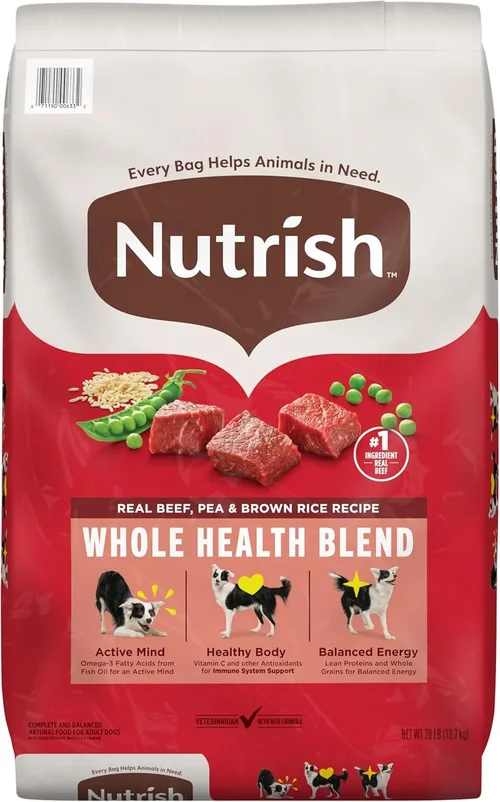
❌ Mistake: Choosing Based Solely on Price
Why it’s bad: The cheapest dog food often uses low-quality ingredients, fillers, and artificial additives that can lead to health problems, increased vet bills, and higher long-term costs. A German Shepherd eating poor-quality food may develop allergies, digestive issues, or obesity, all of which require medical intervention.
What to do instead: Focus on value, not just cost. Calculate the price per pound and consider nutritional density. A slightly more expensive food that your dog eats less of and digests better is often cheaper in the long run.
❌ Mistake: Ignoring the Ingredient List
Why it’s bad: Front labels can be misleading. Words like “natural,” “premium,” or “wholesome” are not regulated and don’t guarantee quality. Without reading the ingredient list, you might be feeding your dog a diet high in corn, by-products, or unnamed meat sources.
What to do instead: Always read the full ingredient list. Prioritize foods where real meat is the first ingredient, followed by whole grains or vegetables. Avoid vague terms like “meat meal” or “animal fat.”
❌ Mistake: Overlooking Life Stage and Activity Level
Why it’s bad: Feeding a puppy formula to an adult German Shepherd (or vice versa) can lead to nutritional imbalances. Puppies need higher protein and fat for growth, while seniors need fewer calories and more joint support. Active working dogs have different needs than couch potatoes.
What to do instead: Choose a food formulated for your dog’s life stage (puppy, adult, senior) and activity level. Look for labels that specify “for large breed puppies” or “for active adults” to ensure proper nutrition.
❌ Mistake: Switching Foods Too Quickly
Why it’s bad: Sudden diet changes can cause diarrhea, vomiting, or refusal to eat. German Shepherds, in particular, can be sensitive to abrupt transitions.
What to do instead: Transition gradually over 7–10 days. Start by mixing 25% new food with 75% old food, increasing the ratio every few days until fully switched.
❌ Mistake: Not Monitoring Your Dog’s Response
Why it’s bad: Even the best food on paper may not agree with your dog. Signs like excessive gas, dull coat, lethargy, or weight changes indicate the food isn’t working.
What to do instead: Observe your dog’s energy, coat, stool quality, and weight for 2–4 weeks after switching. If issues persist, consult your vet and consider trying a different formula.
❌ Mistake: Buying in Bulk Without Testing
Why it’s bad: Purchasing a 40-pound bag of a new food only to find your dog won’t eat it is a waste of money and storage space.
What to do instead: Start with a small bag (4–6 lbs) to test palatability and digestibility. Once you’re confident it works, buy in bulk to save money.
❌ Mistake: Ignoring Storage and Freshness
Why it’s bad: Dog food exposed to heat, moisture, or air can spoil, lose nutrients, or grow mold. Rancid fat is especially dangerous and can cause illness.
What to do instead: Store food in a cool, dry place in an airtight container. Use within 6 weeks of opening, and check for signs of spoilage like off smells or discoloration.
Budget Guidelines: How Much Should You Spend?
Feeding a German Shepherd doesn’t have to break the bank, but it’s important to set realistic expectations based on your budget. Here’s a breakdown of what you can expect at different price points:
Entry-Level ($0.80–$1.20 per pound): This tier includes store brands and value lines from major retailers. While some options are surprisingly decent, many rely on corn, soy, and by-products. Look for brands that at least list a named meat as the first ingredient and avoid artificial preservatives. Expect minimal joint support and lower protein density. Best for short-term use or supplemental feeding.
Mid-Range ($1.20–$1.80 per pound): This is the sweet spot for most German Shepherd owners. Brands in this range often use real meat, whole grains, and include beneficial additives like probiotics or glucosamine. You’ll find better digestibility, fewer fillers, and improved coat and energy levels. Many large-breed formulas fall into this category, offering balanced nutrition at a reasonable cost.
Premium ($1.80–$2.50 per pound): These foods use high-quality proteins, limited ingredients, and often include novel proteins (like duck or salmon) for dogs with allergies. They’re typically free of grains, artificial additives, and by-products. While still budget-friendly compared to luxury brands, they offer superior nutrition and are ideal for dogs with sensitivities or high activity levels.
Luxury ($2.50+ per pound): This tier includes raw, freeze-dried, and fresh-cooked diets. While not strictly “budget,” some options (like rehydrated freeze-dried food) can be cost-effective when portioned correctly. These foods offer the highest nutrient retention and palatability but require more planning and storage. Best for owners prioritizing optimal health over cost.

Expert Tips for Getting the Best Deal
1. Buy in Bulk (But Smartly): Larger bags (30–40 lbs) typically cost less per pound. However, only buy bulk if you can store it properly and use it within 6–8 weeks of opening. Split large bags with a friend if needed.
2. Watch for Sales and Subscriptions: Sign up for newsletters from pet retailers like Chewy, Petco, or Amazon. They often offer 20–30% off first orders or subscription discounts. Stack coupons with sales for maximum savings.
3. Compare Online vs. In-Store: Online retailers often have lower overhead and better prices. Use price comparison tools and check for free shipping thresholds. In-store pickup can save on delivery fees.
4. Look for Store Brands with Good Reviews: Many store brands (like Kirkland Signature, Pure Balance, or Nature’s Recipe) offer high-quality formulas at lower prices. Research reviews and ingredient lists before buying.
5. Consider Private Label or White Label Brands: Some budget brands are manufactured by the same facilities as premium brands but sold under different labels. Look for transparency in sourcing and manufacturing.
6. Use Cashback and Rewards Programs: Apps like Rakuten, Ibotta, or Fetch Rewards offer cashback on pet food purchases. Credit cards with pet-related rewards can also add up over time.
7. Test Before Committing: Always start with a small bag to ensure your dog likes it and digests it well. Many retailers offer sample packs or money-back guarantees.
8. Rotate Proteins Occasionally: Switching between chicken, beef, and fish-based foods every few months can prevent allergies and keep your dog interested. Just transition slowly to avoid digestive upset.

Frequently Asked Questions
Q: Can I feed my German Shepherd the cheapest dog food available?
A: While you can technically feed your German Shepherd the cheapest option, it’s not recommended for long-term health. Low-cost foods often lack essential nutrients, use fillers, and may contribute to health issues. Instead, aim for the best value within your budget—look for affordable brands that still prioritize real meat, joint support, and digestibility.
Q: How much should I feed my German Shepherd per day?
A: On average, an adult German Shepherd needs 3–5 cups of dry food per day, depending on size, age, and activity level. Puppies may need up to 6 cups, divided into 3 meals. Always follow the feeding guidelines on the package and adjust based on your dog’s weight and condition.
Q: Is grain-free dog food better for German Shepherds?
A: Not necessarily. While some German Shepherds have grain sensitivities, most tolerate grains like rice or oats well. Grain-free diets can be beneficial for dogs with allergies, but they’re not inherently healthier. The key is choosing a food with high-quality ingredients, regardless of grain content.
Q: Can I make homemade dog food on a budget?
A: Yes, but it requires careful planning to ensure nutritional balance. Homemade diets can be cost-effective if you use affordable proteins like chicken thighs or ground turkey and bulk up with rice or sweet potatoes. However, you’ll need to add supplements (like calcium and omega-3s) to meet AAFCO standards. Consult a veterinary nutritionist before switching.
Q: How often should I switch my dog’s food?
A: There’s no need to switch frequently unless your dog has allergies or digestive issues. Consistency is key for digestive health. If you do switch, do so gradually over 7–10 days to avoid upset.
Q: Are raw diets safe and affordable for German Shepherds?
A: Raw diets can be safe if properly balanced and handled hygienically, but they’re often more expensive and require careful storage. Budget freeze-dried or dehydrated raw options are safer and more convenient, though still pricier than kibble. For most owners, a high-quality dry food with occasional raw toppers is a practical compromise.
Q: What signs indicate my dog’s food isn’t working?
A: Watch for dull coat, excessive shedding, gas, diarrhea, lethargy, or weight changes. If your dog is consistently uninterested in food or shows signs of discomfort after eating, it may be time to try a different formula.
Q: Can I feed my German Shepherd human food as a supplement?
A: Small amounts of safe human foods (like cooked chicken, carrots, or plain yogurt) can be healthy treats. However, avoid onions, garlic, chocolate, grapes, and fatty foods. Never replace meals with human food—stick to dog-formulated diets for balanced nutrition.
Our Final Recommendations
Best for Budget-Conscious Buyers: Kirkland Signature Large Breed Adult – This Costco-exclusive formula offers excellent value with real chicken as the first ingredient, added glucosamine, and no artificial preservatives. At around $1.10 per pound, it’s hard to beat for quality and affordability.
Best Overall Value: Purina Pro Plan Large Breed Adult – Priced around $1.60 per pound, this food includes high-quality protein, probiotics, and joint support. It’s widely available and trusted by veterinarians, making it a reliable choice for active German Shepherds.
Best Premium Option: Taste of the Wild High Prairie Grain-Free – At $2.20 per pound, this grain-free formula uses real roasted meats, probiotics, and antioxidants. It’s ideal for dogs with sensitivities or owners who want a more natural diet without breaking the bank.
Best for Beginners: Blue Buffalo Life Protection Formula Large Breed – With real deboned chicken, brown rice, and added glucosamine, this food is easy to find and well-balanced. The $1.80 per pound price point makes it accessible for new owners.
Best for Advanced Users: Wellness CORE Grain-Free Large Breed – This high-protein, low-carb formula is perfect for athletic or working German Shepherds. At $2.40 per pound, it’s on the higher end of budget but offers premium nutrition for performance-driven dogs.
Conclusion: Making the Right Choice
Feeding your German Shepherd doesn’t have to be a financial burden. With the right knowledge, you can find budget-friendly dog food that supports your dog’s health, energy, and longevity. The key is to prioritize quality ingredients—especially high-protein meats, joint support, and digestive health—while avoiding unnecessary fillers and artificial additives.
Remember, the cheapest option isn’t always the best value. Focus on nutrient density, brand transparency, and your dog’s individual needs. Whether you choose a mid-range kibble, a grain-free formula, or a mix of wet and dry food, the most important thing is consistency and observation. Watch how your dog responds, adjust as needed, and don’t hesitate to consult your veterinarian if you have concerns.
By following this guide, you’re not just saving money—you’re investing in your German Shepherd’s well-being. A well-fed dog is a happy, healthy, and loyal companion. So take the time to compare options, read labels, and make an informed decision. Your dog deserves nothing less.