

When it comes to your dog’s long-term health, few nutrients are as critical—and often misunderstood—as calcium. This essential mineral plays a foundational role in building strong bones and teeth, supporting muscle function, aiding nerve transmission, and even helping with blood clotting. Yet, despite its importance, many pet owners unknowingly underfeed or overfeed calcium to their dogs, leading to developmental issues, joint problems, or metabolic imbalances. Whether you’re raising a growing puppy, caring for a senior dog, or managing the diet of a pregnant or nursing female, understanding how to provide the right amount of calcium through food is vital.
This comprehensive buying guide is designed to cut through the confusion and help you make informed, science-backed decisions about the best calcium-rich foods for your canine companion. You’ll learn how to evaluate commercial dog foods, raw diets, supplements, and homemade meals based on their calcium content, bioavailability, and overall nutritional balance. We’ll explore the differences between life stages, breed sizes, and dietary needs, so you can tailor your choices to your dog’s unique requirements. From budget-friendly kibble to premium raw options, this guide covers the full spectrum of available products—so you can feed your dog with confidence.
The market for dog food has exploded in recent years, with hundreds of brands claiming to offer “complete and balanced” nutrition. But not all calcium sources are created equal. Some foods rely on synthetic additives, while others use natural ingredients like bone meal, dairy, or leafy greens. Some are formulated specifically for large-breed puppies who need controlled calcium intake to prevent skeletal disorders, while others cater to small breeds or active adults. With so many options, it’s easy to feel overwhelmed. That’s why this guide doesn’t just list products—it teaches you how to read labels, understand nutritional science, and avoid common pitfalls. By the end, you’ll know exactly what to look for, what to avoid, and how to choose the best calcium food for your dog in 2026.
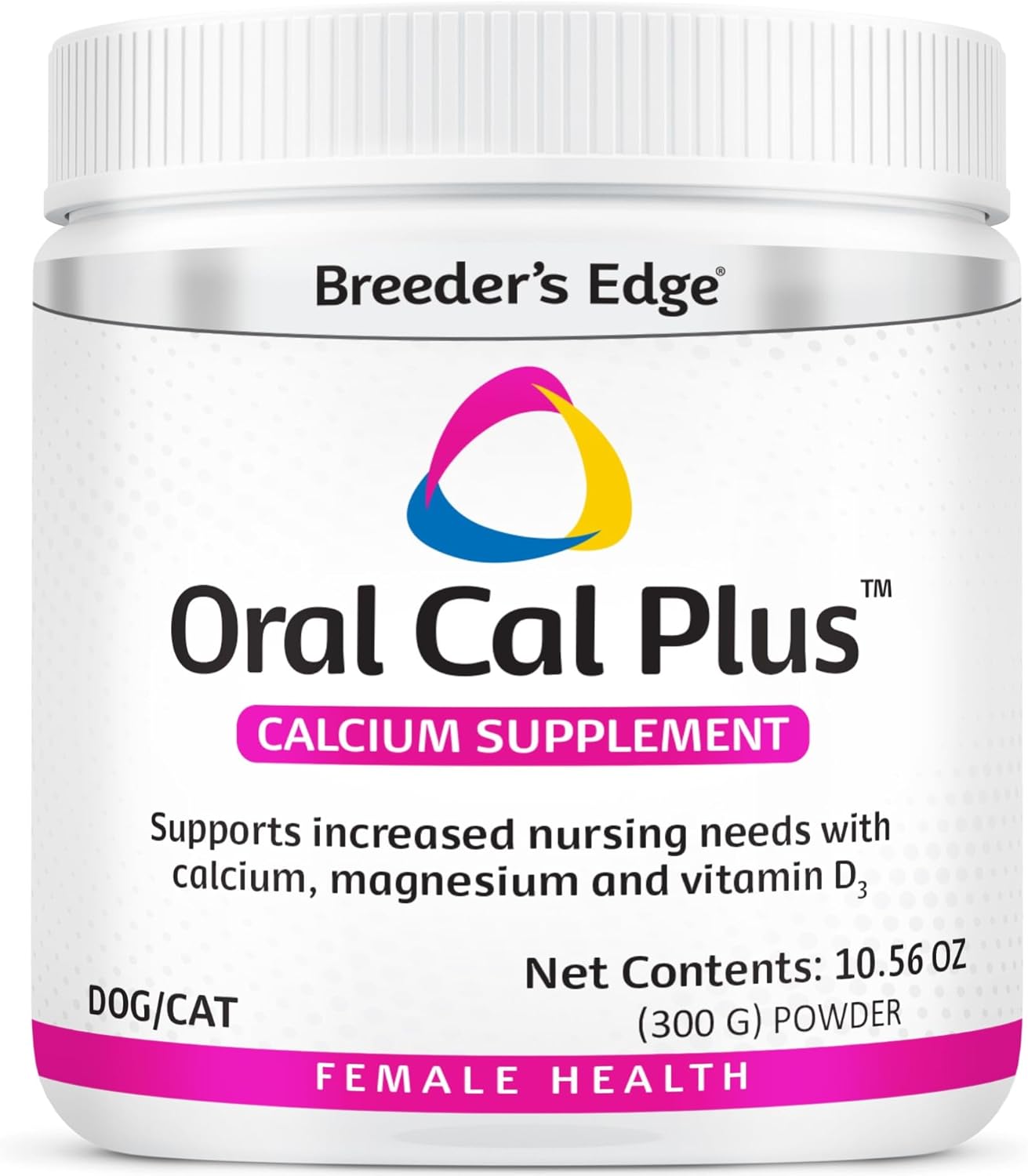
What to Look for When Buying Buying Guide
1. Life Stage and Breed Size Compatibility
One of the most critical factors in selecting a calcium-rich dog food is matching the product to your dog’s life stage and breed size. Puppies, especially those from large or giant breeds, have very different calcium needs than adult or senior dogs. Over-supplementation in large-breed puppies can lead to rapid bone growth, increasing the risk of developmental orthopedic diseases like hip dysplasia or osteochondrosis. Conversely, small-breed puppies may require higher calcium density due to their faster metabolism and growth rates. Adult dogs need consistent calcium to maintain bone density, while seniors benefit from easily digestible sources to support joint health and prevent osteoporosis. Always check the label for AAFCO (Association of American Feed Control Officials) statements indicating whether the food is formulated for “growth,” “maintenance,” or “all life stages.” For example, a food labeled for “growth” is appropriate for puppies, while “maintenance” is better for adults. If you have a giant breed puppy, look for formulas specifically designed to support controlled growth with balanced calcium-to-phosphorus ratios (ideally between 1:1 and 1.2:1).
2. Calcium Source and Bioavailability
Not all calcium is absorbed equally by your dog’s body. The source of calcium in dog food significantly impacts its bioavailability—the degree to which the nutrient can be used by the body. Natural sources like ground bone, bone meal, dairy (such as cottage cheese or yogurt), and certain leafy greens (like kale or broccoli) are generally more bioavailable than synthetic additives like calcium carbonate or dicalcium phosphate. For instance, bone meal provides not only calcium but also phosphorus and trace minerals in a form that mimics what dogs would consume in the wild. However, it must be sourced from reputable suppliers to avoid contamination with heavy metals. Dairy-based calcium is excellent for dogs who tolerate lactose, but many adult dogs are lactose intolerant, so it’s not ideal for all. When reviewing ingredient lists, prioritize whole-food sources over isolated mineral supplements. A food that lists “chicken meal” or “turkey bone” early in the ingredients is likely providing calcium in a more natural, digestible form than one that relies solely on added calcium carbonate.
3. Calcium-to-Phosphorus Ratio
The balance between calcium and phosphorus is just as important as the total amount of calcium in your dog’s diet. These two minerals work together in bone formation and metabolism, and an imbalance can lead to serious health issues. The ideal calcium-to-phosphorus ratio for dogs is between 1:1 and 1.2:1. Ratios outside this range—especially those with excessive calcium—can interfere with phosphorus absorption and lead to skeletal abnormalities. For example, a diet with a 2:1 ratio may cause soft tissue calcification or kidney strain over time. This is particularly crucial for homemade diets, where owners often add too much bone meal without adjusting phosphorus levels. Commercial dog foods are typically formulated to meet this ratio, but it’s still wise to verify it on the nutrition facts panel or by contacting the manufacturer. If you’re feeding a raw or BARF (Biologically Appropriate Raw Food) diet, use a nutritional calculator or consult a veterinary nutritionist to ensure balance.
4. Complete and Balanced Nutrition
Calcium should never be viewed in isolation. A truly healthy dog food provides a complete and balanced profile of proteins, fats, carbohydrates, vitamins, and minerals—with calcium playing its part within that framework. Look for foods that meet AAFCO nutrient profiles or have undergone feeding trials, which provide stronger evidence of nutritional adequacy. A food that’s high in calcium but low in protein or essential fatty acids won’t support overall health, even if it strengthens bones. Additionally, excessive calcium can interfere with the absorption of other minerals like zinc, iron, and magnesium. This is why relying solely on calcium supplements—especially without veterinary guidance—can do more harm than good. The best calcium-rich foods are those that integrate calcium seamlessly into a holistic diet. For example, a high-quality kibble might include salmon (rich in phosphorus and omega-3s), sweet potatoes (for energy), and added vitamins, all while maintaining the correct calcium balance.
5. Ingredient Quality and Transparency
The quality of ingredients directly affects how well your dog can utilize calcium and other nutrients. Premium dog foods use named animal proteins (like “deboned chicken” or “lamb meal”) rather than vague terms like “meat meal” or “animal by-products.” They also avoid fillers, artificial preservatives, and excessive grains that can interfere with mineral absorption. Transparency is key—brands that disclose their sourcing practices, manufacturing locations, and third-party testing are more likely to offer safe, effective products. For calcium specifically, look for foods that list bone meal or ground bone as an ingredient, preferably from human-grade sources. Avoid products that rely heavily on synthetic calcium additives unless recommended by a vet for a specific condition. Reading customer reviews and checking for recalls can also give insight into a brand’s reliability. A reputable company will provide detailed nutritional information, including mineral content, and respond promptly to consumer inquiries.
6. Form and Digestibility
The physical form of the food—kibble, wet, raw, or dehydrated—can influence how well your dog digests and absorbs calcium. Kibble is convenient and often fortified with minerals, but some dogs have trouble breaking down the starches and binders used in processing. Wet food typically has higher moisture content, which can aid digestion, but may contain lower mineral density unless carefully formulated. Raw diets, when properly balanced, offer highly bioavailable calcium from raw meaty bones (like chicken necks or turkey backs), but they require careful handling to avoid bacterial contamination. Dehydrated or freeze-dried foods strike a middle ground, preserving nutrients while offering convenience. Consider your dog’s age, dental health, and digestive sensitivity when choosing a form. For example, senior dogs with dental issues may struggle with hard kibble, while puppies benefit from softer textures that support chewing and jaw development. Always transition between forms gradually to avoid gastrointestinal upset.
7. Brand Reputation and Veterinary Endorsement
With so many dog food brands on the market, reputation matters. Look for companies with a history of producing scientifically backed, high-quality products. Brands that employ veterinary nutritionists or partner with animal health experts are more likely to formulate diets that meet dogs’ true physiological needs. Check whether the brand has been involved in recalls—especially those related to nutritional imbalances or contamination. Independent reviews from veterinarians, pet nutritionists, or trusted organizations like the World Small Animal Veterinary Association (WSAVA) can provide valuable insights. While celebrity endorsements or flashy marketing don’t guarantee quality, brands that are transparent about their research, sourcing, and manufacturing processes tend to be more trustworthy. For calcium-specific concerns, consider brands that offer breed-specific or life-stage formulas, as these are more likely to address nuanced nutritional requirements.
8. Price vs. Value
It’s tempting to equate high price with high quality, but the most expensive dog food isn’t always the best choice for your dog’s calcium needs. Conversely, the cheapest options often cut corners on ingredient quality and nutritional balance. Instead of focusing solely on cost per pound, evaluate the value based on ingredient quality, nutritional completeness, and your dog’s individual needs. A mid-range food with named protein sources, natural calcium, and AAFCO certification may offer better long-term value than a premium-priced brand with vague ingredients. Consider the cost per serving and how long the bag will last based on your dog’s size and appetite. Also, factor in potential savings from reduced vet bills—feeding a balanced diet now can prevent costly health issues later. If budget is a concern, look for sales, subscription discounts, or bulk purchasing options from reputable retailers.
Different Types of Buying Guide

Common Buying Mistakes to Avoid

❌ Mistake: Over-Supplementing Calcium Without Veterinary Guidance
Why it’s bad: Adding extra calcium supplements to commercial dog food can easily lead to toxicity, especially in puppies. Excess calcium disrupts the calcium-to-phosphorus ratio, potentially causing skeletal deformities, kidney damage, or cardiovascular issues. This is particularly dangerous for large-breed puppies, whose growth plates are sensitive to mineral imbalances.
What to do instead: Only supplement calcium under the supervision of a veterinarian or veterinary nutritionist. If you’re feeding a homemade or raw diet, use a balanced recipe or calculator to ensure proper mineral ratios. Never add bone meal or eggshell powder to AAFCO-complete commercial foods.
❌ Mistake: Ignoring Life Stage Requirements
Why it’s bad: Feeding an adult maintenance formula to a growing puppy—or vice versa—can result in nutritional deficiencies or excesses. Puppies need more calcium for bone development, while seniors need easily digestible sources to maintain density without overloading the kidneys.
What to do instead: Always select a food labeled for your dog’s specific life stage. If your dog is a large-breed puppy, choose a formula designed to support controlled growth. For seniors, look for foods with added joint support and moderate protein.
❌ Mistake: Choosing Based on Price Alone
Why it’s bad: The cheapest dog foods often use low-quality ingredients, synthetic additives, and fillers that reduce nutrient absorption. Over time, this can lead to health problems that cost far more in veterinary bills than the savings on food.
What to do instead: Evaluate cost per serving and prioritize value over price. Look for mid-range brands with transparent sourcing, named proteins, and AAFCO certification. Consider the long-term health benefits of feeding a balanced diet.
❌ Mistake: Relying Solely on “Grain-Free” or “Natural” Labels
Why it’s bad: Terms like “natural” and “grain-free” are not regulated and don’t guarantee nutritional adequacy. Some grain-free diets have been linked to heart issues (DCM), and “natural” doesn’t always mean better calcium bioavailability.
What to do instead: Focus on ingredient quality and nutritional balance rather than marketing buzzwords. Check for AAFCO statements and look for whole-food calcium sources like bone meal or dairy.
❌ Mistake: Not Reading the Ingredient List
Why it’s bad: The first few ingredients determine the majority of the food’s content. If calcium sources like bone meal or meat appear low on the list, the food may not provide adequate levels—even if the label claims otherwise.
What to do instead: Always read the full ingredient list. Look for named animal proteins and natural calcium sources in the top five ingredients. Avoid foods with excessive fillers or unnamed by-products.
❌ Mistake: Switching Foods Too Quickly
Why it’s bad: Sudden changes in diet can cause digestive upset, including diarrhea or vomiting, which may interfere with calcium absorption and overall health.
What to do instead: Transition to a new food gradually over 7–10 days, mixing increasing amounts of the new food with the old. This allows your dog’s digestive system to adapt and ensures consistent nutrient intake.
❌ Mistake: Feeding Raw Bones Without Understanding Risks
Why it’s bad: While raw meaty bones are an excellent natural source of calcium, they pose risks such as choking, intestinal blockages, or bacterial contamination (e.g., Salmonella). Cooked bones are especially dangerous as they can splinter.
What to do instead: If feeding raw bones, choose appropriate sizes (never smaller than your dog’s muzzle), supervise chewing, and source from reputable suppliers. Consult your vet before introducing bones, especially for puppies or dogs with digestive sensitivities.
Budget Guidelines: How Much Should You Spend?
When it comes to feeding your dog a calcium-rich diet, your budget will influence the type and quality of food you can afford—but it shouldn’t compromise your dog’s health. Here’s a breakdown of what to expect at different price points:
- Entry-Level ($1.00–$2.00 per pound): These foods are often available at big-box stores and supermarkets. While convenient, they typically rely on by-product meals, corn, soy, and synthetic calcium additives. Nutritional balance may be inconsistent, and ingredient quality is generally lower. Best for temporary use or dogs with no health issues, but not ideal for long-term feeding—especially for puppies or seniors.
- Mid-Range ($2.00–$4.00 per pound): This is the sweet spot for most dog owners. Brands in this range often use named meat proteins, natural preservatives, and balanced mineral profiles. Many are AAFCO-certified and formulated with life-stage considerations. You’ll find good calcium sources like bone meal or dairy, and the calcium-to-phosphorus ratio is usually well-maintained. Examples include Wellness Core, Blue Buffalo Life Protection, and Nutro Wholesome Essentials.
- Premium ($4.00–$7.00 per pound): These foods prioritize high-quality, human-grade ingredients and often include novel proteins (like duck or venison), probiotics, and superfoods. Calcium sources are typically natural and bioavailable, and the diets are frequently developed with input from veterinary nutritionists. Ideal for dogs with allergies, sensitivities, or high activity levels. Brands like Orijen, Acana, and The Honest Kitchen fall into this category.
- Luxury ($7.00+ per pound): At the top end, you’ll find raw, dehydrated, or custom-formulated diets. These offer maximum nutrient retention, minimal processing, and often include organic or ethically sourced ingredients. Calcium is provided through raw bones, bone broth, or high-quality supplements. While expensive, they can be worth the investment for dogs with complex health needs or owners committed to a species-appropriate diet. Examples include Primal Pet Foods, Stella & Chewy’s, and Nom Nom Fresh.
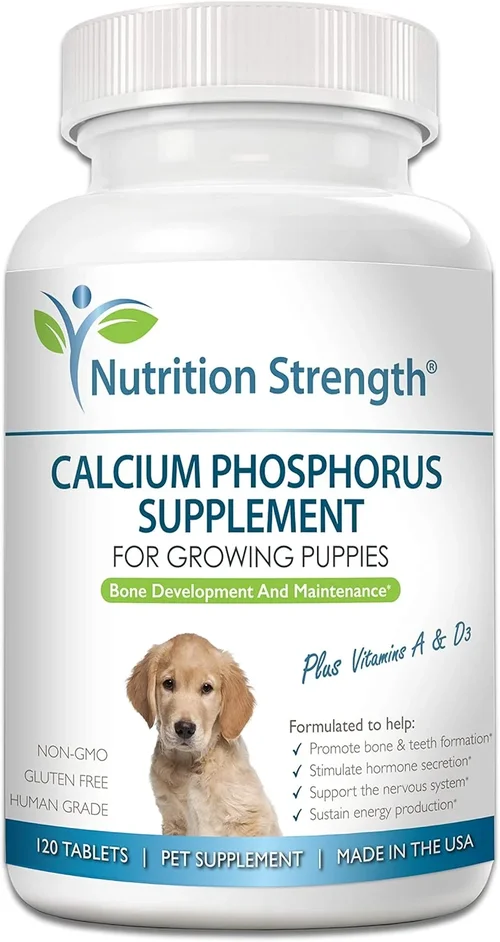
Expert Tips for Getting the Best Deal
- Buy in Bulk During Sales: Many online retailers (like Chewy, Amazon, or Petco) offer discounts on larger bags or subscription plans. Stock up during seasonal sales (e.g., Black Friday, end-of-summer clearance) to save 15–30%.
- Subscribe and Save: Most major pet food websites offer subscription services with automatic discounts (usually 5–15%) and free shipping. You can pause or cancel anytime, making it a flexible way to save.
- Check for Manufacturer Rebates: Some premium brands offer mail-in rebates or loyalty programs. Sign up for newsletters to receive exclusive coupons or first-access to promotions.
- Compare Unit Prices: Don’t assume a larger bag is cheaper. Use the price per pound or per serving to compare value across brands and sizes.
- Look for Sample Packs: Many high-end brands offer sample sizes or trial packs. This lets you test a new food without committing to a full bag—ideal for picky eaters or dogs with sensitivities.
- Read Return Policies: Choose retailers with generous return policies in case your dog doesn’t like the food or has an adverse reaction. Chewy and Petco, for example, accept returns even after the bag is opened.
- Consult Your Vet Before Switching: If you’re considering a major dietary change—especially for puppies, pregnant dogs, or those with health conditions—get professional advice first. Your vet may recommend specific brands or formulations.
- Use Nutritional Calculators for Homemade Diets: If you’re preparing meals at home, use tools like BalanceIT or Pet Diet Designer to ensure proper calcium balance. This prevents costly mistakes and ensures your dog gets all essential nutrients.

Frequently Asked Questions
Q: Can I give my dog human calcium supplements?
A: No, human calcium supplements are not formulated for dogs and can contain harmful additives like xylitol or incorrect dosages. Always use pet-specific products or consult your vet before supplementing.
Q: How much calcium does my dog need per day?
A: The requirement varies by size, age, and activity level. Generally, adult dogs need about 50 mg of calcium per pound of body weight daily. Puppies may need up to 100 mg per pound. Always follow feeding guidelines on the food label or your vet’s advice.
Q: Is it safe to feed raw bones for calcium?
A: Raw meaty bones (like chicken necks or turkey wings) can be safe and beneficial when fed appropriately. Avoid cooked bones, which can splinter. Supervise your dog and choose bones larger than their muzzle to prevent choking.
Q: Can too much calcium cause problems in adult dogs?
A: Yes. Excess calcium in adult dogs can lead to kidney stones, mineral imbalances, or soft tissue calcification. This is especially true if the diet lacks proper phosphorus balance or if supplements are added unnecessarily.
Q: Should pregnant or nursing dogs get extra calcium?
A: Pregnant and lactating dogs have higher calcium needs, but sudden supplementation can cause eclampsia (milk fever). It’s safer to feed a high-quality, nutrient-dense food formulated for reproduction rather than adding supplements.
Q: Are dairy products a good calcium source for dogs?
A: Some dogs tolerate small amounts of low-lactose dairy like cottage cheese or yogurt, which provide bioavailable calcium. However, many adult dogs are lactose intolerant, so introduce dairy gradually and monitor for digestive upset.
Q: How do I know if my dog is calcium deficient?
A: Signs include weak bones, lameness, muscle tremors, or seizures. However, deficiency is rare in dogs fed complete diets. If you suspect a problem, consult your vet for blood tests and dietary evaluation.
Q: Can I make calcium-rich dog food at home?
A: Yes, but it requires careful planning. Use recipes formulated by veterinary nutritionists and include balanced sources like bone meal, eggshell powder (properly prepared), or dairy. Avoid guesswork to prevent deficiencies or toxicities.
Q: Do small breed dogs need less calcium than large breeds?
A: Not necessarily. Small breeds often have faster metabolisms and may require higher nutrient density, including calcium. However, the total amount is less due to their smaller size. Focus on balanced ratios, not just quantity.
Q: Is bone meal safe in dog food?
A: Yes, when sourced from reputable suppliers and processed to remove contaminants. Look for brands that specify “human-grade” or “tested for heavy metals.” Avoid generic or unverified bone meal products.
Our Final Recommendations
- Best for Budget-Conscious Buyers: Blue Buffalo Life Protection Formula Puppy – Offers balanced calcium from natural sources, AAFCO-certified for growth, and priced under $3.00 per pound. Great for small to medium breed puppies.
- Best Overall Value: Wellness Core Grain-Free Original – High-protein, includes bone meal for natural calcium, and maintains ideal mineral ratios. Priced around $3.50 per pound, it’s a reliable choice for most adult dogs.
- Best Premium Option: Orijen Original – Features fresh regional ingredients, including raw bone for calcium, and is formulated with input from veterinary nutritionists. Ideal for active or sensitive dogs.
- Best for Beginners: Royal Canin Size Health Nutrition – Breed-specific formulas with controlled calcium levels, especially helpful for new owners of large or giant breeds. Easy to find and vet-recommended.
- Best for Advanced Users: Primal Freeze-Dried Raw Beef Formula – Combines raw meat, organs, and ground bone for maximum calcium bioavailability. Requires handling care but offers top-tier nutrition for experienced owners.
Conclusion: Making the Right Choice
Choosing the best calcium food for your dog isn’t just about picking a product off the shelf—it’s about understanding your dog’s unique needs, reading beyond marketing claims, and making decisions based on science and transparency. From life stage and breed size to ingredient quality and nutritional balance, every factor plays a role in supporting your dog’s bone health, energy levels, and overall well-being. Whether you opt for a trusted kibble, a raw diet, or a homemade meal, the key is consistency, balance, and vigilance.
Remember, calcium is essential—but it’s only one piece of the puzzle. A truly healthy diet integrates all nutrients in harmony, supports digestion, and adapts to your dog’s changing needs over time. Don’t be swayed by trends or price tags alone. Instead, prioritize foods that offer complete nutrition, use high-quality ingredients, and are backed by reputable science. And when in doubt, consult your veterinarian or a certified pet nutritionist.
Your dog depends on you for more than love and walks—they rely on you to make informed, compassionate choices about their health. By using this guide as your roadmap, you’re not just buying food; you’re investing in a longer, stronger, and happier life for your best friend. Start today by evaluating your current diet, checking those labels, and taking the first step toward optimal canine nutrition in 2026.