
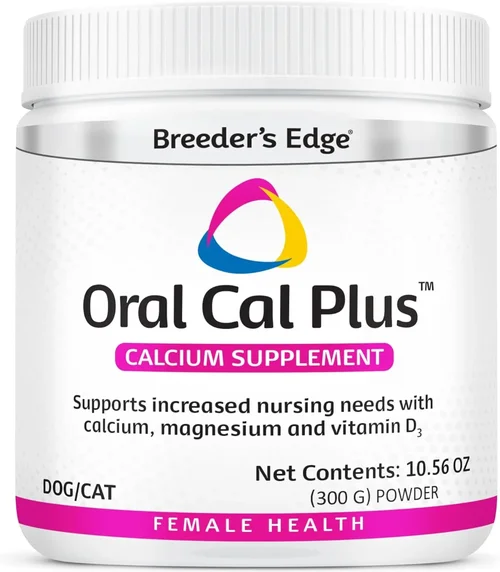
When it comes to your dog’s health, few nutrients are as essential—and as often misunderstood—as calcium. This vital mineral plays a foundational role in building strong bones and teeth, supporting muscle function, regulating nerve transmission, and aiding in blood clotting. Yet, despite its importance, many dog owners either overlook calcium entirely or make critical mistakes when trying to supplement it. Whether you’re feeding a growing puppy, a pregnant or nursing mother dog, or an aging senior, getting the right amount of calcium from the right sources can mean the difference between lifelong vitality and long-term health complications.
This comprehensive guide is designed to cut through the confusion and give you expert-level, science-backed advice on the best calcium-rich foods for dogs in 2026. You’ll learn how to identify high-quality calcium sources, understand the delicate balance between deficiency and excess, and avoid common pitfalls that could harm your pet. We’ll explore everything from whole food options like bone broth and leafy greens to commercial supplements and fortified dog foods—all while keeping your dog’s unique life stage, breed size, and dietary needs in mind. With pet nutrition evolving rapidly and more pet parents turning to natural, whole-food diets, this guide equips you with the knowledge to make informed, confident decisions.
The market for canine nutrition has exploded in recent years, with countless products claiming to boost bone health, support joint function, or enhance overall wellness. From raw diets and freeze-dried organ meats to calcium-enriched kibble and powdered supplements, the choices can be overwhelming. But not all calcium sources are created equal. Some are bioavailable and safe, while others may contain harmful additives, excessive phosphorus, or improper calcium-to-phosphorus ratios that do more harm than good. Our goal is to help you navigate this complex landscape with clarity, so you can choose the best calcium-rich foods that align with your dog’s health goals and your feeding philosophy.
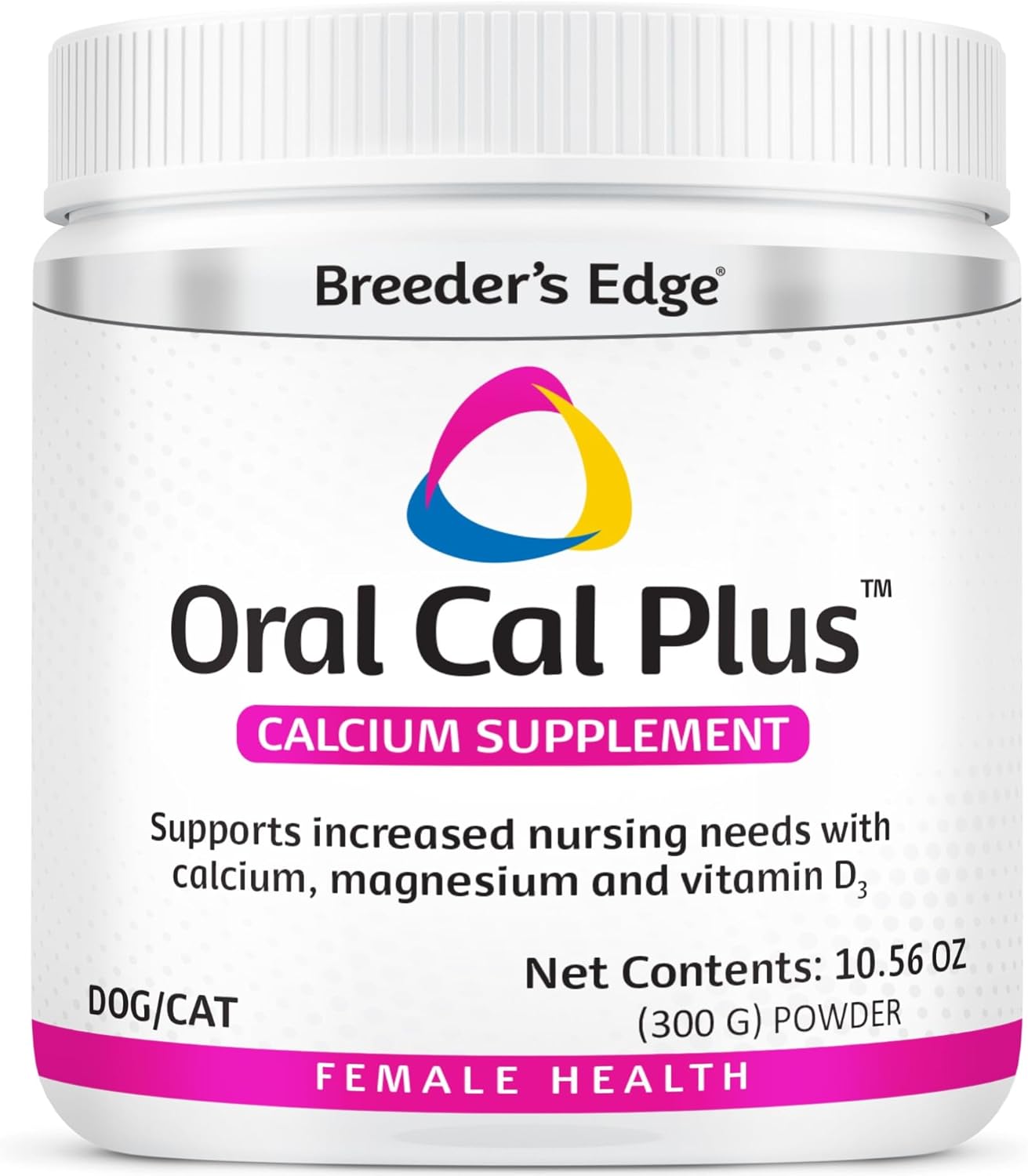
What to Look for When Buying Buying Guide
1. Calcium-to-Phosphorus Ratio
One of the most critical factors in canine calcium nutrition is the balance between calcium and phosphorus. Dogs require a specific ratio of these two minerals—ideally between 1:1 and 2:1 (calcium to phosphorus)—for optimal absorption and utilization. When this ratio is disrupted, especially with excessive calcium or insufficient phosphorus, it can lead to serious health issues such as skeletal deformities in puppies, kidney strain, or mineral imbalances in adult dogs. For example, feeding large amounts of bone meal without balancing phosphorus can cause hypercalcemia, while diets too high in phosphorus (common in some meat-heavy raw diets) may inhibit calcium absorption.
When evaluating calcium-rich foods or supplements, always check the ingredient label or nutritional analysis for the Ca:P ratio. High-quality commercial dog foods are typically formulated to meet these standards, but homemade or raw diets require careful planning. If you’re preparing meals at home, consider using a canine nutrition calculator or consulting a veterinary nutritionist to ensure balance. Look for foods where calcium sources like bone broth, ground eggshells, or dairy are paired with phosphorus-rich ingredients such as meat, liver, or fish to maintain equilibrium.
2. Bioavailability of Calcium Sources
Not all calcium is absorbed equally by your dog’s body. Bioavailability—the degree to which a nutrient can be absorbed and used—varies significantly between sources. For instance, calcium from dairy products like plain yogurt or cottage cheese is highly bioavailable due to the presence of lactose and casein, which enhance absorption. In contrast, calcium from plant sources like spinach or kale contains oxalates that bind to calcium and reduce its uptake, making them less effective despite their high mineral content.
Animal-based sources such as raw bones (fed appropriately), bone broth, and certain fish like sardines (with edible bones) offer excellent bioavailability. Eggshells, when properly cleaned and ground into a fine powder, are another highly absorbable option, providing nearly pure calcium carbonate. When choosing supplements, opt for forms like calcium citrate or calcium carbonate, which are well-absorbed, especially when given with food. Avoid unrefined mineral powders or crushed eggshells that haven’t been sterilized, as they may carry bacterial risks.
3. Life Stage and Breed-Specific Needs
Calcium requirements vary dramatically depending on your dog’s life stage, size, and breed. Puppies, especially large and giant breeds, have heightened calcium needs during rapid growth phases—but over-supplementation can be just as dangerous as deficiency. Excessive calcium in large-breed puppies has been linked to developmental orthopedic diseases like osteochondrosis and hip dysplasia. Conversely, small breeds may tolerate higher calcium levels more easily but still require balanced intake.
Nursing mothers also have elevated calcium demands to support milk production, and deficiencies can lead to eclampsia (milk fever), a life-threatening condition. Senior dogs, on the other hand, may benefit from moderate calcium to support bone density, but kidney function must be considered, as impaired kidneys struggle to regulate mineral balance. Always tailor calcium intake to your dog’s specific needs: growing puppies should receive balanced, complete diets rather than added supplements unless advised by a vet, while adults and seniors may benefit from targeted supplementation based on health status.
4. Food Safety and Preparation Methods
Safety is paramount when introducing calcium-rich foods into your dog’s diet. Raw bones, for example, can pose choking hazards, splintering risks, or bacterial contamination (e.g., Salmonella or E. coli) if not handled properly. Cooked bones are even more dangerous, as they become brittle and can cause intestinal perforation. If you choose to feed bones, select raw, meaty bones like chicken necks or beef marrow bones, and always supervise your dog during chewing.
Similarly, homemade calcium sources like eggshell powder must be prepared safely. Rinse eggshells thoroughly, bake them at 200°F (93°C) for 10–15 minutes to kill pathogens, then grind into a fine powder using a coffee grinder or blender. Store in an airtight container in the fridge for up to two weeks. Bone broth should be simmered for 12–24 hours to extract minerals, then strained and cooled before serving. Avoid adding onions, garlic, or excessive salt, which are toxic to dogs. Always prioritize cleanliness and proper storage to prevent spoilage or contamination.
5. Commercial vs. Homemade Diet Compatibility
Whether you feed commercial kibble, raw, or homemade meals affects how you should approach calcium supplementation. Complete and balanced commercial dog foods are formulated to meet AAFCO (Association of American Feed Control Officials) standards, meaning they already contain appropriate levels of calcium and other nutrients. Adding extra calcium to these diets can easily lead to overdose, especially in small dogs or those with kidney issues.
In contrast, homemade and raw diets often lack sufficient calcium unless carefully planned. Meat alone is high in phosphorus but low in calcium, creating an imbalanced ratio. If you prepare meals at home, you must include a calcium source—such as ground eggshells, bone meal, or dairy—in every meal to maintain balance. Use a recipe developed by a veterinary nutritionist or a trusted canine nutrition resource to ensure completeness. For raw feeders, consider adding finely ground bone (about 10% of the diet) or a calcium supplement to offset the phosphorus-heavy meat content.
6. Presence of Additives, Fillers, and Allergens
Many commercial calcium supplements and fortified dog foods contain unnecessary additives, artificial preservatives, or common allergens that can compromise your dog’s health. Look for products with minimal, recognizable ingredients and avoid those with artificial colors, flavors, BHA, BHT, or propylene glycol. Some supplements may also include fillers like corn, wheat, or soy, which can trigger food sensitivities in sensitive dogs.
When selecting dairy-based calcium sources like yogurt or cheese, choose plain, unsweetened varieties without xylitol (a sugar substitute highly toxic to dogs) or added sugars. Opt for organic or grass-fed options when possible to reduce exposure to hormones and antibiotics. If your dog has known food allergies or sensitivities, consider hypoallergenic calcium sources such as bone broth made from novel proteins (e.g., duck or rabbit) or eggshell powder, which is less likely to cause reactions.
7. Veterinarian Guidance and Health Monitoring
Before making any significant changes to your dog’s calcium intake, consult your veterinarian—especially if your dog has pre-existing conditions like kidney disease, hyperparathyroidism, or a history of urinary stones. These conditions can be exacerbated by improper mineral balance, and your vet may recommend blood tests to assess calcium, phosphorus, and parathyroid hormone levels.
Regular monitoring is essential for dogs on homemade or supplemented diets. Signs of calcium imbalance include lethargy, muscle tremors, lameness, excessive thirst, or changes in urination. Your vet can help interpret symptoms and adjust your dog’s diet accordingly. Additionally, if you’re feeding a pregnant or nursing dog, professional guidance is crucial to prevent eclampsia and ensure healthy pup development. Never self-diagnose or treat suspected deficiencies without professional input.
8. Cost-Effectiveness and Long-Term Sustainability
While it’s tempting to choose the cheapest calcium supplement or food option, cost-effectiveness should be evaluated over the long term. Some premium products may have a higher upfront cost but offer better bioavailability, purity, and safety, reducing the risk of health complications and vet bills down the line. Conversely, inexpensive supplements may contain low-quality ingredients or inaccurate dosing, leading to under- or over-supplementation.
Consider the cost per serving, shelf life, and ease of integration into your dog’s routine. For example, making bone broth at home is relatively inexpensive and allows you to control ingredients, but it requires time and storage space. Commercial supplements offer convenience and consistency but may add up over time. Evaluate your budget, lifestyle, and your dog’s specific needs to find a sustainable solution that supports long-term health without financial strain.
Different Types of Buying Guide

Common Buying Mistakes to Avoid
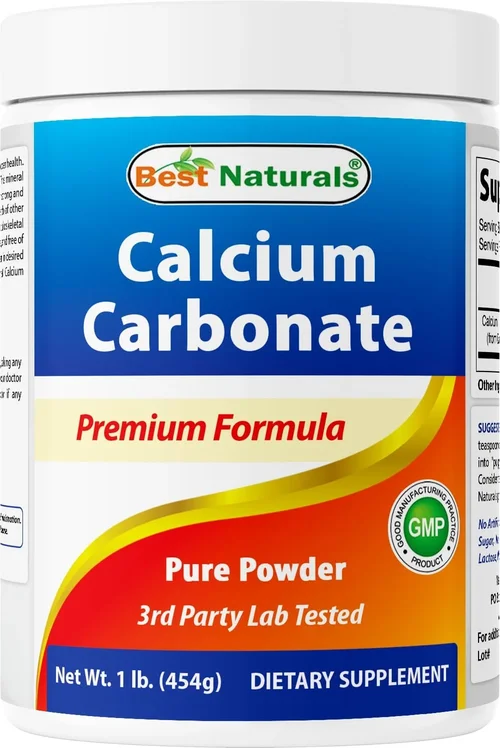
❌ Mistake: Over-Supplementing Calcium in Puppies
Why it’s bad: Excessive calcium during rapid growth can disrupt bone development, leading to skeletal abnormalities such as enlarged growth plates, joint pain, and increased risk of hip dysplasia—especially in large and giant breeds. This is a well-documented issue in dogs fed high-calcium diets or given supplements unnecessarily.
What to do instead: Feed a complete, balanced puppy food formulated for your dog’s size. Avoid adding calcium supplements unless advised by a veterinarian. If preparing homemade meals, use recipes designed by veterinary nutritionists that account for proper mineral ratios.
❌ Mistake: Feeding Cooked Bones
Why it’s bad: Cooked bones become brittle and can splinter, causing choking, intestinal blockages, or perforations. These emergencies often require surgery and can be fatal. Even small fragments can lodge in the throat or digestive tract.
What to do instead: If you choose to feed bones, select raw, meaty bones appropriate for your dog’s size. Always supervise chewing sessions and remove the bone once the meat is gone. Consider safer alternatives like bone broth or dental chews designed for calcium support.
❌ Mistake: Relying on Plant-Based Calcium Sources
Why it’s bad: Vegetables like spinach, chard, and beet greens contain calcium, but they also have high levels of oxalates that bind to calcium and prevent absorption. Feeding these as primary calcium sources can lead to deficiency despite apparent intake.
What to do instead: Use animal-based calcium sources such as bone broth, sardines, or eggshell powder. If including greens, do so in moderation and pair them with high-bioavailability calcium sources to ensure adequate absorption.
❌ Mistake: Ignoring the Calcium-to-Phosphorus Ratio
Why it’s bad: A skewed Ca:P ratio—especially one too high in phosphorus—can impair calcium absorption and lead to secondary nutritional hyperparathyroidism, a condition that weakens bones and causes pain and fractures.
What to do instead: Aim for a ratio between 1:1 and 2:1. When feeding meat-heavy diets (common in raw feeding), add a calcium source to every meal. Use a nutritional calculator or consult a vet to verify balance.
❌ Mistake: Adding Calcium to Commercial Dog Food
Why it’s bad: Most commercial dog foods are already fortified with calcium to meet AAFCO standards. Adding extra supplements can easily result in overdose, leading to kidney stones, mineral imbalances, or cardiovascular issues.
What to do instead: Only supplement calcium if your dog is on a homemade or raw diet, or if a veterinarian has diagnosed a deficiency. Always read labels and avoid double-dosing.
❌ Mistake: Using Unsterilized Eggshells
Why it’s bad: Raw eggshells may carry Salmonella or other pathogens that can infect your dog or your household. Improperly prepared shells can also contain shell fragments that irritate the digestive tract.
What to do instead: Always bake eggshells at 200°F (93°C) for 10–15 minutes to kill bacteria, then grind into a fine powder. Store in the refrigerator and use within two weeks.
❌ Mistake: Not Consulting a Veterinarian
Why it’s bad: Calcium imbalances can mimic other health issues or exacerbate existing conditions like kidney disease. Self-treating without professional guidance can delay proper diagnosis and treatment.
What to do instead: Schedule a vet visit before making dietary changes, especially for pregnant, nursing, or senior dogs. Request blood work if you suspect a deficiency or excess.
Budget Guidelines: How Much Should You Spend?
- Entry-Level ($0.10–$1.00 per serving): This tier includes homemade options like eggshell powder, bone broth made from kitchen scraps, or plain yogurt. These are cost-effective and highly bioavailable but require time and effort to prepare. Best for budget-conscious owners willing to invest in meal planning and food safety.
- Mid-Range ($1.00–$3.00 per serving): This is the sweet spot for most dog owners. It includes high-quality commercial supplements, frozen sardines, or premium bone broth. These options offer convenience, consistency, and good bioavailability without breaking the bank. Ideal for those balancing cost, quality, and ease of use.
- Premium ($3.00–$6.00 per serving): Premium options include vet-formulated calcium supplements, organic bone broth, or freeze-dried raw diets with added minerals. These products often feature higher purity, third-party testing, and enhanced absorption. Suitable for dogs with specific health needs or owners prioritizing top-tier nutrition.
- Luxury ($6.00+ per serving): At this level, you’ll find boutique supplements, custom-formulated diets from veterinary nutritionists, or imported whole foods like New Zealand green-lipped mussels. These are best for dogs with complex medical conditions or owners seeking the absolute best in natural, ethically sourced nutrition.

Expert Tips for Getting the Best Deal
- Buy in Bulk When Possible: Items like frozen sardines, bone broth cubes, or eggshell powder can be purchased or made in large quantities and stored. This reduces cost per serving and ensures you always have calcium-rich options on hand.
- Make Your Own Bone Broth: Save money by simmering bones from chicken, beef, or turkey for 12–24 hours. Strain, cool, and freeze in ice cube trays for easy portioning. Add a splash to meals for a natural calcium boost.
- Use Kitchen Scraps Wisely: Save eggshells from your cooking, rinse and bake them, then grind into powder. This zero-cost solution provides nearly pure calcium carbonate and reduces waste.
- Compare Unit Prices Online: When shopping for supplements, check price per gram or per serving rather than total container cost. Websites like Chewy, Amazon, or Petco often have subscription discounts or bulk deals.
- Look for Sales on Premium Brands: High-quality supplements from brands like VetriScience, Nordic Naturals, or The Honest Kitchen often go on sale during pet expos, holidays, or seasonal promotions. Sign up for newsletters to get alerts.
- Ask Your Vet for Samples: Some veterinary clinics offer free samples of prescription or therapeutic diets and supplements. This lets you test a product before committing to a full purchase.
- Join Raw Feeding Co-Ops: If you feed raw, consider joining a local or online co-op to buy bones, meat, and organs in bulk at wholesale prices. This can significantly reduce the cost of calcium-rich ingredients.
- Test Before Committing: If trying a new supplement or food, start with a small amount to ensure your dog tolerates it well. Look for signs of digestive upset, allergies, or changes in stool before increasing dosage.

Frequently Asked Questions
Q: Can I give my dog human calcium supplements?
A: It’s not recommended. Human supplements may contain inappropriate dosages, additives like xylitol (toxic to dogs), or forms of calcium not optimized for canine metabolism. Always use pet-specific products or consult your vet before giving any human medication or supplement.
Q: How much calcium does my dog need per day?
A: The exact amount depends on size, age, and life stage. Adult dogs generally need about 120–150 mg of calcium per pound of body weight daily. Puppies may require slightly more, while seniors need balanced intake. Always refer to AAFCO guidelines or your vet for personalized recommendations.
Q: Are dairy products safe for dogs?
A: Many dogs tolerate small amounts of plain, unsweetened dairy like yogurt or cottage cheese, which are excellent calcium sources. However, some dogs are lactose intolerant and may experience gas, diarrhea, or upset stomach. Introduce slowly and monitor for reactions.
Q: Can too much calcium cause kidney problems?
A: Yes, chronic over-supplementation can strain the kidneys, especially in older dogs or those with pre-existing kidney disease. Excess calcium may contribute to stone formation or mineral imbalances. Regular vet check-ups and blood work can help monitor kidney health.
Q: Is bone meal a good calcium source?
A: Bone meal can be effective but varies in quality. Some commercial bone meal products may contain contaminants or inconsistent mineral levels. If used, choose a reputable, pet-safe brand and ensure it’s balanced with phosphorus-rich foods.
Q: Can I feed my dog Tums or other antacids for calcium?
A: No. While Tums contain calcium carbonate, they are formulated for humans and may include harmful ingredients like xylitol or excessive sodium. Overuse can disrupt your dog’s acid balance and cause health issues. Use only vet-approved calcium supplements.
Q: How do I know if my dog has a calcium deficiency?
A: Signs include muscle twitching, lameness, lethargy, seizures, or difficulty walking—especially in nursing mothers (eclampsia). However, these symptoms can also indicate other conditions. A blood test is the only reliable way to diagnose deficiency.
Q: Should I add calcium to my dog’s raw diet?
A: Yes, if the diet is meat-heavy. Raw meat is high in phosphorus but low in calcium, creating an imbalance. Add a calcium source like ground bone, eggshell powder, or a supplement to every meal to maintain a proper Ca:P ratio.
Q: Are there natural ways to boost calcium without supplements?
A: Absolutely. Bone broth, sardines (with bones), plain yogurt, and properly prepared eggshell powder are all natural, bioavailable calcium sources. These can be integrated into meals without the need for synthetic supplements.
Q: Can puppies have too much calcium?
A: Yes, especially large and giant breeds. Excessive calcium during growth can lead to skeletal deformities and joint problems. Feed a balanced puppy food and avoid supplementation unless directed by a veterinarian.
Our Final Recommendations
- Best for Budget-Conscious Buyers: Homemade eggshell powder and bone broth. These zero-to-low-cost options provide high-quality, bioavailable calcium with minimal effort. Just ensure proper sterilization and balance with phosphorus-rich foods.
- Best Overall Value: Frozen sardines (with bones) and plain Greek yogurt. These whole foods offer excellent calcium, omega-3s, and protein at a reasonable price. Easy to serve and widely available.
- Best Premium Option: VetriScience Cal/Mag Chews or Nordic Naturals Omega-3 Pet with added minerals. These supplements are vet-formulated, highly bioavailable, and free from harmful additives. Ideal for dogs with specific health needs.
- Best for Beginners: Fortified commercial dog food from brands like Royal Canin, Hill’s Science Diet, or Purina Pro Plan. These diets are complete and balanced, eliminating the need for supplementation and reducing the risk of mistakes.
- Best for Advanced Users: Custom raw diets with ground bone and eggshell powder, formulated with the help of a veterinary nutritionist. This approach offers maximum control and customization for optimal health.
Conclusion: Making the Right Choice
Choosing the best calcium-rich foods for your dog isn’t just about picking the most nutrient-dense option—it’s about understanding your dog’s unique needs, life stage, and dietary context. From the delicate balance of calcium and phosphorus to the importance of bioavailability and safety, every decision you make impacts your pet’s long-term health. Whether you’re feeding a growing puppy, supporting a nursing mother, or caring for a senior dog, the right calcium strategy can strengthen bones, support vital functions, and enhance quality of life.
Remember, more isn’t always better. Over-supplementation can be as harmful as deficiency, and the safest approach often involves whole foods, professional guidance, and careful monitoring. Use this guide as your roadmap: evaluate your options based on quality, balance, and suitability, and never hesitate to consult your veterinarian when in doubt. With the right knowledge and a little planning, you can provide your dog with the calcium they need to thrive—naturally, safely, and sustainably.
Take the next step today. Review your dog’s current diet, assess their calcium intake, and make informed adjustments. Your dog’s strong bones and vibrant health are worth the effort.