

When your dog is nursing a litter of puppies, her nutritional needs skyrocket—especially when it comes to calcium. This essential mineral plays a vital role in milk production, bone health, muscle function, and nerve transmission. Without adequate calcium intake during lactation, nursing dogs can develop serious health issues like eclampsia (also known as milk fever), which can be life-threatening if not addressed quickly. As a responsible pet owner, understanding how to properly nourish your dog during this critical period is not just important—it’s essential for both her well-being and the survival of her puppies.
This comprehensive buying guide is designed to help you navigate the often confusing world of calcium-rich foods for nursing dogs. Whether you’re a first-time breeder or an experienced dog owner, you’ll find expert-backed advice on what to look for, what to avoid, and how to make informed decisions that support your dog’s health. We’ll break down the science behind calcium requirements, compare different food types, highlight common pitfalls, and provide practical tips to ensure your nursing dog gets the nutrition she needs—without breaking the bank.
The market for dog nutrition has expanded dramatically in recent years, with countless brands offering specialized formulas for pregnant and lactating dogs. However, not all products are created equal. Many commercial dog foods claim to be “complete and balanced,” but they may fall short in key areas like calcium-to-phosphorus ratios, bioavailability of minerals, or ingredient quality. Some even contain fillers or artificial additives that can interfere with nutrient absorption. Our goal is to cut through the marketing noise and give you the tools to choose the best calcium-rich food for your nursing dog—based on science, safety, and real-world results.
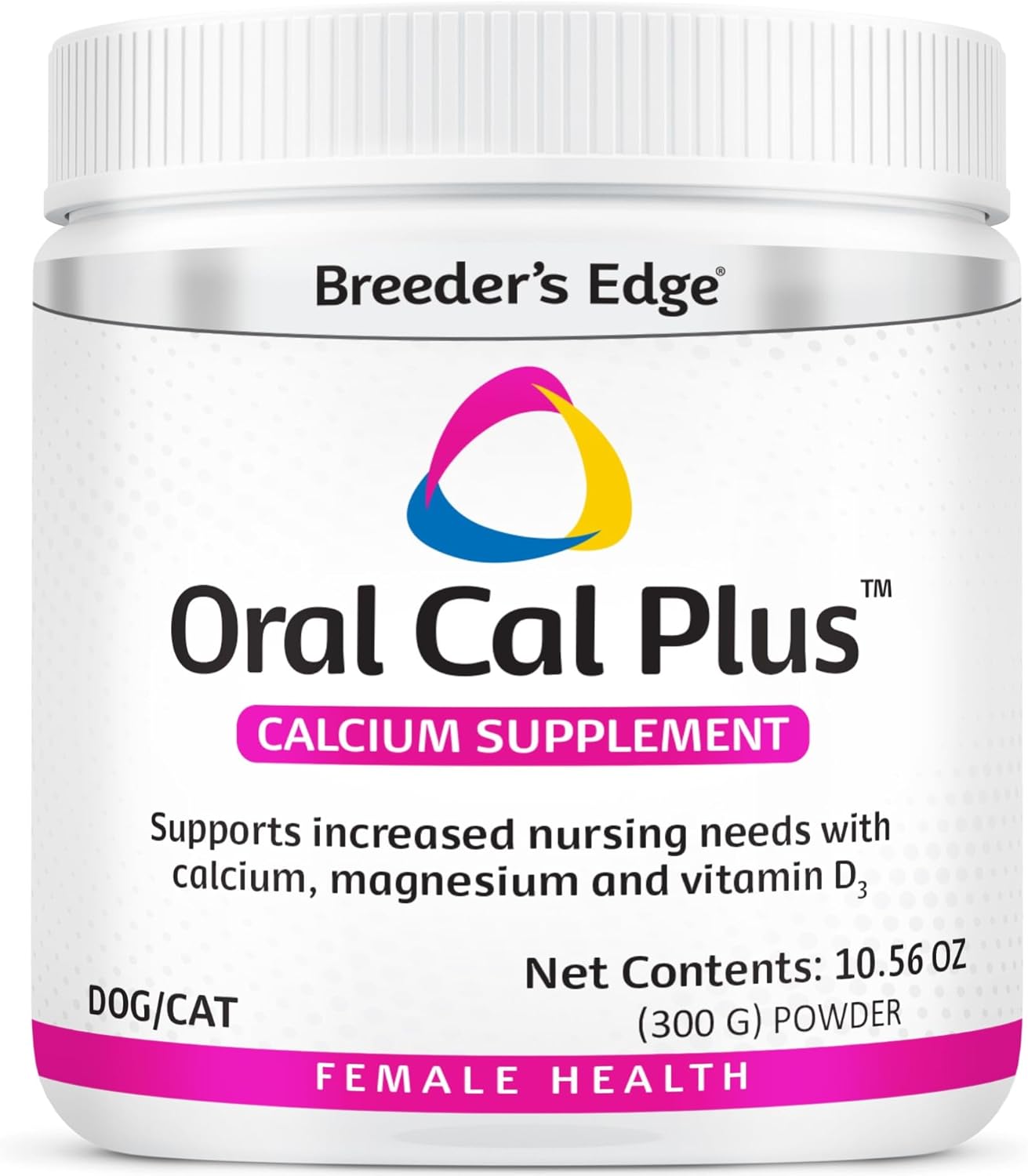
What to Look for When Buying Calcium-Rich Food for Nursing Dogs
1. Calcium-to-Phosphorus Ratio
One of the most critical factors in selecting food for a nursing dog is the calcium-to-phosphorus (Ca:P) ratio. Ideally, this ratio should be between 1.2:1 and 1.4:1. This balance ensures that calcium is properly absorbed and utilized by the body. Too much phosphorus can inhibit calcium absorption, while too little can lead to skeletal abnormalities in both the mother and her puppies. Look for foods that clearly state this ratio on the label or provide detailed nutritional analysis. Avoid products where calcium is added as a supplement without regard to phosphorus levels, as this can disrupt the delicate balance.
2. Bioavailability of Calcium Sources
Not all calcium sources are equally effective. The best calcium-rich foods use highly bioavailable forms such as calcium carbonate, calcium citrate, or bone meal (from reputable, human-grade sources). These forms are easily absorbed by the dog’s digestive system. Avoid foods that rely solely on plant-based calcium sources like spinach or kale, which contain oxalates that can bind to calcium and reduce absorption. Real animal-based ingredients—such as ground bone, eggshell powder, or dairy—are far superior for meeting the high demands of lactation.
3. Protein Content and Quality
Nursing dogs require significantly more protein than usual—often double their normal intake. High-quality animal proteins (like chicken, turkey, lamb, or fish) support milk production and tissue repair. Look for foods where the first ingredient is a named meat source (e.g., “chicken” or “salmon”) rather than by-products or meat meals. Protein should make up at least 25–30% of the diet during lactation. Low-protein diets can lead to muscle wasting and reduced milk yield, even if calcium levels are adequate.
4. Fat and Caloric Density
Lactating dogs burn through calories at an astonishing rate—up to three times their normal energy needs. Fat is a concentrated source of energy, so look for foods with moderate to high fat content (15–20%) from healthy sources like chicken fat, fish oil, or flaxseed. Omega-3 fatty acids, particularly DHA, are also beneficial for puppy brain development. However, avoid overly fatty diets that can cause digestive upset or pancreatitis. The food should be energy-dense but balanced.
5. Added Supplements and Fortification
While whole foods should form the foundation of your dog’s diet, some supplementation may be necessary—especially during peak lactation. Look for foods fortified with additional calcium, vitamin D (which aids calcium absorption), and magnesium. However, be cautious of over-supplementation. Excessive calcium can lead to skeletal problems in growing puppies and may cause kidney strain in the mother. Always consult your veterinarian before adding extra supplements, especially if you’re feeding a commercial diet already labeled as “complete and balanced.”
6. Ingredient Transparency and Sourcing
Trustworthy brands disclose their ingredient sources and manufacturing practices. Avoid foods with vague terms like “meat meal” or “animal digest.” Instead, opt for products that specify the animal source (e.g., “chicken meal” or “salmon meal”) and are made in facilities that follow strict quality control standards. Look for certifications like AAFCO (Association of American Feed Control Officials) compliance, which ensures the food meets minimum nutritional requirements for lactating dogs. Also, consider whether the brand conducts feeding trials—this is a stronger indicator of nutritional adequacy than formulation alone.
7. Digestibility and Palatability
Even the most nutritious food is useless if your dog won’t eat it. Nursing dogs can be picky due to hormonal changes or fatigue, so palatability is key. High-digestibility ingredients reduce the workload on the digestive system and ensure maximum nutrient uptake. Look for foods with prebiotics, probiotics, or easily digestible proteins. Avoid artificial flavors, colors, or preservatives like BHA and BHT, which may deter eating or cause sensitivities.
8. Veterinarian Recommendation and Brand Reputation
Not all dog food brands are created equal. Some have long-standing relationships with veterinary nutritionists and invest heavily in research. Brands like Royal Canin, Hill’s Science Diet, and Purina Pro Plan offer specialized formulas for nursing dogs that are widely recommended by vets. That said, boutique or raw food brands can also be excellent—if they’re transparent, well-formulated, and backed by science. Always check online reviews, consult your vet, and avoid brands with a history of recalls or poor customer feedback.
Different Types of Calcium-Rich Food for Nursing Dogs

Common Buying Mistakes to Avoid
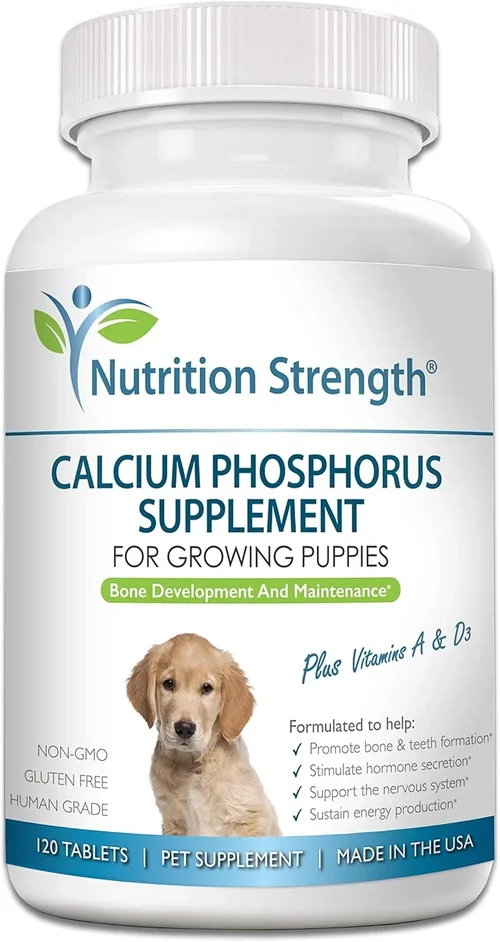
❌ Mistake: Over-Supplementing Calcium Without Veterinary Guidance
Why it’s bad: Many owners panic when they hear about calcium needs and start adding eggshells, Tums, or human calcium supplements to their dog’s food. This can lead to dangerously high calcium levels, causing skeletal deformities in puppies and kidney damage in the mother. Excess calcium also interferes with the absorption of other minerals like zinc and iron.
What to do instead: Stick to a high-quality, AAFCO-compliant diet formulated for lactating dogs. If supplementation is needed, consult your veterinarian first. They may recommend a specific product or dosage based on your dog’s size, breed, and milk production.
❌ Mistake: Feeding Puppy Food Instead of Lactation Formula
Why it’s bad: While puppy food is higher in calories and protein than adult food, it’s not optimized for the extreme demands of lactation. It often lacks the precise calcium-to-phosphorus ratio and energy density required for nursing dogs. Feeding puppy food long-term can lead to nutritional imbalances.
What to do instead: Choose a formula specifically labeled for “gestation/lactation” or “reproduction.” These diets are engineered to meet the unique needs of pregnant and nursing dogs, with higher fat, protein, and calcium levels.
❌ Mistake: Ignoring Hydration Needs
Why it’s bad: Nursing dogs lose significant amounts of fluid through milk production. Dehydration can reduce milk supply and increase the risk of urinary tract infections. Dry kibble alone may not provide enough moisture.
What to do instead: Always provide fresh, clean water and consider adding wet food, bone broth (unsalted), or water to kibble to increase fluid intake. Monitor your dog’s water consumption—she may drink up to four times her normal amount.
❌ Mistake: Switching Diets Too Quickly
Why it’s bad: Sudden changes in diet can cause digestive upset, diarrhea, or refusal to eat—especially dangerous when a dog is already under physical stress from nursing.
What to do instead: Transition to a new food gradually over 7–10 days, mixing increasing amounts of the new food with the old. This allows the digestive system to adapt and reduces the risk of gastrointestinal issues.
❌ Mistake: Relying Solely on Plant-Based Calcium Sources
Why it’s bad: Vegetables like broccoli, kale, and spinach contain calcium, but it’s poorly absorbed due to high levels of oxalates. These compounds bind to calcium and prevent its uptake, making plant sources ineffective for meeting the high demands of lactation.
What to do instead: Prioritize animal-based calcium sources such as raw meaty bones (for raw feeders), bone meal, or dairy products like plain yogurt and cottage cheese. These are far more bioavailable and effective.
❌ Mistake: Not Monitoring Body Condition
Why it’s bad: Nursing dogs can lose weight rapidly, even when eating large amounts of food. Ignoring weight loss can lead to malnutrition, reduced milk production, and long-term health problems.
What to do instead: Weigh your dog weekly and assess her body condition score (BCS). A healthy nursing dog should maintain a BCS of 4–5 out of 9. If she’s losing weight, increase food intake or switch to a more calorie-dense diet.
❌ Mistake: Feeding Low-Quality or Generic Brands
Why it’s bad: Budget brands often use fillers, by-products, and synthetic additives that offer little nutritional value. They may also have inconsistent calcium levels or poor digestibility, putting your dog at risk.
What to do instead: Invest in a reputable brand that discloses ingredient sources, follows AAFCO standards, and has positive reviews from veterinarians and pet owners. The extra cost is justified by the health benefits.
Budget Guidelines: How Much Should You Spend?
- Entry-Level ($1.50–$2.50 per lb): These diets are typically made with lower-quality proteins, grains, and synthetic supplements. While they may meet basic AAFCO requirements, they often lack optimal calcium bioavailability and may contain fillers like corn or soy. Suitable for short-term use only, but not recommended for prolonged lactation.
- Mid-Range ($2.50–$4.00 per lb): This is the sweet spot for most dog owners. Brands in this range offer high-quality ingredients, balanced calcium-to-phosphorus ratios, and added nutrients like DHA and probiotics. Examples include Purina Pro Plan Puppy Large Breed and Royal Canin Mother & Babycat (also suitable for small dogs). These diets provide excellent value and are widely available.
- Premium ($4.00–$6.00 per lb): Premium foods use human-grade ingredients, novel proteins, and advanced formulations. They often include fresh meats, organic vegetables, and natural preservatives. Brands like The Honest Kitchen, Wellness CORE, and Orijen offer lactation-specific formulas with superior digestibility and nutrient density. Ideal for owners who prioritize ingredient quality and transparency.
- Luxury ($6.00+ per lb): These are top-tier options, often raw, freeze-dried, or freshly prepared. They feature whole prey ingredients, fermented foods, and customized nutrition plans. While expensive, they offer the highest bioavailability of calcium and other nutrients. Best for owners with the budget and commitment to provide the absolute best for their nursing dog.

Expert Tips for Getting the Best Deal
- Buy in Bulk During Sales: Many pet stores and online retailers offer discounts during seasonal sales (e.g., Black Friday, end-of-year clearance). Stock up on high-quality kibble or frozen food when prices drop, but ensure proper storage to maintain freshness.
- Subscribe and Save: Services like Chewy, Amazon Subscribe & Save, or brand websites often provide 10–15% off recurring orders. This is especially useful for large breeds or multiple litters.
- Compare Unit Prices: Don’t just look at the total cost—check the price per pound or per serving. A larger bag may seem expensive upfront but cost less in the long run.
- Ask Your Vet for Samples: Many veterinary clinics receive free samples of premium diets. Ask if they have any lactation formulas you can try before committing to a full bag.
- Check for Rebates and Loyalty Programs: Some brands offer mail-in rebates or points-based rewards. These can significantly reduce the effective cost over time.
- Consider Frozen or Fresh Food Delivery: While pricier, services like Nom Nom or A Pup Above deliver pre-portioned, vet-formulated meals. They often have introductory discounts for new customers.
- Read Return Policies: If your dog refuses the food or has an adverse reaction, you’ll want the option to return it. Choose retailers with flexible return windows.
- Test Small Quantities First: Before buying a 30-pound bag, purchase a small trial size to see if your dog likes it and tolerates it well.

Frequently Asked Questions
Q: How much calcium does a nursing dog need per day?
A: The exact amount varies by size and milk production, but generally, a lactating dog needs 2–3 times more calcium than an adult maintenance diet. For example, a 50-pound dog may require 3,000–5,000 mg of calcium daily. Always follow the feeding guidelines on the food label and consult your vet for personalized advice.
Q: Can I feed my nursing dog human foods high in calcium?
A: Some human foods are safe and beneficial—like plain yogurt, cottage cheese, and cooked eggs. However, avoid chocolate, onions, garlic, and high-sodium foods. Never feed cooked bones, as they can splinter. Stick to dog-safe options and use them as supplements, not replacements, for a balanced diet.
Q: Is it safe to feed raw bones to a nursing dog?
A: Raw, meaty bones (like chicken necks or wings) can be an excellent source of natural calcium and mental stimulation. However, they pose a choking or obstruction risk if not supervised. Only offer appropriately sized bones and remove them once the meat is stripped. Consult your vet before introducing raw bones.
Q: What are the signs of calcium deficiency in a nursing dog?
A: Early signs include restlessness, panting, muscle tremors, and stiff gait. In severe cases, eclampsia can occur, characterized by seizures, fever, and collapse. This is a medical emergency requiring immediate veterinary care. Prevention through proper nutrition is key.
Q: Can I continue feeding the same food after weaning?
A: Gradually transition back to an adult maintenance diet over 7–10 days. Sudden changes can cause digestive upset. Monitor your dog’s weight and energy levels during the transition.
Q: Are grain-free diets better for nursing dogs?
A: Not necessarily. While some dogs benefit from grain-free diets, there’s no evidence they’re superior for lactation. Focus on protein quality, calcium balance, and digestibility rather than grain content. Always choose a diet that meets AAFCO standards for reproduction.
Q: How often should I feed my nursing dog?
A: Nursing dogs should be fed 3–4 times daily, or even free-fed (food available at all times), especially during peak lactation (weeks 3–5). This ensures she gets enough calories and nutrients without overloading her stomach.
Q: Can I mix different types of food (kibble, wet, raw)?
A: Yes, many owners successfully combine kibble with wet food or raw meals to increase palatability and nutrient variety. Just ensure the total diet remains balanced and doesn’t exceed safe calcium levels.
Q: What if my dog refuses to eat?
A: Try warming the food, adding bone broth, or mixing in a small amount of canned food. Ensure she’s hydrated and not overheated. If appetite loss persists for more than 24 hours, contact your vet—it could signal an underlying issue.
Our Final Recommendations
- Best for Budget-Conscious Buyers: Purina Pro Plan Puppy Large Breed – Offers excellent nutrition at an affordable price, with a balanced Ca:P ratio and high protein content. Widely available and vet-recommended.
- Best Overall Value: Royal Canin Mother & Babycat – Though labeled for cats, this formula is safe and effective for small to medium nursing dogs. It’s highly digestible, rich in calcium, and designed for high milk production.
- Best Premium Option: Orijen Puppy & Junior – Made with fresh, regional ingredients and a high percentage of animal protein. Contains natural calcium from raw meaty bones and is free from grains and fillers.
- Best for Beginners: Hill’s Science Diet Puppy Large Breed – Easy to find, consistent quality, and formulated with input from veterinary nutritionists. Great for first-time breeders.
- Best for Advanced Users: The Honest Kitchen Human Grade Dehydrated Dog Food – Just add water to rehydrate. Made with whole foods, including bone broth and eggshell powder for natural calcium. Ideal for owners who want control over ingredients.
Conclusion: Making the Right Choice
Choosing the right calcium-rich food for your nursing dog is one of the most important decisions you’ll make as a pet owner. The demands of lactation are immense, and your dog’s health—and the survival of her puppies—depends on proper nutrition. By focusing on key factors like calcium-to-phosphorus ratio, ingredient quality, and bioavailability, you can ensure your dog gets the support she needs during this critical time.
Remember, no single food is perfect for every dog. Consider your dog’s size, breed, appetite, and any health conditions when making your choice. Don’t hesitate to consult your veterinarian, especially if you’re considering homemade diets or supplements. And always monitor your dog’s weight, energy, and milk production closely.
Investing in high-quality nutrition now can prevent costly health problems later. Whether you choose a premium kibble, a raw diet, or a vet-formulated fresh food, the goal is the same: to give your nursing dog the best possible start to motherhood. With the knowledge from this guide, you’re well-equipped to make a confident, informed decision—one that supports both her strength and her puppies’ growth.
Your dog gives her all to care for her litter. Return the favor with the best nutrition you can provide.