
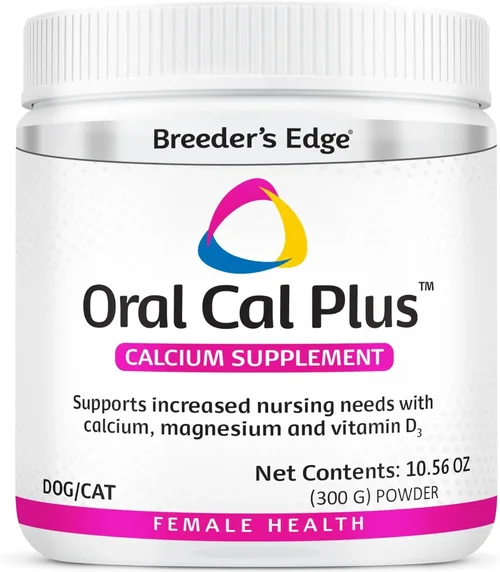
When it comes to feeding your dog a homemade diet, one of the most critical—and often overlooked—nutritional components is calcium. While many pet parents take pride in preparing fresh, whole-food meals for their furry companions, they frequently underestimate the importance of proper mineral balance. Without adequate calcium, especially in growing puppies or lactating mothers, dogs can develop serious skeletal disorders, muscle dysfunction, and long-term health complications. This is where a high-quality calcium supplement becomes not just helpful, but essential.
That’s why this comprehensive buying guide exists. Whether you’re new to homemade dog food or a seasoned DIY feeder looking to refine your approach, this article will equip you with everything you need to choose the best calcium supplement for your dog’s unique needs. We’ll walk you through the science behind calcium requirements, break down the different types of supplements available, highlight common pitfalls to avoid, and provide expert-backed recommendations based on safety, bioavailability, cost, and ease of use. By the end, you’ll have the confidence to make an informed decision that supports your dog’s long-term health and vitality.
The market for canine calcium supplements has exploded in recent years, with options ranging from simple ground eggshell powders to pharmaceutical-grade carbonate and citrate formulations. While variety is good, it also introduces confusion—especially when labels use vague terms like “natural” or “vet-approved” without clear evidence. Some products are overpriced, others lack transparency about sourcing, and a few may even contain harmful additives or incorrect ratios. Our goal is to cut through the noise and deliver actionable, science-based advice so you can feed your dog with peace of mind.
What to Look for When Buying Buying Guide
1. Bioavailability and Absorption Rate
Not all calcium is created equal—what matters most is how well your dog’s body can absorb and utilize it. Bioavailability refers to the proportion of calcium that enters circulation and becomes available for physiological functions like bone formation, nerve transmission, and muscle contraction. Calcium carbonate, for example, is widely used because it’s inexpensive and contains about 40% elemental calcium, but it requires stomach acid for optimal absorption. Dogs with low gastric acidity (common in older pets or those on certain medications) may struggle to absorb it efficiently.
In contrast, calcium citrate offers superior bioavailability, especially in acidic environments, and doesn’t rely as heavily on stomach acid. It’s often recommended for senior dogs or those with digestive sensitivities. Other forms like calcium lactate and calcium gluconate are also highly absorbable but contain less elemental calcium per gram, meaning you’d need to use larger amounts—which may not be practical for small breeds. When evaluating a supplement, always check the label for the specific calcium compound used and prioritize those with proven absorption rates in canine studies.
2. Purity and Source Transparency
The source of your calcium supplement directly impacts its safety and efficacy. Supplements derived from natural sources like eggshells or bone meal may seem appealing due to their “whole food” label, but they carry risks. Eggshell powder, while rich in calcium carbonate, can be inconsistent in particle size and may harbor bacteria like Salmonella if not properly sterilized. Bone meal, often sourced from livestock, may contain lead, arsenic, or other heavy metals—especially if the animals were raised in contaminated environments.
Pharmaceutical-grade calcium carbonate or citrate, on the other hand, is typically purified and tested for heavy metals, microbial contaminants, and fillers. Look for brands that provide third-party testing certificates (such as NSF, USP, or Informed-Choice) and clearly disclose their sourcing practices. Avoid products that list “natural flavors,” “proprietary blends,” or vague descriptors like “calcium complex” without specifying the exact compound. Transparency isn’t just a marketing buzzword—it’s a sign of quality control and accountability.
3. Appropriate Calcium-to-Phosphorus Ratio
One of the most common mistakes in homemade dog food is failing to maintain the correct calcium-to-phosphorus (Ca:P) ratio. For adult dogs, the ideal range is between 1:1 and 2:1 (calcium to phosphorus). Puppies, especially large and giant breeds, require a tighter ratio—closer to 1.2:1 to 1.4:1—to support healthy bone development without causing growth plate abnormalities.
Many commercial dog foods are formulated to meet these ratios automatically, but homemade diets often skew too high in phosphorus due to meat-heavy recipes. Adding calcium without considering phosphorus intake can lead to imbalances. For example, feeding a diet of 80% chicken breast (high in phosphorus, low in calcium) without supplementation will result in a Ca:P ratio as low as 0.2:1—severely deficient in calcium. Always calculate your dog’s total daily phosphorus intake from food sources before determining how much calcium to add. Use reliable nutritional databases or consult a veterinary nutritionist to ensure accuracy.
4. Form and Ease of Administration
Calcium supplements come in various forms: powders, tablets, capsules, liquids, and even flavored chews. For homemade dog food, powder is generally the most practical choice because it mixes easily into wet or dry meals without altering texture. Fine, micronized powders dissolve better and are less likely to leave gritty residues that dogs might reject.
Tablets and capsules can be challenging to administer, especially to smaller dogs, and may require crushing—which can lead to dosage inaccuracies or loss of product. Liquid calcium supplements offer precise dosing via dropper but are often more expensive and may contain preservatives or sweeteners (like xylitol, which is toxic to dogs). Flavored chews might seem convenient, but they’re typically designed as treats rather than therapeutic supplements and may not provide sufficient elemental calcium per serving.
When choosing a form, consider your dog’s size, eating habits, and your own ability to measure accurately. A scoop included with the product should be clearly marked and calibrated to deliver the correct dose based on your dog’s weight.
5. Third-Party Testing and Certifications
Given the lack of strict regulation in the pet supplement industry, third-party testing is your best defense against low-quality or contaminated products. Reputable brands voluntarily submit their supplements to independent labs for verification of ingredient accuracy, purity, and safety. Look for certifications from organizations like:
– NSF International: Tests for contaminants and verifies label claims.
– USP (United States Pharmacopeia): Ensures quality, strength, and purity.
– Informed-Choice for Sport: While geared toward human athletes, it screens for banned substances and is increasingly adopted by premium pet brands.
– ConsumerLab.com: Provides unbiased reviews and testing results for supplements.
These certifications don’t guarantee perfection, but they significantly reduce the risk of purchasing a substandard product. Avoid brands that rely solely on “manufactured in a GMP facility” claims without specifying which standards were followed or providing test results.
6. Brand Reputation and Veterinary Endorsement
Not all supplement brands are created equal. Some have decades of research backing, transparent manufacturing processes, and partnerships with veterinary nutritionists. Others are fly-by-night operations that repackage generic ingredients with flashy labels. Research the brand’s history: How long have they been in business? Do they publish peer-reviewed studies or collaborate with veterinary schools? Are they recommended by holistic vets or board-certified veterinary nutritionists (DACVN)?
Be wary of brands that make exaggerated claims like “cures arthritis” or “boosts immunity”—calcium is a mineral, not a drug, and such statements are red flags for pseudoscience. Legitimate companies focus on nutritional support, not miracle cures. Reading verified customer reviews (especially from long-term users) can also reveal patterns—consistent complaints about clumping, bad odor, or ineffectiveness should raise concerns.
7. Dosage Accuracy and Measuring Tools
Even the best calcium supplement is useless—or dangerous—if dosed incorrectly. Over-supplementation can lead to hypercalcemia, kidney stones, or skeletal abnormalities, while under-dosing fails to correct deficiencies. Most quality supplements include a measuring scoop calibrated to deliver a specific amount of elemental calcium per teaspoon or gram.
However, not all scoops are created equal. Some are poorly marked, inconsistent, or designed for human use (which may not align with canine needs). Always verify the scoop’s measurement against a digital kitchen scale, especially for small breeds requiring precise micro-dosing. For example, a 10-pound puppy may need only 250–500 mg of calcium per day, which could be less than ¼ teaspoon of certain powders.
Additionally, check whether the dosage instructions are based on your dog’s weight, life stage (puppy vs. adult), and diet composition. Generic “one-size-fits-all” dosing is a sign of a low-effort product.
8. Price vs. Value Over Time
While it’s tempting to choose the cheapest option, calcium supplementation is a long-term investment in your dog’s health. A low-cost supplement may seem economical upfront but could cost more over time if it requires larger doses due to poor bioavailability, lacks proper dosing tools, or needs frequent replacement due to clumping or spoilage.
Conversely, the most expensive product isn’t always the best. Some premium brands charge a markup for branding rather than superior ingredients. Calculate the cost per milligram of elemental calcium to compare value fairly. For instance, a $20 jar providing 10,000 mg of usable calcium costs $0.002 per mg, while a $35 bottle with only 5,000 mg effective calcium costs $0.007 per mg—nearly four times more expensive.
Factor in shelf life, packaging (airtight containers preserve freshness better), and whether the product comes with educational resources or customer support. A slightly higher upfront cost may pay off in convenience, safety, and peace of mind.
Different Types of Buying Guide

Common Buying Mistakes to Avoid
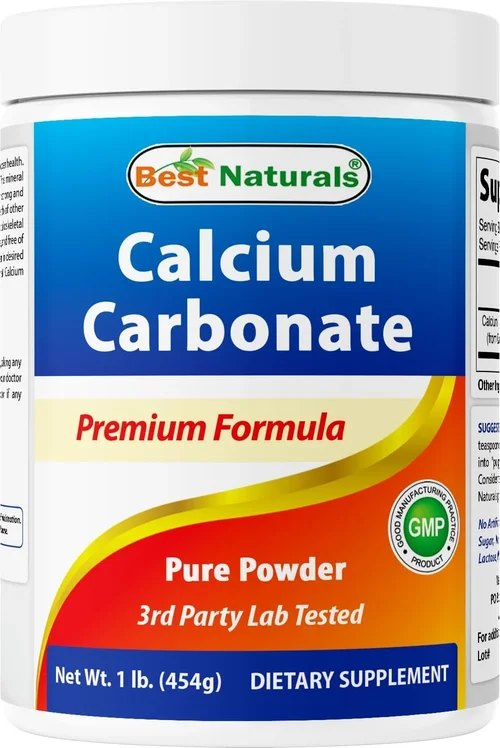
❌ Mistake: Assuming All Calcium Supplements Are Interchangeable
Why it’s bad: Different calcium compounds have vastly different absorption rates, elemental content, and safety profiles. Using human calcium supplements (like Tums) for dogs can lead to overdose, as they’re formulated for much larger bodies and may contain xylitol or other harmful additives.
What to do instead: Always choose a product specifically labeled for canine use. If using a human-grade supplement, verify with your vet that it’s safe, appropriate in form (e.g., plain calcium carbonate without flavorings), and dosed correctly for your dog’s weight.
❌ Mistake: Ignoring the Calcium-to-Phosphorus Ratio
Why it’s bad: Adding calcium without accounting for dietary phosphorus can create dangerous imbalances. Excess calcium relative to phosphorus may suppress thyroid function and cause skeletal deformities in growing puppies, while too little calcium leads to rickets or osteomalacia.
What to do instead: Calculate your dog’s total daily phosphorus intake from all food sources (meat, organs, grains, etc.) using a reliable database like the USDA FoodData Central or BalanceIT software. Then adjust calcium supplementation to achieve a 1:1 to 2:1 ratio.
❌ Mistake: Over-Supplementing “Just to Be Safe”
Why it’s bad: More is not better when it comes to minerals. Chronic calcium overdose can lead to kidney damage, urinary stones, constipation, and impaired absorption of other minerals like zinc and iron.
What to do instead: Follow dosage guidelines based on your dog’s weight and life stage. For adult dogs, the general rule is 50–75 mg of elemental calcium per pound of body weight per day, adjusted for diet. Puppies require less per pound due to rapid growth—consult a veterinary nutritionist for precise calculations.
❌ Mistake: Choosing Based Solely on Price
Why it’s bad: Cheap supplements may contain fillers, inconsistent particle sizes, or untested sources that compromise efficacy and safety. You might end up using more product to achieve the same effect, negating any savings.
What to do instead: Evaluate cost per milligram of usable calcium and prioritize brands with third-party testing. A mid-priced, high-quality supplement often provides better long-term value than the cheapest option.
❌ Mistake: Not Storing Supplements Properly
Why it’s bad: Moisture, heat, and light can degrade calcium powders, causing clumping, reduced potency, or bacterial growth—especially in natural sources like eggshells.
What to do instead: Store supplements in a cool, dry place away from direct sunlight. Use airtight containers and replace lids immediately after use. Discard any product that smells off, changes color, or develops mold.
❌ Mistake: Skipping Veterinary Consultation
Why it’s bad: Every dog is unique. Health conditions like kidney disease, hyperparathyroidism, or certain cancers can be worsened by calcium supplementation. DIY dosing without professional input risks serious harm.
What to do instead: Before starting any supplement regimen, consult your veterinarian—or better yet, a board-certified veterinary nutritionist (DACVN). They can review your dog’s diet, health history, and bloodwork to recommend the safest, most effective approach.
Budget Guidelines: How Much Should You Spend?
Entry-Level ($8–$15): This tier includes basic eggshell powders, generic bone meal, or unbranded calcium carbonate. While affordable, these products often lack third-party testing, precise dosing tools, or consistent quality. Best for short-term use or dogs with minimal supplementation needs, but not recommended for puppies, pregnant females, or long-term feeding without veterinary oversight.
Mid-Range ($16–$30): The sweet spot for most homemade feeders. These supplements typically offer pharmaceutical-grade calcium carbonate or citrate, include calibrated scoops, and come from reputable brands with transparent sourcing. Many are third-party tested and formulated specifically for dogs. Expect good bioavailability, reliable dosing, and decent shelf life. Ideal for adult dogs on balanced diets.
Premium ($31–$50): Designed for enthusiasts, breeders, or dogs with special needs. These products often feature chelated minerals (for enhanced absorption), added vitamin D3 or K2 for bone health, and eco-friendly packaging. Brands in this range frequently collaborate with veterinary nutritionists and publish detailed feeding guides. Worth the investment for growing puppies, lactating mothers, or dogs with absorption issues.
Luxury ($50+): Top-tier formulations with clinical-grade ingredients, personalized dosing plans, and comprehensive support (e.g., diet analysis services). Some include synergistic nutrients like magnesium, boron, or collagen. While excellent for performance dogs or those with complex health conditions, they’re often overkill for the average pet owner. Only consider if recommended by a specialist.

Expert Tips for Getting the Best Deal
– Buy in bulk during seasonal sales: Many pet supplement brands offer 20–30% off during Black Friday, Prime Day, or end-of-year clearance events. Stock up on non-perishable powders when prices dip.
– Subscribe and save: Most online retailers (Chewy, Amazon, PetFlow) offer discounts for auto-delivery. Set a 3–6 month schedule to ensure you never run out while locking in lower prices.
– Check veterinary clinics and holistic pet stores: Some vets carry high-quality supplements at competitive prices, especially if they specialize in nutrition. Local pet stores may also offer loyalty programs or bundle deals.
– Verify return policies: Even the best supplement won’t work if your dog refuses to eat it. Choose retailers with generous return windows (30+ days) in case of palatability issues.
– Test small batches first: Before committing to a large container, buy a sample size or travel pack to see how your dog reacts. Some dogs detect mineral tastes and may reject certain powders.
– Combine with other supplements wisely: If you’re already using a multivitamin, check for overlapping calcium content to avoid double-dosing. Some joint supplements also contain calcium—read labels carefully.
– Use digital scales for precision: Invest in a milligram-accurate kitchen scale ($15–$25) to measure tiny doses for small breeds. This prevents under- or over-supplementation and extends product life.
– Join online communities: Forums like Reddit’s r/HomeCookedDogFood or Facebook groups dedicated to canine nutrition often share discount codes, brand reviews, and batch-testing results.

Frequently Asked Questions
Q: Can I use human calcium supplements for my dog?
A: Generally, no—unless explicitly approved by your vet. Human supplements may contain xylitol (toxic to dogs), excessive vitamin D, or flavorings that are unsafe. Plain calcium carbonate tablets (like Tums Original) can be used in emergencies and dosed appropriately (5–10 mg per pound of body weight), but long-term use should involve a canine-specific product.
Q: How do I know if my dog is getting too much calcium?
A: Signs of hypercalcemia include increased thirst and urination, vomiting, lethargy, constipation, and muscle weakness. In puppies, excess calcium can cause enlarged growth plates, lameness, or joint pain. If you suspect overdose, stop supplementation immediately and contact your vet. Blood tests can confirm calcium levels.
Q: Is eggshell powder safe for dogs?
A: Yes, if prepared correctly. Use only clean, organic eggshells. Boil them for 10 minutes to kill bacteria, dry thoroughly, and grind to a fine powder in a coffee grinder. Store in an airtight container. However, it’s less consistent than commercial supplements and lacks third-party testing—best for supplemental use, not primary calcium source for puppies.
Q: Do I need to add calcium if I feed raw bones?
A: It depends on the type and amount of bone. Meals containing 10–15% edible bone (like chicken necks or wings) typically provide adequate calcium. However, if your diet is mostly muscle meat with occasional bones, you’ll likely still need supplementation. Weigh the bones and calculate calcium content using nutritional databases.
Q: Can calcium supplements cause kidney stones?
A: Excessive calcium intake, especially without adequate hydration, can contribute to calcium oxalate stones in susceptible dogs. However, balanced supplementation within recommended ranges is not a risk factor for most healthy dogs. Ensure your dog drinks plenty of water and avoid over-supplementation.
Q: Should pregnant or nursing dogs get extra calcium?
A: Yes—but carefully. Lactating mothers have very high calcium demands. However, sudden large doses can suppress the body’s natural calcium regulation, leading to eclampsia (milk fever) when demand spikes. Provide consistent, moderate supplementation throughout pregnancy and lactation, and never give bolus doses.
Q: How long does it take to see results from calcium supplementation?
A: For bone health in puppies, improvements in growth rate and skeletal development may be visible within weeks. In adult dogs with mild deficiencies, muscle function and coat quality can improve in 2–4 weeks. However, calcium is a long-term nutrient—don’t expect overnight fixes.
Q: Can I mix calcium powder with wet food?
A: Absolutely. In fact, mixing with wet food or broth helps ensure even distribution and reduces the risk of inhalation. Stir thoroughly to avoid clumping. For dry kibble, lightly moisten the food first to help the powder adhere.
Q: Are there natural foods high in calcium I can add instead?
A: Yes—but they rarely provide enough for complete balance. Sardines (with bones), yogurt, kefir, and cooked leafy greens (kale, bok choy) contain calcium, but quantities needed to meet daily requirements would displace other essential nutrients. Supplements remain the most reliable method for precise dosing.
Our Final Recommendations
Best for Budget-Conscious Buyers: NOW Pets Calcium Carbonate Powder – At under $20 for 16 oz, this pharmaceutical-grade powder offers excellent value with 40% elemental calcium, a calibrated scoop, and NSF certification. Ideal for adult dogs on meat-based homemade diets.
Best Overall Value: Dr. Harvey’s Calcium for Dogs – A finely ground, human-grade calcium carbonate with third-party testing, clear dosing instructions, and a resealable pouch. Priced around $25, it strikes the perfect balance of quality, safety, and affordability.
Best Premium Option: Animal Essentials Calcium Citrate Powder – With superior bioavailability, no fillers, and a focus on digestive health, this $38 supplement is perfect for seniors, sensitive dogs, or those with absorption issues. Includes a precise measuring spoon and is made in the USA.
Best for Beginners: Vital Planet Calcium for Dogs – Comes with a detailed feeding guide, easy-to-use scoop, and mild taste that most dogs accept. Around $28, it’s a stress-free entry point for new homemade feeders.
Best for Advanced Users: BalanceIT Canine Calcium Supplement – Developed by veterinary nutritionists, this product includes a personalized dosing calculator based on your dog’s diet. At $45, it’s an investment in precision nutrition for breeders, performance dogs, or complex cases.
Conclusion: Making the Right Choice
Choosing the right calcium supplement for your homemade dog food isn’t just about checking a box—it’s about safeguarding your dog’s skeletal health, supporting vital bodily functions, and ensuring your carefully prepared meals are truly complete. From understanding bioavailability and sourcing to avoiding common pitfalls and calculating accurate doses, every decision you make contributes to your dog’s long-term well-being.
Remember, there’s no universal “best” supplement—only the one that aligns with your dog’s size, age, diet, and health status. Prioritize transparency, third-party verification, and veterinary guidance over flashy marketing or bargain prices. And never hesitate to seek professional help; a consultation with a veterinary nutritionist can save you time, money, and potential health risks down the line.
By applying the knowledge in this guide, you’re not just feeding your dog—you’re nourishing a lifetime of vitality. Take the next step today: review your current diet, assess your calcium needs, and choose a supplement that gives your furry friend the strong bones and healthy future they deserve.