
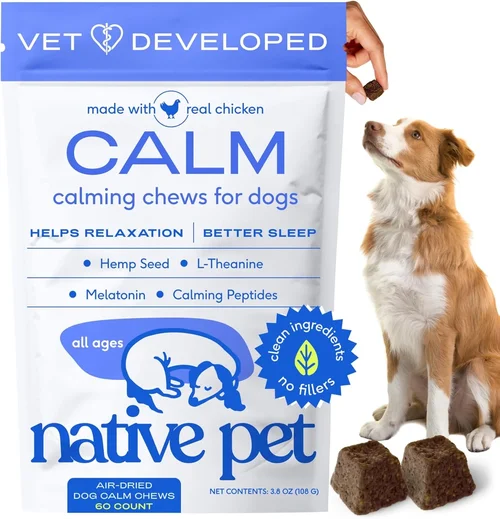
If you’ve ever watched your dog tremble during a thunderstorm, pace nervously before a vet visit, or hide under the bed when guests arrive, you know how distressing canine anxiety can be. It’s not just “bad behavior”—it’s a real emotional struggle that affects your dog’s quality of life. While training, environmental enrichment, and sometimes veterinary intervention are essential, nutrition plays a surprisingly powerful role in managing anxiety. The right diet can support your dog’s nervous system, promote calmness, and even reduce stress-related behaviors over time.
That’s where calming dog food comes in. These specially formulated diets aren’t magic potions, but they’re scientifically designed to support emotional balance through targeted ingredients like tryptophan, L-theanine, omega-3 fatty acids, and adaptogens. In recent years, the market has exploded with options—from prescription-grade formulas to over-the-counter blends—making it harder than ever to choose wisely. This guide cuts through the noise. Whether you’re dealing with separation anxiety, noise phobias, or general nervousness, we’ll help you find the best calming dog food for your pup’s unique needs.
By the end of this comprehensive buying guide, you’ll understand exactly what to look for in a calming diet, how to avoid common pitfalls, and which brands truly deliver on their promises. We’ll break down key ingredients, compare product types, analyze price points, and share expert-backed tips to ensure you make a confident, informed decision. Our goal isn’t just to list products—it’s to empower you with knowledge so your dog can live a happier, calmer life.

What to Look for When Buying Calming Dog Food
1. Active Calming Ingredients
The foundation of any effective calming dog food is its ingredient profile. Look for scientifically supported compounds that directly influence neurotransmitters or the gut-brain axis. Key players include:
– Tryptophan: An essential amino acid that serves as a precursor to serotonin, the “feel-good” hormone. Diets with higher tryptophan levels (typically 0.25% or more) have been shown to reduce stress behaviors in dogs.
– L-Theanine: Found in green tea, this amino acid promotes relaxation without drowsiness. It works by increasing alpha brain waves, which are associated with a calm but alert state.
– Chamomile and Valerian Root: Natural herbs with mild sedative properties. While not as potent as pharmaceuticals, they can help ease mild anxiety when used consistently.
– Omega-3 Fatty Acids (EPA/DHA): Especially from fish oil, these anti-inflammatory fats support brain health and have been linked to reduced aggression and anxiety in multiple studies.
– Probiotics and Prebiotics: Emerging research shows a strong gut-brain connection. Strains like Lactobacillus rhamnosus may help regulate mood by influencing gut microbiota.
Avoid foods that rely solely on marketing buzzwords like “calming” or “relaxation” without listing specific active ingredients. Transparency is key—reputable brands will disclose exact amounts or at least confirm inclusion of clinically studied compounds.
2. High-Quality Protein Sources
Protein isn’t just for muscle—it fuels neurotransmitter production. However, not all proteins are created equal when it comes to anxiety management. Look for:
– Easily digestible, single-source animal proteins (e.g., deboned chicken, turkey, or lamb)
– Limited ingredient formulas if your dog has food sensitivities (which can exacerbate stress)
– Avoidance of common allergens like corn, soy, and artificial additives, which may trigger inflammation and worsen anxiety
High-quality protein ensures your dog gets steady amino acid availability, supporting consistent serotonin and dopamine synthesis. Avoid foods with vague terms like “meat meal” or “by-product meal,” as these offer less bioavailable protein and may contain inconsistent nutrient profiles.
3. Grain-Inclusive vs. Grain-Free Considerations
The grain-free debate continues, but for anxious dogs, the choice matters. Whole grains like oats, brown rice, and quinoa provide complex carbohydrates that help tryptophan cross the blood-brain barrier more efficiently. This is because carbs trigger insulin release, which clears competing amino acids from the bloodstream, allowing tryptophan to enter the brain unimpeded.
That said, if your dog has a diagnosed grain allergy or sensitivity, a grain-free formula with alternative carb sources (like sweet potatoes) may be necessary. The key is balance: don’t automatically assume grain-free is better for anxiety. In fact, many veterinary nutritionists recommend grain-inclusive diets for nervous dogs due to their stabilizing effect on blood sugar and brain chemistry.
4. Added Functional Supplements
Beyond core calming ingredients, top-tier formulas often include additional functional additives:
– Melatonin: A hormone that regulates sleep-wake cycles. Useful for short-term stress (e.g., fireworks, travel), but not ideal for daily use unless prescribed.
– Magnesium: Supports nervous system function; deficiency can contribute to restlessness.
– Vitamin B Complex: B vitamins (especially B6 and B12) are crucial for neurotransmitter synthesis and energy metabolism.
– Antioxidants (Vitamin E, C): Reduce oxidative stress, which is elevated in chronically anxious animals.
These supplements should complement—not replace—a balanced diet. Be cautious of products that overload on supplements while skimping on foundational nutrition.
5. Brand Transparency and Manufacturing Standards
Not all pet food companies prioritize quality control. Look for brands that:
– Manufacture their own food (or use trusted, audited facilities)
– Conduct AAFCO feeding trials (not just formulate to meet nutrient profiles)
– Provide clear sourcing information (e.g., “human-grade,” “sustainably sourced fish”)
– Have veterinary nutritionists on staff
Brands that publish third-party test results for contaminants (heavy metals, mycotoxins) and nutritional adequacy inspire greater confidence. Avoid companies with a history of recalls or vague labeling practices.
6. Palatability and Digestibility
Even the most scientifically sound formula won’t help if your dog refuses to eat it. Anxious dogs are often picky eaters, so palatability is crucial. Look for:
– Real meat as the first ingredient
– Natural flavor enhancers (like chicken fat or liver)
– Moisture-rich options (wet food or fresh/freeze-dried) if your dog has a low appetite
Digestibility matters too—poorly digested food can cause gastrointestinal upset, which may worsen anxiety. High-quality fibers (like pumpkin or beet pulp) support gut health without causing gas or bloating.
7. Life Stage and Breed Appropriateness
Calming needs vary by age, size, and breed. Puppies and senior dogs have different metabolic demands, while large breeds may require joint-supportive nutrients that indirectly affect mobility-related stress. Small breeds might benefit from smaller kibble sizes for easier chewing.
Some breeds (like Border Collies, German Shepherds, and Cavalier King Charles Spaniels) are genetically predisposed to anxiety. Their diets should address both behavioral and physical health needs. Always choose a formula labeled for your dog’s life stage (puppy, adult, senior) unless advised otherwise by your vet.
8. Vet Recommendations and Clinical Backing
While many calming foods are available over the counter, some of the most effective options are vet-formulated or prescription-only. These diets undergo rigorous testing and are often recommended for dogs with severe anxiety disorders.
If your dog’s anxiety significantly impacts daily life (e.g., destructive behavior, self-harm, chronic vocalization), consult your veterinarian before switching foods. They may recommend a therapeutic diet like Hill’s Prescription Diet z/d or Purina Pro Plan Veterinary Diets Calming Care, which are backed by clinical studies.
Even for mild cases, choosing a brand with veterinary endorsement adds credibility. Look for phrases like “formulated with input from board-certified veterinary nutritionists” or “clinically tested for stress reduction.”
Different Types of Calming Dog Food

Common Buying Mistakes to Avoid

❌ Mistake: Choosing Based Solely on Marketing Claims
Why it’s bad: Many brands use terms like “calming,” “soothing,” or “relaxation blend” without disclosing active ingredients or dosages. This creates false expectations and wastes money.
What to do instead: Always read the ingredient list and guaranteed analysis. Look for specific compounds like L-theanine, tryptophan, or omega-3s—not just vague herbal mixes.
❌ Mistake: Ignoring Your Dog’s Individual Needs
Why it’s bad: A food that works for a high-energy Labrador may not suit a sensitive Shih Tzu. Age, weight, activity level, and health conditions all influence nutritional requirements.
What to do instead: Match the food to your dog’s life stage, breed tendencies, and any known sensitivities. When in doubt, consult your vet.
❌ Mistake: Switching Foods Too Quickly
Why it’s bad: Abrupt diet changes can cause digestive upset, which may increase anxiety. It also makes it hard to determine if the new food is truly helping.
What to do instead: Transition gradually over 7–10 days, mixing increasing amounts of the new food with the old. Monitor behavior and stool quality closely.
❌ Mistake: Overlooking Wet vs. Dry Options
Why it’s bad: Anxious dogs often have reduced appetites. Dry kibble may be less appealing, leading to inadequate nutrition.
What to do instead: Consider wet food or adding warm water/broth to kibble to enhance aroma and palatability. Some dogs respond better to softer textures.
❌ Mistake: Assuming All “Natural” Foods Are Better
Why it’s bad: “Natural” is not regulated in pet food and doesn’t guarantee safety or efficacy. Some natural ingredients (like certain herbs) can interact with medications.
What to do instead: Focus on scientifically backed ingredients rather than buzzwords. Verify that natural claims are supported by research or vet recommendations.
❌ Mistake: Not Giving It Enough Time
Why it’s bad: Calming effects from diet are cumulative, not immediate. Many owners give up after a week, missing the full benefit.
What to do instead: Commit to at least 4–6 weeks of consistent feeding before evaluating results. Keep a behavior journal to track subtle improvements.
❌ Mistake: Skipping Veterinary Input for Severe Cases
Why it’s bad: Diet alone cannot resolve severe anxiety disorders, which may require behavioral therapy or medication. Delaying proper treatment can worsen the condition.
What to do instead: Use calming food as part of a holistic plan. Always involve your vet if your dog shows signs of distress like excessive panting, destructive chewing, or withdrawal.
Budget Guidelines: How Much Should You Spend?
– Entry-Level ($1.50–$2.50/lb): These budget-friendly options often contain basic calming ingredients like chamomile or oats but may use lower-quality proteins or fillers. Best for mild, occasional stress (e.g., car rides). Examples include store-brand “sensitive stomach” lines with added herbs. Expect limited clinical backing and variable palatability.
– Mid-Range ($2.50–$4.00/lb): This is the sweet spot for most dog owners. Brands in this tier typically include proven actives like L-theanine, tryptophan, and omega-3s from reputable sources. They balance cost, quality, and effectiveness. Ideal for dogs with moderate anxiety or as preventative support. Look for brands like Wellness Simple, Nutro Wholesome Essentials, or American Journey.
– Premium ($4.00–$6.00/lb): These diets feature human-grade ingredients, novel proteins, and advanced functional additives. Often manufactured in small batches with rigorous quality control. Perfect for dogs with complex needs—such as those with both anxiety and food allergies. Brands like The Honest Kitchen, Open Farm, and Ziwi Peak fall here.
– Luxury ($6.00+/lb): Reserved for fresh, raw, or custom-formulated diets. These offer maximum nutrient bioavailability and minimal processing but require refrigeration and careful handling. Best for owners willing to invest heavily in their dog’s long-term emotional and physical health. Examples include Nom Nom, Farmer’s Dog, and Stella & Chewy’s freeze-dried raw.
Remember: cheaper isn’t always worse, and expensive doesn’t guarantee results. Focus on ingredient quality and suitability for your dog’s specific situation.
Expert Tips for Getting the Best Deal
– Buy in bulk during seasonal sales: Many retailers (Chewy, Petco, Amazon) offer 20–30% off during Black Friday, Prime Day, or end-of-season clearances. Stock up on 3–6 months’ supply if your dog tolerates the food well.
– Subscribe and save: Auto-ship programs often include 5–15% discounts and free shipping. Just set reminders to pause or cancel if needed.
– Check manufacturer websites directly: Some brands (like Purina or Hill’s) offer exclusive coupons, rebates, or free samples not available elsewhere.
– Compare unit prices, not bag sizes: A 10-lb bag at $30 ($3.00/lb) may be cheaper per pound than a 25-lb bag at $70 ($2.80/lb), but only if your dog will eat it before it expires.
– Look for vet clinic partnerships: Some clinics provide discounts on prescription diets for loyal clients. Ask if they have enrollment programs.
– Read return policies carefully: If your dog refuses the food, you want to be able to return unopened bags. Chewy and PetSmart typically offer generous return windows.
– Test with small bags first: Before committing to a large purchase, buy a 4–6 lb bag to assess palatability and digestive tolerance.
– Combine with non-food strategies: Use calming food alongside pheromone diffusers (Adaptil), anxiety wraps (Thundershirt), or training—this enhances overall effectiveness and may reduce long-term costs.

Frequently Asked Questions
Q: Can calming dog food replace anxiety medication?
A: No—calming food supports emotional health but is not a substitute for prescribed medications in severe cases. It works best as part of a comprehensive treatment plan that may include behavior modification, environmental changes, and, when necessary, pharmaceutical intervention.
Q: How long does it take to see results?
A: Most dogs show subtle improvements within 2–3 weeks, with noticeable changes by 4–6 weeks. Consistency is key—skip days and you’ll delay benefits.
Q: Is it safe to feed calming food long-term?
A: Yes, provided the diet is nutritionally complete and balanced. Most over-the-counter calming formulas are designed for daily use. However, if your dog’s anxiety resolves, you can transition back to a standard diet unless otherwise advised.
Q: Can puppies eat calming dog food?
A: Only if the formula is labeled for all life stages or specifically for puppies. Adult calming foods may lack sufficient calories, DHA, or calcium for growing dogs. Always choose age-appropriate nutrition.
Q: What if my dog has kidney disease or other health issues?
A: Consult your vet before switching foods. Some calming ingredients (like phosphorus-rich proteins) may need adjustment for dogs with renal concerns. Therapeutic diets can often be customized.
Q: Do I need to refrigerate fresh calming food?
A: Yes—fresh, raw, or refrigerated diets must be stored properly to prevent bacterial growth. Follow package instructions carefully and use within the recommended timeframe.
Q: Can I mix calming food with regular kibble?
A: Yes, especially during transition periods. However, for maximum effect, aim to feed 100% calming food once your dog adjusts. Mixing dilutes the concentration of active ingredients.
Q: Are there side effects?
A: Generally no, but some dogs may experience mild lethargy (especially with melatonin-containing formulas) or loose stools during the first week. These usually resolve as the body adapts.
Q: What’s the difference between calming treats and calming food?
A: Treats provide short-term relief and are useful for situational stress (e.g., vet visits). Food offers sustained, systemic support through daily nutrition. Use both strategically—but don’t rely solely on treats.
Q: Can senior dogs benefit from calming food?
A: Absolutely. Older dogs often experience cognitive decline (Canine Cognitive Dysfunction), which manifests as confusion, nighttime pacing, and anxiety. Calming diets rich in antioxidants, omega-3s, and medium-chain triglycerides (MCTs) can support brain health and reduce distress.
Our Final Recommendations
– Best for Budget-Conscious Buyers: American Journey Chicken & Sweet Potato Recipe – At around $2.30/lb, this grain-free formula includes L-carnitine and omega-3s, with real chicken as the first ingredient. Great for mild anxiety and sensitive stomachs.
– Best Overall Value: Wellness Simple Limited Ingredient Diet Salmon & Potato – Priced at $3.80/lb, it combines high-quality salmon, prebiotics, and natural calming herbs. Ideal for dogs with food sensitivities and moderate stress.
– Best Premium Option: The Honest Kitchen Human Grade Dehydrated Chicken – At $6.50/lb, this minimally processed food includes organic chicken, flaxseed, and chamomile. Mix with warm water for a comforting meal that supports long-term emotional balance.
– Best for Beginners: Purina Pro Plan Sensitive Skin & Stomach Salmon & Rice – Widely available, vet-trusted, and includes probiotics and omega-3s. Easy transition from standard kibble and suitable for first-time users of calming diets.
– Best for Advanced Users: Hill’s Prescription Diet z/d Ultra Allergen-Free – For dogs with severe anxiety compounded by food allergies. Requires vet authorization but offers clinically proven reduction in stress-related behaviors through hydrolyzed protein and targeted nutrients.
Conclusion: Making the Right Choice
Choosing the best calming dog food isn’t about finding a miracle cure—it’s about supporting your dog’s nervous system with science-backed nutrition. From understanding key ingredients like tryptophan and L-theanine to avoiding common pitfalls like rushed transitions or misleading labels, every decision you make contributes to your dog’s emotional well-being.
Remember, anxiety is multifaceted. While diet is a powerful tool, it works best alongside training, routine, environmental enrichment, and, when needed, professional guidance. Don’t expect overnight miracles, but do expect gradual improvement with consistency and care.
Prioritize transparency, quality, and your dog’s individual needs over flashy packaging or celebrity endorsements. Whether you’re feeding a rescue with a traumatic past or a pampered pup who gets spooked by vacuum cleaners, the right food can make a meaningful difference.
Take the time to read labels, consult your vet, and observe your dog’s response. Your patience and attention will pay off in wagging tails, relaxed bodies, and peaceful nights. Because every dog deserves to feel safe, calm, and loved—starting with what’s in their bowl.