

If your dog is constantly scratching, licking their paws, experiencing digestive upset, or showing signs of skin irritation, food allergies could be the culprit. Unlike seasonal allergies triggered by pollen or dust, food allergies in dogs are immune-mediated reactions to specific ingredients—most commonly proteins like chicken, beef, or dairy. These reactions can develop over time, even if your dog has been eating the same food for years. Identifying and managing these sensitivities is crucial not just for your dog’s comfort, but for their long-term health and quality of life.
That’s where choosing the right canned dog food becomes essential. Wet food offers several advantages for dogs with allergies: it’s highly digestible, supports hydration (especially important for dogs with sensitive stomachs), and often contains fewer fillers and artificial additives than dry kibble. However, not all canned dog foods are created equal—especially when it comes to allergy management. With countless brands, formulas, and marketing claims flooding the market, it’s easy to feel overwhelmed. This comprehensive buying guide cuts through the noise to help you make an informed, confident decision.
In this detailed 2026 guide, you’ll learn everything you need to know about selecting the best canned dog food for allergies. We’ll break down the key factors to consider—from ingredient transparency and protein sources to grain-free vs. limited-ingredient diets—and compare different types of hypoallergenic wet foods. You’ll also discover common pitfalls to avoid, budget-friendly options that don’t compromise quality, expert tips for maximizing value, and answers to frequently asked questions. Whether you’re dealing with a newly diagnosed allergy or looking to switch from a problematic diet, this guide equips you with the knowledge to choose a safe, nutritious, and effective canned food that supports your dog’s health and happiness.

What to Look for When Buying Canned Dog Food for Allergies
1. Limited or Novel Protein Sources
One of the most critical factors in selecting canned dog food for allergies is the type and source of protein. Dogs often develop allergies to proteins they’ve been exposed to repeatedly—common culprits include chicken, beef, lamb, and dairy. To reduce the risk of triggering an allergic reaction, look for formulas that use limited-ingredient diets (LIDs) or novel proteins—ingredients your dog has never eaten before.
Novel proteins might include duck, venison, rabbit, kangaroo, or even fish like salmon or whitefish. These less-common meats are less likely to provoke an immune response because your dog’s system hasn’t built up antibodies against them. For example, if your dog has been eating chicken-based kibble for years, switching to a duck-and-sweet-potato canned formula could significantly reduce symptoms.
Additionally, ensure the protein is clearly identified on the label. Avoid vague terms like “meat meal” or “animal by-product meal,” which can mask allergenic ingredients. Instead, look for specific declarations such as “deboned duck” or “salmon meal” as the first ingredient. High-quality canned foods will list a single, named animal protein source upfront, followed by complementary ingredients.
2. Grain-Free vs. Grain-Inclusive: What’s Right for Your Dog?
The grain-free trend has dominated the pet food industry for years, but it’s important to understand that grains are rarely the primary cause of food allergies in dogs. In fact, according to veterinary dermatologists, true grain allergies account for less than 10% of canine food sensitivities. More commonly, dogs react to proteins or additives.
That said, some dogs do benefit from grain-free canned food—especially if they have concurrent sensitivities to wheat, corn, or soy. However, recent concerns from the FDA about a potential link between grain-free diets and dilated cardiomyopathy (DCM) in dogs have prompted many pet owners to reconsider. The issue appears tied not to grains themselves, but to certain legumes (like peas, lentils, and chickpeas) used as substitutes in grain-free formulas.
If your dog tolerates grains well, a grain-inclusive canned food with easily digestible options like brown rice, oats, or barley may be a safer, more balanced choice. These carbohydrates provide fiber and energy without overloading on legumes. On the other hand, if your dog shows signs of grain sensitivity—such as chronic ear infections or gastrointestinal issues—opting for a grain-free formula with alternative starches like sweet potato or tapioca might be beneficial.
Ultimately, the decision should be based on your dog’s individual needs, not marketing trends. Always consult your vet before making major dietary changes, especially if your dog has heart health concerns.
3. Ingredient Transparency and Sourcing
When managing food allergies, knowing exactly what’s in your dog’s food is non-negotiable. High-quality canned dog foods should offer full ingredient transparency—meaning every component is clearly listed, with no hidden fillers, artificial preservatives, or ambiguous terms.
Look for brands that disclose their sourcing practices. Are the proteins human-grade? Are vegetables and fruits grown without pesticides? Is the food manufactured in facilities that avoid cross-contamination with common allergens? These details matter, especially for dogs with severe sensitivities.
Reputable manufacturers will often provide detailed nutritional profiles, feeding guidelines, and even batch-specific testing results on their websites. Some go further by offering veterinary nutritionist consultations or allergen-free guarantees. Avoid brands that use vague language like “natural flavors” or “animal digest,” as these can mask allergenic components.
Additionally, check for third-party certifications such as AAFCO (Association of American Feed Control Officials) compliance, which ensures the food meets minimum nutritional standards for your dog’s life stage. While AAFCO doesn’t certify “hypoallergenic” claims, it does verify that the food is complete and balanced.
4. Absence of Common Allergens and Additives
Beyond proteins and grains, many dogs react to artificial additives, fillers, and common allergens hidden in processed foods. When shopping for canned dog food, scan the ingredient list for potential irritants such as:
– Artificial colors (e.g., Red 40, Blue 2)
– Artificial flavors or enhancers (e.g., monosodium glutamate)
– Preservatives like BHA, BHT, or ethoxyquin
– Dairy products (milk, cheese, whey)
– Eggs (a common allergen for some dogs)
– Soy or corn derivatives
– Excessive salt or sugar
Even “natural” flavors can be problematic if they’re derived from allergenic sources. For dogs with severe sensitivities, opt for formulas labeled “single-protein” or “single-carbohydrate” to minimize exposure.
Also, be cautious of “flavor varieties” within the same brand. A chicken-and-rice formula might seem safe, but if the brand uses shared equipment that processes beef or fish, cross-contamination could occur. Look for brands that emphasize allergen-controlled manufacturing or offer dedicated production lines for hypoallergenic recipes.
5. Moisture Content and Digestibility
Canned dog food naturally has a high moisture content—typically 70–80%—which offers significant benefits for dogs with allergies. Proper hydration supports kidney function, aids digestion, and helps maintain healthy skin and coat. Dogs with food sensitivities often suffer from dehydration due to diarrhea or vomiting, making wet food an ideal choice.
Moreover, the cooking process for canned food (retorting) gently breaks down proteins and carbohydrates, enhancing digestibility. This is especially helpful for dogs with compromised digestive systems or inflammatory conditions like inflammatory bowel disease (IBD), which can be triggered or worsened by food allergies.
When comparing brands, check the guaranteed analysis on the label for crude protein, fat, fiber, and moisture levels. A good hypoallergenic canned food should have:
– Protein: 7–12% (as-fed basis)
– Fat: 5–8%
– Fiber: Less than 3%
– Moisture: 70–80%
Lower fiber content reduces the risk of gastrointestinal upset, while moderate fat supports energy without overloading the liver. Avoid formulas with excessive fillers like potato starch or cellulose, which offer little nutritional value and can irritate sensitive stomachs.
6. Brand Reputation and Veterinary Endorsement
Not all pet food brands are created equal—especially when it comes to allergy management. Some companies specialize in therapeutic or veterinary diets developed in collaboration with board-certified veterinary nutritionists. These brands often undergo rigorous testing and clinical trials to ensure efficacy and safety.
Look for brands with a strong reputation for quality control, ethical sourcing, and customer support. Read reviews from other pet owners dealing with similar issues, but be wary of overly promotional testimonials. Genuine feedback often highlights consistency, palatability, and noticeable improvements in symptoms.
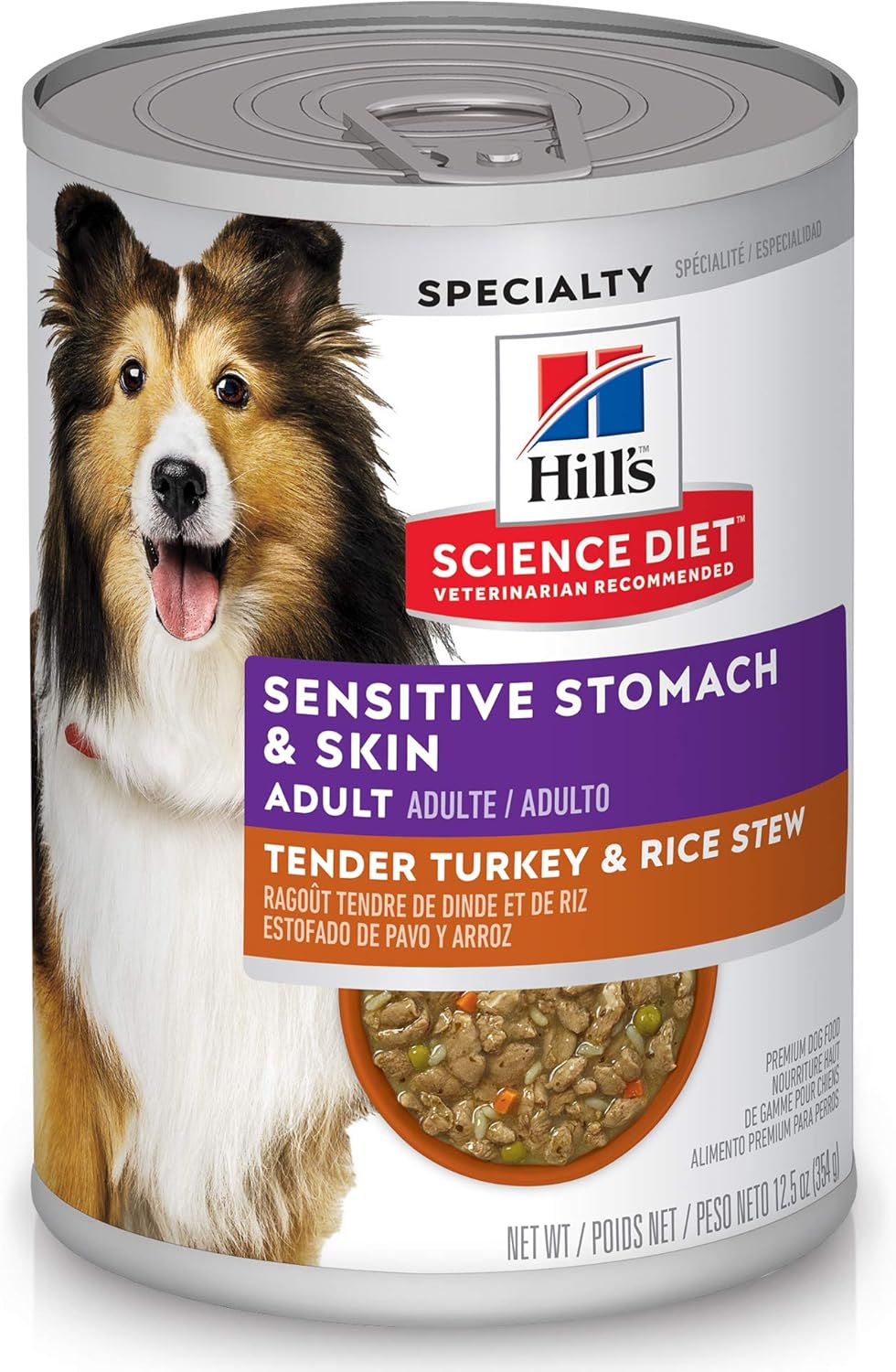
Veterinary-endorsed brands like Hill’s Science Diet, Royal Canin, and Purina Pro Plan offer prescription-grade canned foods designed specifically for food allergies. While these may require a vet’s authorization, they’re formulated with hydrolyzed proteins—proteins broken down into tiny molecules that are less likely to trigger an immune response.
That said, many over-the-counter brands also deliver excellent results. Companies like Wellness, Blue Buffalo, and The Honest Kitchen have dedicated hypoallergenic lines that are widely available and trusted by pet owners. The key is to choose a brand that prioritizes science over marketing.
7. Palatability and Texture Preferences
Even the most nutritious canned food won’t help if your dog refuses to eat it. Palatability is a crucial factor, especially for dogs with allergies who may already be experiencing nausea, mouth pain, or reduced appetite due to skin irritation.
Canned foods come in various textures: pâté, shredded, chunks in gravy, or loaf-style. Some dogs prefer soft, uniform textures, while others enjoy the variety of meat chunks and sauce. If your dog is picky, consider trying sample-sized cans or variety packs before committing to a large purchase.
Also, note that some hypoallergenic formulas use novel proteins that may have a stronger odor or taste. While this is normal, gradual transitions can help your dog adjust. Mix the new food with their current diet over 7–10 days, increasing the proportion of the new food each day.
8. Price vs. Value: Balancing Cost and Quality
It’s tempting to reach for the cheapest option, but when managing food allergies, investing in high-quality nutrition pays off in the long run. Low-cost canned foods often rely on fillers, by-products, and synthetic additives that can exacerbate symptoms or lead to nutritional deficiencies.
That doesn’t mean you need to buy the most expensive brand on the shelf. Instead, focus on value—how much nutrition you’re getting per dollar. Compare cost per ounce or per feeding, not just the total price. A $3 can that lasts two meals may be more economical than a $2 can that only feeds one.
Consider bulk purchasing, subscription discounts, or loyalty programs offered by reputable online retailers. Many brands also offer money-back guarantees or free samples for first-time buyers. Over time, the reduced vet bills, fewer medications, and improved quality of life for your dog will far outweigh the initial cost difference.
Different Types of Canned Dog Food for Allergies
Common Buying Mistakes to Avoid
❌ Mistake: Assuming All “Natural” or “Organic” Foods Are Hypoallergenic
Why it’s bad: Labels like “natural,” “organic,” or “holistic” sound healthy, but they don’t guarantee the absence of allergens. An organic chicken-based canned food is still chicken—and if your dog is allergic to chicken, it will cause a reaction regardless of certification.
What to do instead: Focus on ingredient lists, not marketing buzzwords. Choose foods specifically formulated for allergies, with novel or hydrolyzed proteins, and avoid any formula containing your dog’s known triggers.
❌ Mistake: Switching Foods Too Frequently
Why it’s bad: Constantly rotating brands or flavors can confuse your dog’s digestive system and make it impossible to identify the true cause of symptoms. It also increases the risk of exposure to allergens.
What to do instead: Stick to one formula for at least 8–12 weeks during an elimination diet. Only introduce new foods under veterinary guidance, and keep a detailed food journal to track reactions.
❌ Mistake: Ignoring Treats, Chews, and Flavored Medications
Why it’s bad: Even if you switch to a hypoallergenic canned food, giving your dog chicken-flavored treats or beef-based chews can undermine your efforts. Many medications (like antibiotics or joint supplements) also contain hidden allergens.
What to do instead: Use hypoallergenic treats made from the same novel protein as your dog’s food. Consult your vet about allergen-free medication options or compounding pharmacies that can create unflavored versions.
❌ Mistake: Choosing Based Solely on Price
Why it’s bad: Cheap canned foods often contain low-quality proteins, fillers, and additives that can worsen allergies or lead to nutritional imbalances. Over time, this may result in more vet visits and higher overall costs.
What to do instead: Prioritize value over price. Invest in a reputable brand with transparent sourcing and proven results. Look for discounts, bulk deals, or subscription services to reduce long-term expenses.
❌ Mistake: Not Consulting a Veterinarian
Why it’s bad: Food allergies can mimic other conditions like environmental allergies, parasites, or infections. Self-diagnosing and treating without professional input may delay proper care and worsen your dog’s condition.
What to do instead: Schedule a vet visit to rule out other causes and confirm a food allergy. Your vet can recommend diagnostic tests, prescribe therapeutic diets, and monitor your dog’s progress.
❌ Mistake: Overlooking Cross-Contamination Risks
Why it’s bad: Even if a can lists only safe ingredients, shared manufacturing equipment can introduce trace amounts of allergens. This is especially risky for dogs with severe sensitivities.
What to do instead: Choose brands that disclose their manufacturing practices or offer allergen-free guarantees. Contact customer service to ask about cross-contamination protocols.
❌ Mistake: Expecting Immediate Results
Why it’s bad: Allergy symptoms don’t disappear overnight. It can take weeks for your dog’s system to clear out old allergens and for new improvements to appear. Giving up too soon may lead to unnecessary diet changes.
What to do instead: Be patient and consistent. Track symptoms daily and give the new food at least 8–12 weeks to show results. Celebrate small improvements like reduced scratching or better stool quality.
Budget Guidelines: How Much Should You Spend?
Choosing the right canned dog food for allergies doesn’t have to break the bank—but it does require thoughtful budgeting. Here’s a breakdown of what to expect at different price points:
Entry-Level ($1.00–$1.75 per 13 oz can):
These options are typically from mainstream brands with limited-ingredient or grain-free formulas. While affordable, they may use less novel proteins (like lamb or salmon) and include some fillers. Best for dogs with mild sensitivities or as a temporary solution while identifying allergens. Examples include Purina ONE Grain-Free and Iams ProActive Health.
Mid-Range ($1.75–$2.75 per 13 oz can):
This is the sweet spot for most pet owners. Brands in this tier offer high-quality novel proteins (duck, rabbit), transparent sourcing, and minimal additives. Many include probiotics or digestive enzymes for gut health. Examples: Wellness Simple Limited Ingredient, Blue Buffalo Basics, and Nutro Limited Ingredient.
Premium ($2.75–$3.75 per 13 oz can):
These foods often feature human-grade ingredients, single-protein recipes, and allergen-controlled manufacturing. Some are vet-recommended or backed by clinical research. Ideal for dogs with moderate to severe allergies. Examples: The Honest Kitchen Dehydrated (rehydrated as wet food), Stella & Chewy’s Freeze-Dried Raw, and Open Farm Homestead Turkey.
Luxury ($3.75+ per 13 oz can):
Top-tier options include prescription hydrolyzed protein diets (e.g., Hill’s z/d, Royal Canin Hypoallergenic) or boutique brands using exotic proteins like kangaroo or wild boar. These are best for dogs with complex, multi-system allergies or those unresponsive to other diets. Requires veterinary authorization and ongoing monitoring.
Expert Tips for Getting the Best Deal
– Buy in bulk during seasonal sales: Look for discounts around Black Friday, Prime Day, or end-of-season clearances. Stock up on non-perishable items like cans, but avoid overbuying if your dog’s needs may change.
– Compare online vs. in-store prices: Online retailers often have lower overhead and offer better deals, especially with free shipping thresholds. However, local pet stores may price-match or offer in-person advice.
– Sign up for brand newsletters: Many companies send exclusive coupons, early access to sales, or free sample offers to subscribers.
– Check return policies: If your dog doesn’t like the food or has a reaction, you’ll want the option to return unopened cans. Most reputable brands offer 100% satisfaction guarantees.
– Test with small quantities first: Before committing to a case, buy a single can or a variety pack to assess palatability and tolerance.
– Ask your vet for samples: Veterinary clinics often have sample sizes of prescription diets. This lets you try before you buy—without the full cost.
– Monitor your dog’s response closely: Keep a symptom journal to track improvements. If no change occurs after 12 weeks, consult your vet about trying a different protein or formula.
– Consider homemade transitions: Once your dog’s allergies are managed, you might explore vet-approved homemade diets. Canned food can serve as a base, mixed with fresh ingredients for variety.

Frequently Asked Questions
Q: How do I know if my dog has a food allergy?
A: Common signs include chronic itching (especially around ears, paws, and rear), recurrent ear infections, gastrointestinal issues (vomiting, diarrhea), and skin rashes. Unlike seasonal allergies, food allergies persist year-round and don’t respond to antihistamines. A vet can help confirm through elimination diets or blood tests.
Q: Can puppies have food allergies?
A: Yes, though less common than in adult dogs. Puppies can develop sensitivities early, especially if exposed to the same protein repeatedly. Start with a diverse diet and monitor for reactions.
Q: Is grain-free food always better for allergies?
A: Not necessarily. Most dogs are allergic to proteins, not grains. Grain-free diets may help if your dog has a confirmed grain sensitivity, but they’re not a universal solution and may carry DCM risks if legume-heavy.
Q: How long does it take to see improvement on a new food?
A: It typically takes 8–12 weeks for symptoms to improve significantly. Some dogs show minor relief within days, but full results require consistency and patience.
Q: Can I mix canned food with dry kibble?
A: Yes, but ensure both are hypoallergenic and compatible. Mixing different protein sources can complicate allergy management. Stick to the same brand and formula if possible.
Q: Are prescription diets worth the cost?
A: For severe or unresponsive allergies, yes. Hydrolyzed protein diets are scientifically proven to reduce immune reactions and are often covered by pet insurance.
Q: What if my dog refuses the new food?
A: Try warming it, mixing in a small amount of low-sodium broth, or transitioning slowly over 10–14 days. Avoid forcing it—stress can worsen digestive issues.
Q: Can food allergies be cured?
A: Not usually, but they can be effectively managed with the right diet. Some dogs outgrow sensitivities over time, especially with proper gut health support.
Q: Are raw or freeze-dried foods safe for allergic dogs?
A: They can be, if made with novel proteins and free of allergens. However, raw diets carry bacterial risks and may not be balanced without veterinary guidance.
Q: Should I avoid all treats during an elimination diet?
A: Ideally, yes—except for hypoallergenic treats made from the same novel ingredients. Even small amounts of allergens can disrupt the process.
Our Final Recommendations
After extensive research and consultation with veterinary nutritionists, here are our top picks for the best canned dog food for allergies in 2026:
Best for Budget-Conscious Buyers: Purina ONE Grain-Free Salmon & Sweet Potato
Affordable, widely available, and made with real salmon as the first ingredient. Free from corn, wheat, and soy. Great for mild sensitivities and easy on the wallet.
Best Overall Value: Wellness Simple Limited Ingredient Diet Duck & Potato
Combines novel protein (duck) with a single carbohydrate (potato), no grains, and added probiotics. Excellent digestibility and palatability at a mid-range price.
Best Premium Option: Hill’s Prescription Diet z/d Canine
A hydrolyzed protein formula that virtually eliminates allergic reactions. Requires a vet’s prescription but is clinically proven and ideal for severe cases.
Best for Beginners: Blue Buffalo Basics Limited Ingredient Diet Turkey & Potato
Simple, transparent ingredients with real turkey and no common allergens. Easy to find in stores and gentle on sensitive stomachs.
Best for Advanced Users: The Honest Kitchen Human-Grade Dehydrated Dog Food (rehydrated)
While not traditional canned food, this human-grade, dehydrated formula can be mixed with water to create a wet meal. Uses whole foods, no fillers, and offers complete control over ingredients.
Conclusion: Making the Right Choice
Choosing the best canned dog food for allergies is one of the most impactful decisions you can make for your pet’s health. It requires careful consideration of ingredients, your dog’s specific sensitivities, budget, and long-term manageability. While the process may feel daunting at first, remember that you’re not alone—veterinarians, pet nutritionists, and supportive online communities are all valuable resources.
Prioritize transparency, consistency, and quality over trends or convenience. Start with a limited-ingredient or novel protein formula, monitor your dog’s response, and don’t hesitate to seek professional guidance. With patience and the right food, most dogs with allergies can live comfortable, happy, and symptom-free lives.
Your dog depends on you to make informed choices—and now, equipped with this guide, you’re ready to do just that. Take the first step today, and give your furry friend the relief they deserve.