

Canned dog food has become a staple in many pet households, offering a convenient, palatable, and nutritionally rich alternative or supplement to dry kibble. As pet owners increasingly prioritize their dogs’ health and well-being, the demand for high-quality wet food has surged. Whether you’re feeding a picky eater, managing a dog with sensitive digestion, or simply looking to add variety to your pup’s diet, choosing the right canned dog food can make a significant difference in their energy levels, coat condition, and overall vitality. With hundreds of brands and formulations flooding the market, navigating the options can feel overwhelming—especially when you’re trying to balance nutrition, ingredients, cost, and your dog’s unique needs.
This comprehensive buying guide is designed to cut through the noise and help you make an informed, confident decision. Whether you’re a first-time dog owner or a seasoned pet parent, you’ll learn how to evaluate canned dog food like a pro. We’ll break down the most important factors to consider—from ingredient quality and nutritional balance to price, brand reputation, and special dietary needs. You’ll also discover the different types of canned dog food available, common pitfalls to avoid, and expert tips to get the best value for your money. By the end of this guide, you’ll have a clear roadmap to selecting the best canned dog food that supports your dog’s health, happiness, and long-term wellness.
The canned dog food market has evolved dramatically over the past decade. What was once a simple choice between a few basic meat-and-vegetable blends has transformed into a sophisticated landscape featuring grain-free recipes, limited-ingredient diets, novel proteins, and even veterinary-prescribed formulas. Major brands like Hill’s Science Diet, Royal Canin, Purina Pro Plan, and Blue Buffalo now compete with premium and boutique lines such as The Honest Kitchen, Wellness CORE, and Ziwi Peak. Meanwhile, online retailers and subscription services have made it easier than ever to access high-quality options, often with auto-ship discounts and personalized recommendations. With so many choices, it’s more important than ever to understand what truly matters when selecting a product—because not all canned dog food is created equal.
What to Look for When Buying Canned Dog Food
1. Ingredient Quality and Sourcing
The foundation of any great canned dog food is its ingredient list. High-quality ingredients not only improve palatability but also directly impact your dog’s digestion, energy, and immune function. Start by looking for real, named animal proteins as the first ingredient—such as “chicken,” “beef,” or “salmon”—rather than vague terms like “meat meal” or “animal by-products.” Whole meats provide complete amino acid profiles essential for muscle maintenance and overall health. Avoid foods that list corn, soy, or wheat as primary fillers, as these are often used to bulk up the product with low-nutrient carbohydrates.
Also pay attention to the source of ingredients. Premium brands often highlight human-grade or ethically sourced meats, and some even provide traceability information. For example, Ziwi Peak uses free-range lamb from New Zealand, while The Honest Kitchen sources non-GMO vegetables and cage-free poultry. If your dog has food sensitivities, look for limited-ingredient diets that minimize potential allergens. Additionally, check for artificial additives like colors, flavors, or preservatives (e.g., BHA, BHT, ethoxyquin), which have been linked to health concerns in some studies.
2. Nutritional Adequacy and AAFCO Compliance
Not all canned dog food meets the nutritional standards required for long-term feeding. The Association of American Feed Control Officials (AAFCO) sets guidelines for complete and balanced pet nutrition, and reputable brands will clearly state on the label whether their food meets these standards. Look for phrases like “complete and balanced nutrition for adult maintenance” or “formulated to meet the nutritional levels established by the AAFCO Dog Food Nutrient Profiles.” This ensures the food provides all essential vitamins, minerals, fatty acids, and amino acids your dog needs.
Be cautious of “grain-free” or “natural” labels—these terms are not regulated and don’t guarantee nutritional completeness. In fact, some grain-free diets have been linked to dilated cardiomyopathy (DCM) in dogs due to potential taurine deficiencies, especially when legumes like peas or lentils are used as primary ingredients. Always verify that the food is appropriate for your dog’s life stage (puppy, adult, senior) and activity level. Puppies, for instance, require higher levels of protein, fat, and calcium than adult dogs.
3. Protein Content and Source
Protein is the cornerstone of a dog’s diet, supporting everything from muscle development to immune function. Canned dog food typically contains higher moisture content (70–80%) than kibble, which can make protein percentages appear lower on a dry matter basis. To compare accurately, calculate the dry matter protein content by removing the moisture. For example, if a can lists 10% protein and 78% moisture, the dry matter protein is approximately 45%—a solid level for most adult dogs.
High-protein diets (30–45% dry matter) are ideal for active dogs, working breeds, or those recovering from illness. However, dogs with kidney disease may require lower protein levels, so always consult your vet for medical conditions. The source of protein matters too: animal-based proteins (chicken, beef, fish) are more bioavailable than plant-based ones. Some dogs thrive on novel proteins like duck, venison, or rabbit, especially if they’ve developed allergies to common meats like chicken or beef.
4. Moisture Content and Hydration Benefits
One of the biggest advantages of canned dog food is its high moisture content, which supports urinary tract health and helps prevent dehydration—especially important for dogs who don’t drink enough water. Dogs evolved from wolves that obtained much of their hydration from prey, so wet food aligns more closely with their natural dietary needs. This is particularly beneficial for senior dogs, those with kidney issues, or breeds prone to urinary crystals (like Dalmatians or Shih Tzus).
While most canned foods range from 70% to 80% moisture, some brands offer even higher levels, especially in broth-based or stew-style recipes. However, be aware that high moisture can reduce shelf life once opened, so store leftovers in the refrigerator and use within 3–5 days. If your dog is prone to weight gain, monitor portion sizes carefully, as wet food can be more calorie-dense per volume than kibble.
5. Grain-Free vs. Grain-Inclusive Diets
The grain-free trend has dominated the pet food industry for years, but recent research suggests it’s not always the best choice. While some dogs benefit from grain-free diets due to allergies or sensitivities, most can digest grains like rice, oats, and barley without issue. In fact, whole grains provide valuable fiber, B vitamins, and slow-releasing energy. The FDA has investigated a potential link between grain-free diets and DCM, particularly in breeds not genetically predisposed to the condition.
If your dog shows signs of food intolerance—such as itching, ear infections, or digestive upset—a grain-free or limited-ingredient diet may be worth trying under veterinary supervision. However, for the average healthy dog, grain-inclusive formulas can be just as nutritious and often more affordable. Look for whole grains rather than refined flours, and avoid recipes that replace grains with high amounts of legumes or potatoes, which may contribute to taurine deficiency.
6. Brand Reputation and Transparency
Not all pet food brands are created equal when it comes to ethics, sourcing, and manufacturing practices. Established brands like Hill’s Science Diet and Royal Canin have decades of research backing their formulations and often work with veterinary nutritionists. However, smaller, independent brands may offer more transparency about sourcing and production. Look for companies that publish ingredient origins, conduct third-party testing, and are open about their manufacturing facilities.
Check for recalls—brands with a history of frequent recalls may have quality control issues. The FDA maintains a public database of pet food recalls, which you can search by brand or ingredient. Additionally, read customer reviews on trusted platforms like Chewy, Amazon, or Petco, but be wary of overly promotional or fake reviews. Look for consistent feedback about palatability, digestion, and coat improvement.
7. Price and Value for Money
Canned dog food varies widely in price, from budget-friendly options under $1 per can to premium brands exceeding $3 per can. While cost is a factor, it shouldn’t be the only one. A cheaper food may save you money upfront but could lead to higher vet bills if it causes digestive issues or lacks essential nutrients. Conversely, the most expensive option isn’t always the best—some luxury brands charge a premium for marketing rather than superior ingredients.
Calculate the cost per pound or per meal to compare value. For example, a 13-ounce can at $2.50 equals about $3.08 per pound, while a 5.5-ounce can at $1.75 is roughly $5.09 per pound. Consider buying in bulk or subscribing to auto-ship programs for discounts. Also, factor in your dog’s appetite—some dogs eat more wet food than kibble due to its palatability, which can increase long-term costs.
8. Special Dietary Needs and Life Stages
Every dog is unique, and their dietary needs change with age, health, and lifestyle. Puppies require higher calories, protein, and calcium for growth, while senior dogs may benefit from joint-supporting ingredients like glucosamine and lower phosphorus for kidney health. Dogs with medical conditions—such as diabetes, pancreatitis, or food allergies—often need prescription or therapeutic diets available through veterinarians.
If your dog has a sensitive stomach, look for easily digestible proteins like turkey or lamb, and avoid common irritants like corn, soy, or artificial additives. For weight management, choose low-fat, high-fiber formulas. Some brands offer breed-specific recipes (e.g., for small breeds or large breeds), which may include kibble-sized chunks or added joint support. Always consult your vet before switching to a specialized diet, especially if your dog has a diagnosed condition.
Different Types of Canned Dog Food

Common Buying Mistakes to Avoid

❌ Mistake: Choosing Based Solely on Price
Why it’s bad: Opting for the cheapest canned dog food often means sacrificing ingredient quality and nutritional balance. Low-cost brands may use meat by-products, fillers, and artificial preservatives that can lead to digestive issues, allergies, or long-term health problems.
What to do instead: Focus on value, not just cost. Compare ingredient lists and nutritional profiles across brands. A slightly more expensive option with real meat and no fillers is often a better investment in your dog’s health.
❌ Mistake: Ignoring the Ingredient List
Why it’s bad: The front of the can may feature appealing images and buzzwords like “natural” or “premium,” but the real story is in the ingredients. Hidden fillers, unnamed meat sources, or excessive carbohydrates can undermine the food’s benefits.
What to do instead: Always read the ingredient list first. Prioritize foods with whole, recognizable ingredients and avoid those with vague terms like “meat meal” or “animal digest.”
❌ Mistake: Overlooking Life Stage and Activity Level
Why it’s bad: Feeding a high-protein puppy formula to a senior dog with kidney issues can worsen their condition. Similarly, an active working dog may not get enough calories from a weight-management recipe.
What to do instead: Match the food to your dog’s age, size, and lifestyle. Check the label for AAFCO statements indicating suitability for your dog’s life stage.
❌ Mistake: Switching Foods Too Quickly
Why it’s bad: Sudden dietary changes can cause diarrhea, vomiting, or refusal to eat. Dogs have sensitive digestive systems that need time to adapt.
What to do instead: Transition gradually over 7–10 days, mixing increasing amounts of the new food with the old. Monitor your dog’s stool and appetite during the switch.
❌ Mistake: Feeding Only Wet Food Without Monitoring Calories
Why it’s bad: Wet food is often more calorie-dense than it appears due to high moisture content. Overfeeding can lead to obesity, especially in less active dogs.
What to do instead: Follow feeding guidelines on the label and adjust based on your dog’s weight, activity, and body condition. Use a measuring cup to avoid guesswork.
❌ Mistake: Believing All “Natural” or “Organic” Labels
Why it’s bad: Terms like “natural” and “organic” are not strictly regulated in pet food. Some brands use them for marketing without meeting high standards.
What to do instead: Look for third-party certifications like USDA Organic or AAFCO compliance. Research the brand’s sourcing and manufacturing practices.
❌ Mistake: Not Consulting a Veterinarian for Medical Conditions
Why it’s bad: Self-prescribing diets for dogs with health issues can be dangerous. For example, a high-protein diet may harm a dog with kidney disease.
What to do instead: Always consult your vet before changing your dog’s diet, especially if they have a diagnosed condition. They can recommend therapeutic or prescription foods tailored to your dog’s needs.
Budget Guidelines: How Much Should You Spend?
- Entry-Level ($0.80 – $1.50 per can): These budget-friendly options are widely available at grocery stores and big-box retailers. Brands like Pedigree, Iams, and Purina ONE offer basic pate and gravy styles with recognizable ingredients. While they meet AAFCO standards, they often include fillers like corn or wheat and may use meat by-products. Best for occasional feeding or as a topper, but not ideal for long-term exclusive use.
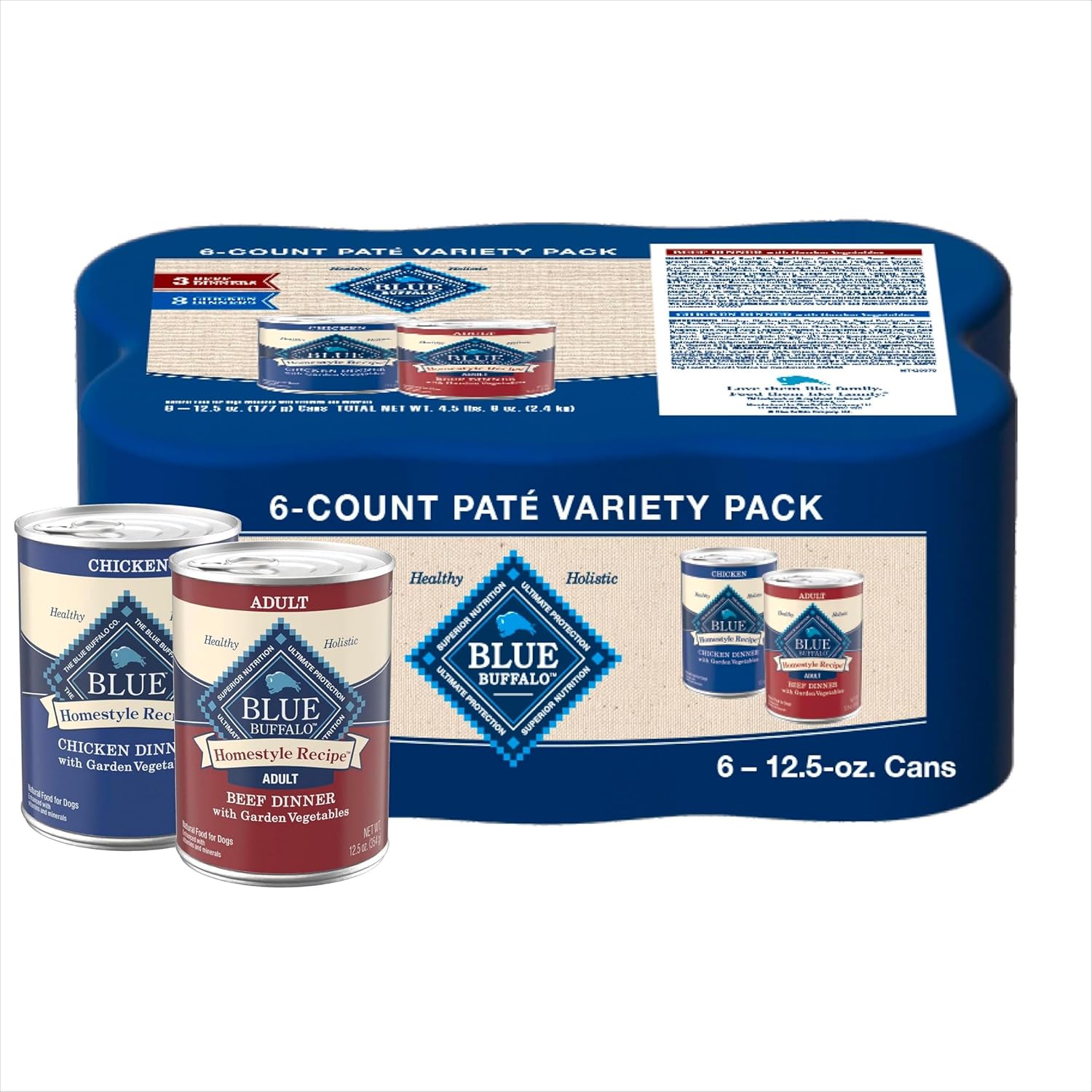
- Mid-Range ($1.50 – $2.50 per can): This is the sweet spot for most dog owners. Brands like Blue Buffalo, Merrick, and Wellness offer high-quality proteins, limited fillers, and added vitamins. Many include grain-free or limited-ingredient options. These foods strike a balance between affordability and nutrition, making them suitable for daily feeding.
- Premium ($2.50 – $3.50 per can): Premium brands like The Honest Kitchen, Ziwi Peak, and Open Farm focus on human-grade ingredients, ethical sourcing, and transparent supply chains. They often use novel proteins, organic vegetables, and avoid artificial additives. Ideal for dogs with sensitivities or owners who prioritize ingredient integrity.
- Luxury ($3.50+ per can): At the top end are boutique and air-dried wet foods, such as those from Nom Nom or Caru. These often feature whole cuts of meat, minimal processing, and custom formulations. While expensive, they offer exceptional palatability and nutrition, often recommended for show dogs or those with complex dietary needs.
Expert Tips for Getting the Best Deal
- Buy in Bulk or Subscribe: Many online retailers like Chewy, Amazon, and Petco offer discounts for auto-ship subscriptions or bulk purchases. You can save 10–20% by committing to regular deliveries.
- Watch for Seasonal Sales: Major holidays like Black Friday, Cyber Monday, and Prime Day often feature deep discounts on pet food. Sign up for brand newsletters to get early access to promotions.
- Compare Unit Prices: Don’t just look at the total cost—calculate the price per ounce or per pound. A larger can may seem more expensive but offer better value.
- Check Return Policies: If your dog doesn’t like a new food, you want the option to return it. Most reputable retailers allow returns within 30 days, even for opened cans.
- Test Small Quantities First: Before committing to a case, buy a single can or two to see if your dog enjoys it and tolerates it well.
- Look for Coupons and Rewards: Use apps like Rakuten or Honey for cashback, and join loyalty programs at pet stores for points and exclusive deals.
- Consider Mixing Wet and Dry: Combining canned food with kibble can reduce costs while still providing the benefits of moisture and palatability.
- Read the Fine Print on Subscriptions: Some auto-ship programs auto-renew at full price after the discount period. Set calendar reminders to review or cancel if needed.
Frequently Asked Questions
Q: Is canned dog food better than dry kibble?
A: Not necessarily—both have pros and cons. Canned food offers higher moisture, better palatability, and can be easier to digest, making it ideal for picky eaters or dogs with urinary issues. Dry kibble is more convenient, cost-effective, and can help with dental health due to its crunchy texture. Many owners choose to feed a combination of both for balanced nutrition.
Q: How long does opened canned dog food last?
A: Once opened, canned dog food should be refrigerated and used within 3–5 days. Transfer leftovers to an airtight container to preserve freshness and prevent contamination. Do not leave opened cans at room temperature for more than 2 hours.
Q: Can I feed my dog only canned food?
A: Yes, as long as the food is complete and balanced according to AAFCO standards. Many dogs thrive on an all-wet diet, especially if they have dental problems or low water intake. Just monitor calorie intake to avoid weight gain.
Q: Is grain-free dog food healthier?
A: Not always. While grain-free diets can help dogs with grain allergies, most dogs digest grains just fine. Recent studies suggest grain-free diets may increase the risk of DCM in some breeds. Consult your vet before switching.
Q: How much canned food should I feed my dog?
A: Feeding guidelines vary by brand, size, and activity level. Most cans include a chart based on weight. Start with the recommended amount and adjust based on your dog’s body condition. Overfeeding can lead to obesity, while underfeeding may cause weight loss.
Q: Can puppies eat adult canned dog food?
A: It’s not ideal. Puppies need higher levels of protein, fat, and calcium for growth. Adult food may not provide enough nutrients. Choose a formula labeled for “growth” or “all life stages” if feeding puppies.
Q: What should I do if my dog refuses canned food?
A: Try warming the food slightly to enhance aroma, mixing it with a small amount of warm water or broth, or gradually transitioning from kibble. Some dogs prefer pate over chunks, or vice versa. Patience and experimentation are key.
Q: Are expensive brands worth the cost?
A: It depends on your dog’s needs. Premium brands often use higher-quality ingredients and better sourcing, which can benefit dogs with sensitivities or allergies. However, many mid-range brands offer excellent nutrition at a lower price. Focus on ingredient quality, not just the price tag.
Q: Can I mix different brands of canned food?
A: Yes, but do so gradually to avoid digestive upset. Mixing brands can add variety and balance nutrients, but ensure both foods are complete and balanced. Avoid mixing prescription diets without veterinary approval.
Q: How do I know if my dog is allergic to their food?
A: Common signs include itching, ear infections, hot spots, vomiting, diarrhea, or excessive gas. Food allergies often develop over time, even to ingredients your dog has eaten before. An elimination diet under veterinary supervision is the best way to identify triggers.
Our Final Recommendations
- Best for Budget-Conscious Buyers: Purina ONE Grain-Free Wet Dog Food – Offers real meat as the first ingredient, no grains, and AAFCO compliance at under $1.50 per can. Great for daily feeding without breaking the bank.
- Best Overall Value: Blue Buffalo Homestyle Recipe – Features deboned chicken, garden vegetables, and no artificial preservatives. Priced around $2.20 per can, it balances quality and affordability.
- Best Premium Option: Ziwi Peak Air-Dried Mackerel & Lamb – Made with free-range lamb and wild-caught mackerel, this high-protein, grain-free recipe is ideal for dogs with sensitivities. Priced at $3.80 per can, it’s a top-tier choice.
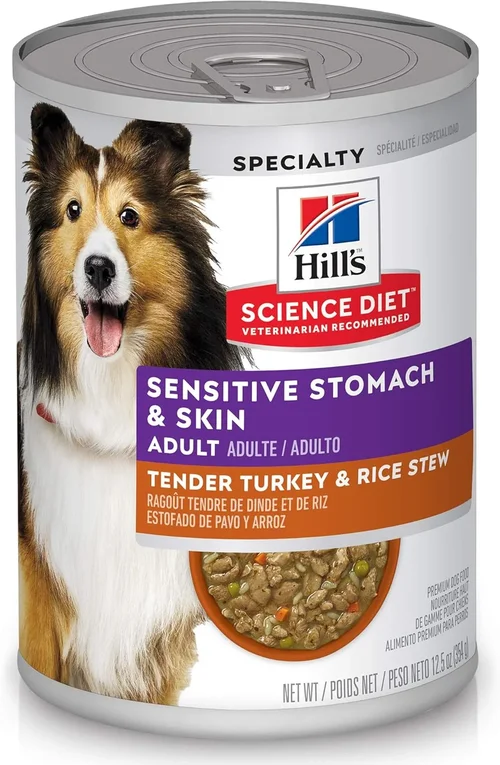
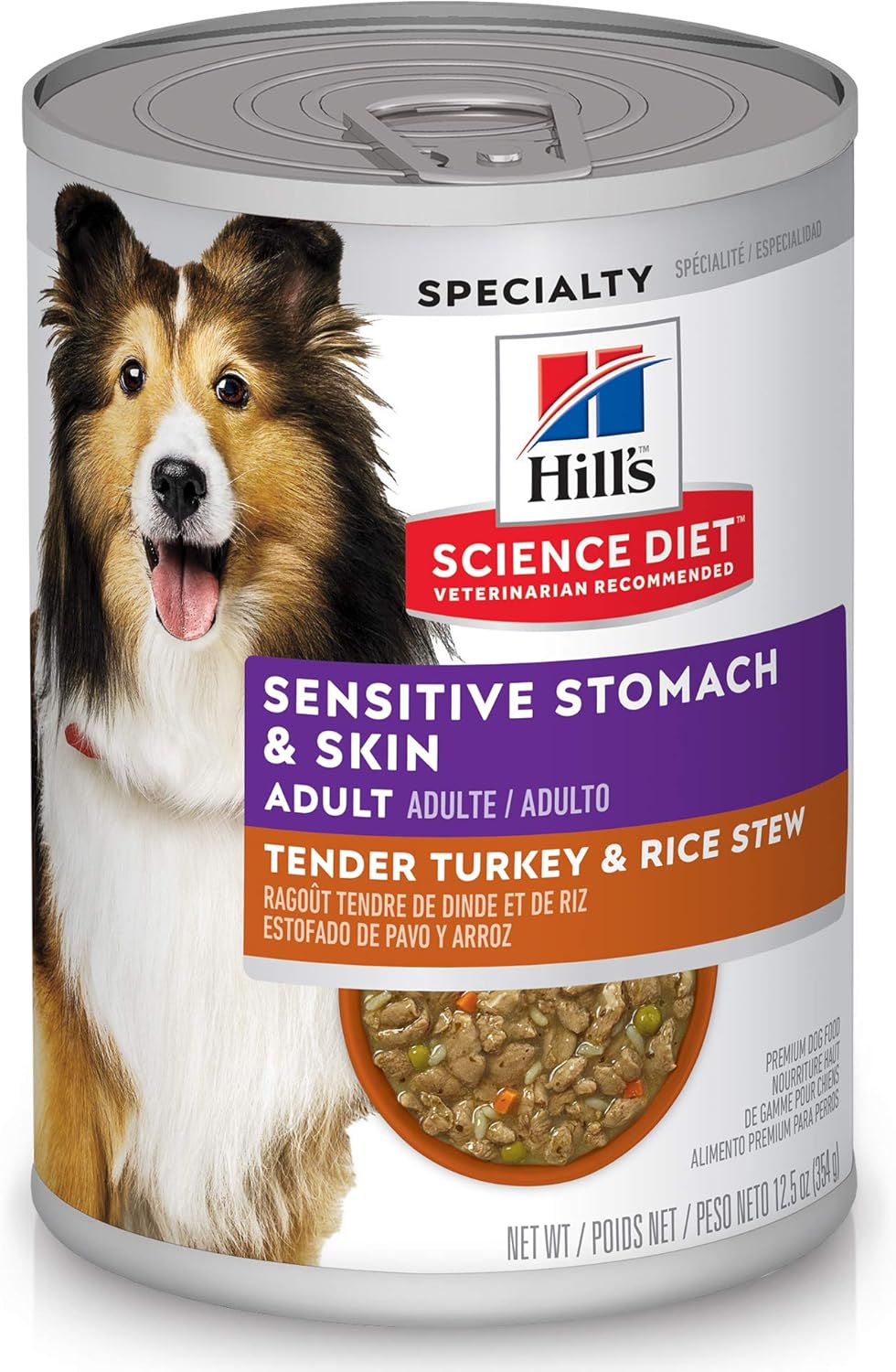
- Best for Beginners: Hill’s Science Diet Adult Savory Stew – Veterinarian-recommended, easy to digest, and widely available. Perfect for first-time wet food users.
- Best for Advanced Users: The Honest Kitchen Human-Grade Dehydrated Food (Rehydrated) – While not traditional canned food, rehydrating this human-grade mix creates a fresh, nutritious meal with full ingredient transparency. Ideal for owners who want maximum control over their dog’s diet.
Conclusion: Making the Right Choice
Choosing the best canned dog food isn’t just about picking the most expensive or most popular brand—it’s about understanding your dog’s unique needs and matching them with a product that delivers real nutritional value. From ingredient quality and protein content to moisture levels and life stage appropriateness, every factor plays a role in supporting your dog’s health and happiness. By avoiding common pitfalls, comparing options thoughtfully, and leveraging expert tips, you can make a confident decision that benefits your pet for years to come.
Remember, the best food is one your dog enjoys eating, digests well, and thrives on. Don’t be afraid to experiment—within reason—and always consult your veterinarian when in doubt. Whether you’re feeding a senior Chihuahua or an active Labrador, the right canned dog food can enhance their energy, coat, digestion, and overall quality of life. Take the time to research, read labels, and prioritize nutrition over marketing claims. Your dog deserves nothing less than the best.