

When it comes to caring for a large breed mother dog—especially one who’s pregnant, nursing, or recently weaned a litter—nutrition isn’t just important; it’s absolutely critical. These dogs face unique physiological demands that go far beyond what typical adult dog food can support. From rapid fetal development during pregnancy to the intense caloric and nutrient needs of lactation, a large mom dog requires a carefully balanced, high-quality diet to maintain her health and ensure her puppies thrive. Unfortunately, many pet owners unknowingly feed their breeding or nursing dogs generic formulas that fall short in key areas like protein quality, calcium-to-phosphorus ratios, and caloric density. This oversight can lead to serious complications such as eclampsia (milk fever), poor milk production, weakened bones, and even developmental issues in puppies.
That’s why this comprehensive buying guide exists—to arm you with expert-level knowledge so you can make informed, confident decisions about your large mom dog’s nutrition. Whether you’re preparing for an upcoming litter, currently nursing a brood of energetic pups, or supporting your dog through post-weaning recovery, this guide will walk you through every essential factor to consider. We’ll break down what truly matters in canned dog food for large breed mothers, compare top product categories, highlight common pitfalls, and provide actionable tips based on veterinary science and real-world feeding experiences. By the end, you’ll know exactly what to look for—and what to avoid—when choosing the best canned food for your loyal, hardworking canine companion.
The market for premium dog food has exploded in recent years, with hundreds of brands touting “grain-free,” “high-protein,” or “vet-recommended” labels. But not all claims are created equal—especially when it comes to the specialized needs of large breed mothers. While dry kibble dominates shelf space, canned (wet) food offers distinct advantages for pregnant and nursing dogs: higher moisture content aids hydration, enhanced palatability encourages appetite during nausea or fatigue, and softer texture is easier on sensitive digestive systems. However, not all canned foods are suitable for this life stage. Some lack sufficient calories, others contain imbalanced minerals, and a few even use low-quality fillers that offer little nutritional value. This guide cuts through the noise to deliver clarity, science-backed insights, and practical recommendations tailored specifically for large mom dogs weighing 50 pounds or more.
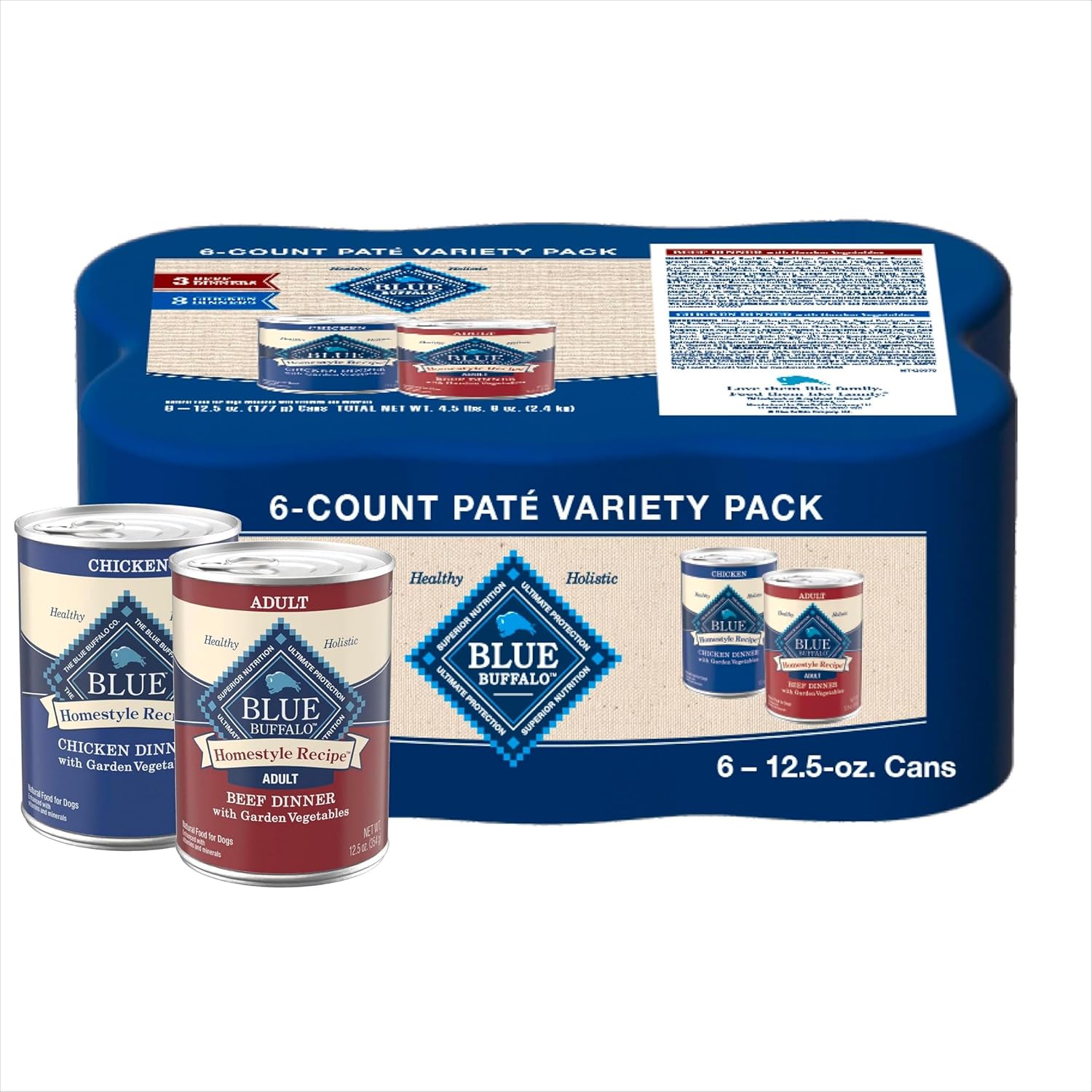
What to Look for When Buying Canned Dog Food for Large Mom Dogs
1. High-Quality Animal-Based Protein
Protein is the foundation of any diet for a breeding or nursing dog—but not just any protein will do. Large mom dogs need highly digestible, animal-sourced protein to support muscle maintenance, milk production, and fetal growth. Look for named meats like “chicken,” “turkey,” “beef,” or “salmon” listed as the first ingredient. Avoid vague terms like “meat meal” or “animal by-product meal,” which can include low-quality or inconsistent sources. The Association of American Feed Control Officials (AAFCO) recommends a minimum of 22% protein for growth and reproduction, but many experts suggest aiming for 28–32% in canned formulas for optimal results. Additionally, ensure the protein comes from whole meats rather than heavily processed isolates, as whole foods retain more natural amino acids and enzymes that support digestion and immune function.
2. Appropriate Fat Content for Energy Density
Fat is the most concentrated source of energy in dog food, and nursing large breed dogs can require up to three times their normal caloric intake. Canned foods with moderate to high fat levels (ideally 15–20% on a dry matter basis) help meet these soaring energy demands without overfeeding volume, which can be difficult with wet food due to its lower caloric density compared to kibble. Look for healthy fat sources like chicken fat, salmon oil, or flaxseed oil—these provide essential fatty acids such as omega-3s (EPA and DHA), which support brain development in puppies and reduce inflammation in the mother. Avoid foods listing generic “vegetable oil” or excessive saturated fats from unnamed sources, as these offer fewer nutritional benefits and may contribute to weight gain without supporting lactation.
3. Balanced Calcium-to-Phosphorus Ratio
This is perhaps the most overlooked yet critical factor for large breed mothers. During pregnancy and especially lactation, a dog’s calcium demands skyrocket. An improper Ca:P ratio (ideally 1.2:1 to 1.4:1) can trigger life-threatening conditions like eclampsia, where the body pulls calcium from bones to meet milk production needs, leading to muscle tremors, seizures, or even death. Many commercial puppy foods are dangerously high in calcium, which might seem beneficial but actually increases risk when fed to nursing mothers. Always verify the calcium and phosphorus levels on the label or manufacturer’s website. If the ratio isn’t disclosed, contact the company—reputable brands will provide it. For large breeds, err on the side of caution: slightly lower calcium with adequate phosphorus is safer than excess calcium.
4. Added DHA for Cognitive Development
Docosahexaenoic acid (DHA) is an omega-3 fatty acid crucial for puppy brain, eye, and nervous system development. Studies show that puppies from mothers supplemented with DHA exhibit better problem-solving skills, memory, and trainability. While some DHA is transferred via milk naturally, feeding a DHA-enriched diet significantly boosts levels in colostrum and mature milk. Look for canned foods that explicitly list DHA sources such as fish oil, algae oil, or egg yolk phospholipids. The optimal range is 0.3–0.5% DHA on a dry matter basis. This isn’t just about puppy intelligence—it also supports the mother’s own cognitive health during the stressful postpartum period.
5. Digestibility and Gut Health Support
Pregnant and nursing dogs often experience digestive upset due to hormonal shifts, reduced stomach capacity from uterine expansion, or stress. High digestibility ensures maximum nutrient absorption while minimizing waste and gastrointestinal discomfort. Premium canned foods use highly bioavailable ingredients and often include prebiotics (like chicory root or FOS/MOS) and probiotics to support a healthy gut microbiome. Avoid formulas with excessive fillers like corn gluten meal, soy, or artificial thickeners (e.g., carrageenan), which can cause bloating, gas, or allergic reactions. A good rule of thumb: if your dog produces large, loose stools after eating, the food may not be digesting well.
6. Moisture Content and Hydration Benefits
Canned food typically contains 70–80% moisture, making it an excellent tool for keeping large mom dogs hydrated—a vital concern during lactation, when water loss through milk can exceed 1 liter per day. Dehydration can reduce milk supply and increase the risk of urinary tract infections. While some owners mix wet food with dry kibble, pure canned diets ensure consistent hydration without relying on the dog to drink extra water. Just be mindful of dental health: if feeding only wet food long-term, consider occasional dental chews or brushing to prevent plaque buildup.
7. Absence of Harmful Additives and Fillers
Not all ingredients are created equal—and some can actively harm your dog. Avoid canned foods containing artificial colors (e.g., Red 40, Blue 2), chemical preservatives (BHA, BHT, ethoxyquin), or excessive sodium. These additives offer no nutritional benefit and have been linked to allergies, hyperactivity, and long-term health issues. Similarly, steer clear of foods with unnamed meat meals, corn syrup, or excessive grains if your dog has sensitivities. Instead, opt for natural preservatives like mixed tocopherols (vitamin E) and whole-food ingredients. Transparency matters: reputable brands disclose full ingredient sourcing and manufacturing practices.
8. Caloric Density and Feeding Flexibility
Large breed mothers need significantly more calories—up to 2–3 times maintenance levels during peak lactation. However, their stomach capacity is limited, especially in late pregnancy. Canned food’s lower caloric density (compared to kibble) means you may need to feed larger volumes, which isn’t always practical. Look for nutrient-dense formulas that pack more calories per ounce without relying on cheap fillers. Some premium brands offer “performance” or “high-energy” lines specifically designed for breeding dogs. Also consider feeding frequency: dividing daily intake into 3–4 smaller meals reduces bloating risk and supports steady milk production.
Different Types of Canned Dog Food for Large Mom Dogs

Common Buying Mistakes to Avoid

❌ Mistake: Feeding Puppy Food to Nursing Mothers
Why it’s bad: While puppy food is high in calories and protein, it’s often excessively rich in calcium—perfect for growing puppies but dangerous for lactating mothers. This imbalance dramatically increases the risk of eclampsia, a potentially fatal condition caused by acute calcium deficiency.
What to do instead: Choose a formula specifically labeled for “gestation/lactation” or “reproduction.” These are carefully balanced to support milk production without overloading calcium. If unavailable, consult your vet about safely mixing adult maintenance food with a small amount of puppy formula.
❌ Mistake: Ignoring Feeding Guidelines and Overfeeding
Why it’s bad: It’s tempting to “spoil” a nursing mom with extra food, but overfeeding can lead to obesity, mastitis (udder infection), and reduced mobility. Conversely, underfeeding starves both mother and puppies.
What to do instead: Follow the manufacturer’s guidelines as a starting point, then adjust based on body condition. Use the 9-point body condition score (BCS): you should be able to feel her ribs without seeing them. Weigh her weekly and increase portions gradually as milk production peaks around weeks 3–4 of lactation.
❌ Mistake: Switching Foods Too Quickly
Why it’s bad: Sudden diet changes can cause diarrhea, vomiting, or refusal to eat—catastrophic for a dog already under physiological stress. Puppies may also suffer from digestive upset if mom’s milk composition changes abruptly.
What to do instead: Transition over 7–10 days: start with 25% new food + 75% old, increasing the ratio every 2–3 days. Keep a close eye on stool quality and energy levels.
❌ Mistake: Relying Solely on Price as a Quality Indicator
Why it’s bad: Cheap canned food often uses meat by-products, fillers, and synthetic additives that offer minimal nutrition. While budget options exist, the cheapest cans rarely meet the elevated needs of a large mom dog.
What to do instead: Focus on ingredient quality and nutritional adequacy statements. A mid-range priced food with named meats, no artificial junk, and AAFCO certification for reproduction is far better value than a bargain bin option.
❌ Mistake: Neglecting Fresh Water Access
Why it’s bad: Even with high-moisture canned food, nursing dogs lose tremendous amounts of water through milk. Without constant access to clean, fresh water, dehydration can occur rapidly, reducing milk supply and increasing infection risk.
What to do instead: Provide multiple water stations around the house, change water 2–3 times daily, and consider adding low-sodium broth (vet-approved) to encourage drinking.
❌ Mistake: Not Consulting a Veterinarian
Why it’s bad: Every dog is different—breed, age, litter size, and health history all influence nutritional needs. What works for one German Shepherd may not suit a Great Dane with a heart condition.
What to do instead: Schedule a pre-breeding or prenatal checkup. Your vet can recommend specific brands, calculate caloric needs, and monitor for early signs of complications like gestational diabetes or hypocalcemia.
Budget Guidelines: How Much Should You Spend?
– Entry-Level ($1.00–$1.75 per 13 oz can): These foods meet basic AAFCO standards but often use lower-quality proteins, unnamed meat meals, and fillers. Best for short-term use or as a topper mixed with higher-quality kibble. Expect moderate protein (7–8% dry matter) and limited added nutrients like DHA.
– Mid-Range ($1.80–$2.80 per 13 oz can): This is the sweet spot for most large mom dogs. Brands in this tier use named meats, avoid artificial additives, and often include beneficial supplements like probiotics or omega-3s. Protein levels typically range from 8–10% dry matter, with balanced minerals.
– Premium ($2.80–$4.00 per 13 oz can): Designed for performance and reproduction, these formulas feature human-grade ingredients, high DHA content, precise Ca:P ratios, and enhanced digestibility. Ideal for dogs with large litters or those prone to health issues. Many are formulated with input from veterinary nutritionists.
– Luxury ($4.00+ per 13 oz can): Top-tier options include organic, wild-caught, or novel protein sources (e.g., duck, venison, rabbit). Often sold in smaller batches with transparent sourcing. While excellent, they may be overkill unless your dog has severe allergies or you prioritize sustainability.
Expert Tips for Getting the Best Deal
– Buy in bulk during seasonal sales: Major retailers like Chewy, Petco, and Amazon often run 20–30% off promotions in January (post-holiday) and September (back-to-school). Stock up on 3–6 months’ supply if your dog tolerates the food well.
– Subscribe and save: Most online pet stores offer 5–15% discounts for recurring deliveries. Set reminders to reassess your dog’s needs every 4–6 weeks—don’t let subscriptions auto-renew with unsuitable food.
– Check local shelters and breed clubs: Some organizations partner with premium brands to offer discounted or donated food for responsible breeders. It’s worth inquiring—especially for large breeds.
– Read return policies carefully: If your dog refuses the food or has an adverse reaction, you’ll want hassle-free returns. Avoid retailers with restocking fees or short return windows.
– Test small quantities first: Before committing to a case, buy a single can or two. Observe your dog’s appetite, stool quality, energy, and coat condition for 3–5 days.
– Look for “family size” or multi-packs: Larger cans (e.g., 13 oz vs. 5.5 oz) reduce packaging waste and often cost less per ounce. Just ensure your dog finishes it within 3–4 days after opening (refrigerated).
– Verify AAFCO statements: Ensure the label says “formulated to meet the nutritional levels established by the AAFCO Dog Food Nutrient Profiles for gestation/lactation.” Avoid foods only labeled for “adult maintenance.”
Frequently Asked Questions
Q: Can I feed my large mom dog regular adult canned food?
A: Technically yes, but it’s not ideal. Adult maintenance formulas lack the elevated protein, fat, and specific nutrients (like DHA) needed for pregnancy and lactation. Over time, this can lead to nutrient depletion in the mother and suboptimal puppy development. Always choose a reproduction-formulated diet if possible.
Q: How often should I feed my nursing large breed dog?
A: Divide her daily intake into 3–4 smaller meals starting in the second trimester. During peak lactation (weeks 3–5), she may need 5–6 meals per day to meet energy demands without overwhelming her digestive system.
Q: Is grain-free canned food safe for pregnant dogs?
A: Generally yes, but only if it’s nutritionally complete. The FDA has investigated a potential link between certain grain-free diets and dilated cardiomyopathy (DCM), but risk is low with reputable brands using diverse legumes and high meat content. If your dog has a history of heart issues, consult your vet before choosing grain-free.
Q: Should I supplement with vitamins or calcium?
A: No—unless directed by your veterinarian. Most quality canned foods are complete and balanced. Adding extra calcium, especially, can disrupt the Ca:P ratio and increase eclampsia risk. Let the food do the work.
Q: How long should I feed reproduction-formulated food?
A: Continue until puppies are fully weaned (usually 6–8 weeks). After weaning, gradually transition back to an adult maintenance diet over 7–10 days to prevent digestive upset.
Q: Can I mix canned food with dry kibble?
A: Absolutely—many breeders do this to increase caloric density and reduce cost. Just ensure both foods are formulated for reproduction and adjust portions to avoid overfeeding. Mixing also helps puppies begin nibbling solid food during weaning.
Q: What if my dog refuses to eat canned food?
A: Try warming it slightly (not hot) to enhance aroma, mixing in a spoonful of low-sodium broth, or offering it by hand. If refusal persists beyond 24 hours, contact your vet—loss of appetite can signal underlying illness.
Q: Are there risks to feeding only wet food long-term?
A: The main concern is dental health, as wet food doesn’t provide the abrasive action of kibble that helps reduce plaque. However, this is easily managed with regular brushing, dental chews, or occasional raw bones (under supervision). Nutritionally, wet food is perfectly safe indefinitely.
Our Final Recommendations
– Best for Budget-Conscious Buyers: Purina Pro Plan Savor Adult Wet Dog Food, Chicken & Rice Entrée – At around $1.60 per can, it offers named chicken as the first ingredient, AAFCO certification for all life stages (including reproduction), and added vitamins. While not DHA-fortified, it’s a reliable, widely available option for short-term use.
– Best Overall Value: Wellness CORE Grain-Free Wet Food, Turkey & Duck – Priced at ~$2.40 per can, this formula features high protein (9.5% dry matter), no grains or fillers, and includes cranberries for urinary health. It’s highly palatable and digestible, making it ideal for most large breed mothers.
– Best Premium Option: Royal Canin Large Breed Bitch & Puppy Wet Dog Food – Specifically designed for large breed gestating and lactating dogs, this vet-recommended formula contains optimal Ca:P ratios, boosted DHA from fish oil, and prebiotics for gut health. At ~$3.20 per can, it’s an investment in maternal and puppy wellness.
– Best for Beginners: Hill’s Science Diet Wet Dog Food, Adult Perfect Weight – Though labeled for weight management, its balanced nutrition, high digestibility, and gentle formula make it a safe choice for first-time breeders. Easy to find in stores and backed by Hill’s veterinary support line.
– Best for Advanced Users: The Honest Kitchen Human Grade Dehydrated Dog Food (reconstituted as wet) – While not traditional canned food, this human-grade, whole-food blend can be mixed with water to create a nutrient-dense, minimally processed meal. Ideal for owners seeking maximum control over ingredients and sourcing.
Conclusion: Making the Right Choice
Choosing the right canned dog food for your large mom dog isn’t just about picking the shiniest label or the cheapest price—it’s about understanding her unique biological needs and matching them with scientifically formulated nutrition. From ensuring proper calcium balance to prioritizing digestible proteins and essential fatty acids, every decision you make impacts her health, her milk quality, and her puppies’ future. Remember: a well-nourished mother is a resilient mother. She’ll have the energy to care for her litter, the strength to recover quickly, and the vitality to enjoy life beyond motherhood.
As you navigate this journey, keep your dog’s individuality at the forefront. Monitor her body condition, observe her behavior, and don’t hesitate to consult your veterinarian if something feels off. The best food in the world can’t compensate for missed health signals. Use this guide as your compass—not as a rigid rulebook—and trust your instincts as a caregiver. With the right knowledge, a little planning, and plenty of love, you’ll give your large breed mom the nutritional foundation she deserves. Now go feed her well—she’s earned it.