
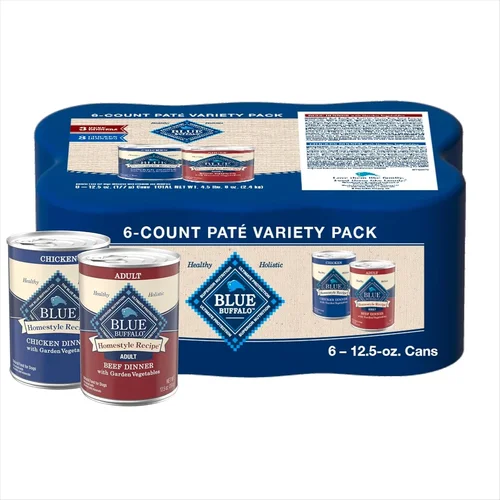
As our beloved canine companions age, their nutritional needs undergo significant changes. Just like humans, senior dogs experience shifts in metabolism, digestion, mobility, and immune function—all of which demand a more thoughtful approach to diet. While dry kibble remains popular, many veterinarians and pet nutrition experts now recommend incorporating high-quality canned dog food into an older dog’s meal plan. Why? Because wet food offers superior hydration, enhanced palatability for picky eaters, easier chewing for dogs with dental issues, and often higher protein and lower carbohydrate content—key factors in maintaining lean muscle mass and overall vitality during the golden years.
This comprehensive buying guide is designed specifically for pet parents navigating the often-confusing world of senior dog nutrition. Whether your furry friend is a sprightly 7-year-old small breed or a gentle giant entering double digits, this article will equip you with the knowledge to make informed, health-focused decisions. We’ll break down what truly matters when selecting canned food for aging dogs—from ingredient quality and moisture content to joint support and digestive health. You’ll also learn how to avoid common pitfalls, understand budget considerations, and discover top-rated products that deliver real nutritional value. With so many options flooding the market—from grain-free formulas to limited-ingredient diets and prescription-grade blends—it’s easy to feel overwhelmed. Our goal is to cut through the noise and give you clarity, confidence, and peace of mind.
The senior dog food market has exploded in recent years, driven by increased awareness of pet longevity and preventive care. Major brands like Hill’s Science Diet, Royal Canin, Purina Pro Plan, and Blue Buffalo now offer dedicated senior lines, while premium and boutique brands such as The Honest Kitchen, Wellness CORE, and Ziwi Peak have introduced high-moisture, biologically appropriate recipes tailored to older canines. Simultaneously, online retailers and subscription services have made it easier than ever to access niche or vet-recommended formulas. However, not all “senior” labels are created equal. Some products simply repackage adult formulas with minor tweaks, while others genuinely address age-related concerns like kidney function, cognitive decline, and reduced activity levels. In this guide, we’ll help you distinguish marketing hype from genuine nutritional science—so you can choose a canned food that supports your dog’s health, happiness, and quality of life in their later years.
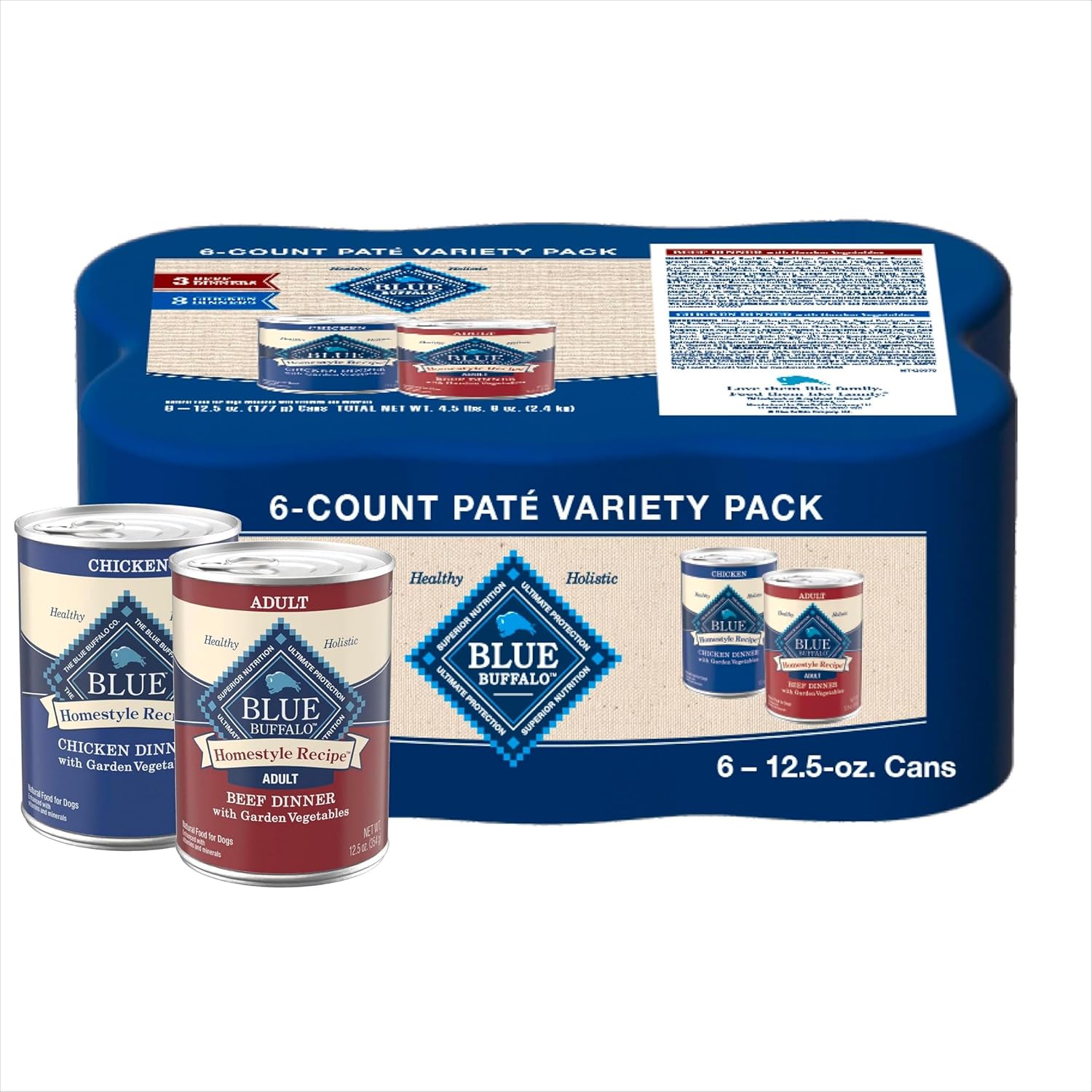
What to Look for When Buying Canned Dog Food for Older Dogs
1. High-Quality Protein Sources
As dogs age, maintaining muscle mass becomes critically important. Sarcopenia—the natural loss of muscle tissue—can begin as early as age 7 in larger breeds and slightly later in smaller ones. High-quality, easily digestible protein helps slow this process and supports metabolic health. Look for named animal proteins listed as the first ingredient, such as “chicken,” “turkey,” “salmon,” or “lamb”—not vague terms like “meat meal” or “animal by-product.” Ideally, the protein source should be human-grade or at least clearly identified (e.g., “deboned chicken” vs. “poultry by-product meal”). Avoid foods where carbohydrates dominate the ingredient list, as excess carbs can contribute to weight gain and insulin resistance in less active seniors. Aim for recipes with at least 8–10% crude protein on a dry matter basis (DMB), though many premium senior formulas exceed 12%. Remember: older dogs aren’t necessarily less active—they just metabolize nutrients differently. Prioritizing protein ensures they get the amino acids needed for tissue repair, immune function, and energy without unnecessary fillers.
2. Optimal Moisture Content
One of the biggest advantages of canned food over kibble is its high water content—typically 70–80%. This is especially beneficial for senior dogs, who are prone to dehydration due to reduced thirst sensation, declining kidney function, or medication side effects. Proper hydration supports kidney health, aids digestion, and helps prevent urinary tract infections. Dehydration in older dogs can exacerbate conditions like chronic kidney disease (CKD), which affects up to 10% of dogs over age 10. Wet food naturally increases daily fluid intake, reducing reliance on water bowls alone. When comparing brands, check the guaranteed analysis on the label: moisture should be clearly stated (and usually falls between 75–82%). Be cautious of products labeled “gravy” or “broth-based” that may contain minimal actual meat—these often rely on thickeners and flavor enhancers rather than real nutrition. Instead, opt for pâté-style or chunk-in-gravy formulas where visible meat is prominent. For dogs with existing kidney issues, your vet may recommend a specific moisture level, but for most healthy seniors, any reputable canned food will provide a meaningful hydration boost.
3. Joint and Mobility Support
Arthritis and joint stiffness are among the most common ailments in aging dogs. Over 60% of dogs over age 6 show signs of osteoarthritis, leading to pain, reduced activity, and decreased quality of life. The right diet can play a proactive role in managing these issues. Look for canned foods enriched with glucosamine, chondroitin, and omega-3 fatty acids (particularly EPA and DHA from fish oil). These compounds help reduce inflammation, support cartilage health, and improve joint lubrication. Some premium brands also include green-lipped mussel extract or turmeric for additional anti-inflammatory benefits. Avoid formulas high in omega-6 fatty acids (common in corn, soybean, and sunflower oils), as they can promote inflammation when not balanced with omega-3s. If your dog is already showing signs of stiffness or reluctance to climb stairs, consider switching to a joint-support formula even before consulting a vet—many over-the-counter options are safe and effective for mild to moderate cases. Always monitor your dog’s response; improved mobility and enthusiasm for walks are good indicators that the food is working.
4. Digestive Health and Fiber Balance
Senior dogs often experience slower digestion, reduced gut motility, and increased sensitivity to dietary changes. Constipation, gas, and irregular bowel movements are common complaints. A well-formulated senior canned food should include moderate, fermentable fiber to support healthy gut bacteria and regular elimination. Look for sources like pumpkin, sweet potato, beet pulp, or prebiotic fibers such as inulin (from chicory root) or FOS (fructooligosaccharides). These ingredients help regulate stool quality without causing loose stools or bloating. Avoid excessive insoluble fiber (like cellulose or peanut hulls), which can irritate the gut lining. Probiotics are another valuable addition—live beneficial bacteria that aid digestion and strengthen the gut barrier. While not all canned foods include probiotics (they can degrade in storage), some brands like Purina Pro Plan and Wellness add stabilized strains. If your senior dog has a history of gastrointestinal upset, consider rotating between two gentle formulas to maintain microbial diversity. Also, transition slowly when switching foods—mix increasing amounts of new food with old over 7–10 days to prevent upset.
5. Calorie Density and Weight Management
Metabolism slows with age, and many senior dogs become less active, making weight gain a real risk. Obesity puts additional strain on joints, heart, and organs—and can shorten lifespan. Conversely, some older dogs lose weight due to dental pain, illness, or reduced appetite. The key is choosing a calorie-appropriate formula. Most senior canned foods are moderately calorie-dense (around 900–1,100 kcal/kg), allowing you to feed satisfying portions without excess calories. Check the feeding guidelines on the label—they should be based on your dog’s ideal (not current) weight. If your dog is overweight, look for “light” or “weight management” versions with added L-carnitine (a compound that helps burn fat) and reduced fat content (ideally under 8% DMB). For underweight seniors, choose energy-rich formulas with healthy fats like chicken fat or salmon oil. Avoid “fillers” like corn syrup, molasses, or excessive starch, which add empty calories. Portion control is crucial: use a kitchen scale for accuracy, and adjust based on body condition score (aim for a visible waist and palpable ribs). Regular weigh-ins at home or vet visits help track progress.
6. Dental and Oral Health Considerations
While canned food doesn’t provide the mechanical abrasion that helps clean teeth like kibble does, it’s often a necessary compromise for older dogs with missing teeth, gum disease, or oral pain. Many seniors struggle to chew hard kibble, leading to malnutrition or avoidance of food altogether. High-moisture wet food is softer and easier to swallow, ensuring adequate nutrition even with dental limitations. However, this doesn’t mean oral health should be ignored. Some canned foods now include dental-support ingredients like sodium hexametaphosphate (SHMP), which helps reduce tartar buildup, or are formulated in soft, bite-sized chunks that encourage chewing. Pairing wet food with dental chews, water additives, or regular vet cleanings can mitigate plaque accumulation. If your dog has severe dental disease, your veterinarian may recommend a therapeutic dental diet—some of which come in wet form (e.g., Hill’s t/d). Never assume that soft food equals poor dental health; many senior dogs thrive on wet diets while maintaining clean teeth through complementary care.
7. Kidney and Liver Support
Chronic kidney disease (CKD) and liver dysfunction become more prevalent in dogs over 10. Early-stage kidney issues often go unnoticed until significant damage has occurred. Canned foods designed for senior dogs may include lower phosphorus levels, reduced sodium, and added B-complex vitamins to support renal function. Phosphorus restriction is particularly important—high levels can accelerate kidney damage. Look for formulas with phosphorus content below 0.8% DMB if your dog has early CKD (your vet can confirm this via bloodwork). Similarly, liver-supportive ingredients like L-carnitine, taurine, and antioxidants (vitamins E and C) help detoxify and protect hepatocytes. Avoid foods with excessive copper or vitamin D, which can be harmful to compromised livers. While most healthy seniors don’t need therapeutic kidney diets, choosing a balanced, low-phosphorus senior formula can be a preventive measure. Always consult your vet before making dietary changes if your dog has diagnosed organ issues—they may prescribe a specialized renal or hepatic diet available in canned form.
8. Ingredient Transparency and Brand Reputation
Not all pet food companies prioritize your dog’s health over profit. Ingredient transparency—knowing exactly what’s in the can and where it comes from—is essential. Reputable brands disclose their sourcing practices, manufacturing locations, and quality control measures. Look for companies that conduct AAFCO (Association of American Feed Control Officials) feeding trials or formulate to meet AAFCO nutrient profiles for “adult maintenance” or “all life stages.” Avoid brands that use artificial preservatives (BHA, BHT, ethoxyquin), colors, or flavors. Third-party certifications like USDA Organic, Non-GMO Project Verified, or Global Animal Partnership (GAP) ratings add further assurance. Research the brand’s recall history—frequent recalls may indicate poor quality control. Customer reviews and veterinary endorsements can also guide your choice, but prioritize scientific formulation over marketing claims. Remember: “natural” doesn’t always mean safe or complete, and “grain-free” isn’t inherently better—especially after the FDA’s investigation into potential links between grain-free diets and dilated cardiomyopathy (DCM). Choose brands with a proven track record of safety, research investment, and transparency.
Different Types of Canned Dog Food for Older Dogs
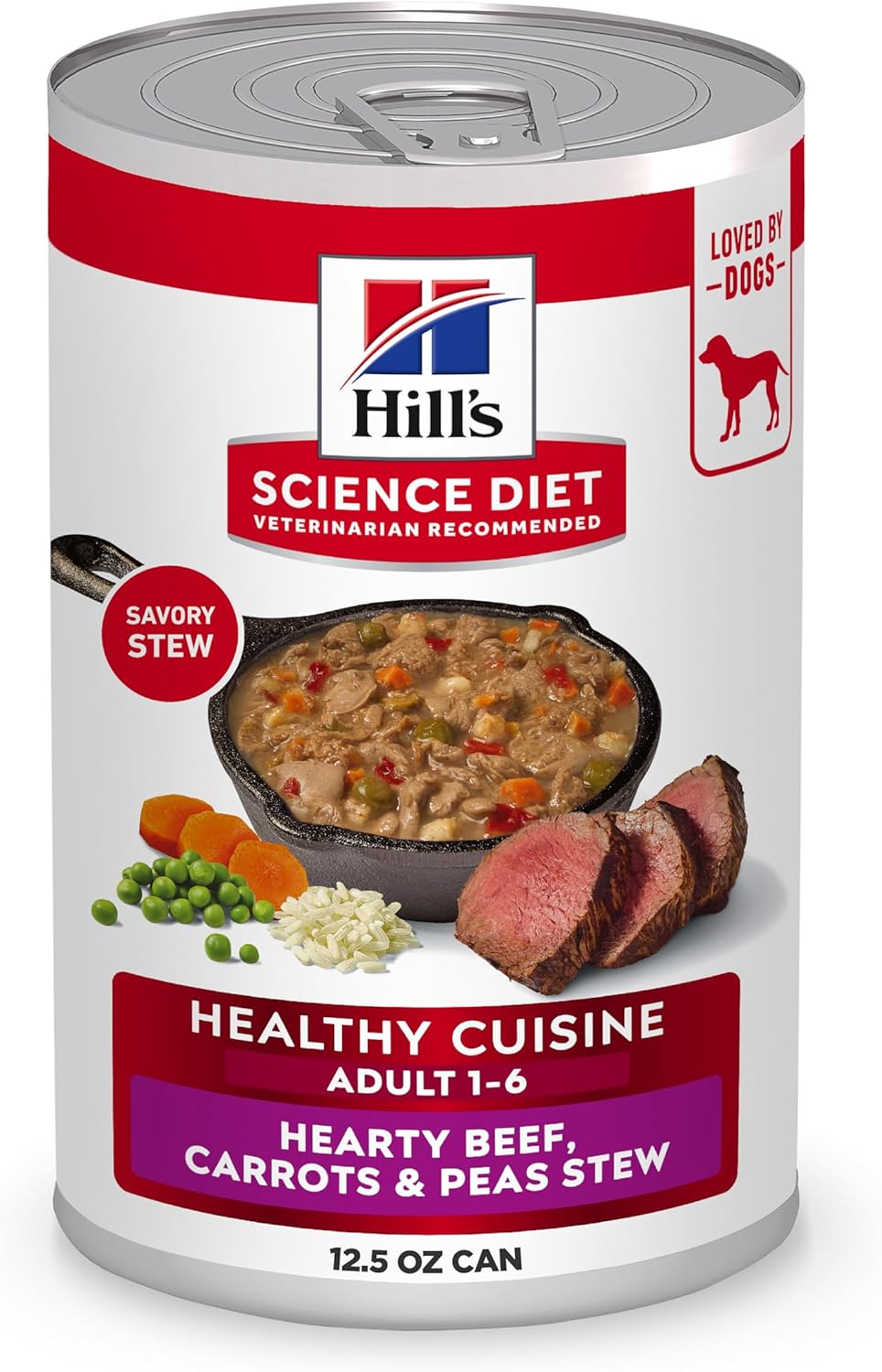
Common Buying Mistakes to Avoid
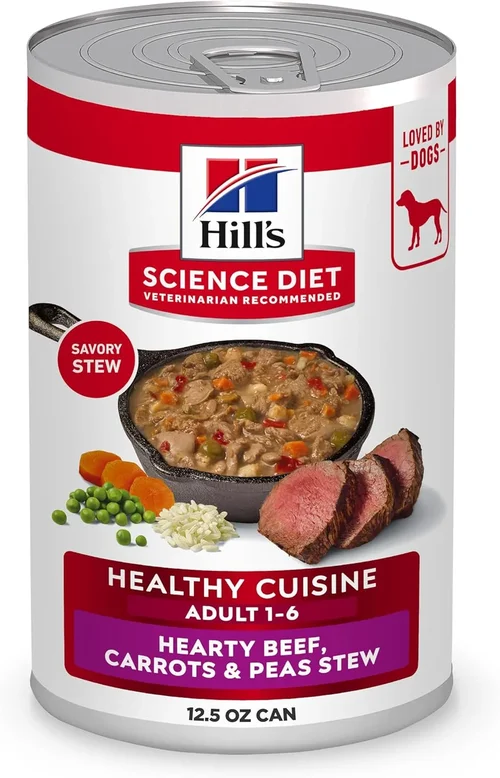
❌ Mistake: Choosing Based Solely on “Senior” Labeling
Why it’s bad: The term “senior” is not regulated by AAFCO or the FDA, meaning any company can slap it on a product regardless of actual nutritional suitability. Many so-called senior foods are simply adult formulas with slightly reduced calories—lacking targeted support for aging bodies.
What to do instead: Read the ingredient list and guaranteed analysis carefully. Look for specific nutrients like glucosamine, omega-3s, and controlled phosphorus—not just marketing buzzwords.
❌ Mistake: Ignoring Your Dog’s Individual Health Status
Why it’s bad: A food that works for a healthy 8-year-old Labrador may be inappropriate for a 12-year-old Dachshund with kidney disease. One-size-fits-all approaches ignore critical medical needs.
What to do instead: Consult your veterinarian before switching foods, especially if your dog has chronic conditions. Ask for bloodwork to assess kidney, liver, and thyroid function—then choose a formula aligned with those results.
❌ Mistake: Overlooking Transition Periods
Why it’s bad: Sudden diet changes can cause vomiting, diarrhea, or refusal to eat—particularly in sensitive senior dogs whose digestive systems are less adaptable.
What to do instead: Gradually mix the new food with the old over 7–10 days, increasing the proportion of new food daily. Monitor stool consistency and appetite closely.
❌ Mistake: Prioritizing Price Over Quality
Why it’s bad: Cheap canned foods often contain fillers, by-products, and synthetic additives that provide little nutritional value and may harm long-term health.
What to do instead: View pet food as an investment in longevity. Mid-range premium brands often offer the best balance of quality and affordability—and can reduce future vet bills.
❌ Mistake: Assuming All Wet Food Is Equal
Why it’s bad: Some canned foods are mostly gravy with trace meat, while others are packed with whole proteins. Texture and ingredient density vary widely.
What to do instead: Shake the can gently—if it sloshes like soup, it’s likely broth-heavy. Opt for dense pâtés or chunky styles with visible meat pieces.
❌ Mistake: Neglecting Hydration Beyond Food
Why it’s bad: Even with wet food, some senior dogs don’t drink enough water, especially in winter or if they have cognitive decline.
What to do instead: Offer fresh water multiple times daily, use pet fountains to encourage drinking, and consider adding low-sodium broth to meals for extra moisture.
❌ Mistake: Sticking to One Brand Indefinitely
Why it’s bad: Dogs can develop sensitivities to ingredients over time, and nutritional needs evolve with age or health changes.
What to do instead: Rotate between 2–3 trusted brands annually (with proper transitions) to maintain dietary diversity and adapt to changing needs.
Budget Guidelines: How Much Should You Spend?
- Entry-Level ($1.00–$1.75 per 13 oz can): These are typically store brands or economy lines (e.g., Pedigree Senior, Iams ProActive Health). Expect lower meat content, more fillers, and minimal functional additives. Suitable for short-term use or supplemental feeding, but not ideal for long-term senior nutrition.
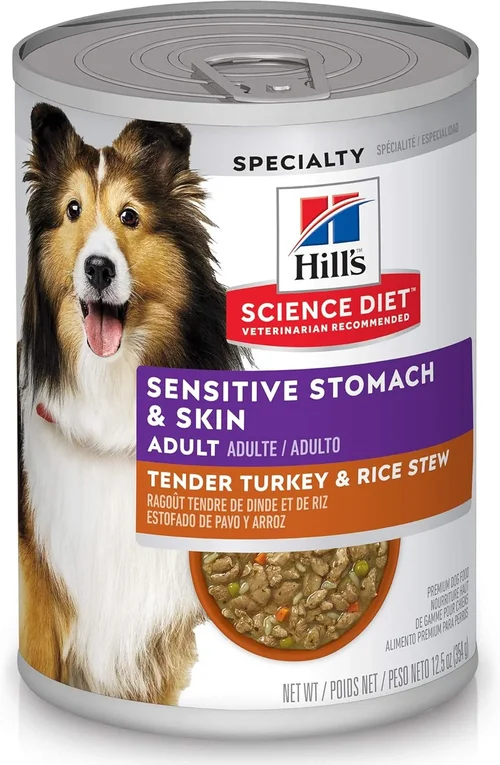
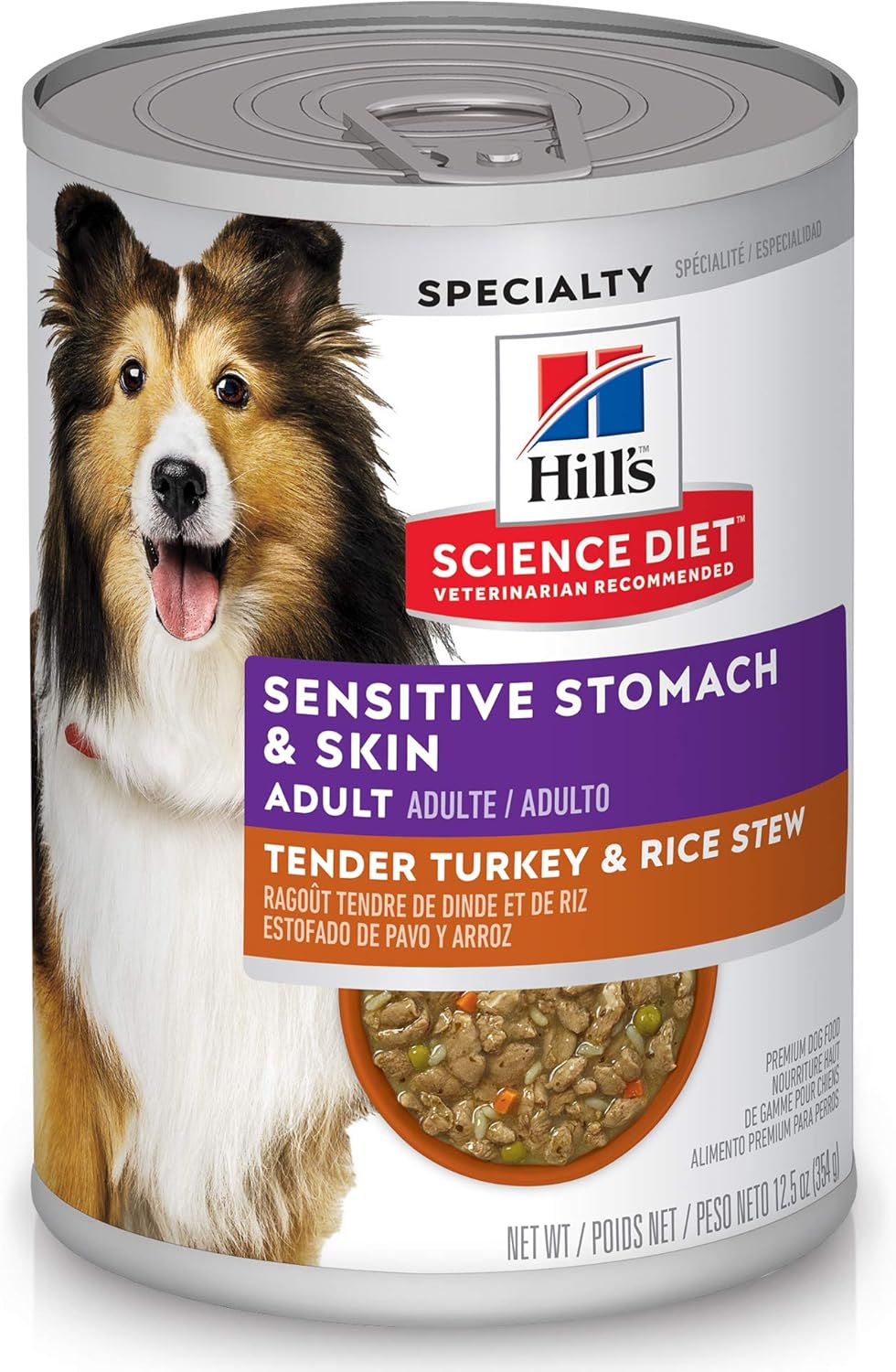
- Mid-Range ($1.75–$3.00 per 13 oz can): This is the sweet spot for most pet owners. Brands like Hill’s Science Diet Senior, Purina Pro Plan Bright Mind, and Royal Canin Aging offer scientifically formulated recipes with quality proteins, joint support, and digestive aids. Widely available at pet stores and vet clinics.
- Premium ($3.00–$5.00 per 13 oz can): Includes brands like Wellness CORE Senior, Blue Buffalo Wilderness Senior, and Nutro Ultra. These feature named meats, grain-free or limited-grain options, probiotics, and higher omega-3 levels. Ideal for dogs with mild sensitivities or owners seeking better ingredient quality.
- Luxury ($5.00+ per 13 oz can): Human-grade, air-dried, or freeze-dried raw options (e.g., The Honest Kitchen, Ziwi Peak, Open Farm). These use restaurant-quality ingredients, ethical sourcing, and minimal processing. Best for dogs with complex health needs or owners prioritizing transparency and sustainability—but require careful budgeting.
Expert Tips for Getting the Best Deal
- Time your purchases around seasonal sales: Major retailers often discount pet food in January (post-holiday), July (summer clearance), and November (Black Friday). Stock up during these periods.
- Use subscription services wisely: Autoship programs from Chewy, Amazon, or brand websites offer convenience and discounts—but cancel if your dog’s needs change to avoid waste.
- Check local shelters and rescues: Some partner with pet food companies to distribute free or discounted senior formulas to adopters or low-income pet owners.
- Compare unit pricing: Don’t just look at total can price—calculate cost per ounce or per kcal to find true value, especially when comparing different can sizes.
- Leverage vet clinic samples: Many clinics provide free samples of therapeutic or senior diets. Test these before committing to a full case.
- Read return policies: Ensure the retailer allows returns if your dog refuses the food—some premium brands have strict no-return policies.
- Join breed-specific forums: Owners of similar-aged dogs often share deals, recalls, and honest reviews you won’t find on commercial sites.
- Consider mixing wet and dry: Combining a high-quality kibble with a small amount of canned food can boost hydration and palatability while keeping costs manageable.
Frequently Asked Questions
Q: Can I feed my senior dog puppy or adult food instead of senior formula?
A: While occasional feeding won’t harm, long-term use of non-senior food may lack targeted nutrients (like joint support) or contain excess calories/protein that strain aging organs. Senior formulas are optimized for metabolic changes—stick to them for daily meals.
Q: How often should I feed my older dog canned food?
A: Most seniors do well with two meals per day to aid digestion and blood sugar stability. Follow the feeding guidelines on the label based on ideal weight, and adjust as needed.
Q: Is grain-free safe for senior dogs?
A: Yes, if your dog tolerates it well. However, unless there’s a diagnosed grain allergy, whole grains like oats or barley can provide beneficial fiber and energy. The FDA’s DCM investigation suggests caution with exotic legume-heavy grain-free diets—opt for balanced formulations.
Q: My senior dog is losing weight—should I switch to a higher-fat canned food?
A: Possibly, but first rule out underlying illness (e.g., cancer, dental disease, or hyperthyroidism). If cleared by your vet, choose energy-dense, high-protein wet food with healthy fats like chicken fat or salmon oil.
Q: Can I make homemade canned food for my senior dog?
A: Homemade diets can work but require careful formulation to avoid nutritional deficiencies. Consult a veterinary nutritionist to create a balanced recipe—never rely on online “recipes” alone.
Q: How do I know if the canned food is working?
A: Look for consistent energy levels, healthy coat, regular bowel movements, maintained or improved body condition, and enthusiasm at mealtime. Bloodwork improvements (e.g., stable kidney values) are also positive signs.
Q: Are there canned foods specifically for small-breed seniors?
A: Yes! Small breeds age faster and have higher metabolic rates. Look for smaller kibble-sized chunks in wet food (e.g., Hill’s Small Paws Senior) and formulas with higher calorie density.
Q: What if my dog has diabetes?
A: Choose low-glycemic canned foods with high protein, moderate fat, and minimal carbohydrates. Avoid gravies with corn syrup. Work closely with your vet to manage insulin and diet simultaneously.
Q: Can I freeze opened canned food?
A: Yes—transfer leftovers to an airtight container and freeze for up to 3 months. Thaw in the refrigerator before serving. Never refreeze thawed food.
Q: Is it okay to mix different senior canned foods?
A: Absolutely! Many owners rotate proteins (e.g., chicken one day, salmon the next) to provide variety and reduce allergy risk. Just ensure both foods are complete and balanced.
Our Final Recommendations
- Best for Budget-Conscious Buyers: Purina Pro Plan Bright Mind Adult 7+ – Offers brain-supporting nutrients (DHA, antioxidants) at an affordable price, widely available, and vet-trusted.
- Best Overall Value: Hill’s Science Diet Senior 11+ Small Bites – Scientifically formulated for cognitive health, joint support, and digestion, with excellent palatability and consistent quality.
- Best Premium Option: Wellness CORE Grain-Free Senior Recipe – High-protein, grain-free, with glucosamine, chondroitin, and probiotics—ideal for active seniors needing muscle support.
- Best for Beginners: Royal Canin Aging 12+ – Easy-to-digest, tailored for very senior dogs, with controlled phosphorus and enhanced flavor to stimulate appetite.
- Best for Advanced Users (Health-Conscious Owners): The Honest Kitchen Human-Grade Dehydrated Base Mix + Bone Broth – Not traditional canned, but rehydrates into a high-moisture meal with whole foods, ideal for those prioritizing ingredient integrity.
Conclusion: Making the Right Choice
Choosing the best canned dog food for your older companion is one of the most impactful decisions you can make for their well-being. It’s not just about filling a bowl—it’s about supporting mobility, protecting vital organs, maintaining a healthy weight, and ensuring every meal contributes to a longer, happier life. Throughout this guide, we’ve emphasized that senior nutrition isn’t one-size-fits-all. Your dog’s breed, size, activity level, and health status all play critical roles in determining the ideal formula. By focusing on high-quality protein, optimal moisture, joint and digestive support, and ingredient transparency, you’ll be equipped to navigate the crowded marketplace with confidence.
Remember, the best food is the one your dog eats consistently and thrives on. Don’t be swayed by flashy packaging or celebrity endorsements—look instead for science-backed formulations from reputable brands. And always involve your veterinarian in major dietary changes, especially if your dog has pre-existing conditions. Small adjustments today can lead to big improvements in energy, comfort, and vitality tomorrow. Whether you’re feeding a sprightly senior or a gentle elder, your thoughtful choices now will echo in every wag of their tail, every comfortable nap, and every joyful moment you share together. Prioritize their needs, stay informed, and enjoy the golden years to the fullest.