
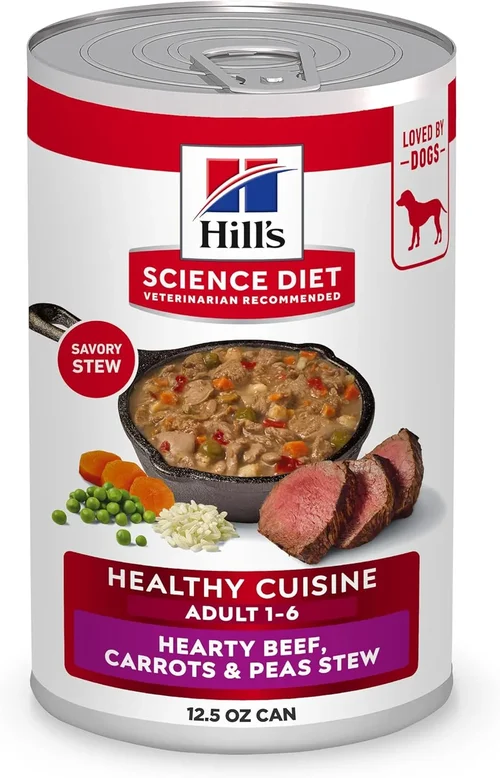
As our beloved canine companions enter their golden years, their nutritional needs undergo significant changes. Just like humans, senior dogs experience shifts in metabolism, energy levels, joint health, and organ function—all of which demand a thoughtful approach to diet. Choosing the right canned dog food for seniors isn’t just about convenience or palatability; it’s a vital component of maintaining quality of life, supporting immune function, and managing age-related conditions such as arthritis, kidney decline, or dental issues. With countless options flooding the market—each claiming to be “the best” for older dogs—it’s easy for pet parents to feel overwhelmed. That’s where this comprehensive guide comes in.
In this expert-level buying guide, we’ll cut through the marketing noise and deliver actionable, science-backed insights to help you make the most informed decision for your aging pup. Whether you’re caring for a sprightly 7-year-old small breed or a gentle giant entering double digits, you’ll learn how to evaluate ingredients, understand nutritional profiles, compare brands, and avoid common pitfalls. We’ll cover everything from protein quality and fiber content to moisture levels and specialized formulas for health conditions. By the end, you’ll have a clear roadmap to selecting a senior canned dog food that supports longevity, vitality, and comfort—without breaking the bank.
The senior dog food market has exploded in recent years, driven by increased pet ownership, longer lifespans due to better veterinary care, and growing awareness of preventive nutrition. Major brands like Hill’s Science Diet, Royal Canin, Purina Pro Plan, and Blue Buffalo now offer dedicated senior lines, while premium and boutique brands such as The Honest Kitchen, Wellness CORE, and Open Farm are gaining traction among health-conscious pet parents. Meanwhile, grain-free, limited-ingredient, and functional formulas (with added glucosamine, probiotics, or omega-3s) are becoming standard features rather than exceptions. This abundance of choice is a double-edged sword: while it offers more tailored solutions, it also increases the risk of confusion, misinformation, and overspending on unnecessary additives. Our goal is to empower you with the knowledge to navigate this landscape confidently and compassionately.
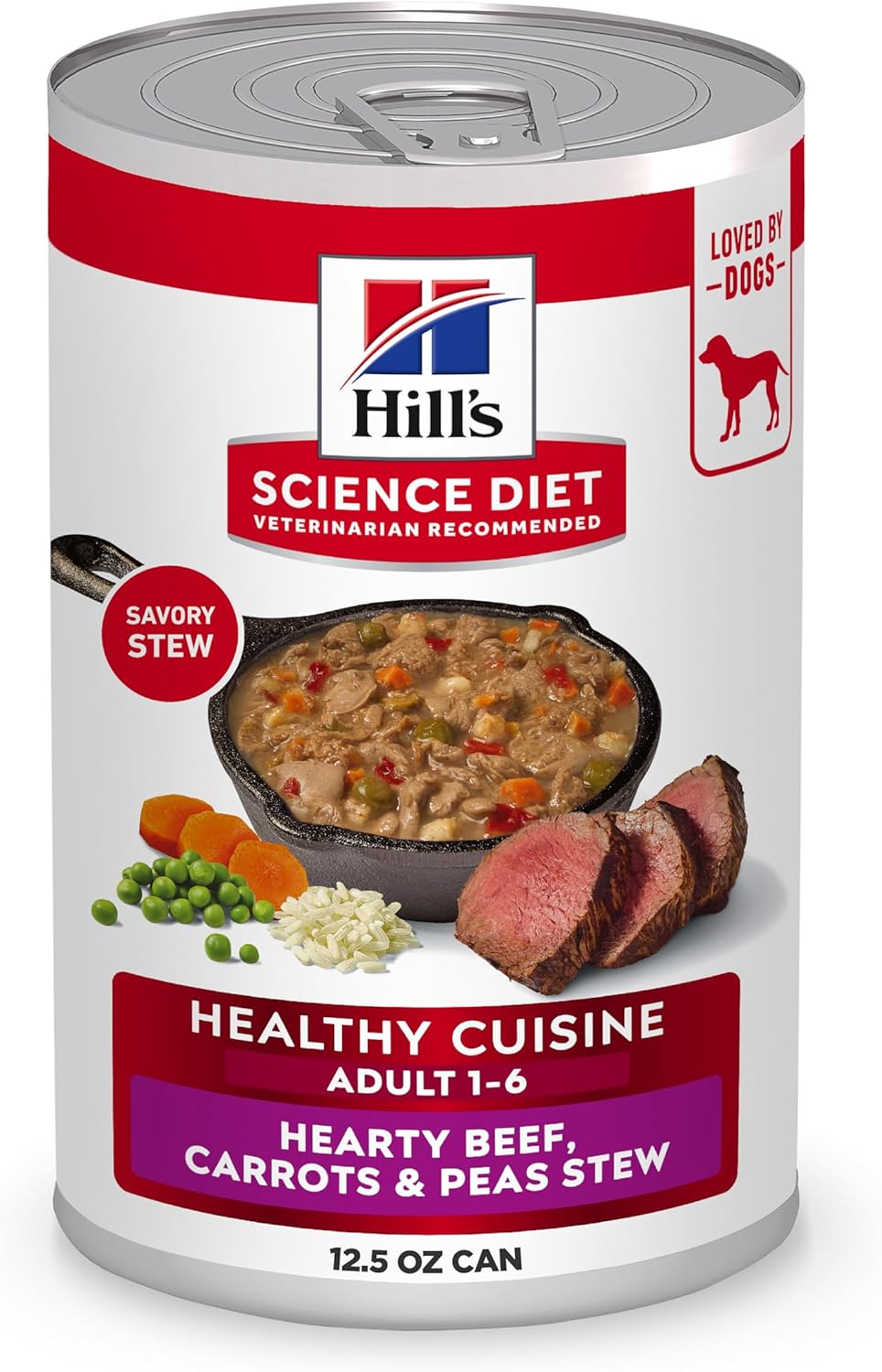
What to Look for When Buying Senior Dog Food
1. Protein Quality and Digestibility
Protein remains the cornerstone of any dog’s diet—even in senior years. However, the type, source, and digestibility of protein matter more than ever. As dogs age, their ability to process and utilize protein can decline, especially if they have kidney or liver concerns. Look for high-quality animal-based proteins listed as the first ingredient—such as deboned chicken, turkey meal, salmon, or lamb. Avoid vague terms like “meat by-products” or “animal digest.” Ideally, the protein should be highly digestible (aim for sources with digestibility rates above 80%) to ensure your dog absorbs essential amino acids without overworking internal organs.
2. Moisture Content and Hydration Support
Canned dog food naturally offers superior hydration compared to kibble, which is especially beneficial for senior dogs. Older dogs often have reduced thirst sensation and are prone to urinary tract issues or kidney stress. A high-moisture diet (typically 70–80% water content in wet food) helps support kidney function, prevent dehydration, and ease digestion. This is particularly important for breeds predisposed to kidney stones or chronic kidney disease. Additionally, the soft texture of canned food is gentler on aging teeth and gums, making it ideal for dogs with dental pain or missing teeth.
3. Joint and Mobility Support Ingredients
Arthritis and stiffness are among the most common ailments in senior dogs. Look for formulas enriched with joint-supporting compounds such as glucosamine, chondroitin sulfate, and omega-3 fatty acids (especially EPA and DHA from fish oil). These nutrients help reduce inflammation, maintain cartilage integrity, and improve mobility. Some premium brands also include green-lipped mussel extract or turmeric, which have natural anti-inflammatory properties. While these additives won’t reverse severe arthritis, they can significantly slow progression and enhance comfort when combined with weight management and gentle exercise.
4. Fiber Type and Digestive Health
Senior dogs often experience slower digestion and may struggle with constipation or irregular bowel movements. Soluble and insoluble fiber play distinct roles: soluble fiber (like pumpkin, beet pulp, or psyllium) helps regulate blood sugar and supports gut microbiome health, while insoluble fiber (such as cellulose or rice bran) adds bulk to stools and promotes regularity. Avoid excessive fillers like corn gluten meal or soy, which offer minimal nutritional value and can irritate sensitive stomachs. Instead, opt for easily fermentable fibers that nourish beneficial gut bacteria—this is crucial for immune function, as nearly 70% of a dog’s immune system resides in the gut.
5. Calorie Density and Weight Management
Metabolism slows with age, and many senior dogs become less active, increasing the risk of weight gain. Obesity exacerbates joint problems, diabetes, and heart disease. Therefore, senior formulas should be moderately calorie-controlled—typically ranging from 300–400 kcal per cup equivalent in wet food. However, avoid severely restricted diets unless your dog is clinically overweight, as underfeeding can lead to muscle wasting (sarcopenia). Look for balanced fat levels (around 10–15%) from healthy sources like chicken fat or flaxseed, which provide energy without excess calories. Some brands offer “light” or “weight management” versions specifically for less active seniors.
6. Added Functional Nutrients and Supplements
Beyond basic nutrition, many senior canned foods include targeted supplements to address age-related decline. Key additions include:
– Antioxidants (vitamins E and C, beta-carotene): Combat oxidative stress and support cognitive health.
– Probiotics: Promote healthy gut flora and improve nutrient absorption.
– L-carnitine: Helps metabolize fat and maintain lean muscle mass.
– Taurine: Supports heart health, especially in large breeds prone to dilated cardiomyopathy.
Always check the guaranteed analysis on the label to ensure these aren’t just marketing buzzwords—actual inclusion should be verifiable.
7. Ingredient Transparency and Sourcing
Not all “natural” or “premium” labels are created equal. Scrutinize the ingredient list for clarity and sourcing integrity. Reputable brands disclose the origin of meats (e.g., “USA-raised chicken” vs. “poultry by-product”), avoid artificial preservatives (BHA, BHT, ethoxyquin), and use minimal processing to retain nutrient integrity. Look for certifications like AAFCO (Association of American Feed Control Officials) compliance, which ensures the food meets minimum nutritional standards for senior maintenance. Additionally, consider whether the brand conducts feeding trials—this is a stronger indicator of real-world efficacy than formulation alone.
8. Palatability and Appetite Stimulation
Senior dogs may lose interest in food due to diminished smell, dental pain, or illness. High palatability is essential to ensure consistent intake. Canned foods generally score higher here due to their strong aroma and soft texture. Look for recipes with real broth, gravy, or meat juices that enhance flavor. Some brands add natural flavor enhancers like yeast extract or liver powder—these are generally safe in moderation. If your dog is a picky eater, consider rotating between two trusted senior formulas to prevent boredom while maintaining nutritional balance.
Different Types of Senior Canned Dog Food
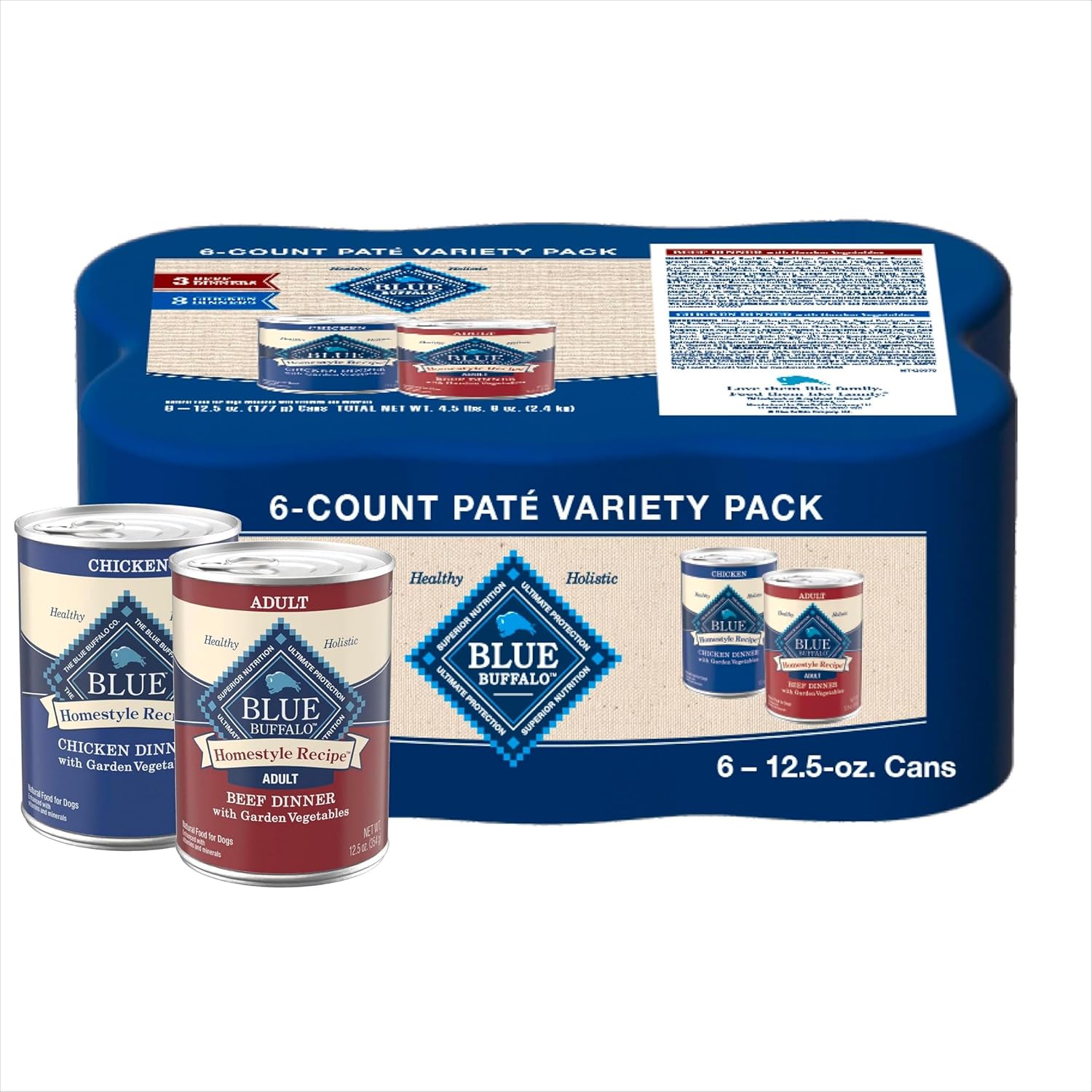
Common Buying Mistakes to Avoid
❌ Mistake: Choosing Based Solely on “Senior” Labeling
Why it’s bad: The term “senior” is not regulated by AAFCO or the FDA, meaning any brand can slap it on a product regardless of actual formulation. Some “senior” foods are little more than repackaged adult formulas with minor tweaks.
What to do instead: Always read the ingredient list and guaranteed analysis. Compare protein, fat, fiber, and moisture levels against your dog’s specific needs. Use the “senior” label as a starting point—not the deciding factor.
❌ Mistake: Overlooking Moisture Needs in Favor of Kibble Convenience
Why it’s bad: Many pet owners switch seniors to dry food for ease of storage or cost, but this can compromise hydration—especially in dogs with kidney or urinary issues. Dehydration accelerates organ decline and increases infection risk.
What to do instead: Prioritize wet food for seniors, or use a combination (e.g., mix canned food with kibble). If using only dry food, ensure constant access to fresh water and consider adding broth or water to meals.
❌ Mistake: Ignoring Individual Health Conditions
Why it’s bad: A one-size-fits-all approach fails to address conditions like diabetes, heart disease, or dental problems. For example, high-sodium foods can worsen heart failure, while high-carb formulas may spike blood sugar in diabetic dogs.
What to do instead: Work with your veterinarian to identify your dog’s unique health profile. Choose a formula tailored to their condition—whether it’s low-sodium for cardiac support or high-fiber for glycemic control.
❌ Mistake: Falling for Marketing Hype (“Grain-Free = Better”)
Why it’s bad: Grain-free diets gained popularity but have been linked to dilated cardiomyopathy (DCM) in some dogs, especially when legumes or potatoes replace grains as primary carb sources. Most senior dogs don’t need grain-free food unless they have a diagnosed allergy.
What to do instead: Focus on overall ingredient quality rather than trendy labels. Whole grains like brown rice or oats are digestible and provide valuable fiber and B vitamins.
❌ Mistake: Not Transitioning Gradually
Why it’s bad: Sudden diet changes can cause gastrointestinal upset, including vomiting, diarrhea, or refusal to eat—particularly risky for frail seniors.
What to do instead: Transition over 7–10 days, mixing increasing amounts of new food with the old. Monitor stool quality and appetite closely.
❌ Mistake: Neglecting Palatability for Nutritional Perfection
Why it’s bad: Even the most nutritionally complete food is useless if your dog won’t eat it. Senior dogs with diminished senses may reject bland or unappealing textures.
What to do instead: Balance nutrition with taste. Offer small samples before committing to a case. Rotate between two trusted brands to maintain interest.
❌ Mistake: Assuming All Premium Brands Are Superior
Why it’s bad: High price doesn’t always equal high quality. Some boutique brands charge premium prices for minimal nutritional advantage or use vague sourcing practices.
What to do instead: Evaluate based on ingredient transparency, AAFCO statements, and independent reviews—not just price or packaging.
Budget Guidelines: How Much Should You Spend?
Entry-Level ($1.20–$1.80 per 13 oz can):
These options—often from mainstream brands like Purina ONE Senior or Iams—provide adequate nutrition for healthy seniors with no special needs. While they may contain by-products or corn derivatives, they meet AAFCO standards and offer convenience and affordability. Ideal for multi-dog households or budget-conscious owners whose dogs tolerate standard formulas well.
Mid-Range ($1.80–$2.80 per 13 oz can):
This is the sweet spot for most pet parents. Brands like Hill’s Science Diet Senior, Royal Canin Aging, and Blue Buffalo Life Protection Senior offer scientifically formulated recipes with high-quality proteins, joint support, and digestive aids. These foods strike an excellent balance between cost, quality, and availability—and are frequently recommended by veterinarians.
Premium ($2.80–$4.00 per 13 oz can):
Targeted at health-conscious owners, premium lines such as Wellness Complete Health Senior, Merrick Grain-Free Senior, and Nutro Ultra Senior feature human-grade ingredients, novel proteins, and functional additives like probiotics and antioxidants. These are ideal for dogs with mild sensitivities or owners seeking maximal nutritional density.
Luxury ($4.00+ per 13 oz can):
Top-tier brands like The Honest Kitchen, Open Farm, and JustFoodForDogs offer minimally processed, whole-food-based recipes with traceable sourcing and custom formulations. While expensive, they’re worth considering for dogs with complex health issues, severe allergies, or owners prioritizing ethical production and ingredient purity.
Expert Tips for Getting the Best Deal
– Time your purchases around seasonal sales: Major retailers often run promotions in January (post-holiday clearance), May (Pet Month), and November (Black Friday). Stock up during these periods.
– Use subscription services wisely: Autoship programs from Chewy, Amazon, or brand websites offer discounts and free shipping—but set reminders to pause or cancel if your dog’s needs change.
– Compare unit prices, not just total cost: A $24 case of 12 cans ($2.00/can) is better value than a $10 pack of 4 ($2.50/can), even if the upfront cost is higher.
– Check for vet clinic exclusives: Some therapeutic diets (e.g., Hill’s k/d for kidney support) are only sold through veterinarians—but ask if they offer price matching or samples.
– Read verified buyer reviews: Focus on feedback from owners of senior dogs with similar health profiles. Look for mentions of palatability, stool quality, and energy levels.
– Ask for samples: Many brands provide free samples via mail or vet offices. Test a small amount before committing to a full case.
– Consider mixing wet and dry: Combining canned food with high-quality kibble can stretch your budget while boosting hydration and palatability.
– Review return policies: Ensure the retailer accepts returns if your dog refuses the food—some premium brands have strict no-return policies.

Frequently Asked Questions
Q: At what age should I switch my dog to senior food?
A: It depends on breed and size. Small breeds (under 20 lbs) can transition around 7–8 years, medium breeds (20–50 lbs) at 7 years, and large/giant breeds (50+ lbs) as early as 5–6 years due to faster aging. Consult your vet for personalized timing.
Q: Can I feed senior food to a younger dog?
A: Generally not recommended. Senior formulas are lower in calories and may lack sufficient energy for active adults or puppies. Occasional feeding is fine, but long-term use can lead to nutritional deficiencies.
Q: Is grain-free senior food necessary?
A: Only if your dog has a confirmed grain allergy—which is rare. Most senior dogs digest grains well, and whole grains provide beneficial fiber and nutrients. Avoid grain-free diets unless advised by a vet.
Q: How much canned senior food should I feed my dog?
A: Follow the feeding guidelines on the label based on your dog’s weight, but adjust for activity level and body condition. Senior dogs often need 10–20% fewer calories than adults. Use a body condition score chart to assess if they’re under or overweight.
Q: Can senior dogs eat puppy food in a pinch?
A: Avoid it. Puppy food is too high in calories, fat, and phosphorus for seniors and can contribute to obesity or kidney strain. Stick to adult or senior formulations.
Q: Should I add supplements to canned senior food?
A: Only if recommended by your vet. Many senior foods already include joint, cognitive, and immune support. Over-supplementing can cause imbalances—especially with fat-soluble vitamins like A and D.
Q: How long can opened canned food be stored?
A: Transfer unused portions to an airtight container and refrigerate for up to 5–7 days. Do not leave opened cans at room temperature for more than 2 hours.
Q: What if my senior dog refuses to eat?
A: Try warming the food slightly (to enhance aroma), adding low-sodium broth, or mixing in a small amount of plain cooked meat. Rule out dental pain or illness with a vet visit. Appetite loss can signal underlying health issues.
Q: Are homemade diets better than canned senior food?
A: Homemade diets can be excellent but require careful formulation to avoid deficiencies. Unless prepared with veterinary guidance, they often lack balanced calcium, phosphorus, or essential fatty acids. Canned commercial foods are formulated to meet all nutritional needs.
Q: Can senior dogs have dairy or eggs?
A: Small amounts of plain yogurt (with live cultures) or cooked eggs can be safe treats, but many seniors are lactose intolerant. Introduce cautiously and monitor for digestive upset.
Our Final Recommendations
Best for Budget-Conscious Buyers:
Purina ONE Senior Classic Ground – Offers solid nutrition at an affordable price, with real chicken, added glucosamine, and no artificial flavors. Widely available and vet-trusted.
Best Overall Value:
Hill’s Science Diet Senior Savory Chicken & Vegetable Stew – Scientifically formulated with high-quality protein, joint support, and optimal fiber. Backed by decades of research and feeding trials.
Best Premium Option:
Wellness CORE Grain-Free Senior Recipe – Features deboned turkey, probiotics, and omega-3s in a highly digestible, grain-free formula. Ideal for sensitive seniors or those needing extra immune support.
Best for Beginners:
Blue Buffalo Life Protection Formula Senior – Easy-to-find, balanced, and palatable with real meat, garden veggies, and LifeSource Bits for antioxidants. Great introduction to senior-specific nutrition.
Best for Advanced Users (Health Conditions):
Royal Canin Veterinary Diet Renal Support – Specifically designed for dogs with kidney disease, featuring reduced phosphorus, high moisture, and EPA/DHA. Requires vet authorization but delivers targeted therapeutic benefits.
Conclusion: Making the Right Choice
Selecting the best canned dog food for your senior companion is one of the most impactful decisions you’ll make as a pet parent. It’s not just about filling their bowl—it’s about honoring their years of loyalty with compassionate, evidence-based care. Throughout this guide, we’ve emphasized that the ideal senior diet balances high-quality protein, optimal hydration, joint and digestive support, and palatability—all tailored to your dog’s unique health status, breed, and lifestyle.
Remember, there’s no universal “best” food—only the best fit for your individual dog. Prioritize ingredient transparency, consult your veterinarian for health-specific advice, and don’t be swayed by trends or packaging. Your senior dog deserves a diet that supports not just longevity, but vibrant, comfortable golden years. Start by assessing their current needs, try a recommended formula from our list, and monitor their energy, coat condition, stool quality, and overall demeanor. With the right nutrition, your faithful friend can continue to thrive—wagging tails, gentle snores, and all.