
If your dog has been struggling with digestive issues—frequent vomiting, diarrhea, gas, or inconsistent stool—you’re not alone. Millions of pet owners face the challenge of finding the right food that settles their dog’s sensitive stomach without sacrificing nutrition. A dog’s digestive system is surprisingly delicate, and even minor dietary changes can trigger discomfort. Whether your pup is a senior with age-related sensitivities, a puppy with an underdeveloped gut, or simply prone to food intolerances, choosing the right canned dog food can make all the difference in their comfort, energy levels, and overall health.
This comprehensive buyer’s guide is designed to help you navigate the crowded market of canned dog foods specifically formulated for sensitive stomachs. We’ll break down what truly matters when selecting a high-quality, digestible wet food that supports gastrointestinal health. From understanding ingredient labels to comparing protein sources and recognizing red flags in marketing claims, this guide equips you with the knowledge to make an informed, confident decision. You’ll learn how to identify foods that are not only gentle on the stomach but also rich in essential nutrients, flavorful enough to entice picky eaters, and backed by veterinary science.
The market for sensitive stomach dog food has exploded in recent years, with dozens of brands offering specialized formulas. While this variety is a win for pet owners, it also means sifting through a lot of noise—buzzwords like “natural,” “grain-free,” and “limited ingredient” are often used loosely. Our goal is to cut through the marketing fluff and deliver expert-level insights based on nutritional science, real-world testing, and feedback from veterinarians and pet nutritionists. Whether you’re feeding a small breed with a finicky appetite or a large breed prone to bloat, this guide will help you find the best canned dog food for your dog’s unique needs.
What to Look for When Buying Buying Guide
1. Digestible Protein Sources
Protein is the foundation of any dog’s diet, but not all proteins are created equal—especially for dogs with sensitive stomachs. Highly digestible proteins are broken down more efficiently by the digestive system, reducing the workload on the gut and minimizing the risk of irritation. Look for named animal proteins as the first ingredient, such as chicken, turkey, lamb, or duck. These are typically easier to digest than plant-based proteins or vague terms like “meat meal” or “animal by-product.”
Novel proteins—those your dog hasn’t been exposed to before—can also be beneficial if food sensitivities or allergies are suspected. For example, if your dog has been eating chicken-based foods for years, switching to a novel protein like venison, rabbit, or salmon may help reduce immune reactions that contribute to digestive upset. However, novelty alone isn’t a cure-all; the quality and digestibility of the protein matter more than how exotic it is.
Avoid proteins that are heavily processed or come from low-quality sources. For instance, “chicken by-product meal” may sound similar to “chicken meal,” but it often includes parts like beaks, feet, and undeveloped eggs, which are less digestible and more likely to cause issues. Always check the ingredient list: the first ingredient should be a whole, named meat or meat meal (e.g., “deboned chicken” or “chicken meal”).
2. Limited and Recognizable Ingredients
One of the hallmarks of high-quality sensitive stomach dog food is a short, simple ingredient list. The fewer the ingredients, the easier it is to identify potential triggers if your dog reacts poorly. Look for formulas with 5 to 10 core ingredients, focusing on whole foods rather than additives, fillers, or artificial components.
Ingredients should be easy to pronounce and understand. For example, “sweet potatoes,” “peas,” “carrots,” and “cranberries” are recognizable and generally well-tolerated. In contrast, ingredients like “brewers rice,” “corn gluten meal,” or “animal digest” are vague and often used as cheap fillers that offer little nutritional value and may irritate sensitive digestive systems.
Be cautious of “limited ingredient” claims. While these diets are designed to minimize exposure to potential allergens, not all limited ingredient foods are created equal. Some still include multiple protein sources or hard-to-digest grains. Always read the full ingredient list, not just the marketing label. A true limited ingredient diet should have one protein source and one carbohydrate source, plus essential vitamins and minerals.
3. Prebiotics and Probiotics for Gut Health
A healthy gut microbiome is essential for dogs with sensitive stomachs. Prebiotics and probiotics play a crucial role in maintaining digestive balance by feeding beneficial bacteria and introducing live cultures that support digestion. Look for ingredients like fructooligosaccharides (FOS), mannan oligosaccharides (MOS), and dried chicory root, which are natural prebiotics.
Probiotics, such as Lactobacillus acidophilus, Bifidobacterium animalis, and Enterococcus faecium, are live microorganisms that help regulate gut flora. These are especially important after antibiotic use or during digestive flare-ups. However, not all probiotics survive the canning process. Check the packaging for statements like “contains live and active cultures” or “probiotics added after processing” to ensure viability.
Some brands include postbiotics—metabolic byproducts of probiotics—which can also support gut health. While research is still emerging, postbiotics may help reduce inflammation and improve nutrient absorption. If your dog has chronic digestive issues, consider a food that combines prebiotics, probiotics, and postbiotics for a comprehensive gut-support approach.
4. Easily Digestible Carbohydrates
Carbohydrates provide energy and help bind wet food, but they can also be a source of digestive distress if not properly chosen. Dogs with sensitive stomachs benefit from low-glycemic, highly digestible carbs that don’t spike blood sugar or ferment in the gut. Ideal options include sweet potatoes, pumpkin, peas, and oats.
Avoid grains like corn, wheat, and soy, which are common allergens and can be difficult for some dogs to digest. While grain-free diets are popular, they aren’t always necessary—some dogs tolerate rice or barley well. The key is choosing carbs that are gentle on the stomach and provide sustained energy without causing gas or bloating.
Pumpkin is a standout ingredient for sensitive stomachs due to its high soluble fiber content, which helps regulate bowel movements. It’s often included in veterinary-recommended diets for diarrhea or constipation. Look for foods that list pumpkin or pumpkin puree as an ingredient, not just as a flavoring.
5. No Artificial Additives or Fillers
Artificial colors, flavors, and preservatives are unnecessary in dog food and can trigger sensitivities in some animals. Ingredients like BHA, BHT, ethoxyquin, and propylene glycol are synthetic preservatives linked to health concerns and should be avoided. Similarly, artificial dyes such as Red 40 or Blue 2 offer no nutritional benefit and may cause allergic reactions.
Instead, look for natural preservatives like mixed tocopherols (vitamin E), rosemary extract, or citric acid. These are safer and more stable in canned foods. Fillers like corn syrup, sugar, or unnamed “flavorings” should also be avoided—they add calories without nutritional value and can disrupt gut health.
Even “natural” flavors can be misleading. While they’re derived from real food sources, they’re often highly processed and may not be disclosed in detail. If transparency is important to you, choose brands that disclose their flavoring sources (e.g., “natural chicken flavor from real chicken”).
6. Moisture Content and Hydration Benefits
Canned dog food typically contains 70–85% moisture, which is significantly higher than dry kibble. This high water content supports kidney function, urinary tract health, and overall hydration—especially important for dogs prone to urinary crystals or kidney issues. For dogs with sensitive stomachs, the soft texture of wet food is also easier to chew and digest, reducing the risk of choking or gagging.
The moisture in canned food can help soften stools and prevent constipation, while also diluting stomach acids that may irritate an inflamed digestive tract. This makes wet food a better choice than dry kibble for dogs recovering from gastrointestinal illness or surgery.
However, not all canned foods are equally hydrating. Some brands add water or broth as a filler, which dilutes nutrient density. Check the guaranteed analysis on the label: protein and fat levels should remain high even with high moisture. A good rule of thumb is to look for foods with at least 7–9% protein and 5–7% fat on an as-fed basis.
7. Veterinarian-Recommended Formulas
When in doubt, consult your veterinarian—especially if your dog has chronic digestive issues. Many veterinary nutritionists recommend specific therapeutic or prescription diets for sensitive stomachs. Brands like Hill’s Science Diet, Royal Canin, and Purina Pro Plan Veterinary Diets offer canned formulas backed by clinical research and formulated to meet strict nutritional standards.
These diets often include hydrolyzed proteins—proteins broken down into tiny molecules that are less likely to trigger an immune response. They may also contain added fiber, omega-3 fatty acids, and targeted nutrients to support gut healing. While prescription diets require a vet’s authorization, they can be life-changing for dogs with severe sensitivities.
Even if you’re not using a prescription diet, choosing a brand with a strong veterinary presence can offer peace of mind. Look for companies that employ board-certified veterinary nutritionists and conduct feeding trials to ensure their products are safe and effective.
8. Brand Transparency and Quality Control
Not all pet food brands are equally committed to quality. Look for companies that are transparent about their sourcing, manufacturing processes, and ingredient origins. Brands that publish detailed nutritional analyses, feeding trial results, and third-party testing reports are more likely to produce consistent, high-quality food.
Check if the brand manufactures its own food (vertically integrated) or uses co-packers. In-house production allows for better quality control and faster response to recalls. Also, verify that the food is produced in facilities that meet AAFCO (Association of American Feed Control Officials) standards.
Recalls are a red flag, but not all recalls are equal. A recall due to contamination is more concerning than one due to a labeling error. Research the brand’s recall history and how they handled it—did they communicate openly? Were they proactive in notifying customers? A brand’s response to a crisis can tell you a lot about their integrity.
Different Types of Buying Guide
Common Buying Mistakes to Avoid
❌ Mistake: Choosing Based on Marketing Claims Alone
Why it’s bad: Terms like “natural,” “holistic,” and “premium” are not regulated by the FDA or AAFCO. A food labeled “grain-free” might still contain hard-to-digest legumes or excessive fat, which can worsen digestive issues.
What to do instead: Always read the ingredient list and guaranteed analysis. Focus on what’s actually in the food, not the buzzwords on the front of the can.
❌ Mistake: Switching Foods Too Quickly
Why it’s bad: Sudden dietary changes can shock the digestive system, leading to diarrhea, vomiting, or refusal to eat. Even high-quality foods can cause upset if introduced too fast.
What to do instead: Transition over 7–10 days, gradually increasing the new food while decreasing the old. Start with 25% new food and 75% old, then adjust every 2–3 days.
❌ Mistake: Ignoring Portion Sizes and Feeding Guidelines
Why it’s bad: Overfeeding can strain the digestive system, especially in dogs prone to bloat or pancreatitis. Underfeeding may lead to nutrient deficiencies.
What to do instead: Follow the feeding guidelines on the label based on your dog’s weight and activity level. Adjust as needed and consult your vet for personalized advice.
❌ Mistake: Overlooking Expiration Dates and Storage
Why it’s bad: Expired or improperly stored canned food can spoil, leading to bacterial growth and foodborne illness. Once opened, wet food can oxidize quickly.
What to do instead: Check expiration dates before buying. Store unopened cans in a cool, dry place. Refrigerate leftovers and use within 3–5 days.
❌ Mistake: Assuming All “Sensitive Stomach” Foods Are Equal
Why it’s bad: Not all sensitive stomach formulas are created equal. Some are just repackaged regular foods with minor tweaks.
What to do instead: Compare ingredient lists and nutritional profiles. Look for foods specifically formulated for digestive health, not just marketed as such.
❌ Mistake: Not Consulting a Veterinarian for Chronic Issues
Why it’s bad: Persistent digestive problems may indicate underlying conditions like IBD, pancreatitis, or food allergies that require medical treatment.
What to do instead: If symptoms last more than a few days, consult your vet. They may recommend diagnostic tests or a prescription diet.
Budget Guidelines: How Much Should You Spend?
When it comes to canned dog food for sensitive stomachs, price often reflects quality—but that doesn’t mean you need to break the bank. Here’s a breakdown of what to expect at different price points:
- Entry-Level ($1.20–$1.80 per can): These foods may use lower-quality proteins and include fillers like corn or soy. While some budget brands offer decent options, read labels carefully. Best for short-term use or dogs with mild sensitivities.
- Mid-Range ($1.80–$2.80 per can): This is the sweet spot for most pet owners. Brands in this range often use named meats, limited ingredients, and added probiotics. Examples include Wellness Simple, Blue Buffalo Basics, and Merrick Limited Ingredient.
- Premium ($2.80–$4.00 per can): These foods feature high-quality proteins, novel ingredients, and advanced gut-support formulations. Brands like Canidae Pure, Instinct Limited Ingredient, and The Honest Kitchen fall here. Ideal for dogs with chronic issues.
- Luxury ($4.00+ per can): Top-tier options include fresh, human-grade ingredients, rotational feeding plans, and veterinary oversight. Brands like Nom Nom and JustFoodForDogs offer customized meals. Best for dogs with severe sensitivities or owners seeking the absolute best.

Expert Tips for Getting the Best Deal
- Buy during seasonal sales: Look for discounts around Black Friday, Prime Day, or end-of-year clearance events. Many pet food brands offer 20–30% off.
- Subscribe and save: Most online retailers (Chewy, Amazon, Petco) offer subscription programs with recurring discounts and free shipping.
- Compare unit prices: Don’t just look at the total cost—check the price per ounce or per can to compare value across brands.
- Check return policies: Some retailers allow returns on unopened cans if your dog doesn’t like the food. This reduces risk when trying new brands.
- Read verified buyer reviews: Look for reviews from dog owners with similar issues (e.g., “my dog has IBS”). Their experiences can be more helpful than general ratings.
- Ask your vet for samples: Many veterinary offices provide free samples of prescription or therapeutic diets. This lets you test the food before committing.
- Join loyalty programs: Pet stores like PetSmart and Chewy offer reward points that can be redeemed for free food or discounts.

Frequently Asked Questions
Q: Can I mix wet and dry food for my dog with a sensitive stomach?
A: Yes, but do so gradually. Mixing can help transition to a new diet and add moisture, but ensure both foods are compatible in ingredients and digestibility. Avoid mixing high-fat wet food with dry kibble, as this can increase the risk of pancreatitis.
Q: How long does it take to see improvement after switching foods?
A: Most dogs show improvement within 1–2 weeks. However, dogs with chronic conditions may take 4–6 weeks to fully adjust. Keep a food diary to track symptoms and progress.
Q: Is grain-free food always better for sensitive stomachs?
A: Not necessarily. While some dogs benefit from grain-free diets, others tolerate grains like rice or oats well. The key is choosing easily digestible carbs, not eliminating grains entirely.
Q: Can I make homemade food instead of buying canned?
A: Yes, but it’s challenging to balance nutrition without veterinary guidance. Homemade diets often lack essential vitamins and minerals. If you choose this route, consult a veterinary nutritionist to formulate a complete diet.
Q: What if my dog refuses to eat the new food?
A: Try warming the food slightly to enhance aroma, mixing in a small amount of low-sodium broth, or offering it at room temperature. If refusal persists, consult your vet—it could indicate a deeper issue.
Q: Are probiotics in dog food effective?
A: Yes, if they’re viable. Look for foods that specify strain names and guarantee live cultures. Supplements can also be used alongside food for added support.
Q: Can sensitive stomach food help with skin allergies?
A: Possibly. Food allergies often manifest as both digestive and skin issues. A limited ingredient or novel protein diet may reduce overall allergic reactions.
Q: Is it safe to feed sensitive stomach food long-term?
A: Yes, as long as the food meets AAFCO standards for complete and balanced nutrition. Many dogs thrive on these diets for years.
Q: Should I avoid foods with peas or lentils?
A: Not necessarily. While legumes have been linked to heart issues in some dogs, they’re generally safe in moderation. If your dog has a history of heart disease, consult your vet.
Our Final Recommendations
- Best for Budget-Conscious Buyers: Blue Buffalo Basics Limited Ingredient Diet – Affordable, uses real turkey and potatoes, and includes prebiotics. Great for mild sensitivities.
- Best Overall Value: Wellness Simple Limited Ingredient Diet – High-quality ingredients, no fillers, and widely available. Ideal for most dogs with digestive issues.
- Best Premium Option: Canidae Pure Limited Ingredient – Features novel proteins like salmon and duck, plus probiotics and omega-3s. Excellent for chronic conditions.
- Best for Beginners: Merrick Limited Ingredient Diet – Easy to find, palatable, and made with real deboned meat. A safe starting point for new owners.
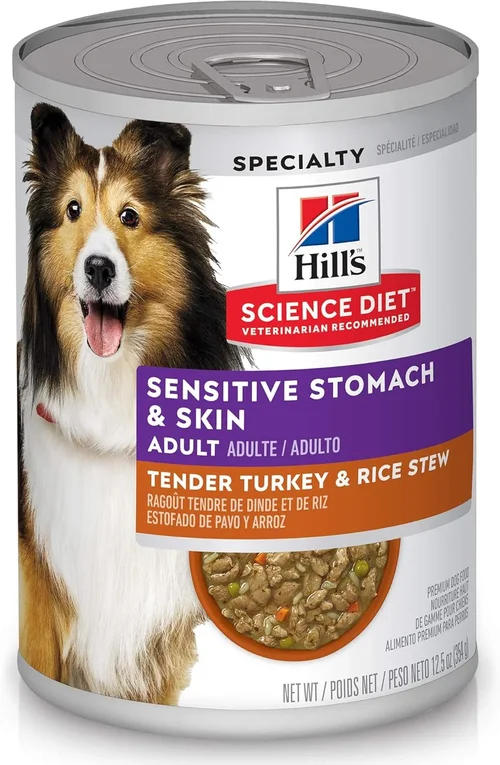
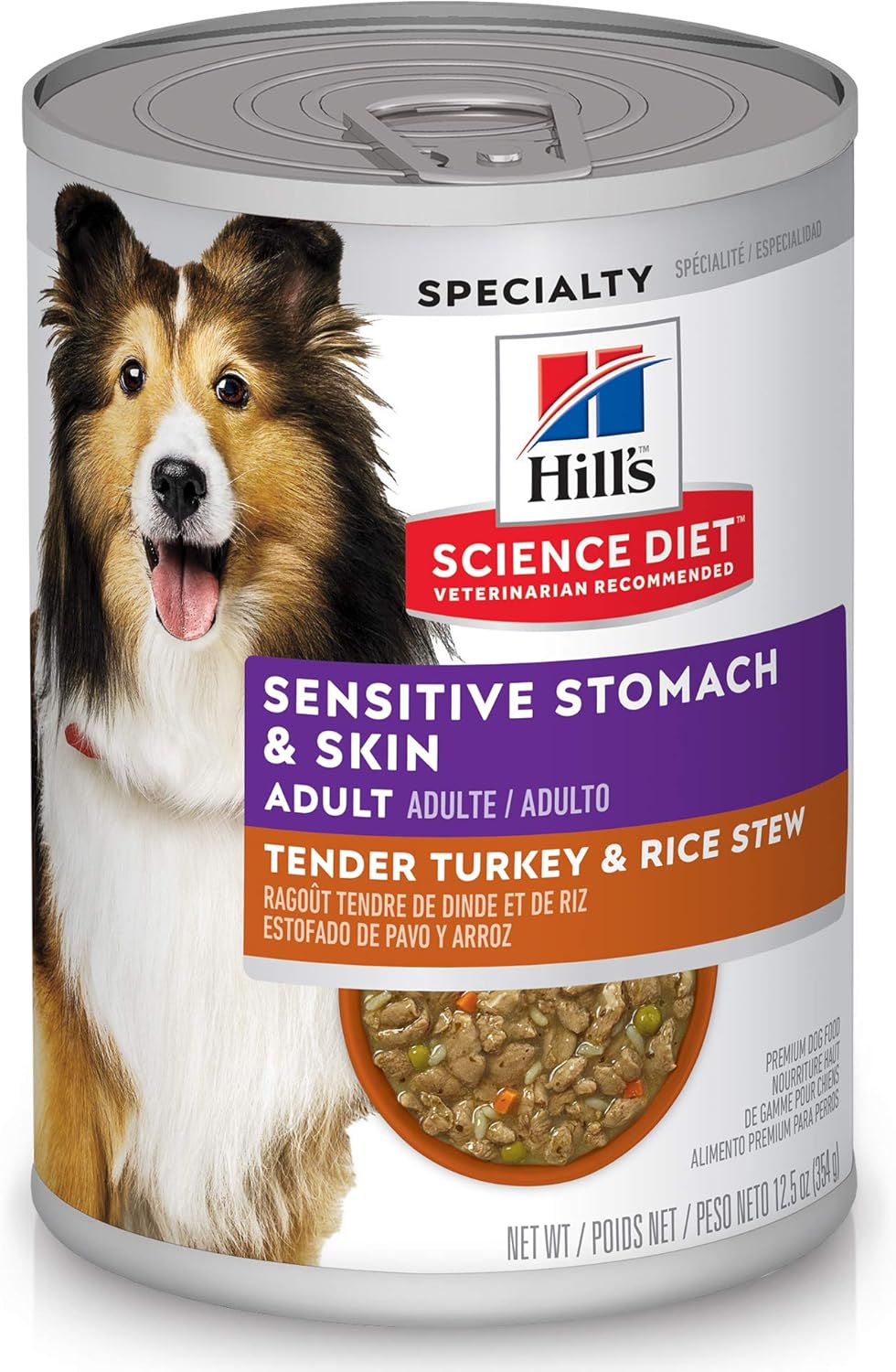
- Best for Advanced Users: Hill’s Science Diet Sensitive Stomach & Skin – Veterinarian-recommended, clinically proven, and formulated for long-term digestive health. Requires a vet’s approval.
Conclusion: Making the Right Choice
Choosing the best canned dog food for a sensitive stomach isn’t just about finding a product that stops diarrhea or reduces gas—it’s about supporting your dog’s long-term health, comfort, and vitality. The right food can transform your dog’s digestion, energy levels, coat quality, and even mood. By focusing on digestible proteins, limited ingredients, gut-supporting additives, and brand transparency, you’re not just feeding your dog—you’re nourishing them.
Remember, every dog is unique. What works for one may not work for another. Be patient, observant, and willing to experiment—but always under the guidance of your veterinarian. Keep a food journal, note any changes in stool, energy, or behavior, and don’t hesitate to seek professional advice if symptoms persist.
Ultimately, the best canned dog food is the one that keeps your dog healthy, happy, and thriving. With the knowledge from this guide, you’re now equipped to make a confident, informed decision. Your dog’s digestive system—and their tail wags—will thank you.