

Choosing the right canned dog food for your small dog is one of the most important decisions you’ll make as a pet parent. While it might seem like a simple choice—just pick a can and feed your pup—the reality is far more complex. Small dogs have unique nutritional needs, digestive sensitivities, and metabolic rates that differ significantly from larger breeds. What works for a Great Dane won’t necessarily support the health of a Chihuahua or a Pomeranian. With thousands of options on the market, ranging from budget-friendly store brands to premium, vet-recommended formulas, it’s easy to feel overwhelmed. That’s why this comprehensive buying guide exists: to cut through the noise, decode the labels, and help you make an informed, confident decision that supports your dog’s long-term health and happiness.
In this guide, you’ll learn exactly what to look for when selecting canned dog food for small dogs—from ingredient quality and nutritional balance to texture, flavor variety, and packaging convenience. We’ll break down the key factors that matter most, compare different types of wet food available today, and highlight common pitfalls to avoid. Whether you’re feeding a puppy, an adult, or a senior small breed, whether your dog has food allergies, dental issues, or a sensitive stomach, this guide will equip you with the knowledge to choose wisely. You’ll also get expert tips on budgeting, shopping smart, and understanding what’s really inside those cans—because transparency matters when it comes to your dog’s diet.
The market for small dog canned food has exploded in recent years, driven by growing awareness of pet nutrition and the rise of premium pet food brands. Today’s options go far beyond the basic meat-and-byproduct blends of the past. You’ll find grain-free recipes, limited-ingredient diets, high-protein formulations, and even fresh-frozen or refrigerated wet foods designed specifically for small mouths and fast metabolisms. But with innovation comes complexity. Not all “premium” labels are created equal, and not every trendy ingredient is beneficial. This guide will help you navigate the evolving landscape with confidence, ensuring your small dog gets the nutrition they need—without overspending or compromising on quality.
What to Look for When Buying Canned Dog Food for Small Dogs
1. High-Quality Protein Sources
Protein is the foundation of any healthy dog diet, but it’s especially critical for small dogs. Due to their rapid metabolism, small breeds require more protein per pound of body weight than larger dogs. Look for canned foods where a named animal protein—such as chicken, turkey, beef, lamb, or fish—is listed as the first ingredient. Avoid vague terms like “meat meal” or “animal byproducts,” which can include low-quality or inconsistent sources. Ideally, the protein should be real, whole meat or a clearly defined meat meal (like “chicken meal”), which is a concentrated form of cooked, dried meat that retains most of its nutritional value.
Also consider the digestibility of the protein source. Small dogs often have sensitive stomachs, so highly digestible proteins like chicken, turkey, and salmon are ideal. Novel proteins such as duck, venison, or rabbit can be excellent choices for dogs with food sensitivities or allergies. Avoid formulas that rely heavily on plant-based proteins like soy, corn gluten meal, or pea protein as primary sources—these are less biologically appropriate for dogs and may not provide complete amino acid profiles.
2. Appropriate Fat Content
Fat provides essential fatty acids and helps your dog absorb fat-soluble vitamins (A, D, E, and K). It’s also a concentrated source of energy, which small dogs need due to their high metabolic rates. However, too much fat can lead to weight gain, which is a common issue in small breeds. Look for canned foods with a fat content between 12% and 18% on a dry matter basis. This range supports energy needs without promoting obesity.
The source of fat matters just as much as the amount. High-quality animal fats like chicken fat, salmon oil, or beef tallow are preferable to generic “animal fat” or vegetable oils like corn or soybean oil. Omega-3 and omega-6 fatty acids are particularly beneficial—they support skin health, reduce inflammation, and promote a shiny coat. Ingredients like flaxseed, chia seeds, and fish oil are good indicators of healthy fat sources.
3. Moisture Content and Hydration Benefits
Canned dog food typically contains 70–80% moisture, which is significantly higher than dry kibble. This is a major advantage for small dogs, many of whom don’t drink enough water on their own. Proper hydration supports kidney function, urinary tract health, and digestion—especially important for breeds prone to urinary stones or kidney issues, such as Miniature Schnauzers or Shih Tzus.
Wet food can be a lifesaver for picky drinkers or dogs recovering from illness. The high moisture content also helps prevent constipation and supports overall digestive health. When comparing brands, don’t be swayed by “low moisture” claims—most quality canned foods naturally have high water content, which is a benefit, not a drawback.
One caveat: because canned food spoils quickly after opening, always refrigerate leftovers and use them within 3–5 days. Consider smaller can sizes (3 oz or 5.5 oz) for small dogs to minimize waste and ensure freshness.
4. Grain-Free vs. Grain-Inclusive: What’s Right for Your Dog?
The grain-free debate has raged in the pet food world for years, but recent research from the FDA has raised concerns about a potential link between grain-free diets and dilated cardiomyopathy (DCM) in dogs. While the exact cause is still under investigation, many experts now recommend caution when choosing grain-free formulas—especially for breeds not genetically predisposed to DCM.
That said, some small dogs have genuine grain sensitivities or allergies. In those cases, grain-free can be appropriate—but only if the formula uses high-quality, digestible carbohydrate sources like sweet potatoes, peas, or lentils instead of fillers. Avoid grain-free foods that rely heavily on legumes (peas, chickpeas, lentils) as primary ingredients, as these have been implicated in the DCM investigation.
For most small dogs, a grain-inclusive diet with whole grains like brown rice, oats, or barley is perfectly safe and beneficial. These grains provide fiber, B vitamins, and sustained energy. The key is balance: choose a formula that uses grains as a secondary ingredient, not a primary one.
5. Life Stage and Breed-Specific Formulas
Not all canned dog food is created equal when it comes to life stage. Puppies, adults, and seniors have different nutritional needs. Small breed puppies, for example, grow rapidly and require higher levels of protein, fat, and calories. Look for formulas labeled “for puppies” or “growth” that meet AAFCO (Association of American Feed Control Officials) standards for growth.
Adult small dogs need balanced nutrition to maintain weight and energy, while senior dogs may benefit from lower-calorie, joint-supporting formulas with added glucosamine and chondroitin. Some brands offer breed-specific recipes tailored to the unique needs of small dogs—such as smaller kibble size (even in wet food, texture matters), higher calorie density, or dental health support.
For example, a 10-pound Chihuahua has very different needs than a 20-pound Cocker Spaniel. Smaller breeds often have faster metabolisms and may need more frequent meals. Choose a formula that matches your dog’s age, size, and activity level.
6. Ingredient Transparency and Avoidance of Fillers
One of the biggest red flags in dog food is the use of fillers—ingredients that add bulk without nutritional value. Common fillers include corn, wheat, soy, and artificial colors or preservatives like BHA, BHT, and ethoxyquin. These ingredients can contribute to allergies, digestive upset, and long-term health issues.
Look for brands that prioritize transparency. Reputable companies will list all ingredients clearly and avoid vague terms like “meat byproducts” or “animal digest.” Instead, they’ll specify the exact source (e.g., “deboned chicken,” “turkey liver”). Natural preservatives like mixed tocopherols (vitamin E) or rosemary extract are safer alternatives to synthetic preservatives.
7. Texture and Palatability for Small Mouths
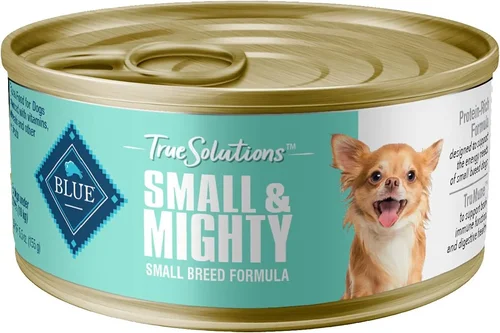
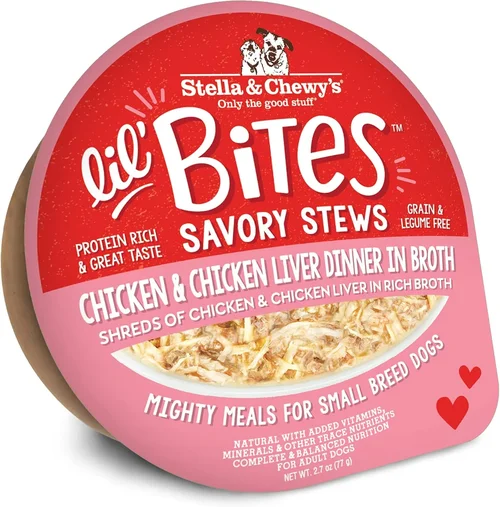
Small dogs often have tiny mouths and may struggle with large chunks or tough textures. Canned food should be easy to chew and swallow. Look for pâté-style formulas or finely minced textures that are gentle on small jaws. Some brands offer “small breed” versions with softer, more manageable pieces.
Palatability is also key—especially for picky eaters. Rotate flavors (chicken, beef, fish, lamb) to keep meals interesting and prevent food fatigue. Avoid foods with excessive gravy or sauce, which may contain added salt, sugar, or thickeners that offer little nutritional value.
8. Brand Reputation and Safety Standards
Not all pet food brands are created equal. Choose companies with a strong track record of safety, quality control, and transparency. Look for brands that:
– Conduct regular nutritional testing
– Follow AAFCO guidelines
– Have never been involved in major recalls
– Publish ingredient sourcing information
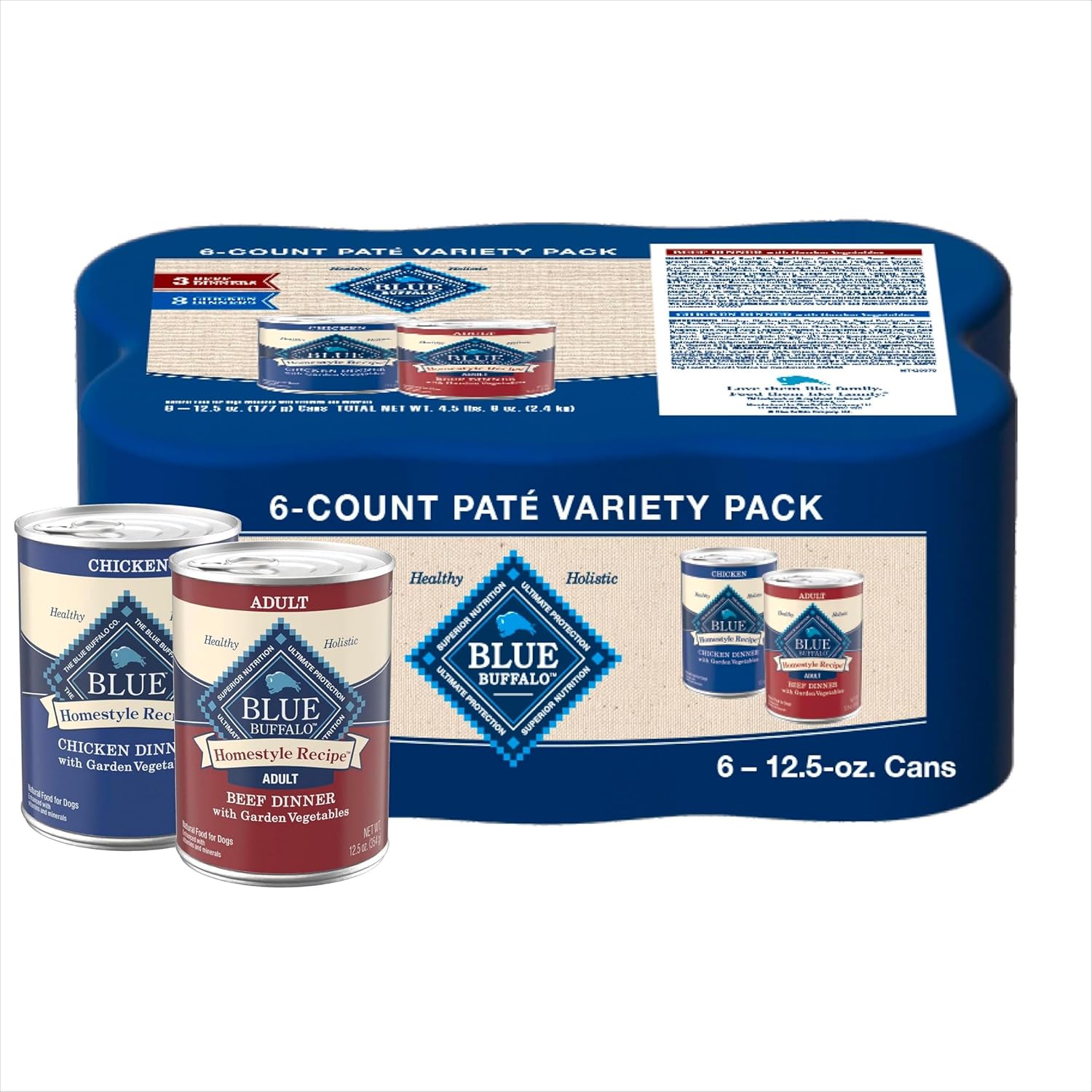
Brands like Wellness, Royal Canin, Hill’s Science Diet, and Blue Buffalo have long-standing reputations for quality. Emerging brands like The Honest Kitchen, Open Farm, and Nom Nom offer fresh or human-grade options with full transparency.
Avoid no-name or discount brands sold in bulk bins or unfamiliar stores. These may lack proper quality control and could pose health risks.
Different Types of Canned Dog Food for Small Dogs

Common Buying Mistakes to Avoid
❌ Mistake: Choosing Based on Price Alone
Why it’s bad: The cheapest canned food often contains fillers, byproducts, and artificial additives that can harm your dog’s health over time. Low-cost brands may also use lower-quality protein sources, leading to poor digestion and nutrient absorption.
What to do instead: Focus on value, not just cost. A slightly more expensive can with high-quality ingredients may actually cost less per meal when you consider better digestion, fewer vet visits, and improved energy levels.
❌ Mistake: Ignoring the Ingredient List
Why it’s bad: The ingredient list tells you everything about what your dog is actually eating. Vague terms like “meat meal” or “animal digest” can hide low-quality or unsafe ingredients.
What to do instead: Always read the first five ingredients. They make up the majority of the food. Look for named meats, whole grains (if included), and natural preservatives.
❌ Mistake: Feeding Adult Food to Puppies or Seniors
Why it’s bad: Puppies need more calories, protein, and fat for growth, while seniors may need fewer calories and added joint support. Feeding the wrong life stage food can lead to malnutrition or obesity.
What to do instead: Choose a formula specifically labeled for your dog’s life stage. If your dog has special health needs (e.g., kidney disease), consult your vet for a prescription diet.
❌ Mistake: Overlooking Texture and Size
Why it’s bad: Large chunks or tough textures can be difficult for small dogs to chew, leading to choking, dental strain, or refusal to eat.
What to do instead: Opt for pâté or finely minced textures. Some brands offer “small breed” versions with appropriately sized pieces.
❌ Mistake: Not Rotating Proteins
Why it’s bad: Feeding the same protein source for months or years increases the risk of developing food sensitivities or allergies.
What to do instead: Rotate between 2–3 different protein sources (e.g., chicken, beef, fish) every few months to provide variety and reduce allergy risk.
❌ Mistake: Storing Canned Food Improperly
Why it’s bad: Once opened, canned food can spoil quickly if left at room temperature. Bacteria growth can cause digestive upset or food poisoning.
What to do instead: Transfer uneaten food to a sealed container and refrigerate immediately. Use within 3–5 days. Never leave opened cans in warm environments.
❌ Mistake: Believing Marketing Claims Without Verification
Why it’s bad: Terms like “natural,” “premium,” or “holistic” are not regulated and can be used misleadingly. A product labeled “grain-free” may still contain low-quality ingredients.
What to do instead: Look beyond the front label. Check the ingredient list, guaranteed analysis, and brand reputation. Use resources like the Dog Food Advisor or AAFCO statements to verify claims.
Budget Guidelines: How Much Should You Spend?
– Entry-Level ($1.00–$2.00 per can): These are typically store brands or economy lines. While convenient and affordable, they often contain fillers, byproducts, and artificial preservatives. Best for temporary use or supplemental feeding, but not ideal for long-term nutrition.
– Mid-Range ($2.00–$3.50 per can): This is the sweet spot for most small dog owners. Brands in this range offer high-quality proteins, minimal fillers, and good nutritional balance. Examples include Wellness CORE, Blue Buffalo Homestyle, and Merrick Grain-Free. These provide excellent value and are widely available.
– Premium ($3.50–$5.00 per can): These formulas often feature novel proteins, limited ingredients, or added functional benefits like probiotics, glucosamine, or omega-3s. Brands like Royal Canin, Hill’s Science Diet, and Open Farm fall here. Ideal for dogs with allergies, sensitivities, or specific health needs.
– Luxury ($5.00+ per can): Includes fresh, refrigerated, or human-grade options like Nom Nom, The Honest Kitchen, or Farmer’s Dog. These are minimally processed, made with whole ingredients, and often customized to your dog’s needs. Best for owners prioritizing top-tier nutrition and willing to invest in their pet’s health.
Expert Tips for Getting the Best Deal
– Buy in bulk when possible: Many retailers offer discounts on multi-can packs. Just ensure your dog likes the food before committing to a large quantity.
– Subscribe and save: Online retailers like Chewy, Amazon, and Petco offer subscription services with 5–15% off regular prices. You can pause or cancel anytime.
– Watch for seasonal sales: Major holidays (Black Friday, Memorial Day, Christmas) often bring significant discounts on pet food. Stock up during these periods.
– Check for rebates and coupons: Brands frequently offer mail-in rebates or digital coupons through their websites or apps. Combine these with store sales for maximum savings.
– Compare online vs. in-store prices: Online prices are often lower due to reduced overhead. However, factor in shipping costs and delivery time.
– Read return policies: If your dog doesn’t like a new food, you want to be able to return it. Most reputable retailers allow returns on unopened cans.
– Test small quantities first: Before switching your dog’s entire diet, buy a single can or small pack to test acceptance and digestion.
– Consider mixing wet and dry: Combining canned food with kibble can reduce overall cost while still providing hydration and palatability.

Frequently Asked Questions
Q: How much canned food should I feed my small dog?
A: The amount depends on your dog’s weight, age, and activity level. Most cans include a feeding guide on the label. As a general rule, a 10-pound dog needs about 1/2 to 3/4 cup of wet food per day, split into two meals. Always adjust based on your dog’s body condition—ribs should be felt but not seen.
Q: Can I feed my small dog only canned food?
A: Yes, many dogs thrive on an all-wet diet. It provides excellent hydration and is often more palatable. However, some dogs benefit from the dental abrasion of kibble. Consult your vet to determine the best approach for your dog.
Q: Is grain-free food safer for small dogs?
A: Not necessarily. While grain-free can help dogs with true grain allergies, recent research suggests a potential link between grain-free diets and heart disease in some dogs. Unless your vet recommends it, a grain-inclusive diet with whole grains is often the safer choice.
Q: How do I transition my dog to a new canned food?
A: Gradually mix the new food with the old over 7–10 days. Start with 25% new food and 75% old, increasing the ratio daily. This helps prevent digestive upset.
Q: Can puppies eat adult canned food?
A: It’s not ideal. Puppies need higher levels of protein, fat, and calories for growth. Choose a formula labeled for puppies or “all life stages” that meets AAFCO growth standards.
Q: What if my dog has food allergies?
A: Look for limited ingredient diets with a single protein and carbohydrate source. Common allergens include chicken, beef, dairy, wheat, and soy. An elimination diet under veterinary supervision is the best way to identify triggers.
Q: Are expensive brands worth the cost?
A: Often, yes—especially if your dog has health issues or sensitivities. Higher-priced brands typically use better ingredients, conduct more rigorous testing, and offer greater transparency. However, some mid-range brands provide excellent value.
Q: How long does canned food last after opening?
A: Store opened cans in the refrigerator and use within 3–5 days. Cover with a lid or plastic wrap to prevent drying out.
Q: Can I mix different flavors of canned food?
A: Absolutely! Mixing flavors can keep meals interesting and provide nutritional variety. Just ensure both foods are complete and balanced.
Q: What should I do if my dog refuses to eat canned food?
A: Try warming the food slightly (to room temperature or slightly above), adding a small amount of warm water or low-sodium broth, or mixing in a spoonful of plain cooked meat. If refusal persists, consult your vet to rule out dental or medical issues.
Our Final Recommendations
– Best for Budget-Conscious Buyers: Blue Buffalo Homestyle Recipe – Offers high-quality ingredients, real meat as the first ingredient, and no artificial preservatives at a mid-range price. Widely available and well-accepted by small dogs.
– Best Overall Value: Wellness CORE Grain-Free Small Breed – Packed with protein, tailored for small breeds, and includes probiotics for digestive health. Excellent balance of quality and affordability.
– Best Premium Option: Nom Nom Fresh Dog Food – Fresh, human-grade, and customized to your dog’s needs. Delivered weekly with precise portions. Ideal for owners who want the best possible nutrition.
– Best for Beginners: Hill’s Science Diet Small Paws – Veterinarian-recommended, easy to digest, and formulated specifically for small dogs. Great for first-time pet owners seeking reliability.
– Best for Advanced Users: Open Farm Grain-Free Wet Food – Ethically sourced, transparent labeling, and made with human-grade ingredients. Perfect for owners who prioritize sustainability and traceability.
Conclusion: Making the Right Choice
Choosing the best canned dog food for your small dog doesn’t have to be overwhelming. By focusing on high-quality protein, appropriate fat levels, ingredient transparency, and your dog’s individual needs, you can make a decision that supports their health, energy, and longevity. Remember, the best food is one that your dog enjoys eating, digests well, and thrives on over time.
Don’t be swayed by flashy packaging or trendy buzzwords. Instead, become a label reader, a brand researcher, and a mindful feeder. Your small dog depends on you for their nutrition—and with the knowledge from this guide, you’re now equipped to give them the very best.
Start by assessing your dog’s current diet. Are they getting enough protein? Are they hydrated? Do they have any sensitivities or health concerns? Use the factors and tips in this guide to evaluate your options, and don’t hesitate to consult your veterinarian for personalized advice.
Your dog’s health is worth the effort. With the right canned food, you’re not just feeding them—you’re investing in their happiness, vitality, and quality of life for years to come.