

If your dog is underweight, recovering from illness, or simply needs to pack on a few healthy pounds, choosing the right canned dog food can make all the difference. While dry kibble dominates much of the pet food market, high-quality wet food offers unique advantages for weight gain—higher moisture content aids digestion, richer protein profiles support muscle development, and enhanced palatability encourages even the pickiest eaters to finish their meals. However, not all canned dog foods are created equal. With hundreds of brands, formulas, and ingredient combinations flooding store shelves and online retailers, it’s easy to feel overwhelmed when trying to find the best option for your pup’s specific needs.
This comprehensive buying guide is designed to cut through the noise and help you make an informed, confident decision. Whether you’re a first-time pet parent or a seasoned dog owner dealing with a senior dog, a rescue with a history of malnutrition, or a performance athlete like a sled or agility dog, this guide will equip you with everything you need to know. You’ll learn how to evaluate nutritional content, understand ingredient quality, compare price points, avoid common pitfalls, and ultimately select a canned dog food that supports safe, sustainable weight gain—without compromising your dog’s long-term health.
The market for weight-gain dog food has evolved significantly in recent years. Gone are the days when “high-calorie” simply meant loaded with fillers like corn, soy, and artificial fats. Today’s premium formulas emphasize biologically appropriate nutrition: real meat as the first ingredient, balanced omega fatty acids, digestible carbohydrates, and added supplements like L-carnitine or probiotics to support metabolic health. Brands like Royal Canin, Hill’s Science Diet, Wellness, and Blue Buffalo now offer specialized wet food lines tailored to underweight dogs, while boutique brands like The Honest Kitchen and Open Farm focus on human-grade, minimally processed ingredients. With so many options available—from budget-friendly store brands to ultra-premium raw-inspired stews—it’s more important than ever to understand what truly matters when selecting the best canned dog food for weight gain.

What to Look for When Buying Buying Guide
1. Calorie Density per Serving
When your goal is weight gain, calorie density isn’t just a nice-to-have—it’s essential. Unlike maintenance diets, which aim for balanced energy levels, weight-gain formulas should deliver more calories in each serving without requiring your dog to eat excessive volumes. Look for canned foods that provide at least 400–500 kcal per cup (or per standard 13 oz can), though some high-performance formulas exceed 600 kcal/cup. This allows your dog to consume enough energy to support weight gain without overfilling their stomach, which can lead to discomfort or reduced appetite.
But don’t just scan the label for “high calorie” claims—dig into the guaranteed analysis. A food may boast high caloric content but derive those calories from low-quality fats or indigestible fillers. Instead, prioritize foods where calories come primarily from animal-based proteins and healthy fats. For example, a can listing deboned chicken, chicken liver, and chicken fat as top ingredients will typically offer more usable energy than one relying on potato starch or pea protein. Also consider your dog’s size and activity level: a 10-pound Chihuahua won’t need the same caloric intake as a 70-pound German Shepherd, so adjust portion sizes accordingly and consult your vet for personalized recommendations.
2. Protein Source and Quality
Protein is the cornerstone of healthy weight gain—especially muscle mass, which is far preferable to fat accumulation. When evaluating canned dog food, always check the ingredient list: the first ingredient should be a named animal protein like “chicken,” “beef,” or “salmon,” not a vague term like “meat meal” or “animal by-product.” Whole meats (e.g., “deboned turkey”) are ideal because they retain natural moisture and nutrients, while meat meals (e.g., “chicken meal”) are concentrated sources of protein but may be less digestible if not sourced responsibly.
Aim for a minimum of 25–30% crude protein on a dry matter basis (DMB)—a metric that removes water content to give a true sense of nutritional density. To calculate DMB, divide the protein percentage by (100 – moisture %), then multiply by 100. For instance, a can with 10% protein and 78% moisture equals roughly 45% protein DMB, which is excellent. High-protein diets support lean muscle development, improve coat condition, and enhance overall metabolic function. Avoid foods where plant-based proteins (like lentils or chickpeas) dominate the profile unless your dog has specific dietary restrictions—they’re less bioavailable than animal proteins and may not efficiently support weight gain.
3. Healthy Fat Content
Fats are the most calorie-dense macronutrient—providing 2.25 times more energy than protein or carbs—making them invaluable for weight gain. However, not all fats are equal. Look for named animal fats (e.g., “chicken fat,” “salmon oil”) rather than generic “animal fat” or vegetable oils like corn or soybean oil, which offer fewer essential fatty acids. Omega-3 and omega-6 fatty acids, particularly EPA and DHA from fish oil, support skin health, reduce inflammation, and improve coat shine—critical for dogs recovering from illness or malnutrition.
A good weight-gain formula should contain 12–20% fat on a dry matter basis. Too little fat won’t provide enough calories; too much can cause pancreatitis or gastrointestinal upset, especially in sensitive dogs. Balance is key. Additionally, avoid foods with added trans fats or hydrogenated oils—these are rare in reputable brands but worth checking for if you’re considering budget options. If your dog has a history of pancreatitis, opt for moderate-fat formulas (around 12–15%) and introduce new foods gradually.
4. Digestibility and Palatability
Even the most nutrient-rich food is useless if your dog won’t eat it or can’t digest it properly. Palatability is especially crucial for underweight dogs, who may have reduced appetites due to stress, illness, or dental issues. High-moisture canned foods are inherently more aromatic and appealing than dry kibble, but some brands go further by adding broth, gravy, or real meat chunks to entice finicky eaters.
Digestibility refers to how well your dog’s body can break down and absorb nutrients. Foods with highly digestible ingredients—like fresh poultry, eggs, and easily cooked grains—yield better results than those packed with fibrous vegetables or hard-to-digest legumes. A digestibility rate above 85% is considered excellent. You’ll often see this noted in clinical studies conducted by premium brands. If your dog has a sensitive stomach, look for formulas with added probiotics (like Bacillus coagulans) or prebiotic fibers (such as chicory root) to support gut health and nutrient absorption.
5. Added Supplements and Functional Ingredients
Beyond basic macros, the best weight-gain canned foods include targeted supplements that enhance nutrient utilization and overall health. L-carnitine, for example, helps convert fat into energy and supports lean muscle growth—ideal for dogs needing to gain weight without becoming overweight. Taurine is another important addition, especially in grain-free diets, as it supports heart health and prevents deficiencies linked to dilated cardiomyopathy (DCM).
Other beneficial additives include glucosamine and chondroitin for joint support (important for larger breeds prone to arthritis), vitamin E as a natural preservative and antioxidant, and chelated minerals (like zinc proteinate) for improved absorption. Avoid foods with excessive synthetic additives, artificial colors, or preservatives like BHA/BHT. While these aren’t necessarily harmful in small amounts, they offer no nutritional benefit and may detract from the food’s overall quality.
6. Brand Transparency and Sourcing Practices
Not all pet food companies disclose where their ingredients come from or how their products are manufactured. Reputable brands, however, provide detailed sourcing information, conduct regular third-party testing, and adhere to AAFCO (Association of American Feed Control Officials) standards. Look for companies that publish ingredient traceability reports, use human-edible ingredients, and avoid controversial practices like rendering or using meat from diseased animals.
Brands like Open Farm, The Honest Kitchen, and Stella & Chewy’s emphasize transparency by listing farm origins, using non-GMO produce, and avoiding antibiotics or hormones in their meat sources. While these premium options may cost more, they offer peace of mind—especially if your dog has allergies or a history of food sensitivities. Even mid-tier brands like Merrick and Nutro now provide clearer labeling and improved sourcing compared to a decade ago.
7. Veterinarian Recommendations and Clinical Support
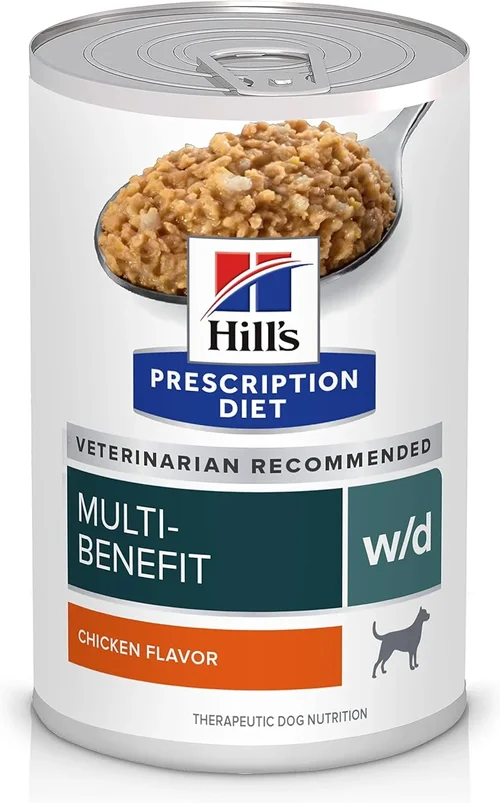
If your dog is significantly underweight due to medical conditions like parasites, thyroid issues, or post-surgical recovery, consult your veterinarian before switching foods. Many vets recommend therapeutic or prescription diets specifically formulated for weight gain, such as Hill’s Prescription Diet a/d or Royal Canin Convalescence Support. These foods are scientifically tested for digestibility, nutrient balance, and efficacy in clinical settings.
Even for non-medical cases, your vet can help determine ideal calorie targets, monitor progress, and rule out underlying health problems that might hinder weight gain. Some premium brands partner with veterinary nutritionists to develop their formulas, adding credibility to their claims. Always choose a food that aligns with your dog’s life stage, breed, and health status—not just their weight goal.
8. Packaging, Shelf Life, and Storage
Canned dog food offers convenience, but it’s not immune to spoilage or contamination. Check expiration dates carefully, and avoid dented, bulging, or rusted cans—these can indicate bacterial growth or compromised seals. Once opened, transfer unused portions to an airtight container and refrigerate for up to 5–7 days. Never leave wet food sitting out for more than 2 hours, especially in warm climates.
Some brands now offer BPA-free linings and recyclable packaging, which is better for both your dog and the environment. If you feed multiple dogs or large breeds, consider family-sized cans (12.5 oz or larger) to reduce waste and save money. For travel or portion control, single-serve pouches (like those from Weruva or Tiki Dog) offer portability but may cost more per ounce.
Different Types of Buying Guide

Common Buying Mistakes to Avoid
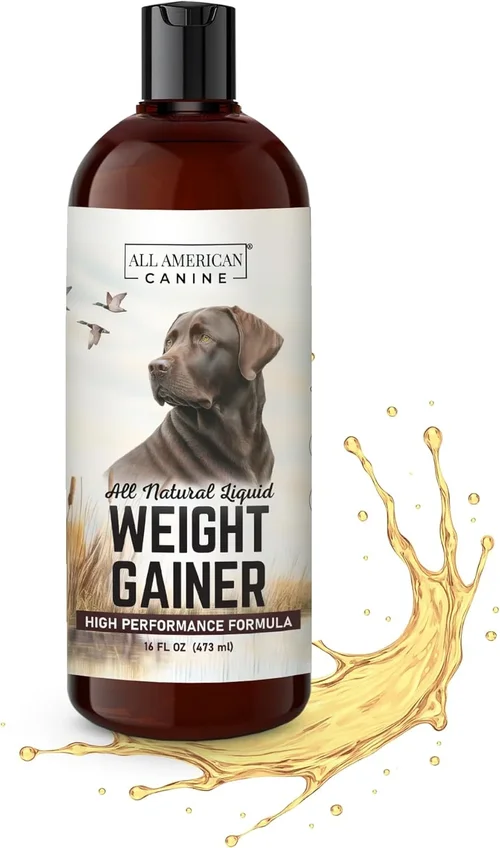
❌ Mistake: Choosing Based Solely on “High Fat” Claims
Why it’s bad: Not all fats are created equal. Foods loaded with low-quality vegetable oils or unnamed animal fats may provide calories but lack essential fatty acids and can cause digestive upset or pancreatitis.
What to do instead: Prioritize named animal fats (e.g., chicken fat, salmon oil) and verify fat sources in the ingredient list. Aim for balanced omega-3 and omega-6 ratios.
❌ Mistake: Ignoring Moisture Content When Comparing Labels
Why it’s bad: Canned foods range from 70% to 85% moisture, which drastically affects dry matter calculations. A food with 10% protein and 78% moisture isn’t equivalent to one with 10% protein and 70% moisture.
What to do instead: Always convert nutritional values to dry matter basis for accurate comparisons. Use online calculators or the formula: (Nutrient % ÷ (100 – Moisture %)) × 100.
❌ Mistake: Overfeeding Without Monitoring Progress
Why it’s bad: Rapid weight gain can strain joints, organs, and metabolism. It may also mask underlying health issues if weight increases too quickly.
What to do instead: Weigh your dog weekly and adjust portions based on vet guidance. Aim for steady gains of 1–3% body weight per week, depending on size and condition.
❌ Mistake: Switching Foods Too Quickly
Why it’s bad: Sudden diet changes can trigger diarrhea, vomiting, or refusal to eat—counterproductive for weight gain.
What to do instead: Transition over 7–10 days, mixing increasing amounts of new food with old. For sensitive dogs, extend to 2–3 weeks.
❌ Mistake: Assuming All “Grain-Free” Foods Are Better
Why it’s bad: Grain-free doesn’t automatically mean higher quality or more calories. Some rely heavily on legumes, which may not support optimal heart health or digestibility.
What to do instead: Evaluate the entire ingredient profile, not just the absence of grains. Ensure primary calories come from animal sources.
❌ Mistake: Neglecting Dental Health During Weight Gain
Why it’s bad: Soft canned food alone won’t clean teeth. Poor dental health can reduce appetite and lead to systemic infections.
What to do instead: Supplement with dental chews, water additives, or occasional raw bones (under supervision). Consider mixing in some kibble for mechanical cleaning.
❌ Mistake: Buying Based on Marketing Buzzwords
Why it’s bad: Terms like “natural,” “holistic,” or “premium” aren’t regulated and can be misleading.
What to do instead: Focus on verifiable metrics: ingredient sourcing, AAFCO statements, guaranteed analysis, and third-party testing.
Budget Guidelines: How Much Should You Spend?
Entry-Level ($0.80–$1.50 per can): These budget options—often store brands like Purina ONE, Iams, or Walmart’s Special Kitty—can work for mild weight gain if chosen carefully. Look for formulas where meat is the first ingredient and avoid those with excessive fillers. While they may lack premium supplements or exotic proteins, many meet basic AAFCO standards and provide adequate calories. Best for short-term use or dogs with no sensitivities.
Mid-Range ($1.50–$2.50 per can): This is the sweet spot for most owners. Brands like Blue Buffalo, Merrick, and Nutro offer high-protein, moderately high-fat formulas with recognizable ingredients. You’ll find added vitamins, probiotics, and better fat sources here. Ideal for ongoing weight management and dogs needing reliable nutrition without breaking the bank.
Premium ($2.50–$4.00 per can): Designed for performance, recovery, or sensitive systems. These include veterinary diets (Hill’s a/d, Royal Canin Recovery), human-grade lines (The Honest Kitchen, Open Farm), and performance formulas (Taste of the Wild High Prairie, Wellness CORE). Expect superior digestibility, functional additives, and transparent sourcing. Worth the investment for dogs with medical needs or owners prioritizing long-term health.
Luxury ($4.00+ per can): Reserved for ultra-premium, minimally processed, or raw-inspired canned foods. Examples include Ziwi Peak, K9 Natural, and Primal Pet Foods. These often use air-dried or freeze-dried techniques, whole prey ingredients, and no synthetic additives. While excellent for bioavailability, they may be excessive for routine weight gain unless your dog has severe allergies or dietary restrictions.
Expert Tips for Getting the Best Deal
– Time your purchases around major sales events: Black Friday, Cyber Monday, and end-of-season clearances often feature deep discounts on pet food. Sign up for brand newsletters to get early access.
– Compare unit prices, not just total cost: A 24-can case may seem expensive upfront, but if it’s $1.20 per can versus $1.80 individually, it’s a smart save.
– Use subscription services wisely: Autoship programs (Chewy, Amazon Subscribe & Save) offer convenience and discounts, but monitor your dog’s preferences—don’t get stuck with unused food.
– Check return policies before buying large quantities: Some retailers allow returns on unopened cans, which is helpful if your dog rejects a new flavor.
– Test small batches first: Buy single cans or variety packs to assess palatability and digestive tolerance before committing to a case.
– Look for manufacturer rebates or loyalty programs: Brands like Hill’s and Royal Canin offer vet-exclusive coupons or reward points for repeat buyers.
– Consider mixing wet and dry food: Adding a spoonful of high-calorie wet food to kibble boosts calories and flavor without doubling your budget.
– Don’t overlook local pet stores: Independent shops sometimes carry niche brands not available online and may offer personalized advice or samples.

Frequently Asked Questions
Q: How fast should my dog gain weight on canned food?
A: Healthy weight gain typically ranges from 1% to 3% of body weight per week. For a 40-pound dog, that’s about 0.4 to 1.2 pounds weekly. Faster gains may indicate overfeeding or underlying health issues—consult your vet if progress seems excessive.
Q: Can I feed only canned food for weight gain?
A: Yes, but ensure it’s nutritionally complete and balanced (look for AAFCO statements). Some dogs do better with a mix of wet and dry food to support dental health and prevent boredom.
Q: Is grain-free canned food better for weight gain?
A: Not necessarily. Grain-free diets can be higher in calories due to added legumes or potatoes, but they’re not inherently superior. Focus on protein and fat quality instead.
Q: My dog won’t eat the new food—what should I do?
A: Warm the food slightly (not hot) to enhance aroma, mix in a small amount of low-sodium broth, or gradually transition over 10–14 days. Never force-feed.
Q: Are there risks to over-supplementing with high-calorie food?
A: Yes. Excess calories can lead to obesity, pancreatitis, or joint stress. Always follow feeding guidelines and adjust based on your dog’s response.
Q: Can puppies use weight-gain canned food?
A: Only if formulated for growth or all life stages. Adult maintenance foods lack the calcium, DHA, and protein levels puppies need. Choose puppy-specific formulas.
Q: How do I know if the food is working?
A: Monitor body condition score (BCS)—you should feel ribs easily but not see them prominently. Use a scale weekly and track energy levels, coat quality, and stool consistency.
Q: Is raw or fresh food better than canned for weight gain?
A: Fresh and raw diets can be excellent but require careful balancing to avoid deficiencies. Canned food offers convenience and guaranteed nutrition, making it safer for most owners.
Q: Should I add supplements to canned food?
A: Only under veterinary guidance. Most complete canned foods don’t need extras. Over-supplementing can cause imbalances (e.g., too much calcium).
Q: What if my dog has allergies?
A: Choose limited-ingredient diets with novel proteins (duck, venison, rabbit) and single carbohydrate sources. Hypoallergenic prescription foods may be necessary for severe cases.
Our Final Recommendations
Best for Budget-Conscious Buyers: Purina Pro Plan True Nature High Calorie Wet Dog Food – Offers 530 kcal/can, real chicken as the first ingredient, and added glucosamine—all under $1.50 per can. Great value without major compromises.
Best Overall Value: Blue Buffalo Wilderness High Protein Grain-Free Wet Dog Food (Chicken Recipe) – Balances quality ingredients, 480 kcal/can, and palatability at a mid-range price. Ideal for most underweight dogs.
Best Premium Option: Hill’s Prescription Diet a/d Urgent Care Canned Dog Food – Veterinarian-recommended, clinically proven for rapid weight gain, with highly digestible proteins and added L-carnitine. Perfect for post-surgery or convalescing dogs.
Best for Beginners: Merrick Grain-Free Real Chicken + Sweet Potato Recipe – Easy-to-find, widely available, and features simple, recognizable ingredients. Gentle on sensitive stomachs while providing 450 kcal/can.
Best for Advanced Users: Open Farm Homestead Turkey & Chicken Wet Dog Food – Human-grade, traceable ingredients, rich in omega-3s, and packaged in BPA-free cans. Ideal for owners who prioritize transparency and sustainability.
Conclusion: Making the Right Choice
Selecting the best canned dog food for weight gain isn’t just about calories—it’s about choosing a formula that supports your dog’s overall health, digestion, and long-term well-being. By focusing on high-quality proteins, healthy fats, digestibility, and brand transparency, you can ensure your pup gains weight safely and sustainably. Avoid common pitfalls like over-reliance on marketing claims or ignoring moisture content, and always involve your veterinarian when dealing with significant weight issues.
Remember, every dog is unique. What works for a high-energy Border Collie may not suit a senior Bulldog. Start with small trials, monitor progress closely, and don’t hesitate to adjust your approach. With the knowledge from this guide, you’re now equipped to navigate the crowded pet food market with confidence. Your dog deserves the best—not just to gain weight, but to thrive. Take the next step today: review your current food, assess your dog’s needs, and make a change that supports a healthier, happier life.