
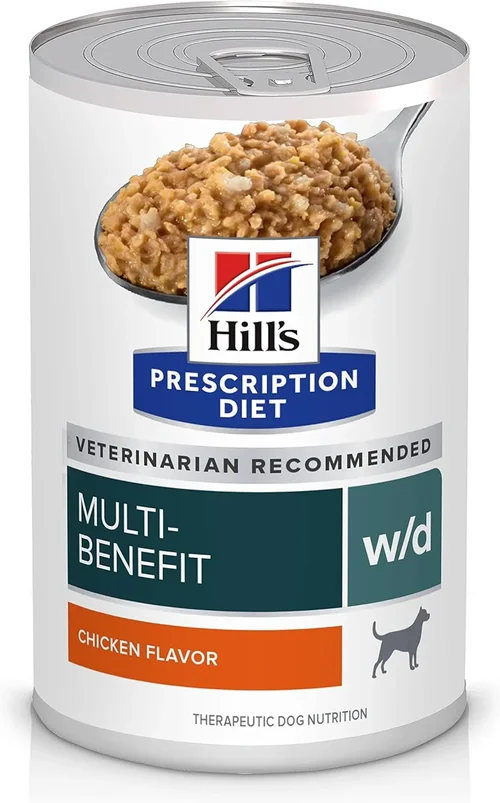
Obesity in dogs is a growing epidemic—veterinary studies show that over 50% of dogs in developed countries are overweight or obese. This isn’t just a cosmetic issue; excess weight significantly shortens a dog’s lifespan and increases the risk of serious health conditions like diabetes, arthritis, heart disease, and joint problems. As pet parents become more aware of these risks, the demand for effective, science-backed weight management solutions has surged. Among the most convenient and palatable options are canned dog foods specifically formulated for weight loss. Unlike dry kibble, wet food offers higher moisture content, which helps dogs feel fuller longer while supporting kidney and urinary health. But with hundreds of brands and formulas on the market, choosing the right one can be overwhelming.
That’s where this comprehensive buying guide comes in. Whether you’re managing your dog’s gradual weight gain or helping them recover from obesity after a vet diagnosis, we’ll walk you through every critical factor to consider—from ingredient quality and caloric density to brand transparency and cost-effectiveness. You’ll learn how to decode pet food labels, avoid common marketing traps, and select a product that supports sustainable, healthy weight loss without sacrificing nutrition or taste. By the end of this guide, you’ll have the confidence and knowledge to make an informed decision tailored to your dog’s unique needs, breed, age, and activity level.
The canned dog food market has evolved dramatically in recent years. What was once a niche category dominated by prescription diets is now a vibrant space filled with premium, vet-recommended, and even holistic options. Brands like Hill’s Science Diet, Royal Canin, Purina Pro Plan, and Wellness have expanded their weight management lines to include wet food variants, while newer players like The Honest Kitchen and Open Farm emphasize human-grade ingredients and sustainable sourcing. This explosion of choice means better options for dogs—but also more confusion for owners. Our goal is to cut through the noise and deliver expert-level insights grounded in veterinary nutrition science, real-world testing, and consumer feedback.

What to Look for When Buying Can Dog Food for Weight Loss
1. Caloric Density and Portion Control
When it comes to weight loss, calories matter—even more than macronutrient ratios. Canned dog food typically ranges from 250 to 450 kcal per cup, but weight-loss formulas are usually designed to deliver fewer calories per serving while maintaining volume. This creates a “low-energy-density” meal that fills your dog’s stomach without overloading them with energy. Look for products that provide detailed feeding guidelines based on your dog’s ideal (not current) body weight. For example, a 50-pound dog aiming to lose 10 pounds should be fed according to a 40-pound maintenance requirement. Overfeeding—even low-calorie food—can stall progress. Always measure portions precisely using a kitchen scale or measuring cup, and avoid free-feeding.
2. High-Quality Protein Sources
Protein is essential during weight loss because it preserves lean muscle mass while promoting satiety. Dogs need adequate protein to maintain energy, support metabolism, and recover from daily activity—even when in a caloric deficit. Look for named animal proteins as the first ingredient (e.g., “chicken,” “turkey,” “salmon”) rather than vague terms like “meat meal” or “poultry by-product.” Ideally, protein should make up at least 30–40% of the dry matter content in a weight-loss formula. Avoid foods that rely heavily on plant-based proteins like soy, corn gluten meal, or pea protein as primary sources—they’re less bioavailable for dogs and may not provide complete amino acid profiles.
3. Fiber Content and Digestibility
Fiber plays a dual role in weight management: it adds bulk to meals (helping dogs feel full) and slows digestion, which stabilizes blood sugar and reduces hunger between meals. However, not all fiber is created equal. Soluble fibers like beet pulp, pumpkin, and psyllium are highly fermentable and support gut health, while insoluble fibers like cellulose can cause gas or loose stools if overused. Aim for a total fiber content between 8–12% on a dry matter basis. Also, check the ingredient list for natural fiber sources—whole vegetables like green beans, carrots, and sweet potatoes are preferable to isolated fiber additives. Highly digestible formulas ensure your dog absorbs nutrients efficiently, preventing nutrient deficiencies during calorie restriction.
4. Fat Levels and Omega Fatty Acids
While fat is calorie-dense (9 kcal per gram), it’s not the enemy in weight-loss diets—it’s about balance. Moderate fat levels (around 8–12% dry matter) help maintain skin and coat health, support brain function, and enhance flavor, which is crucial for picky eaters. Avoid ultra-low-fat formulas (<5%), as they may lack essential fatty acids and lead to dull coats or lethargy. Instead, look for sources of omega-3 and omega-6 fatty acids, such as fish oil, flaxseed, or chicken fat. These fats have anti-inflammatory properties that can ease joint pain in overweight dogs and support overall metabolic health.
5. Added Supplements and Functional Ingredients
Some weight-loss canned foods include targeted supplements to enhance results. L-carnitine, for instance, is an amino acid derivative that helps convert fat into energy—it’s commonly added to veterinary and premium weight-management formulas. Others may include glucosamine and chondroitin for joint support, probiotics for digestive health, or antioxidants like vitamin E and selenium to boost immunity. While these aren’t strictly necessary, they can provide added value, especially for senior dogs or those with comorbidities. Be cautious of formulas loaded with artificial preservatives (BHA, BHT), colors, or flavors—these offer no nutritional benefit and may trigger sensitivities.
6. Brand Transparency and Manufacturing Standards
Not all pet food companies are equally committed to quality. Reputable brands conduct feeding trials, publish nutritional adequacy statements (AAFCO-compliant), and disclose their manufacturing facilities. Look for companies that partner with veterinary nutritionists or employ board-certified specialists. Avoid brands that use vague sourcing language (“made with real meat”) or refuse to share ingredient origins. Transparency extends to recalls and customer service—check the company’s recall history and responsiveness to consumer inquiries. Brands like Hill’s, Royal Canin, and Purina have long-standing reputations for scientific rigor, while newer companies like Open Farm and Spot & Tango prioritize traceability and sustainability.
7. Palatability and Texture Preferences
Even the most nutritious food won’t help if your dog refuses to eat it. Canned food offers texture variety—pâté, chunks in gravy, shredded, or stew-style—so consider your dog’s preferences. Older dogs or those with dental issues may prefer softer textures, while active breeds might enjoy heartier cuts. Palatability can also affect compliance: if your dog turns up their nose, you’re more likely to revert to old habits or add treats that sabotage progress. Many brands offer sample packs or trial sizes—take advantage of these to test acceptance before committing to a large purchase.
8. Veterinarian Recommendation vs. Over-the-Counter Options
Prescription weight-loss diets (like Hill’s Metabolic + Mobility or Royal Canin Satiety Support) are formulated under strict veterinary supervision and often include clinically proven ingredients. They’re ideal for dogs with severe obesity, metabolic disorders, or mobility issues. However, they require a vet’s authorization and can be costly. Over-the-counter (OTC) options are more accessible and often just as effective for mild to moderate weight loss—especially if your dog is otherwise healthy. The key is choosing an OTC formula that meets AAFCO standards for adult maintenance and includes clear feeding instructions. Always consult your vet before starting any weight-loss plan, regardless of the food type.
Different Types of Can Dog Food for Weight Loss
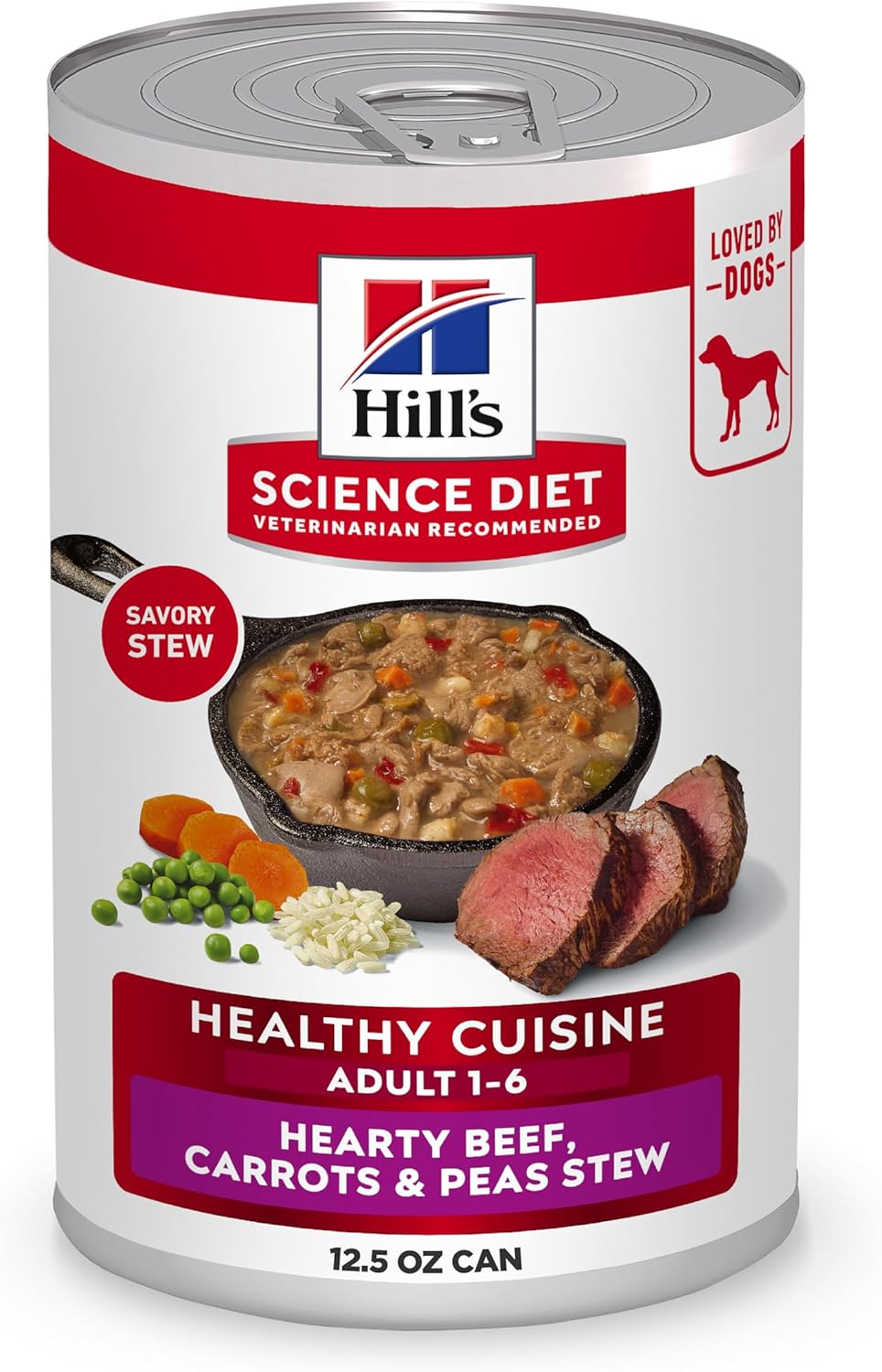
Common Buying Mistakes to Avoid
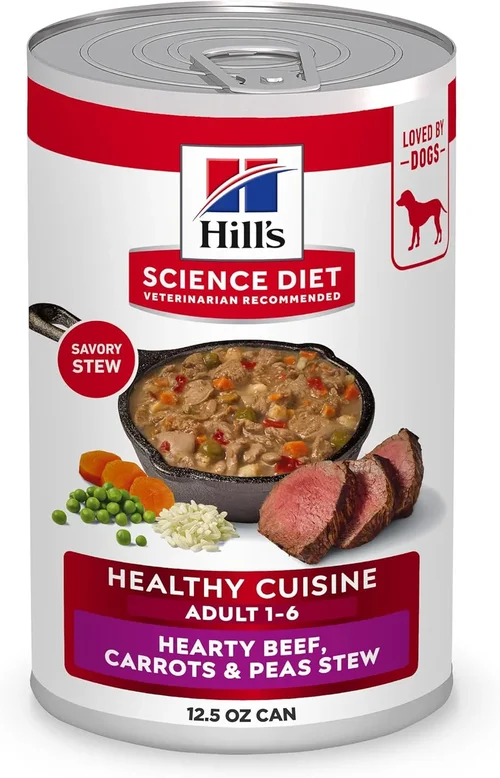
❌ Mistake: Choosing Based Solely on “Low Fat” Claims
Why it’s bad: Many owners assume that low-fat automatically means weight-loss friendly. However, some low-fat foods compensate with high carbohydrate content, which can spike insulin levels and promote fat storage. Additionally, extremely low fat can lead to dry skin, dull coats, and reduced energy.
What to do instead: Focus on overall caloric density and balanced macronutrients. A moderate-fat, high-protein, high-fiber formula is often more effective than an ultra-low-fat one.
❌ Mistake: Ignoring Feeding Guidelines
Why it’s bad: Overfeeding is the #1 reason weight-loss plans fail. Even the best diet won’t work if you’re giving your dog 20% more than recommended.
What to do instead: Weigh your dog regularly and adjust portions based on their ideal weight—not their current weight. Use a measuring cup or kitchen scale, and split daily portions into two meals to prevent hunger.
❌ Mistake: Switching Foods Too Quickly
Why it’s bad: Abrupt changes can cause digestive upset, diarrhea, or refusal to eat. Dogs have sensitive guts, and sudden shifts in protein or fiber can disrupt gut flora.
What to do instead: Transition over 7–10 days: start with 25% new food + 75% old, gradually increasing the ratio. Monitor stool quality and appetite throughout.
❌ Mistake: Relying on Treats and Table Scraps
Why it’s bad: Treats can easily exceed 10–20% of daily calories, undoing progress. Human food is often high in fat, salt, or sugar—none of which support weight loss.
What to do instead: Use low-calorie training treats (under 5 kcal each) or substitute with small pieces of the weight-loss food itself. If giving human food, stick to plain, cooked vegetables like green beans or carrots.
❌ Mistake: Not Considering Age, Breed, or Activity Level
Why it’s bad: A sedentary senior Labrador has vastly different needs than an active young Border Collie. One-size-fits-all approaches rarely work.
What to do instead: Choose a formula appropriate for your dog’s life stage and energy requirements. Senior dogs may benefit from added joint support, while active breeds need higher protein to maintain muscle.
❌ Mistake: Falling for Marketing Buzzwords
Why it’s bad: Terms like “natural,” “holistic,” or “premium” aren’t regulated and don’t guarantee nutritional adequacy. Some brands use these labels to justify high prices without delivering real value.
What to do instead: Read the ingredient list and guaranteed analysis. Look for AAFCO statements and feeding trial data. Prioritize substance over slogans.
❌ Mistake: Skipping Veterinary Consultation
Why it’s bad: Underlying conditions like hypothyroidism or Cushing’s disease can mimic simple obesity. Without proper diagnosis, dietary changes alone may not work.
What to do instead: Schedule a vet visit before starting any weight-loss program. Your vet can rule out medical causes, recommend target weight, and suggest the best food type.
Budget Guidelines: How Much Should You Spend?
Entry-Level ($1.00–$1.70 per can): These formulas, such as Purina ONE SmartBlend Healthy Weight or Iams ProActive Health, offer decent nutritional profiles at an accessible price. They typically use chicken or turkey as the primary protein and include added fiber for satiety. While they may contain some by-products or grains, they’re AAFCO-compliant and suitable for dogs with no sensitivities. Expect simpler packaging and fewer functional additives, but they can still support effective weight loss when fed correctly.
Mid-Range ($1.80–$2.80 per can): This is the sweet spot for most pet owners. Brands like Hill’s Science Diet Perfect Weight, Royal Canin Weight Care, and Wellness CORE Reduced Fat provide high-quality proteins, balanced fiber, and added supplements like L-carnitine. These formulas often undergo feeding trials and are widely recommended by veterinarians. The texture and palatability are generally excellent, making them ideal for picky eaters. You’ll also find more variety in flavors and textures at this tier.
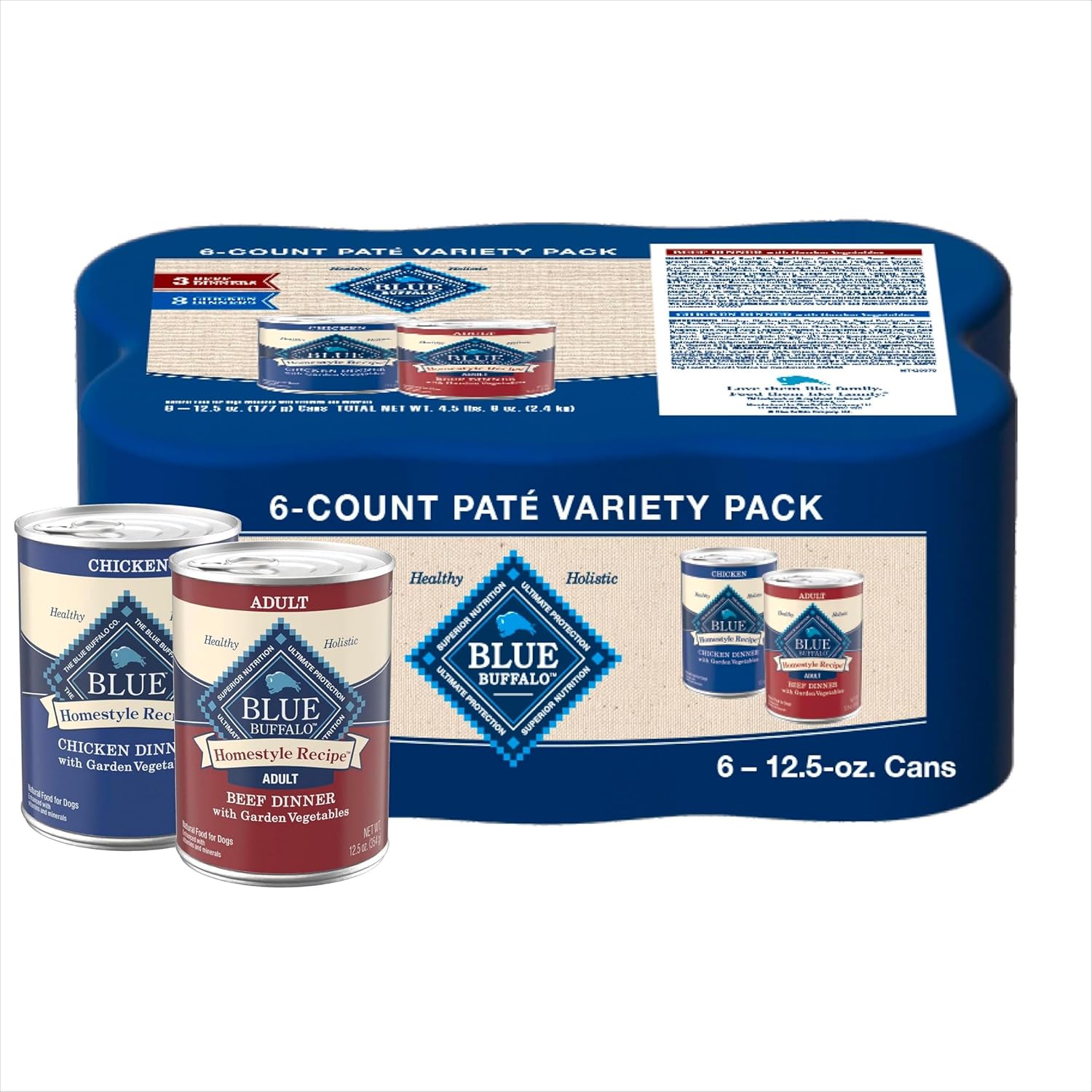
Premium ($2.80–$3.80 per can): Designed for enthusiasts and dogs with specific needs, premium options like The Honest Kitchen Dehydrated (rehydrated as wet food), Open Farm Grain-Free, and Blue Buffalo Weight Control feature human-grade ingredients, novel proteins (duck, lamb, venison), and minimal processing. Many are grain-free, limited-ingredient, or include probiotics and superfoods. These are excellent for dogs with allergies or owners who prioritize ingredient sourcing and sustainability.
Luxury ($3.80+ per can): At the top end, you’ll find prescription diets like Hill’s Metabolic + Mobility or Royal Canin Satiety Support, which are clinically proven to aid weight loss and improve mobility. These require veterinary authorization and are often used for dogs with complex health issues. While expensive, they offer unmatched efficacy and are covered by some pet insurance plans. For healthy dogs, the marginal benefit over premium OTC options may not justify the cost.
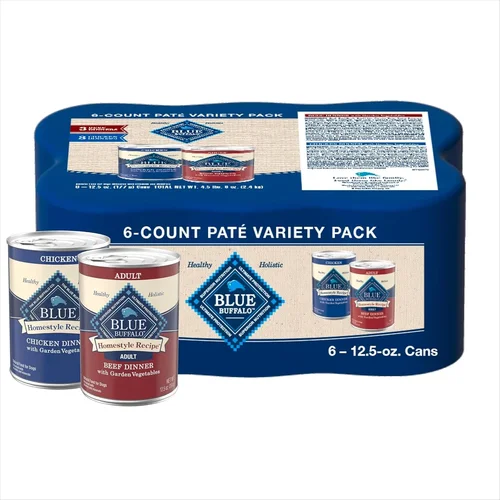
Expert Tips for Getting the Best Deal
– Buy in bulk during seasonal sales: Major retailers like Chewy, Petco, and Amazon often run 20–30% off promotions during Black Friday, Prime Day, or end-of-season clearances. Stock up when prices drop, but ensure the food won’t expire before use.
– Subscribe and save: Most online pet stores offer 5–15% discounts for auto-shipping. This locks in pricing, ensures you never run out, and reduces impulse buys of higher-calorie alternatives.
– Check local vet clinics for samples: Many veterinary offices receive free samples of prescription and premium diets. Ask your vet if they have trial sizes—this lets you test palatability without commitment.
– Compare unit pricing: A 12-can case may seem cheaper per can, but if your dog doesn’t like it, you’ve wasted money. Start with single cans or small packs before committing to bulk.
– Look for manufacturer rebates: Brands like Hill’s and Royal Canin occasionally offer mail-in rebates or digital coupons through their websites. These can save $10–$20 per purchase.
– Consider mixing wet and dry: Combining a high-quality dry weight-loss kibble with a small amount of canned food can reduce overall cost while boosting moisture and flavor. Just adjust portions to maintain caloric goals.
– Read return policies carefully: Some retailers won’t accept opened pet food returns. Choose stores with flexible policies (e.g., Chewy’s 100% satisfaction guarantee) in case your dog rejects the food.
– Track your dog’s progress: Weigh your dog every 2–4 weeks and adjust portions as needed. Rapid weight loss (more than 2–3% of body weight per week) can be dangerous—slow and steady wins the race.
Frequently Asked Questions
Q: How long does it take for a dog to lose weight on canned food?
A: Healthy weight loss in dogs is typically 1–2% of body weight per week. For a 60-pound dog, that’s 0.6 to 1.2 pounds weekly. Most dogs see noticeable changes within 4–8 weeks, but full results may take 3–6 months depending on starting weight and adherence.
Q: Can I feed weight-loss food to a healthy-weight dog?
A: Generally, no. Weight-loss formulas are lower in calories and may not meet the nutritional needs of dogs at ideal weight. Over time, this could lead to deficiencies. Use maintenance formulas unless directed otherwise by your vet.
Q: Is canned food better than dry for weight loss?
A: Canned food has higher water content (70–80%), which increases volume and promotes fullness with fewer calories. It’s also often more palatable, encouraging eating in reluctant dogs. However, dry food can be equally effective if portion-controlled and high-quality.
Q: What if my dog won’t eat the new food?
A: Try warming the food slightly (to room temperature or slightly above) to enhance aroma. Mix in a small amount of low-sodium broth or a teaspoon of plain canned pumpkin. Gradually increase the ratio over 7–10 days. If refusal persists, consult your vet—it could signal an underlying issue.
Q: Are grain-free weight-loss foods better?
A: Not necessarily. Grains like oats and barley provide beneficial fiber and are not inherently fattening. Grain-free diets are best for dogs with confirmed grain allergies. For most dogs, whole grains can be part of a healthy weight-loss plan.
Q: Can puppies or senior dogs use weight-loss food?
A: Puppies should never be fed weight-loss diets—they need extra calories for growth. Senior dogs may benefit from weight-loss formulas if overweight, but choose ones with added joint support and easier digestion. Always consult your vet first.
Q: How do I know if the food is working?
A: Monitor body condition score (BCS) using the 9-point scale—your dog should have a visible waist and palpable ribs. Use a measuring tape to track girth, and take weekly photos for visual comparison. Consistent energy levels and improved mobility are also positive signs.
Q: Should I exercise my dog more while on a weight-loss diet?
A: Yes—but gradually. Increased activity burns calories and builds muscle. Start with short, low-impact walks and build up. Avoid high-intensity exercise until your dog has lost some weight to protect joints.
Q: Can I give supplements while on weight-loss food?
A: Some supplements, like omega-3s or joint support, are safe and beneficial. Others, like high-calorie vitamins or fatty acid boosters, may interfere with caloric goals. Always check with your vet before adding anything new.
Q: What if my dog regains weight after reaching goal?
A: Transition to a maintenance formula designed for ideal weight. Continue monitoring portions and activity. Weight cycling (yo-yo dieting) is hard on the body—consistency is key to long-term success.
Our Final Recommendations
Best for Budget-Conscious Buyers: Purina ONE SmartBlend Healthy Weight Canned Dog Food
This affordable option delivers real chicken, added fiber, and essential nutrients at under $1.50 per can. It’s widely available, AAFCO-compliant, and suitable for most healthy adult dogs needing mild weight management.
Best Overall Value: Hill’s Science Diet Perfect Weight Wet Dog Food
A vet-trusted brand with clinically proven results, this formula offers balanced nutrition, high palatability, and added L-carnitine. At around $2.20 per can, it strikes the perfect balance between quality and cost.
Best Premium Option: Wellness CORE Grain-Free Reduced Fat Turkey & Chicken Recipe
Packed with premium proteins, natural fiber, and no fillers, this grain-free formula supports lean muscle and satiety. Ideal for dogs with sensitivities or owners who prioritize ingredient quality.
Best for Beginners: Royal Canin Weight Care Canned Dog Food
With clear feeding guidelines, gentle digestion, and a smooth pâté texture, this is an excellent starter choice. It’s easy to transition to and widely recommended by veterinarians.
Best for Advanced Users (Medical Needs): Hill’s Prescription Diet Metabolic + Mobility Canine
For dogs with severe obesity or joint issues, this prescription formula combines weight loss with mobility support. Requires vet approval but offers unmatched clinical efficacy.
Conclusion: Making the Right Choice
Choosing the right canned dog food for weight loss isn’t just about picking the lowest-calorie option—it’s about finding a scientifically balanced, palatable, and sustainable solution that fits your dog’s unique physiology and lifestyle. From understanding caloric density and protein quality to avoiding marketing gimmicks and consulting your veterinarian, every decision you make contributes to your dog’s long-term health and happiness. Remember, successful weight loss is a marathon, not a sprint. Consistency, patience, and informed choices will yield the best results.
Prioritize your dog’s individual needs over trends or price alone. Whether you opt for a budget-friendly formula or a premium prescription diet, the most important factor is commitment—to proper portioning, regular monitoring, and ongoing support. Your dog relies on you to make the best choices for their well-being. With the knowledge from this guide, you’re now equipped to do just that. Start today, stay consistent, and celebrate every small victory along the way. Your dog’s healthier, happier future starts with the food in their bowl.